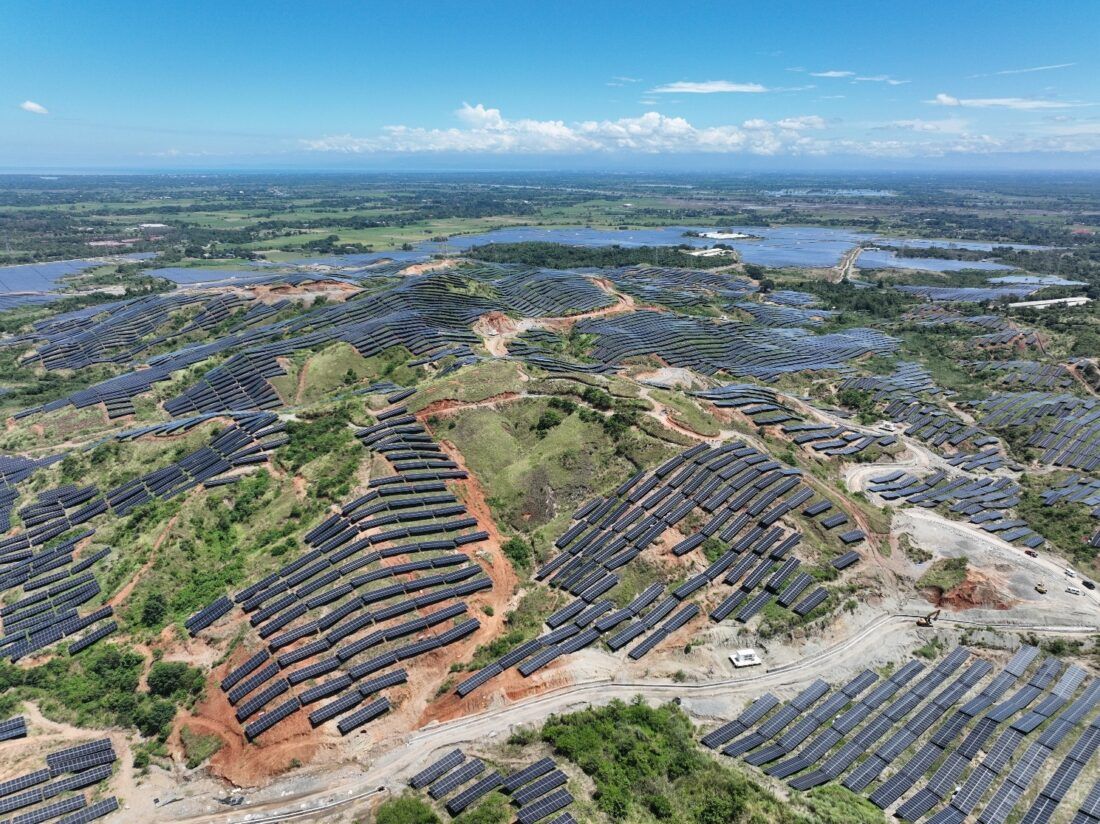
挪威发展中国家投资基金Norfund与丹麦发展金融机构Impact Fund Denmark共同持有新加坡公司Vena Energy在菲律宾开发的太阳能项目的49%股权。
The Norwegian Investment Fund for developing countries, Norfund; and Danish development finance institution Impact Fund Denmark are taking a 49% equity stake in a solar project in the Philippines being developed by Vena Energy, a Singapore-headquartered firm.
该项目预计建成后将产生500兆瓦的电力,足以满足约65万户家庭的年度用电需求。
Once operational, the 500 MWp Ixus Bugallon Solar Power Project is expected to generate enough renewable energy to supply the equivalent annual electricity needs of about 650,000 Philippine households.
该项目位于吕宋岛北部的Pangasinan省Bugallon地区,毗邻Vena Energy建设的另一座550兆瓦太阳能电站。
It is sited in Bugallon, Pangasinan, in northern Luzon, and is next to the existing 550 MWp solar power project also developed by Vena Energy.
据声明,该项目已获得来自八家国际银行的3.1亿美元高级债务融资,参与银行包括BNP Paribas、Crédit Agricole Corporate and Investment Bank、DBS Bank和ING Bank。该交易仍需获得菲律宾竞争委员会的批准。
The project reached financial close in July, having secured about $310 million in senior debt financing from a syndicate of eight international banks, according to a statement. The financial institutions include BNP Paribas, Crédit Agricole Corporate and Investment Bank, DBS Bank and ING Bank. The transaction is still subject to the approval of the Philippines Competition Commission.
Vena Energy集团首席投资官Simone Grasso表示:‘项目完成后,Norfund和Impact Fund Denmark将与Vena Energy共同保持长期所有权和运营参与,同时将资金用于其他建设项目和未来发展。’
“Once complete, it will bring Norfund and Impact Fund Denmark alongside Vena Energy, allowing us to retain long-term ownership and operational involvement while rotating capital into our construction programmes and future growth,” Simone Grasso, Vena Group’s chief investment officer said in the statement.
Vena Energy于2018年被Global Infrastructure Partners收购,该公司在亚太地区负责能源和数字基础设施的开发和运营。
Vena Energy, which was acquired by Global Infrastructure Partners in 2018, develops, owns and operates energy and digital infrastructure assets across Asia Pacific.
菲律宾政府计划到2050年将可再生能源在电力供应中的占比提高到50%以上,而目前这一比例约为25%。
The Philippines is targeting to have renewable energy account for more than 50% of its power generation mix by 2050, up from about 25% currently.
根据国际能源署的数据,截至2024年,菲律宾的能源供应仍主要依赖化石燃料,煤炭和石油分别占能源总量的35%和29%。
As of 2024, energy supply in the Philippines is still mainly generated by fossil fuels, with coal and oil accounting for about 35% and 29% of sources, respectively, according to the International Energy Agency.