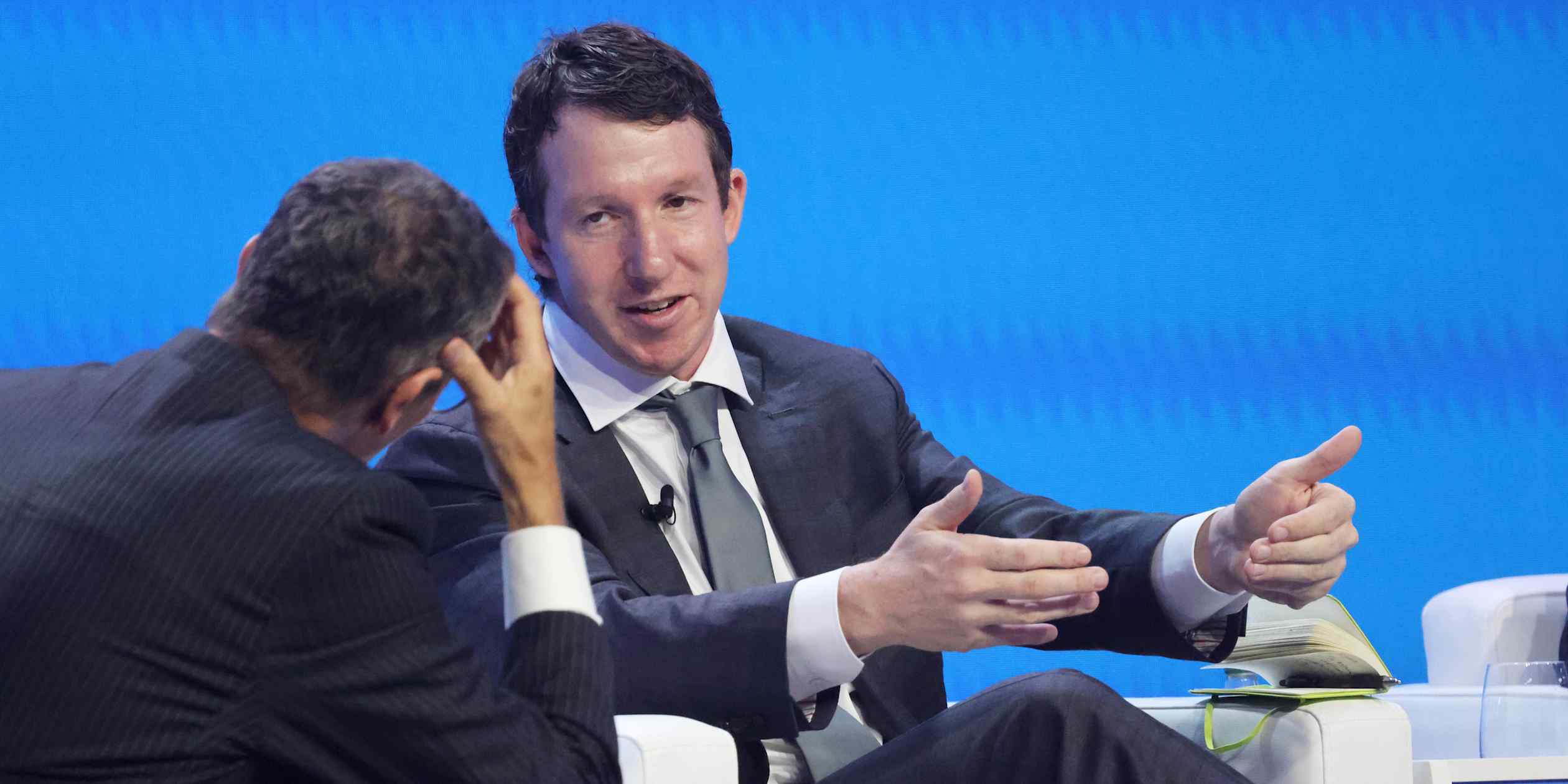
曼谷 -- 人工智能生产国需要在监管该技术时制定“常识性标准”,人工智能公司Anthropic的联合创始人杰克·克拉克周五表示,并补充说,此类举措将增强人们对人工智能的信心,并有助于推动全球经济发展。
BANGKOK -- Countries producing artificial intelligence need "common sense standards" in regulating the technology, Anthropic co-founder Jack Clark said on Friday, adding that such efforts would instill confidence in AI and help advance the global economy.
克拉克同时也是提供Claude人工智能助手的美国公司的政策负责人,他在曼谷参加国际货币基金组织和世界银行年会期间的一个关于人工智能与全球经济的小组讨论会上发表了上述言论。当被问及他是否支持人工智能生产国政府进行监管时,他说:“我们需要关于如何最终对这项技术建立信心并发展经济的常识性标准。”
Clark, who is also head of policy at the U.S. company that provides the Claude AI assistant, was speaking at a panel session on AI and the global economy as part of the International Monetary Fund and World Bank's annual meetings in Bangkok "We need common sense standards about how you ultimately give confidence in the technology and build the economy," he said when asked whether he was in favor of regulation from the governments of countries producing AI.
他在此次聚会上的发言恰逢人工智能正在推动全球经济增长,但同时也出现了对过热投资热潮的担忧。人工智能是本周国际货币基金组织年会议程上的重要议题之一,专家们正在讨论其对就业和全球增长的影响。
His appearance at the gathering comes as the technology is accelerating global economic growth while concerns have emerged over the heated investment boom. AI was among key themes on the agenda during this week's IMF annual meetings, with experts discussing its impact on employment and global growth.
“我们一直相当直率地谈论这一概念——即推动前沿发展,基本上需要行业讨论并构建伟大的技术……并进行共享,”克拉克说。“这就是我们目前正在做的事情,而且这是我们正在验证的内容。”克拉克补充说,Anthropic已经开始允许“第三方评估者”评估其模型。“我们一个月前宣布将这么做。我们已经完成了,”他说。
"We've been pretty forthright about this notion of pacing the frontier and basically the need for industry to talk about and build great technology ... and share it," Clark said. "That is what we're doing right now, and it is stuff that we are substantiating." Clark added that Anthropic has started to allow "third-party evaluators" to assess its model. "We announced that we were going to do that a month ago. We've done it," he said.
小组成员在10月16日曼谷国际货币基金组织和世界银行年会期间的题为“人工智能与全球经济:从风险到机遇”的会议上发言。
Panelists speak during the session titled "AI and the Global Economy: From Risk to Opportunity" at the IMF and World Bank annual meetings in Bangkok on Oct. 16.
在会议期间,他还指出,成功采用人工智能的公司愿意进行自身的“创造性毁灭”。
During the session, he also pointed out that companies successfully adopting AI are willing to engage in "creative destruction" of themselves.
“我们与世界上的一些最大企业以及许多最成功的初创公司合作。我认为共同点在于愿意进行创造性毁灭,愿意从组织的最高层利用这项技术拆除并完全重建自身的部分,而随着组织规模的扩大,这变得越来越困难,”克拉克说。
"We work with some of the world's largest enterprises and many of the world's most successful startups. I think the common thing is being willing to do creative destruction, being willing from the top of an organization to tear down and completely rebuild parts of yourself with this technology, which gets harder the bigger the organization gets," Clark said.
在同一场小组讨论会上出席的国际货币基金组织总裁克里斯塔利娜·格奥尔基耶娃表示,参与人工智能创造的国家应承担起监管该技术使用的责任,以防范人工智能的风险。
IMF Managing Director Kristalina Georgieva, who was present at the same panel session, suggested that countries that engage in AI creation should take responsibility for regulating the use of the technology to prevent the risk of AI.
格奥尔基耶娃提到,包括美国、中国和印度在内的关键人工智能生产国政府,应承担起发布法规的责任,以保护经济和社会免受可能的人工智能风险。
Georgieva mentioned that governments of key AI-producing nations, including the U.S., China and India, should bear responsibility in issuing regulations that safeguard the economy and society from possible AI risks.
此外,人工智能公司及人工智能供应链中的其他参与者,包括芯片制造商,应以道德方式生产该技术,以防止技术带来的不利影响。
Moreover, AI companies and others in the AI supply chain, including chipmakers, should produce the technology ethically to prevent adverse effects from the technology.
“我们在我们能力范围内的三个领域承担责任,即生产率增长、劳动力市场和金融稳定风险,”她说。“事实是,没有一个单一的地方可以承担全部责任,但我们组织自身的速度太慢。”
"We have responsibility in the three areas of our competence, which are productivity growth, labor markets, financial stability risks," she said. "The truth of the matter is there is not one single place where we can put the whole responsibility, but we are too slow to organize ourselves."