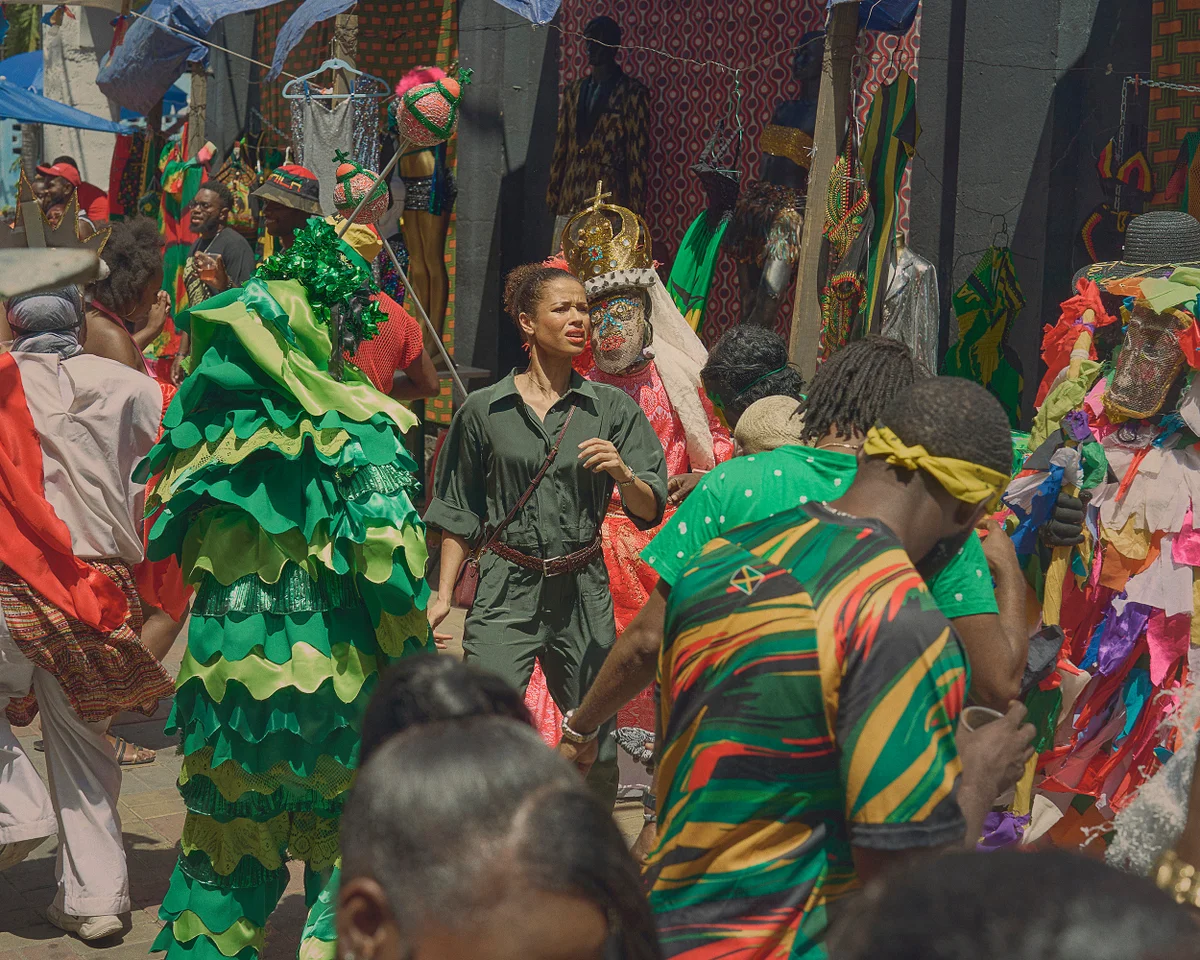
一位女性打开了一只300年历史的盒子,释放出一个暴躁的灵魂——它是殖民主义和压迫的灵魂,正咆哮着复活。这是天空(Sky)超自然系列剧《附身》(Possession)中的一个关键场景,象征着牙买加电影行业的更广泛转变——导演们越来越多地利用当地景观讲述牙买加故事,其中包括那些直面奴役、创伤和历史记忆的故事。
A woman opens a 300‑year‑old box, unleashing a violent spirit – it is the spirit of colonialism and oppression roaring back to life. It is a pivotal scene in Sky’s supernatural series Possession and symbolises a wider shift in Jamaica’s film industry, where directors are increasingly using the landscape to tell Jamaican stories – including those that confront enslavement, trauma and historical memory.
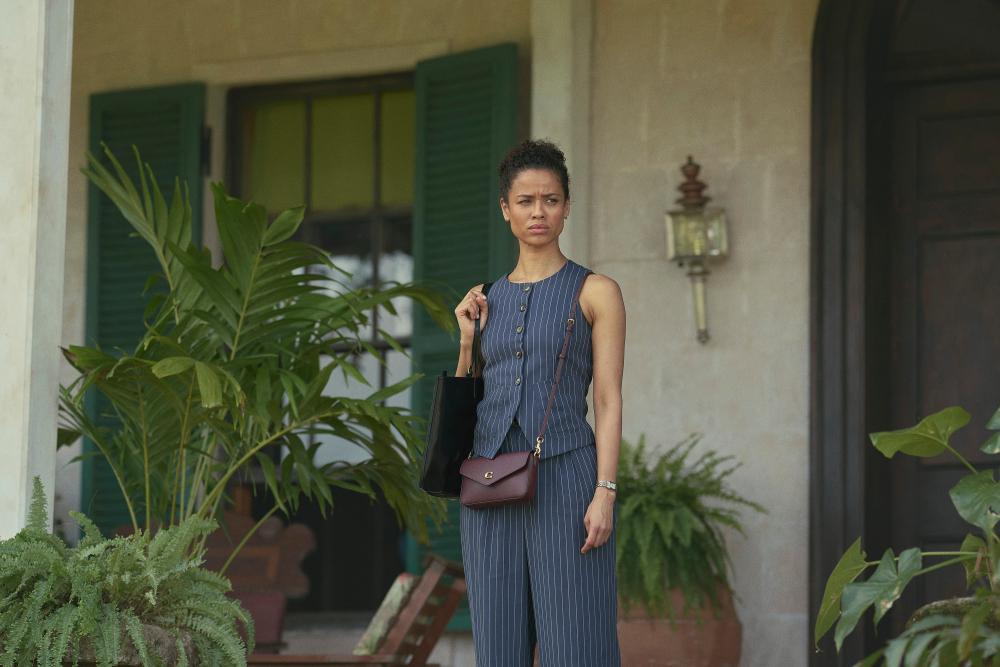
该系列剧讲述了一位混血英国律师前往牙买加调查一起价值数百万英镑的遗产纠纷,却发现一个与种植园残酷殖民过去紧密相连的黑暗复仇之灵。
The series is about a biracial British lawyer who travels to Jamaica to investigate a multimillion-pound inheritance dispute, only to uncover a dark, vengeful spirit tied to the plantation’s brutal colonial past.
对于牙买加导演斯托姆·索尔特(Storm Saulter)而言,确保奴役及其殖民主义遗留的创伤得到有力呈现至关重要。加勒比国家越来越主张,几个世纪的奴役使该地区陷入持久的劣势——这也推动了对赔偿的新一轮呼声。
For the Jamaican director, Storm Saulter, ensuring that the trauma and enduring legacy of enslavement and colonisation were powerfully represented was critical. Caribbean countries are increasingly arguing that centuries of enslavement have left the region at a lasting disadvantage – fuelling renewed calls for reparations.
西印度大学电影研究讲师丽莎·汤姆林森博士表示,牙买加电影的主题正在发生变化。“它们如今与牙买加故事紧密相连并予以反映——这些故事以前是禁忌或被回避的。”她指出,虽然牙买加电影并不总是明确聚焦赔偿,但许多影片正通过文化记忆来探讨奴役的遗产。“赔偿不仅仅是一个政治行为,”她说。“它也是文化。这些源自非洲的灵性、历史知识——当它们通过创造性表达呈现时,它们所做的就是赋予我们讲述自己故事的权威。”
Dr Lisa Tomlinson, a lecturer in film studies at the University of the West Indies, says the themes in Jamaican films are changing. “They’re now very much connected and reflective of Jamaican stories – stories that were previously taboo or avoided.”While Jamaican films are not always explicitly about reparations, she argues that many are engaging with the legacies of enslavement through cultural memory. “Reparation is not just a political act,” she says. “It’s also culture. These African‑derived spiritualities, the historical knowledge – when they come through creative expression, what they do is give us authority to tell our own stories.”
她认为,这是一种“文化赔偿”——即在殖民主义下被贬低或被压制的叙事的夺回,也是一种向观众传授过去的方式,而学者或政治家在这方面往往力不从心。“艺术在我们如何通过公众意识进行赔偿教育方面发挥着关键作用,”她说。
This, she says, is a form of “cultural reparation”, a reclaiming of narratives devalued or suppressed under colonialism, and a way of educating audiences about the past in ways that academics or politicians struggle to do. “The arts play a critical role in how we are educated in public awareness around reparation,” she says.
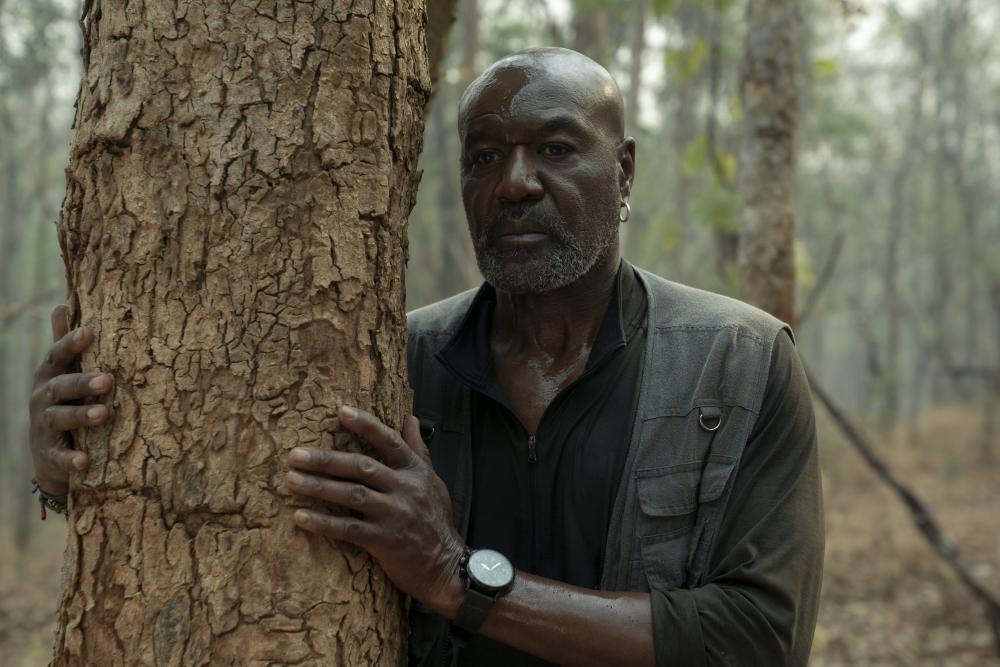
贾克琳·杰克逊,牙买加电影委员,也看到了这种转变。她说,像《占有》和德尔罗伊·林多的《贾巴里的人民》这样的作品——完全在牙买加拍摄——反映了牙买加创意人士日益增长的信心和雄心。“我们已经确立了作为国际制作目的地的地位,”她说。“但我们希望看到更多的是本土制作和国际合作,使我们能够讲述自己的故事。”
Jacqueline Jackson, Jamaica’s film commissioner, sees the shift too. She says productions such as Possession and Delroy Lindo’s Jabari’s People – shot entirely in Jamaica – reflect growing confidence and ambition among Jamaican creatives. “We are well established as a destination for international productions,” she says. “But what we want to see more of is local production and international collaboration that enables us to tell our own stories.”
她指出,这两部作品都与牙买加人才紧密合作,以确保真实性,并展示当国际融资和发行与牙买加创意结合时所能实现的可能。“它们展示了人们对牙买加故事日益增长的兴趣及其对全球观众的潜力,”她说。
Both productions, she notes, worked closely with Jamaican talent to ensure authenticity and demonstrate what is possible when international financing and distribution unite with Jamaican creativity. “They show the growing interest in Jamaican stories and their potential for global audiences,” she says.
汤姆林森认为, diaspora(侨民)电影制片人在这一转变中发挥着特别重要的作用。与经常将牙买加作为异国情调背景的外国制作不同,diaspora 导演正“摆脱游客凝视的描绘”,并“捕捉牙买加的日常生活”。
Tomlinson believes diaspora film-makers are playing a particularly important role in this shift. Unlike foreign productions that often use Jamaica as an exotic backdrop, diaspora directors are “moving away from the tourist‑gaze depictions” and are “capturing Jamaican everyday life”.
索尔特认为他的系列是更广泛的政治觉醒的一部分。“面具已经滑落……我们被告知那是一回事,而事实证明那是假的。因此,人们在寻求真相,”他说。
Saulter sees his series as part of a broader political awakening. “The mask has slipped … We’ve been told it’s one thing, and that thing is proven to be false. So there’s a seeking of what is true,” he says.
他说,开箱场景不仅仅是一个情节装置,而是一个更大事物的隐喻:长期被压抑的历史重新浮现,以及加勒比创意人士日益愿意通过电影面对奴役、继承的创伤和殖民暴力的遗产。
He says the box‑opening scene is not simply a plot device, but a metaphor for something larger: the resurfacing of long‑suppressed histories and the growing willingness among Caribbean creatives to confront the legacies of enslavement, inherited trauma and colonial violence through film.

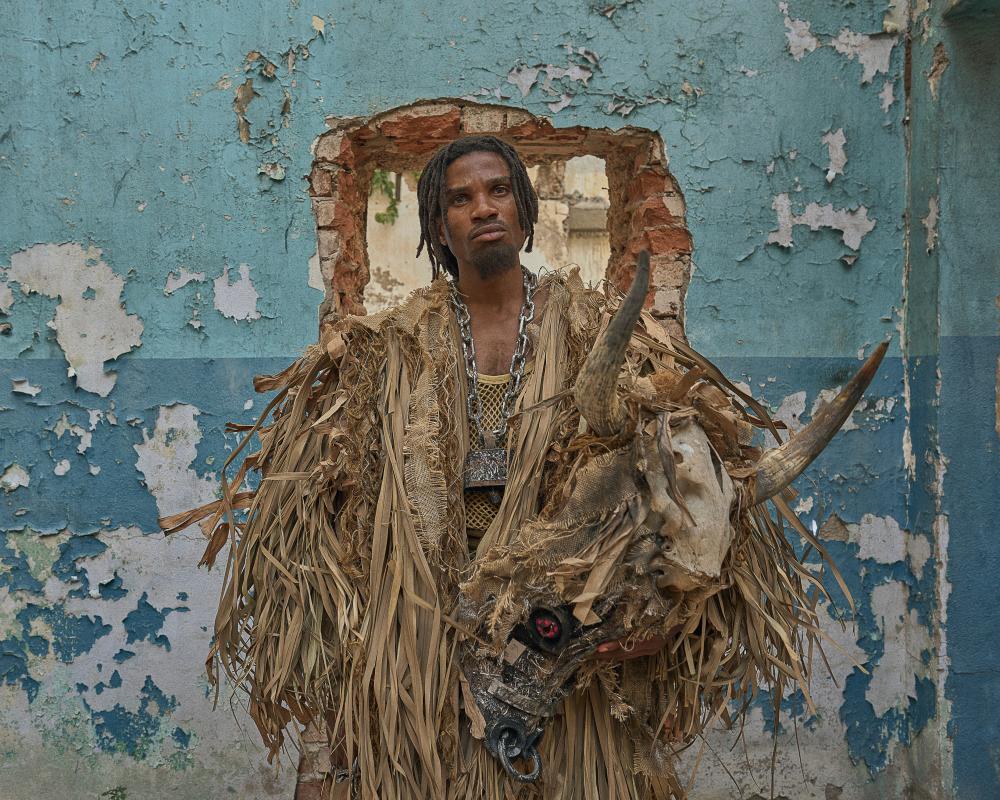
“字面意思是说,我们将打开一个300年历史的可怕秘密的盖子,”索尔特说。“那是殖民奴役和压迫的精神咆哮而回。”他解释说,这种“精神”体现在一个经历了几个世纪残酷对待的角色身上——“历史的见证者”——其存在迫使主角们面对他们继承的过去。
“Literally, we’re going to open up the lid of a 300‑year‑old horrible secret,” Saulter said. “It’s the spirit of colonial enslavement and oppression coming roaring back.”That “spirit”, he explains, is embodied in a character who has lived through centuries of brutality – “a witness to history” – whose presence forces the protagonists to reckon with the past they have inherited.
索尔特对这个主题的兴趣源于他的成长经历。“我是在乡村长大的,”他说。“奥比亚人、教堂……九夜……我经历了所有这些事情。”他的经历激发了他讲述既能教育又能产生“真实的社会政治影响”的故事的灵感,同时保持刺激、引人入胜和娱乐性。他认为,这种方法使电影制作人能够面对艰难的历史。“与其做一些像‘说客头’那样的东西……我们是在带你踏上一段旅程,”他说。
Saulter’s interest in the subject is rooted in his upbringing. “I grew up in the countryside,” he says. “The Obia man, the church … nine nights … I’ve lived through all of those things.”His experiences inspired him to tell stories that educate and have “real societal political impact”, while remaining thrilling, intriguing and entertaining. That approach, he argues, allows film-makers to tackle difficult histories. “As opposed to doing something that was like talking heads … we’re bringing you on a journey,” he says.
对于约鲁巴女祭司兼文化专家L’Antoinette Stines博士,她曾为《附身》提供咨询,该系列对非洲精神传统的参与是更长期抵抗史的一部分。
For Dr L’Antoinette Stines, a Yoruba priestess and cultural expert who advised on Possession, the series’ engagement with Afro‑spiritualist traditions is part of a longer history of resistance.
“黑人已经用艺术进行斗争很长时间了。只是今天对它的关注度更高了,”她说。她表示,几十年来她一直在编排类似的作品,并强调了尊重为今天真实牙买加故事繁荣铺平道路的学者、诗人和创作者的重要性。
“Black people have been fighting and using the arts for a very long time. It’s just that there is greater attention on it today,” she says. For decades she has choreographed similar work, she says, and stresses the importance of honouring the academics, poets and creatives who paved the way for today’s boom in authentic Jamaican storytelling.
她赞扬索尔特坚持真实性并创作出既当代又深植根源的系列剧,该剧探讨了继承的创伤、祖先记忆以及殖民主义未竟的事业。
She praises Saulter’s insistence on authenticity and creating a series that feels both contemporary and deeply rooted, exploring inherited trauma, ancestral memory and the unfinished business of colonialism.