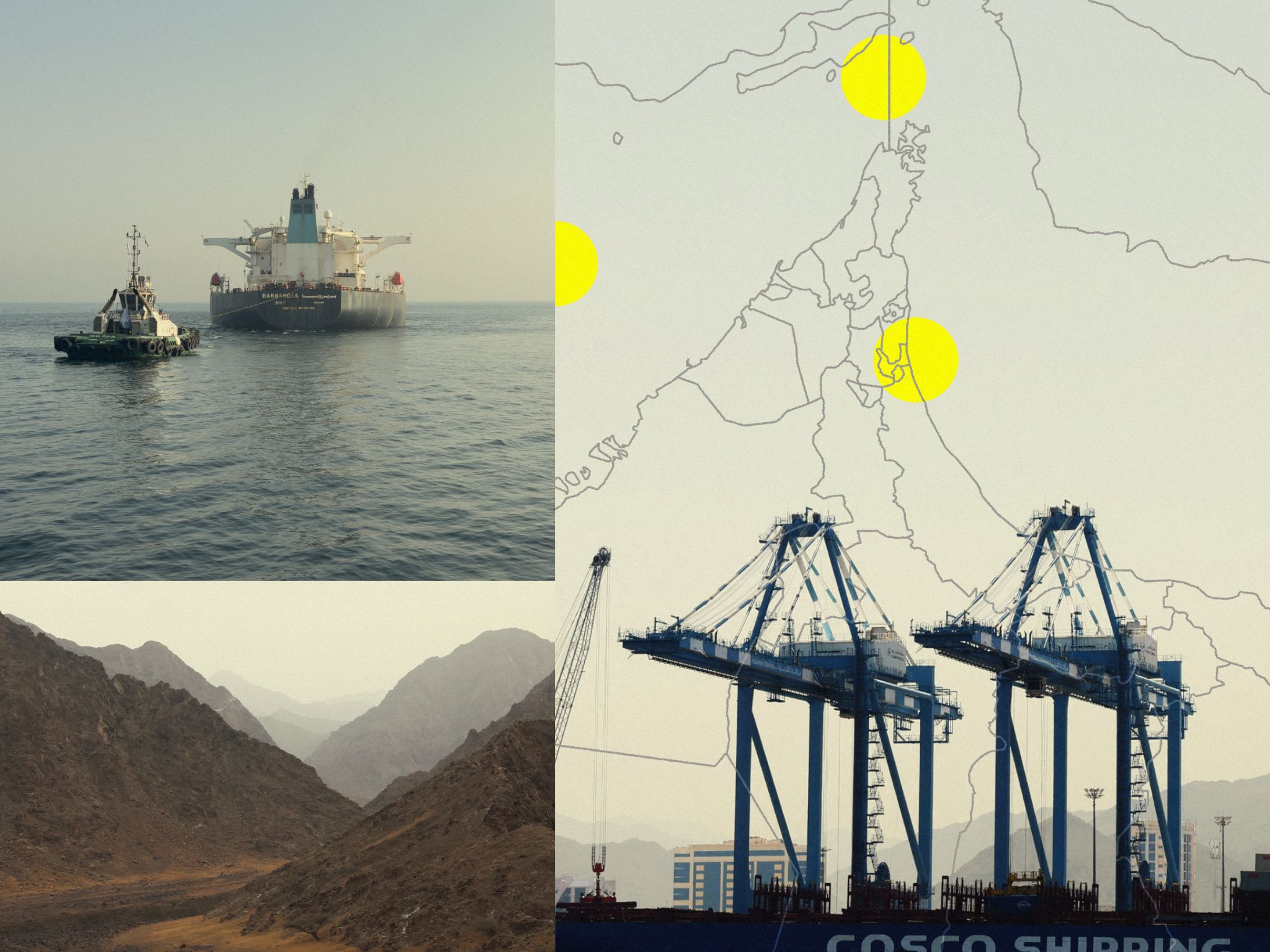
一艘用于引导巨型原油油轮进入富查伊拉港的大型拖船甲板上,可以看到阿联酋向其“零霍尔木兹”战略迈进的景象,四周尽是如此。
The Scene From the deck of one of the large tugboats used to guide giant crude tankers into Fujairah’s port, the UAE’s race toward its “Zero Hormuz” strategy is visible in every direction.
一艘能够运送两百万桶石油的油轮正在港口唯一能够停靠此类船只的码头装载。较小的船只占据了其他泊位,而一艘油轮正在离岸系泊处装载,阿联酋海军护卫舰在附近戒备。远处,在薄雾中,几艘更多的油轮抛锚停泊,正在进行船对船转运,通过美国保护的霍尔木兹海峡运输的石油正被转运,以便向全球客户交付。
A carrier capable of moving two million barrels of oil was loading at the port’s lone jetty able to handle such vessels. Smaller ships occupied other berths, and one tanker was loading at an offshore mooring, with a UAE naval corvette standing guard nearby. On the horizon, in the haze, several more tankers lay anchored, engaged in ship-to-ship transfers, taking on oil shuttled through the Strait of Hormuz under US protection for delivery to customers around the world.
富查伊拉 — — 阿联酋较为贫穷的酋长国之一,以低成本度假胜地和山地避世之地闻名 — — 正处于一项区域性推动的中心,旨在通过霍尔木兹海峡减少伊朗对海湾贸易的影响力。地理位置已成为其最大的资产,而且它并非孤军奋战。沙特阿拉伯正在扩大其管道网络,科威特正在与利雅得和阿联酋进行谈判,以通过各自的连接线路运输原油。阿曼也可能成为霍尔木兹海峡受阻的受益者,正制定独立的管道计划,以便其港口能够安全运输被困在海湾内的化石燃料。
Fujairah — one of the UAE’s poorer emirates better known for its low-cost resorts and mountain escapes — is at the center of a regional push to reduce Iran’s leverage over Gulf trade through the Strait of Hormuz. Geography has become its biggest asset, and it’s not alone. Saudi Arabia is expanding its pipeline network, and Kuwait is in talks with Riyadh and the UAE to move crude through their respective links. Oman is also a likely beneficiary of the Hormuz disruption, with separate pipeline plans for its ports to safely ferry fossil fuels trapped in the Gulf.
对于富查伊拉而言,这场绕过海峡的竞赛可能会带来一座新的液化天然气工厂、一座炼油厂以及“一个规模大得多的港口”,能源咨询公司FGE NexantEC的荣誉主席费里敦·费沙拉基(Fereidun Fesharaki)向Semafor表示。“这场可恶的战争为富查伊拉创造了一个千载难逢的机会。” Kevin Zweerink/Semafor 了解更多早在2月28日美伊战争爆发之前,富查伊拉就已经为这一机会做好了长期准备。
For Fujairah, this race to bypass the strait could lead to a new liquefied natural gas plant, a refinery, and “a much bigger port,” Fereidun Fesharaki, chairman emeritus of energy consultancy FGE NexantEC, told Semafor. “This wretched war has created for Fujairah a once-in-a-lifetime opportunity.”Kevin Zweerink/Semafor Know More Fujairah had been preparing for this opportunity long before the US-Iran war erupted on Feb. 28.
阿布扎比于2012年修建了一条通往该港口的管道,日处理能力达180万桶原油,从而为自己提供了绕过霍尔木兹海峡的备用出口。20世纪90年代末拍摄的照片显示,当时港口和海岸线几乎没有石油储存和装运基础设施。如今,港口附近的沿海公路两侧已遍布储油罐区,一个管道网络则将石油产品在各个码头之间以及运往船只。一条连接阿布扎比的铁路不仅运输货物,最近也开始运送乘客。
Abu Dhabi opened a pipeline to the port in 2012 with a daily capacity of 1.8 million barrels of crude, giving itself an outlet beyond Hormuz, just in case. Photos of the port and coastline in the late 1990s show minimal oil storage and loading infrastructure. Today, tank farms line both sides of the coastal highway near the port, and a network of pipes moves products among terminals and to ships. A rail link from Abu Dhabi moves goods and recently began carrying passengers.
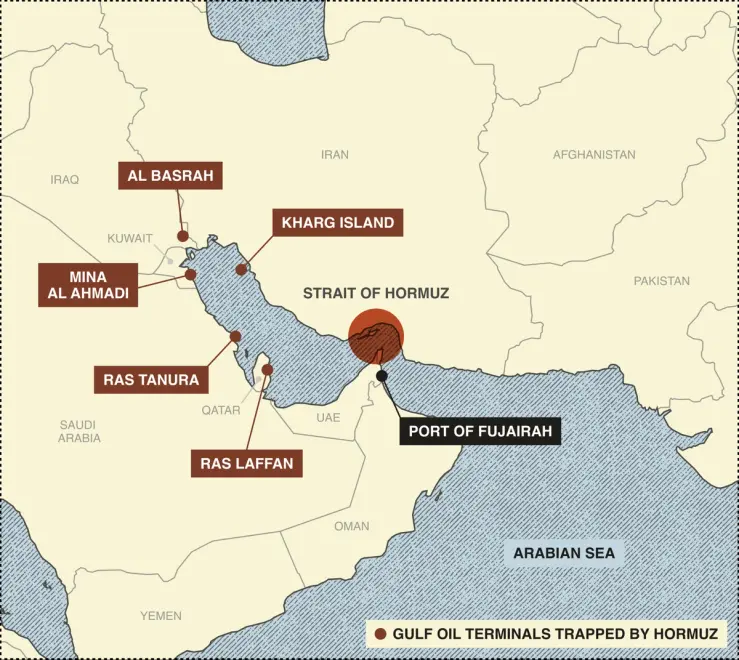
从阿联酋的地图上看,将资产向东转移至阿曼湾,对于这样一个依赖资源出口的富裕国家来说,似乎是一项相对简单的任务。然而,地形却构成了挑战:崎岖的山脉紧挨着海岸线,使得土地填海成为唯一的扩张方式。
Glancing at a map of the UAE makes shifting assets east to the Gulf of Oman seem a relatively simple feat for a wealthy country dependent on exporting its resources. But the topography is a challenge: Craggy mountains press against the coastline, making land reclamation the only way to expand.
尽管机遇显而易见,且几乎没有人怀疑阿联酋政府执行这项计划的能力,但该地区仍然面临与周边区域相同的风险。
And while the opportunity is clear and few doubt the UAE government’s ability to execute, the territory is still subject to the same risks affecting the region.
位于霍尔木兹海峡之外确实为船只提供了一定程度的保护,但船只、储油罐区和港口基础设施仍然脆弱。伊朗曾对这些目标发动过袭击。据两位熟悉此事并与保险公司进行过谈判的人士透露,战争保险一直是富查伊拉运营商面临的一个问题,而保险公司表示,需要看到至少六个月的稳定和平局面,才会降低保费。
Being outside Hormuz provides some protection for ships, but the vessels, tank farms, and port infrastructure remain vulnerable. Iran has attacked them all. War insurance has always been an issue for operators in Fujairah, and insurers have indicated they would need to see six months of stable peace before lowering premiums, according to two people familiar with the matter who have negotiated with insurance companies.
迄今为止,富查伊拉港口主要专注于最高价值的贸易,而建筑材料、消费品和机械设备的进口与再出口,则交由迪拜和阿布扎比规模更大的设施处理。
Thus far, Fujairah’s port has focused on the most valuable trade, leaving the import and re-export of building materials, consumer goods, and machinery to the much larger facilities in Dubai and Abu Dhabi.
情况正在发生变化。货运卡车现在在公路上排起了长队,大约有10英里长,等待进入港口的机会。根据一位熟悉港口运作的人士透露,船舶间转运正在快速增长,从战争前仅有的几起增加到8月份的80起和9月份的120起。这些转运主要涉及原油,但也包括铝、铝土矿和钢铁。
That is changing. Cargo trucks now line the highway for some 10 miles, waiting for a chance to enter the ports. Ship-to-ship transfers are rising rapidly, from just a handful before the war to 80 in August and 120 in September, according to a person familiar with port operations. They mostly involve crude, but also aluminum, bauxite, and steel.
在由迪拜咨询公司Gulf Intelligence组织的能源市场论坛晚宴上,“韧性”一词被反复提及,但在此语境下,它是恰当的:这些人士近一个世纪以来一直帮助石油从世界上最动荡的地区之一持续输送。
At a dinner during the Energy Markets Forum, organized by Dubai-based consultancy Gulf Intelligence, the word “resilience” was overused, but in this setting, it was appropriate: These are the people who have helped move oil consistently from one of the world’s most volatile regions for almost a century.
该行业的繁荣与衰退周期也被提及。富查伊拉的历史优势在于作为霍尔木兹海峡过境船只的枢纽,但阿曼也有其他可供船只停靠的港口,且阿曼与伊朗的关系比海湾其他国家更友好。无人能回答的问题是:一旦航运公司能够恢复到旧有航线,危机期间的繁荣是否还能持续。
The business’s boom-bust cycle also came up. Fujairah’s historic advantage was as a link for ships coming through the Strait of Hormuz, but there are other ports to call at in Oman, which has friendlier relations with Iran than anyone else in the Gulf, and the question no one could answer was whether the boom during a crisis would carry on once shipping companies could return to their old routes.
然而,对于富查伊拉的人们来说,靠近港口的、可能很快用于建设液化天然气厂和其他生产性资源的复垦空地,或许足以帮助他们赶上阿布扎比和迪拜较为富裕的同胞。
For the people of Fujairah, though, the vacant plots of reclaimed land near the port that may soon accommodate an LNG plant and other productive assets may be enough to help them catch up to their wealthier compatriots in Abu Dhabi and Dubai.
穆罕默德的观点:伊朗数十年来一直威胁要封锁霍尔木兹海峡,而海湾国家虽然未必完全忽视了这一威胁,但大多一直假设通过该水道的航行自由将继续成为常态。沙特阿拉伯和阿联酋在管道上的投资具有前瞻性。但就像霍尔木兹以外没有出口的邻国一样,他们将大部分投资集中在海湾内部的城市和工业区——这些地区处于伊朗导弹的打击范围之内,选择优先考虑国内经济发展。
Mohammed’s view Iran has been threatening to close Hormuz for decades, and while Gulf states didn’t necessarily ignore the threat, they largely operated as if freedom of navigation through the waterway would remain the norm. Saudi Arabia’s and the UAE’s investments in pipelines were prescient. But like their neighbors without outlets beyond Hormuz, they concentrated most of their investment in cities and industrial zones inside the Gulf, within reach of Iranian missiles, opting to prioritize domestic economic development.
如今,该地区发展的关键方向是冗余与韧性。海湾国家别无选择,只能投资不同的运输路线,并采用效果最佳的那一条。如果局势和平,部分管道和港口有时可能会闲置。但为了在敌人攻击其经济命脉时仍能保障能源和物资的流通,这就是必须付出的代价。
Today, the direction of travel in the region is redundancy and resilience. Gulf states don’t have much of a choice other than to invest in different routes and use whichever works best. If there’s peace, some pipelines and ports could lie dormant at times. That’s the price of keeping energy and goods flowing when enemies strike at the lifeblood of their economies.
所有这些矛盾在富查伊拉的繁荣中表现得尤为明显——尽管其地理位置得天独厚,却也未能免受冲突影响。
All these contradictions are evident in Fujairah’s boom, where its geographic blessing offers no immunity from conflict.
伊朗对该地以及该地区其他管道的袭击表明,未来海湾国家或许还需要为现有的替代方案再寻找新的替代方案。
Iranian attacks there and on other pipelines in the region signal a future where Gulf states may also need alternatives to their alternatives.
分歧空间 富查伊拉和阿曼是维持石油及其他出口商品流通的努力的受益者。但正如美国财政部长斯科特·贝森特所说,将霍尔木兹海峡变成“一片毫无价值的水域”,始终是一种夸张的说法。诚然,得益于管道运输以及美国军队对油轮的护航,原油运输已基本恢复。但液化天然气、化肥、金属、氦气及其他出口商品,以及超过6000万人依赖的所有进口物资,都无法全部通过替代路线高效运输。
Room for Disagreement Fujairah and Oman are beneficiaries of efforts to keep oil and other exports flowing. But making the Strait of Hormuz, in US Treasury Secretary Scott Bessent’s words, a “worthless piece of water,” has always been hyperbole. It’s true that crude flows have largely recovered thanks to pipelines and US military escorts of tankers. But liquefied natural gas, fertilizer, metals, helium, and other exports, as well as all the imports that more than 60 million people rely on, can’t all move efficiently through alternative routes.
与此同时,卡塔尔能源部长明确拒绝建设天然气管道或将加工设施迁往他国,转而承诺在拉斯拉凡扩大液化天然气产能。对于其他出口商而言,通过卡车运输并不现实:全球最大的尿素和氨肥出口商之一Fertiglobe的首席执行官告诉我,一艘典型的船只可装载5万吨化肥,若要完全替代,大约需要2000卡车的运输量。富查伊拉在战时的关键作用,反映了多年来在管道、港口和贸易能力上的持续投入,能源专家罗宾·米尔斯在《国家报》中如此写道。
Qatar’s energy minister, meanwhile, has been emphatic in rejecting gas pipelines and relocating processing facilities to other countries, committing instead to LNG expansion in Ras Laffan. For other exporters, the trucking math doesn’t work: The CEO of Fertiglobe, one of the world’s largest exporters of urea and ammonia fertilizers, told me a typical ship carries 50,000 tons of fertilizer. Replacing it would take some 2,000 truckloads Notable Fujairah’s wartime role reflects years of investment pipelines, ports, and trading capabilities energy expert Robin Mills writes in The National.
据彭博社报道,阿布扎比王储谢赫·哈立德·本·穆罕默德正主导实施阿联酋的“零霍尔木兹”战略,利用他担任主席的主权财富基金投资物流领域。
Abu Dhabi Crown Prince Sheikh Khaled bin Mohamed is leading the push to implement the UAE’s “Zero Hormuz” strategy, using the sovereign wealth fund he chairs to invest in logistics, Bloomberg reported.