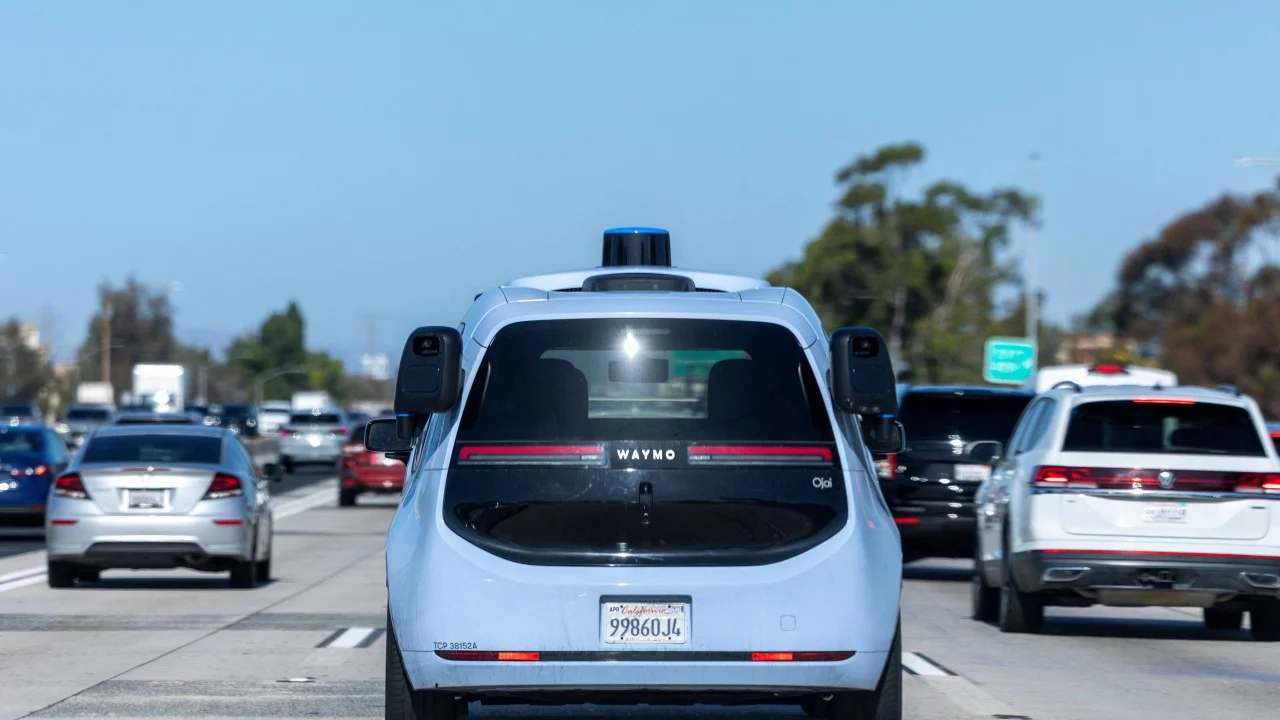
华盛顿阻挠中国电动汽车(EV)的努力最初旨在保护其国内汽车工业,但引发了人们对该策略正在损害美国汽车制造竞争力的担忧。
While Washington’s efforts to block Chinese electric vehicles (EVs) were originally intended to protect its domestic automotive industry, they have sparked concerns the strategy is hurting America’s carmaking competitiveness.
由于缺乏连贯的工业政策来鼓励长期投资,保护主义方法正在适得其反,阻碍底特律的电动汽车转型,Trivium China的宏观经济和政策分析师张大卫表示,他补充说,电动汽车可能是中美贸易谈判中的“完美让步”,而中国有“充分理由”推动市场准入。
With a lack of a coherent industrial policy discouraging long-term investment, the protectionist approach was backfiring on Detroit’s EV transition, said David Zhang, a macroeconomics and policy analyst at Trivium China, who added that EVs could be a “perfect concession” in US-China trade talks, and that China had “ample reason” to push for market access.
中国电动汽车制造商在美国面临超过100%的关税,而华盛顿还对与中国相关的软件和硬件施加了限制,以应对数据安全问题。
Chinese EV makers face tariffs of more than 100 per cent in the United States, while Washington has also imposed restrictions on China-linked software and hardware to address data security concerns.
美国立法者还提出了跨党派法案,旨在进一步限制与中国相关的电动汽车在美国的销售。
US lawmakers have also introduced bipartisan bills seeking to further restrict American sales of EVs linked to China.
虽然保护主义措施旨在给美国传统汽车制造商留出时间,以应对来自中国电动汽车竞争的挑战,但张大卫表示,这种策略只有在长期工业规划和执行的配合下才能奏效。
While the protectionist measures were intended to give US legacy carmakers time to adjust to challenges from Chinese EV competition, Zhang said such a strategy could only work alongside long-term industrial planning and execution.
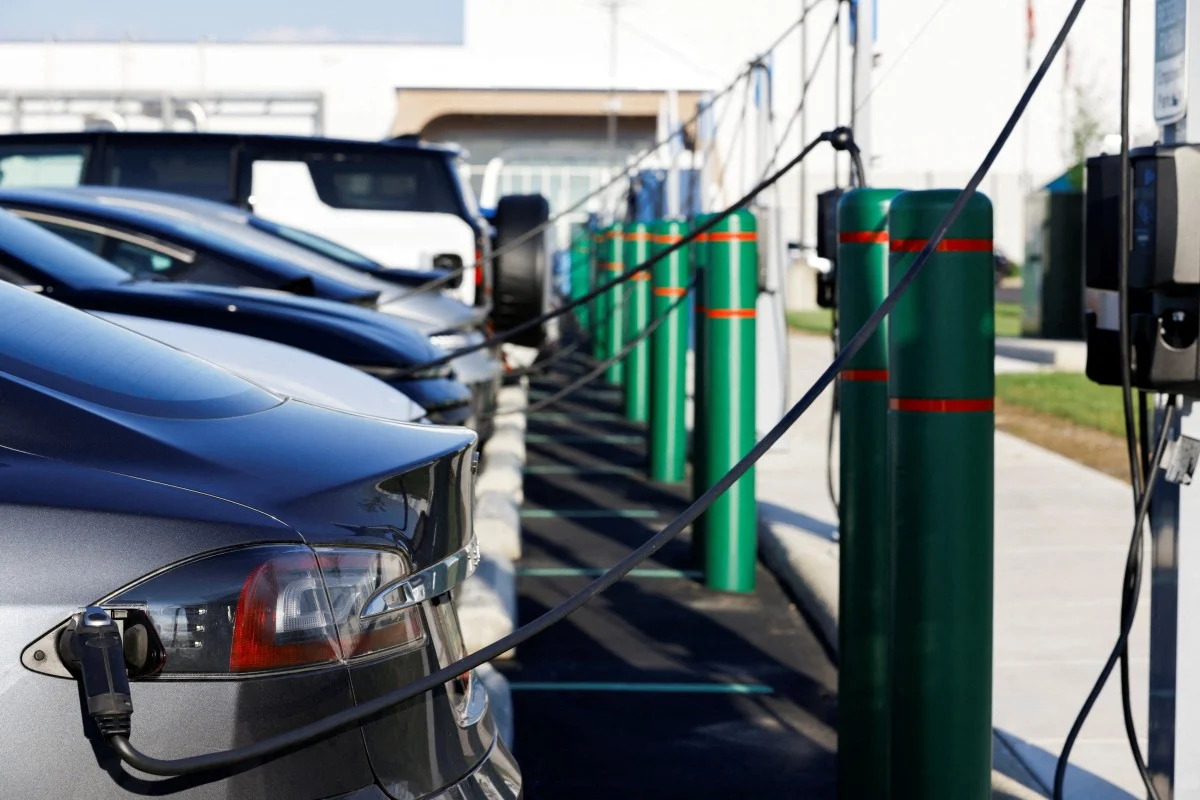
“实际上,人们越来越担心美国不仅在[电动汽车]竞赛中落后,而且未能制定出连贯的长期电动汽车战略并坚持执行,”张大卫说,他目前驻扎在华盛顿。
“There’s actually growing concern that the US has not only fallen behind in the [EV] race but has failed to come up with a coherent long-term EV strategy and stick to it,” said Zhang, who is based in Washington.
在担任美国总统的第二个任期期间,唐纳德·特朗普一直在撤销政府对电动汽车的激励措施,包括取消电动汽车生产的激励措施和削弱燃油经济性标准。
During his second term as US president, Donald Trump has been retreating from government EV incentives, including rescinding incentives for EV production and watering down fuel economy standards.
“我们看到,当政治领导层发生变化时,政策出现了相当戏剧性的逆转,”张大卫说。“这使得不仅中国,而且美国的汽车制造商都很难制定可能需要五到十年才能见回报的投资计划。”他补充说,政策不一致正在促使美国汽车制造商缩减电动汽车扩张计划,包括削减产量目标以及推迟或取消新电动汽车平台的推出。
“We’ve seen quite dramatic reversals when the political leadership changed,” Zhang said. “That makes it very difficult for not only Chinese but also US carmakers to plan investments that might take five or 10 years to pay off.”He added that policy inconsistency was prompting US carmakers to scale back EV expansion plans, including cutting production targets and delaying or cancelling the introduction of new EV platforms.
美国市场长期以来一直被视为全球规模高利润销售的某种圣杯。David Zhang,Trivium China 这种不确定性也使一些中国汽车制造商对进入美国市场却步。在本月于新加坡举行的米尔肯研究所亚洲峰会上,比亚迪副总裁李柯雯表示,由于美国市场缺乏“清晰度、可见性和稳定性”,公司目前没有计划在美国销售乘用车,路透社报道。
The US market has long been seen as a sort of holy grail in terms of global-scale high margin salesDavid Zhang, Trivium China Such uncertainty has also discouraged some Chinese carmakers from entering the US market. At this month’s Milken Institute Asia Summit in Singapore, BYD vice-president Stella Li said the company was not planning to sell passenger cars in the US due to the market’s lack of “clarity, visibility and stability”, Reuters reported.
尽管存在这些限制,张表示,美国市场仍然具有吸引力,因为在经济型电动汽车方面,该市场“供应严重不足”——这是中国公司可以发挥其在电池技术和低成本制造方面优势的领域。这使得电动汽车有望成为未来中美贸易谈判中的潜在筹码。
Despite the restrictions, Zhang said the US market remained attractive because it was “significantly underserved” when it came to affordable EVs – an area where Chinese companies could leverage their advantages in battery technology and low-cost manufacturing. That made EVs a potential bargaining chip in future US-China trade negotiations.
“从纸面上看,该市场实际上是中美贸易谈判的一个完美让步,”张说。“美国市场长期以来一直被视为全球规模高利润销售的某种圣杯。
“On paper, the market is actually a perfect concession for US-China trade talks,” Zhang said. “The US market has long been seen as a sort of holy grail in terms of global-scale high margin sales.
“而且,中国汽车制造商对此表现出巨大兴趣……因为他们正试图摆脱国内的价格战,并在其他地方追求更高的利润率。”潜在的灵活性迹象已经出现,特朗普上个月初表示,如果中国汽车制造商在美国建厂并创造就业岗位,他将允许他们在美国生产汽车。
“And there’s tremendous interest [from Chinese carmakers] … as they’re trying to escape the price wars at home and chasing higher profit margins elsewhere.”Signs of potential flexibility have emerged, with Trump indicating early last month that he would allow Chinese car manufacturers to produce cars in the US if they built factories that would create jobs.
这些言论引发了美国汽车工业的反对,六个主要汽车贸易团体致信特朗普,敦促他“维持使中国汽车制造商无法进入美国市场的政策”。
Those remarks sparked a backlash from the American automotive industry, with a letter from six major automotive trade groups urging Trump to “maintain policies that keep the door firmly shut to Chinese automakers”.
然而,一些美国汽车制造商正在寻求与中国公司的选择性合作,被其在电池和电动汽车供应链等关键领域的技术优势和成本竞争力所吸引。
However, some US carmakers are pursuing selective cooperation with Chinese companies, attracted by their technological advantages and cost competitiveness in key areas such as batteries and EV supply chains.
例如,福特汽车正与中国电池巨头宁德时代合作,在密歇根州建设一座电池工厂,宁德时代为该项目提供技术和服务。该中国公司在5月表示,美国汽车制造商需要“最好的磷酸铁锂技术,以在全球竞争中取胜”。
Ford Motor, for example, is working with Chinese battery giant Contemporary Amperex Technology Limited (CATL) on a battery factory in Michigan, with CATL serving as technology and service provider for the project. The Chinese company said in May that US carmakers needed “the best lithium iron phosphate technology to compete globally”.
张表示:“美国不太可能在短期内全面取消其限制措施”,他指出,限制中国汽车制造商进入美国市场得到了两党的广泛支持。
“The US is not likely to dismantle its restrictions wholesale any time soon,” Zhang said, citing the broad bipartisan support for restricting Chinese carmakers’ access to the US market.
但他补充说:“在技术和制造领域,美国企业若看到合作的商业价值,可能会有更多空间进行选择性的企业层面合作。”
“But there may be more room for selective firm-level cooperation on technology and manufacturing in places where American companies themselves see a commercial benefit to cooperation.”