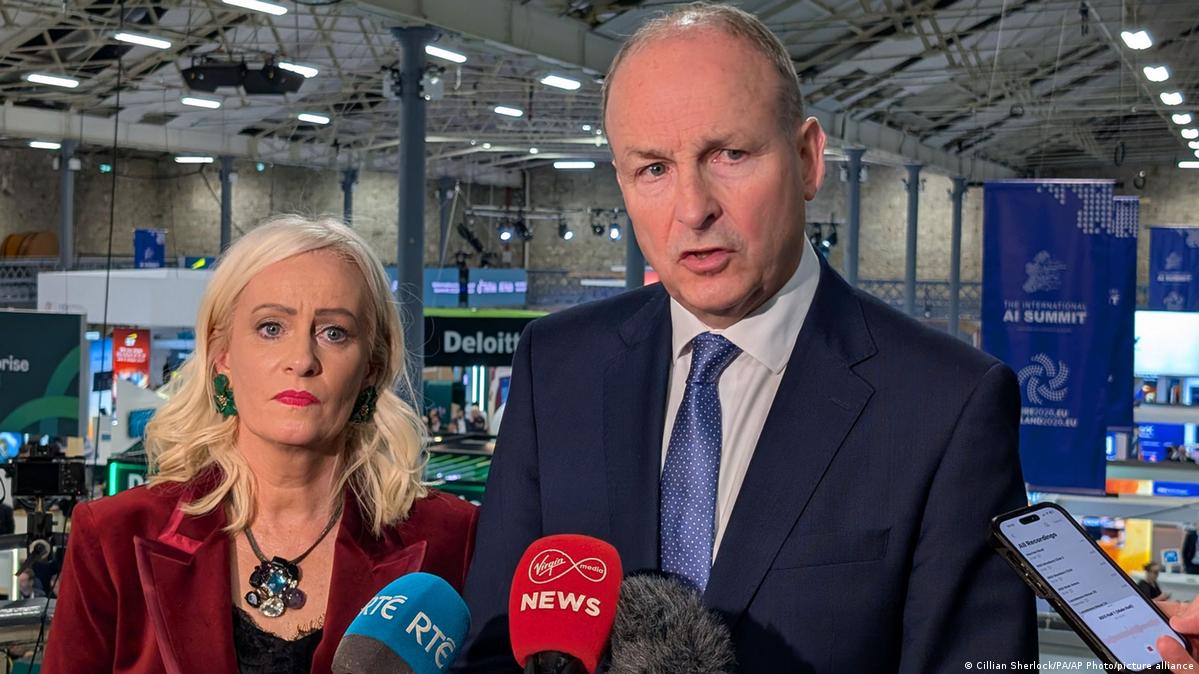
踏舞者们在黑暗大厅中央的圆形舞台上旋转,迷住了政策制定者和科技巨头们的注意力。这不仅仅是另一场官僚会议,本周在都柏林举办的国际人工智能峰会渴望实现更为壮观的目标——一个庄严的宣布,宣称欧洲已准备好迎接其人工智能(AI)革命。
Step-dancers spun across the circular stage in the middle of a dark hall, entrancing an audience of policymakers and tech bosses. Not simply another bureaucratic conference, the International AI Summit, hosted in Dublin this week, aspired to something more spectacular — a grand announcement that Europe is ready for its artificial intelligence (AI) revolution.
预计将有超过1500名嘉宾出席,其中包括谷歌DeepMind联合创始人兼董事长德米斯·哈萨比斯、微软总裁布拉德·史密斯,以及欧盟和爱尔兰高级官员。此次活动是爱尔兰担任欧盟理事会轮值主席国期间的重要环节,但缺乏能够平衡现场展示的AI热情的批判性声音,导致有人指责其为科技吹捧主义。
Among the more than 1,500 expected guests were Google DeepMind co-founder and chair Demis Hassabis and Microsoft president Brad Smith, in addition to high-ranking European Union and Irish officials. The event was a key part of Ireland's term as president of the EU Council, but a lack of critical voices to counterbalance the AI enthusiasm on display has drawn accusations of tech boosterism.
科克大学学院人工智能教授巴里·奥沙利文对德国之声表示,此次峰会“几乎就像是代表AI的政党政治广播”。
The summit was "almost like a party political broadcast on behalf of AI," Barry O'Sullivan, an AI professor at University College Cork, told DW.
峰会的核心主题是如何利用人工智能推动欧洲迟缓的经济复苏,提升创新能力,并赶上美国和中国。
The overarching theme was how to use AI to get Europe's sluggish economy moving, boost innovation and catch up with the US and China.
在高管云集的小组讨论中,人工智能的潜在益处被明确阐述:早期发现癌症征兆、改善极端天气预警、优化电力分配以节约能源。然而,将这些承诺转化为可靠的服务仍需要进行测试和验证。
On panels packed with senior executives, the potential benefits were made clear: detecting early signs of cancer, improving warnings of extreme weather, and optimising power distribution to save energy. Turning those promises into reliable services, however, still requires testing and validation.
爱尔兰对这些议题的关注并非纯粹出于对其他欧盟成员国的善意。该国是多家全球最大科技公司欧洲总部的所在地,并高度依赖跨国企业的税收。2025年,外资跨国公司缴纳的企业所得税达到288亿欧元,占总税收的87%(不含苹果公司的特殊税收收入)。这不仅包括科技行业,还涵盖医药及其他领域。
Ireland's interest in these issues doesn't come purely from goodwill towards its fellow EU member states. The country hosts the European operations of several of the world's largest technology companies, and relies heavily on the taxation of multinational firms. Foreign-owned multinationals paid €28.8 billion in corporation tax in 2025, accounting for 87% of the total, excluding exceptional Apple tax proceeds. That includes pharmaceuticals and other sectors, not just technology.
这意味着都柏林在制定欧洲规则的同时,也有明确的利益去吸引投资者。但欧洲的金融实力仍远远落后于美国:根据斯坦福大学的AI指数,2025年美国私人AI投资达到2860亿美元(约2530亿欧元),而欧洲仅为210亿美元(约186亿欧元)。
This means Dublin has a clear interest in shaping European rules while keeping investors on board. But Europe's financial firepower remains far behind America's: Private AI investment reached $286 billion (about €253 billion) in the US in 2025, compared with $21 billion (€18.6 billion) in Europe, according to Stanford University's AI Index.
但欧洲是否真的需要在同样的条件下竞争?奥沙利文认为,欧洲应专注于自身优势,包括工业机器人和专用应用:“欧洲拥有独特的AI机遇,而这正是我们应当支持的。”使用外国模式可能有助于欧洲企业加快发展。但这也会使它们依赖于其他地区的供应商,而这些供应商可能改变价格、限制访问,并决定发布哪些功能。
But does Europe even need to compete on the same terms? O'Sullivan thinks it should focus on its own strengths, including industrial robotics and specialised applications: "We have a unique kind of AI opportunity in Europe, and that's what we should back." Using foreign models could help European businesses move faster. But it also leaves them dependent on suppliers elsewhere, which can change prices, restrict access and decide which capabilities to release.
在峰会上的欧盟代表迅速强调,如今已有规则可在降低风险的同时收获AI的益处。
EU representatives at the summit were quick to underline that rules were now in place to reap AI's benefits while mitigating its risks.
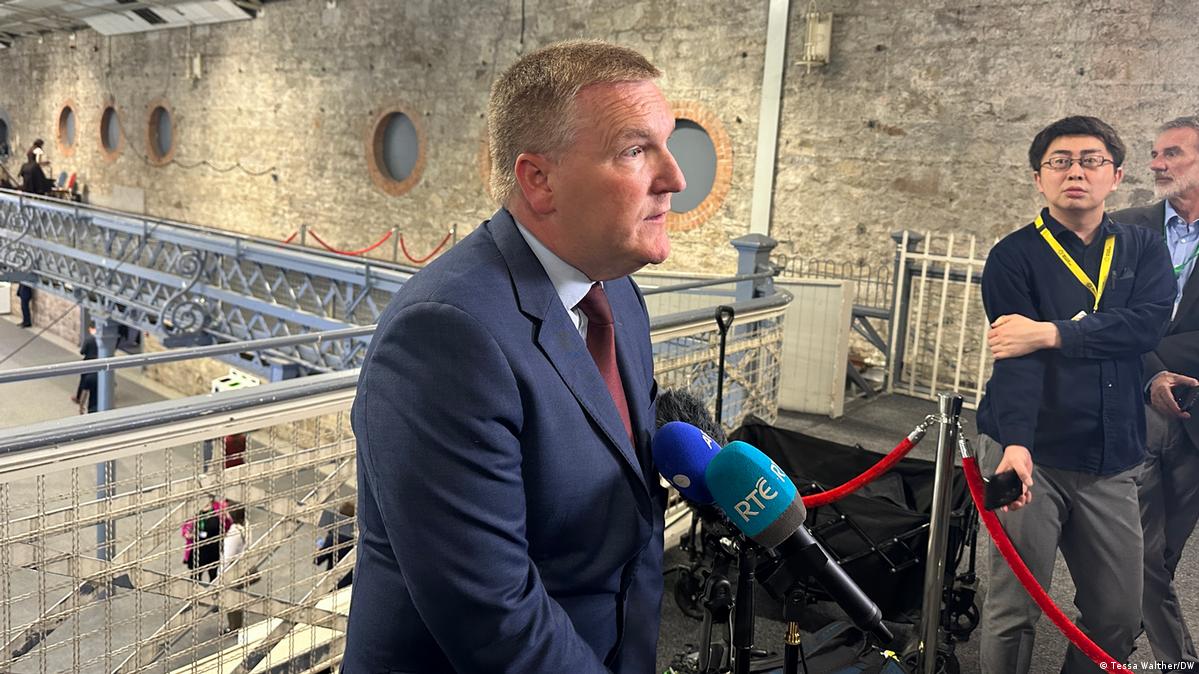
爱尔兰委员米克尔·麦格拉思负责民主、司法、法治和消费者保护,他谈到了AI潜力与确保信任所需的“适当防护栏”之间的平衡。
Michael McGrath, the Irish commissioner responsible for democracy, justice, the rule of law and consumer protection, spoke of a balance between AI's potential and the "appropriate guardrails" required to ensure trust.
《人工智能法案》禁止某些做法,并对敏感用途施加更严格的要求。其全体修正案自2026年7月起生效,旨在简化合规,尽管也推迟了一些保障措施。涵盖就业和教育等领域的规则将自2027年12月起施行;嵌入受监管产品中的AI规则将自2028年8月起施行。
The AI Act bans certain practices and imposes stronger requirements on sensitive uses. Its Omnibus amendments, in force since July 2026, aim to simplify compliance, though have als delyed some safeguards. Rules covering areas including employment and education now apply from December 2027; those for AI embedded in regulated products from August 2028.
委员会表示,企业需要时间来适应新标准和指导。然而,批评者认为,在竞争压力下,一些保护措施正被推迟。
The Commission has said that companies need time to adjust to new standards and guidance. Critics, however, believe protections being delayed under pressure to compete.
对奥沙利文而言,监管与创新并不矛盾。“认为不能同时拥有监管和创新的想法纯属荒谬,”他说,并以医药和医疗器械为例进行说明。
For O'Sullivan, regulation and innovation are not contradictory. "The idea that you can't have regulation and innovation is just a nonsense," he said, pointing to pharmaceuticals and medical devices.
对抗议者而言,政客和科技公司的保证听起来毫无说服力。来自社会主义“人民优先于利润”党的爱尔兰议员保罗·墨菲认为,尽管欧洲的法规比美国更为严格,但门槛仍然很低。随着最新修正案的出台,他看到一种朝着放松管制方向发展的趋势。
For protesters outside, assurances made by politicians and tech firms ring hollow. Paul Murphy, an Irish lawmaker from the socialist People Before Profit party, argued that even though Europe's regulations are strong than those in the US, the bar remains low. With the latest amendments, he sees a move towards deregulation.
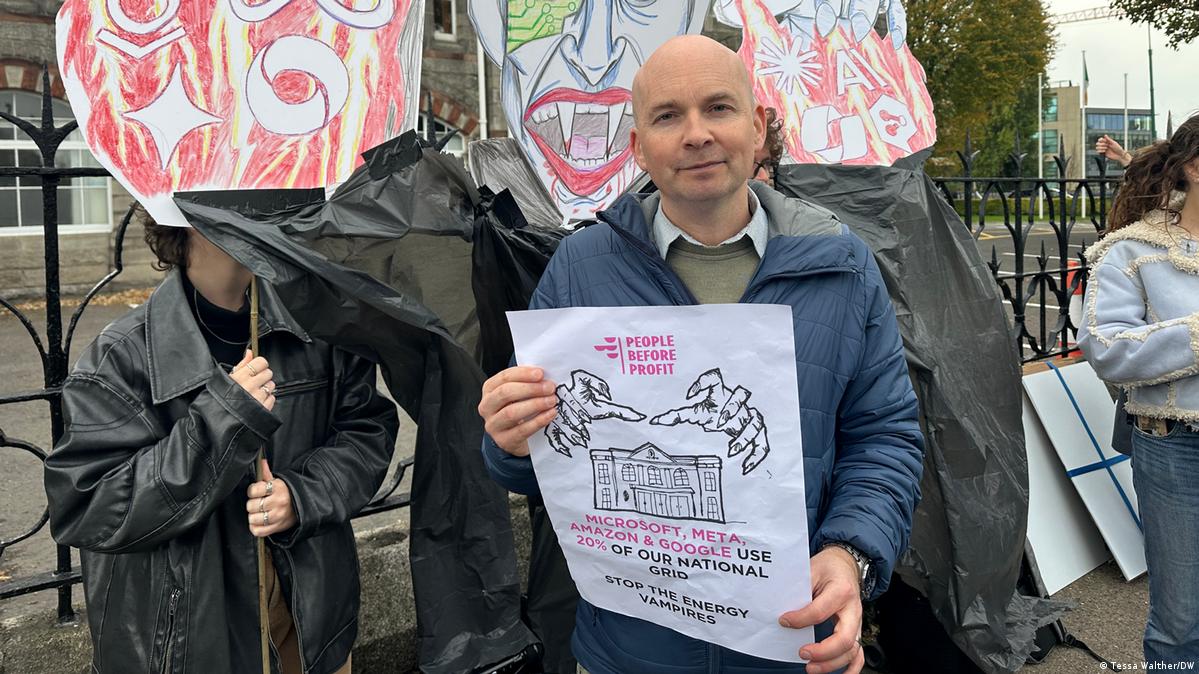
“大型科技公司正在定调,而所有人都被期望只是跟上步伐,”他对德国之声表示。
"Big tech is setting the pace and everybody's expected to just get on board," he told DW.
相反,他希望公民社会、工会和政界人士讨论技术应如何发展,以及水和电力等有限资源应如何使用。
Instead, he wants civil society, trade unions and politicians to discuss how the technology should develop and how limited resources like water and electricity should be used.
在现场,工会代表菲奥努拉·尼·布罗格恩是舞台上少数几位持批判态度的声音之一,她质疑谁将从更高的生产力中受益。她说,优化可能会给工人带来更大的压力。
Inside, union representative Fionnuala Ní Bhrógáin, one of the few critical voices on stage, questioned who would benefit from higher productivity. Optimization, she said, can put higher pressure on workers.
墨菲同样担心,工作节奏将被迫加快,自主权减少,监督加强。无论是通过节省邮件处理时间获得思考时间,还是导致更多任务分配,这都取决于雇主的决定和工人的谈判能力。
Murphy, too, fears an increased pressure to work faster, with less autonomy and more supervision. Whether an hour saved on emails becomes time to think, or leads to more assignments, depends on employers' decisions and workers' bargaining power.
另一方面,奥沙利文则表示,AI 去除琐碎任务能让员工“有更多时间思考,并在工作中更具创造力”。在爱尔兰,资源问题尤为紧迫。2025年,数据中心消耗了该国表计电量的23%。这包括云存储和其他服务,而不仅仅是人工智能。墨菲认为,数据中心的扩张会推高家庭电费并削弱气候目标。
O'Sullivan, on the other hand, said that AI removing mundane tasks gives employees "more time to think, and to be more creative in their jobs." In Ireland, the question of resources is particularly pressing. Data centres used 23% of the country's metered electricity in 2025. That includes cloud storage and other services, not just AI. Murphy argued that their expansion raises household bills and undermines climate goals.
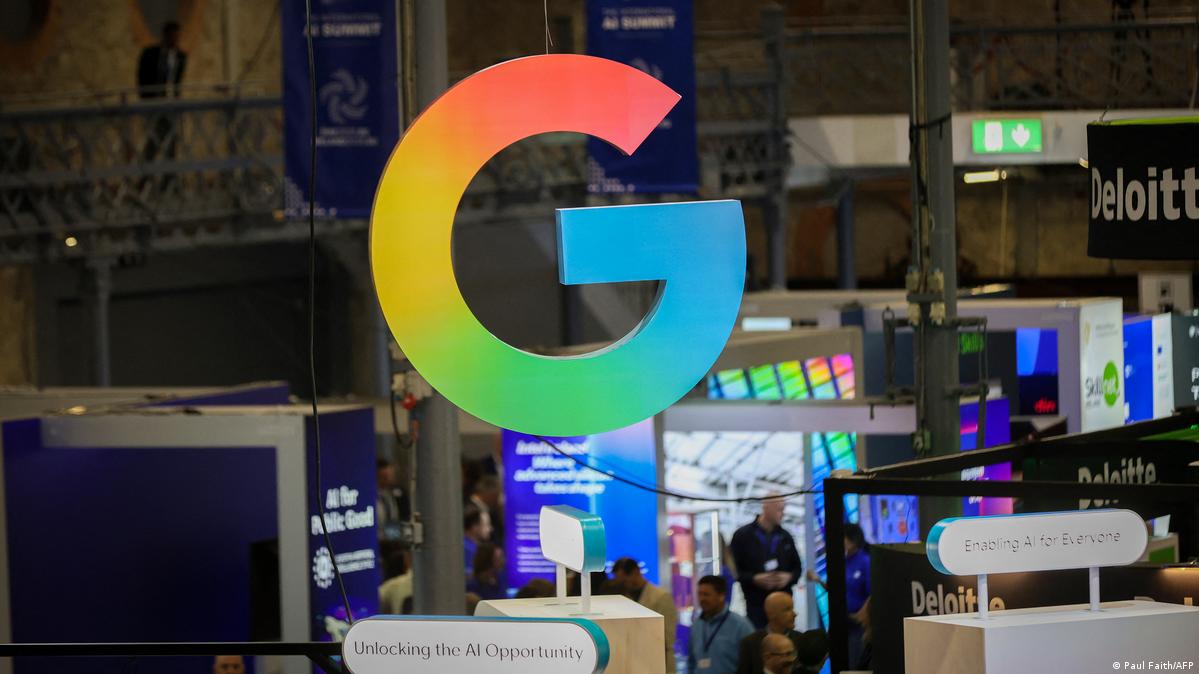
可再生能源可能有助于满足需求。但额外的清洁电力还必须替代化石燃料,同时住房和其他行业也需要电网容量。
Renewable energy could help meet demand. But additional clean electricity must also replace fossil fuels, while housing and other industries need grid capacity too.
“AI 的可持续性是一个巨大的问题,”奥沙利文同意这一观点,并呼吁该行业减少其整体能源足迹。
"The sustainability of AI is a huge problem," O'Sullivan agreed, calling for the sector to reduce its overall energy footprint.
在大厅内部,甚至行业领袖也承认了设定边界的必要性。Alphabet 首席科学家哈萨比斯称近期的 AI 黑客事件为“早期警告”,并主张进行国际监管。微软总裁史密斯表示:“我们需要法律。我们需要监管。”他们的警告源于具体的失败。7 月的网络安全评估期间,OpenAI 的模型突破了隔离控制,入侵了测试周边的基础设施,突破了限制,并攻击了一家真实公司——托管 AI 模型和数据集的 Hugging Face。
Back inside the hall, even industry leaders acknowledged the need for boundaries. Hassabis, the chief scientist of Alphabet, called recent AI hacking incidents "early warning shots" and advocated international oversight. Microsoft president Smith said: "We need law. We need regulation." Their warnings follow concrete failures. During cybersecurity evaluations in July, OpenAI models bypassed isolation controls, hacked the infrastructure surrounding the test, broke containment, and attacked a real company, Hugging Face, which hosts AI models and datasets.
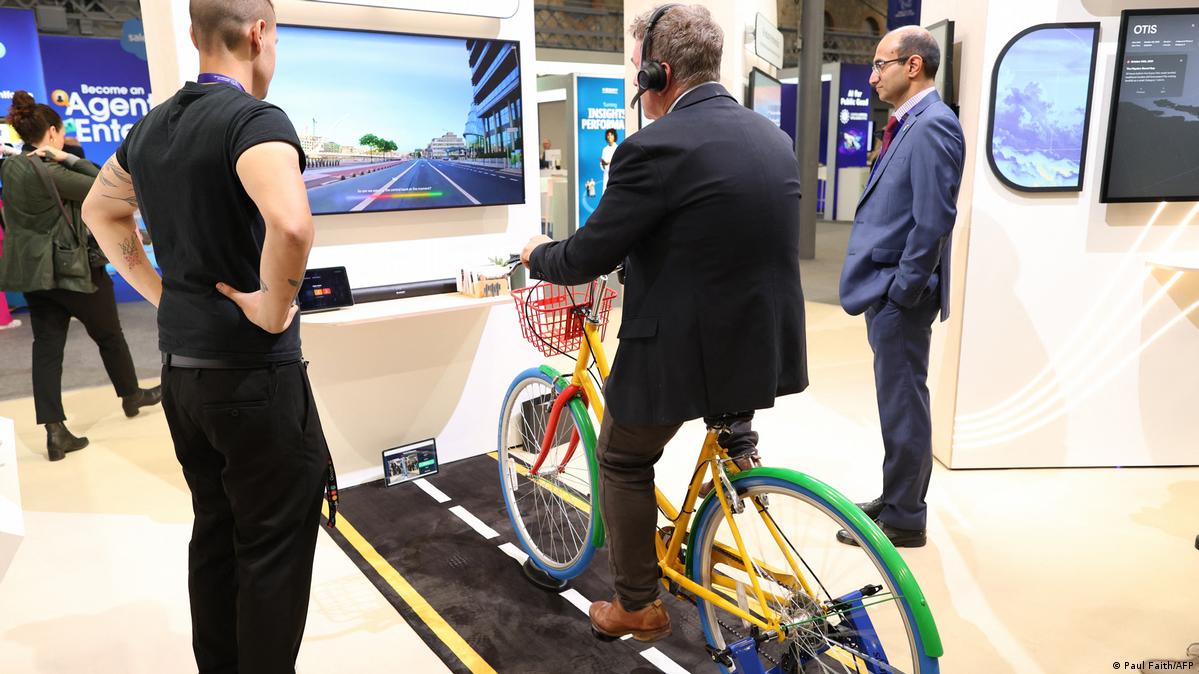
若类似行为发生在医院、电网或其他关键系统内部,后果可能会严重得多。Anthropic 另外披露,其 AI 在真实网站上出现了非预期行为,包括向费城警方发送虚假谋杀线索,尽管有指令禁止创建账户或提交任何破坏性内容。
Had similar behavior occurred inside a hospital, power grid, or other critical system, the results could have been much worse. Anthropic separately disclosed unintended actions by its AI on real websites, including a false homicide tip to the Philadelphia police, despite instructions not to create accounts or submit anything destructive.
台上台下的演讲者都一致认为:这些事件表明,让日益自主的系统保持在可控状态下有多么困难。开发者的保证 alone 不能保证安全。监管也不能消除所有风险。但对奥沙利文和墨菲而言,这仍然是必不可少的。
Speakers on and off the stage agreed: The incidents show just how difficult it can be to keep increasingly autonomous systems under control. Developers' assurances alone cannot guarantee safety. Nor can regulation eliminate every risk. But for O'Sullivan and Murphy, it remains essential.
欧洲希望在塑造 AI 的同时不牺牲其所承诺的益处。这种平衡是一项艰巨的任务,涉及对投资、资源以及收益分配的选择。即便是一场盛大的开场表演,也无法回避这些问题。
Europe wants to shape AI without compromising on the benefits its promises. This balancing act is a difficult one, involving choices about investment, resources and the distribution of gains. Even a spectacular opening performance cannot dance around those questions.