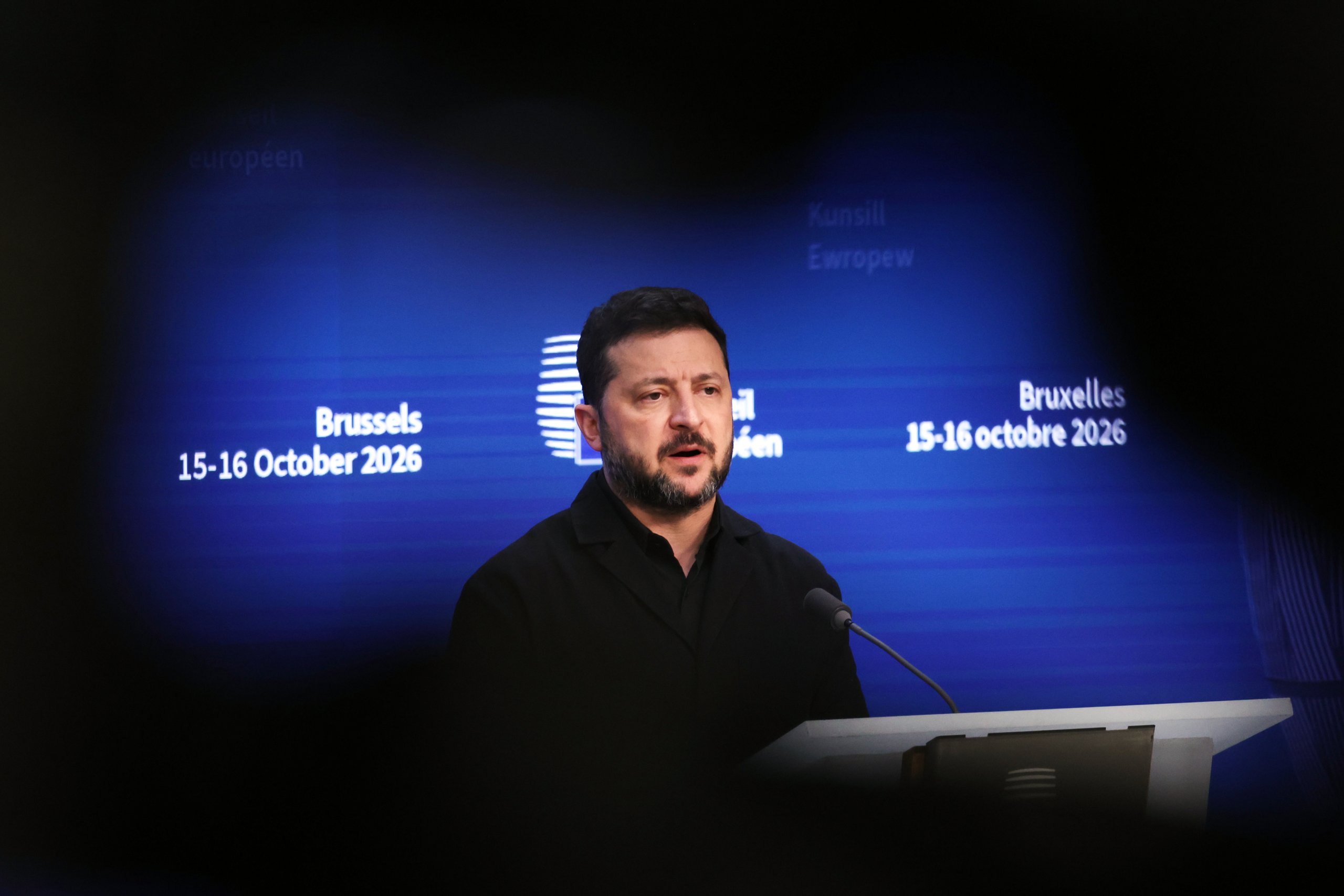
BRUSSELS — 乌克兰总统弗拉基米尔·泽连斯基周五警告称,如果他的国家被俄罗斯击败,多达2000万乌克兰人可能被迫逃往欧洲。
BRUSSELS — Ukrainian President Volodymyr Zelenskyy warned Friday that as many as 20 million Ukrainians could be forced to flee to Europe if his country falls to Russia.
“俄罗斯正在杀死我们,”泽连斯基在欧盟领导人峰会期间的周五新闻发布会上对记者说,并补充道乌克兰人正被“推”出自己的国家。“他们[俄罗斯]不想停止。”在俄罗斯全面入侵的早期,数百万乌克兰人逃离家园,成为自二战以来欧洲规模最大、发展最快的难民危机。如今,根据欧盟统计局的数据,超过400万乌克兰人在欧盟国家以临时保护身份居住,其中德国、波兰和捷克的人口最多。
“Russia is killing us,” Zelenskyy told reporters at a press conference on Friday during a summit of European Union leaders, adding Ukrainians were being “pushed” out of their country. “They [Russia] don’t want to stop.”In the early days of Russia’s full-scale invasion, millions of Ukrainians fled their homes in Europe’s fastest and largest refugee crisis since World War II. Today, over 4 million Ukrainians live in EU countries under temporary protection status, with the largest populations in Germany, Poland and Czechia, according to Eurostat.
泽连斯基的这一严峻警告是在乌克兰进入俄罗斯轰炸下的残酷第五个战时冬天之际发出的。根据国际货币基金组织的预测,基辅明年将面临3000万至3500万美元的预算缺口——即使考虑到布鲁塞尔去年同意提供的900亿欧元贷款。
Zelenskyy’s stark warning comes as Ukraine heads into a brutal fifth wartime winter under Russian bombardment. Kyiv faces a budget shortfall of $30 to $35 million next year, according to projections from the International Monetary Fund — even accounting for a €90 billion loan Brussels agreed to provide last year.
乌克兰总统前往布鲁塞尔与欧洲领导人会面,以争取财政支持,援助他的陷入困境的国家。虽然欧盟是乌克兰最坚定的支持者,但该集团的优先事项清单上堆满了不断上升的能源成本、即将到来的选举、地缘政治危机以及对其2万亿欧元预算的僵局。
The Ukrainian president traveled to Brussels to meet with European leaders and shore up financial support for his embattled country. While the EU is Ukraine’s staunchest backer, the bloc’s list of priorities is stacked with rising energy costs, looming elections, geopolitical crises and an impasse over its €2 trillion budget.