“我知道总统有权赦免,但国会能否通过一项法律,规定只有在人被定罪后才能获得赦免?或者通过一项法律,规定必须申请赦免并说明其参与的犯罪活动,总统才能行使赦免权,这样每个人都能知道他们犯了什么罪?” — 贝克嗨,贝克,我认为这两个问题的答案都是“不。”赦免权是总统享有的广泛宪法权力。
“I know the President has the power to pardon, but can Congress pass a law that says a person must be convicted before they can be pardoned? Or a law that says they must apply for a pardon stating what criminal activity they engaged in before the President can use the pardon power, so everyone knows what crime(s) they committed?” — Bec J Hi Bec, I think the answer to both questions is “no.”The pardon power is a vast constitutional authority belonging to the president.
当然,这项权力也有限制。它仅适用于联邦罪行,而不适用于州罪行。它仅在罪行发生后才适用;赦免不是未来犯罪的许可证。总统也不能赦免弹劾,因此这是宪法留给国会的一个领域。
To be sure, the power has limits. It applies to federal, not state, crimes. It applies to those offenses only after they occur; pardons aren’t permission slips to commit crimes in the future. Presidents also can’t pardon impeachments, so that is one area that the Constitution has carved out for Congress.
除此之外,最高法院曾将赦免权称为“无限制的”,并在1866年的一起案件中写道,它“适用于法律已知的每一种罪行,并且可以在罪行发生后的任何时候行使,无论是在法律程序开始之前、进行中,还是在定罪和判决之后。”
Beyond that, the Supreme Court has called the power “unlimited,” writing in an 1866 case that it “extends to every offence known to the law, and may be exercised at any time after its commission, either before legal proceedings are taken, or during their pendency, or after conviction and judgment.”
在强调国会在此领域权力的局限性(弹劾除外)时,法院在同一案件中表示:“总统的这项权力不受立法控制。国会既不能限制其赦免的效果,也不能将任何一类罪犯排除在其行使范围之外。赋予他的仁慈恩典特权不得受到任何立法限制的束缚。”在此背景下,我们可以看出国会在此问题上受到严格限制。
Highlighting the limits of congressional authority in this area (outside of impeachment), the court said in that same case, “This power of the President is not subject to legislative control. Congress can neither limit the effect of his pardon, nor exclude from its exercise any class of offenders. The benign prerogative of mercy reposed in him cannot be fettered by any legislative restrictions.”Against that backdrop, we can see why Congress is severely limited here.
当然,国会可以因总统滥用权力而对其进行弹劾并将其罢免。即使总统普遍情况下可以自我赦免(这是我们上周探讨的话题),赦免权的弹劾例外也意味着他们无法豁免自己免受这些政治程序的约束。
Of course, it can impeach and remove the president for corruptly using his power. Even if a president could pardon themselves generally (a topic we explored last week), the impeachment exception to the pardon power means they wouldn’t be able to exempt themselves from those political proceedings.
考虑到这一背景,我认为法院会说国会无法通过您提出的两项法律中的任何一项。我也认为,即使国会有能力通过此类法律,也应当考虑一些因素,这些因素可能会警示我们不要通过此类法律,其中包括保护无辜者免受不公正起诉的考量。
With that background in mind, I think the courts would say that Congress can’t pass either of the two laws you suggest. I also think there are considerations to keep in mind that might caution against passing such laws even if Congress could, including the consideration of protecting the innocent from unjust prosecutions.
首先,考虑国会是否能通过一项法律,规定“只有在被定罪后才能获得特赦”。这将与法院的观察相冲突,即特赦权“可以在犯罪行为发生后的任何时候行使”——甚至“在法律程序启动之前”。这一观察得到了特赦权宪法文本的明确支持,该文本中并未包含定罪的要求。
Start with whether Congress can pass a law that says “a person must be convicted before they can be pardoned.”That would run up against the court’s observation that the pardon power “may be exercised at any time after its commission” — even “before legal proceedings are taken.”That observation is supported by the plain constitutional text of the pardon power, which contains no conviction requirement.
同样,规定“赦免申请者必须在总统使用特赦权之前申请赦免,并说明其在总统行使特赦权之前所从事的刑事活动,以便每个人都知道他们犯了什么罪”也会遇到类似问题。宪法中并未规定任何人必须申请赦免,更不用说要求他们在申请时描述自己的刑事活动了。因此,这样的法律看来会对总统的特赦权造成不当干扰。虽然除了特朗普总统以外的其他总统曾依赖标准化的申请流程,但他们是否这样做完全取决于他们自身,而非国会。
There would be a similar problem with a law that says clemency hopefuls “must apply for a pardon stating what criminal activity they engaged in before the President can use the pardon power, so everyone knows what crime(s) they committed.”Nothing in the Constitution says a person must apply for a pardon at all, much less that they need to describe their criminal activity in doing so. Such a law would therefore seem to interfere unduly with the president’s power. While presidents besides Donald Trump have relied on a standardized application process, whether they do so is up to them, not Congress.
结合我上面提到的无辜者问题,在思考这两项假设法律时,请考虑以下情景:如果总统希望通过特赦来纠正对某人的不公正起诉,我们就不希望这样的人被迫承认自己并未犯下的罪行。
Tying in the innocence point I flagged above, consider the following in thinking about both of these hypothetical laws: What if a president wants to right a wrong by pardoning someone who was unjustly prosecuted? We would not want such a person to have to confess to a crime they didn’t commit.
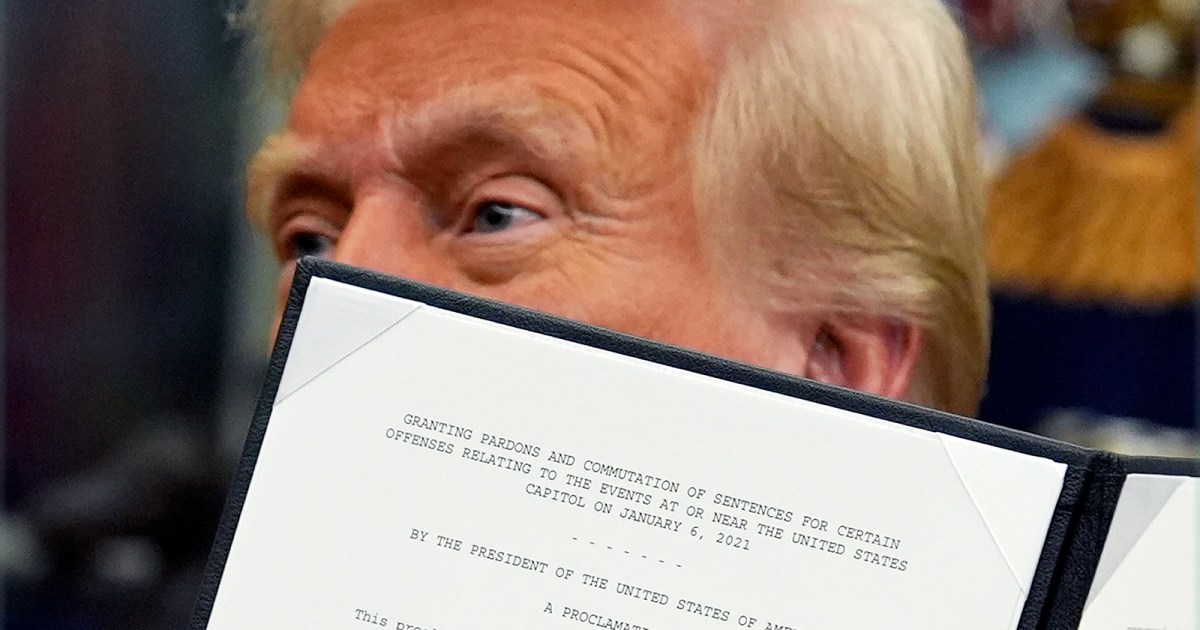
或者,假设有一个无辜的人根本没有被指控犯有任何罪行,而一位即将离任的总统担心他们的继任者有意陷害这个无辜的人?从乔·拜登的角度来看,当他提前赦免安东尼·福奇以及他担心会成为特朗普第二任期报复行动目标的其他人时,他正面临这种情况。如果当时这些法律已经存在,拜登就无法发布那项保护性特赦。
Or, what if there were an innocent person who hadn’t been charged with any crime, and an outgoing president was concerned that their successor was intent on railroading this innocent person? From Joe Biden’s perspective, that was the situation he faced when he preemptively pardoned Anthony Fauci and others he feared would be targeted by Trump’s second-term retribution campaign. Had those laws been in place at the time, Biden could not have issued that protective clemency.
无论人们对拜登或特朗普的赦免持何种看法,如果国会认真考虑改革这一巨大的总统权力,那么它就需要推动一项宪法修正案来改变这一权力——这一权力牢牢掌握在行政部门手中,直到宪法另有规定为止。
Whatever one thinks of Biden’s or Trump’s pardons, if Congress is serious about reforming this massive presidential power, then it would need to advance a constitutional amendment to alter that power, which is firmly in the executive’s control until the Constitution says otherwise.
最终,这一切都需要一个愿意行动的国会。与此同时,这场讨论强化了我在回答先前关于赦免的问题时得出的观点:“对抗赦免权腐败行使的最佳方式——也许也是唯一真正的方式——就是不要选举腐败的总统。”
Ultimately, any of this would require a Congress that is willing to act. In the meantime, this discussion reinforces a point that I landed on when answering a prior question about pardons: “the best way — maybe the only real way — to combat the corrupt exercise of the pardon power is to not elect corrupt presidents.”