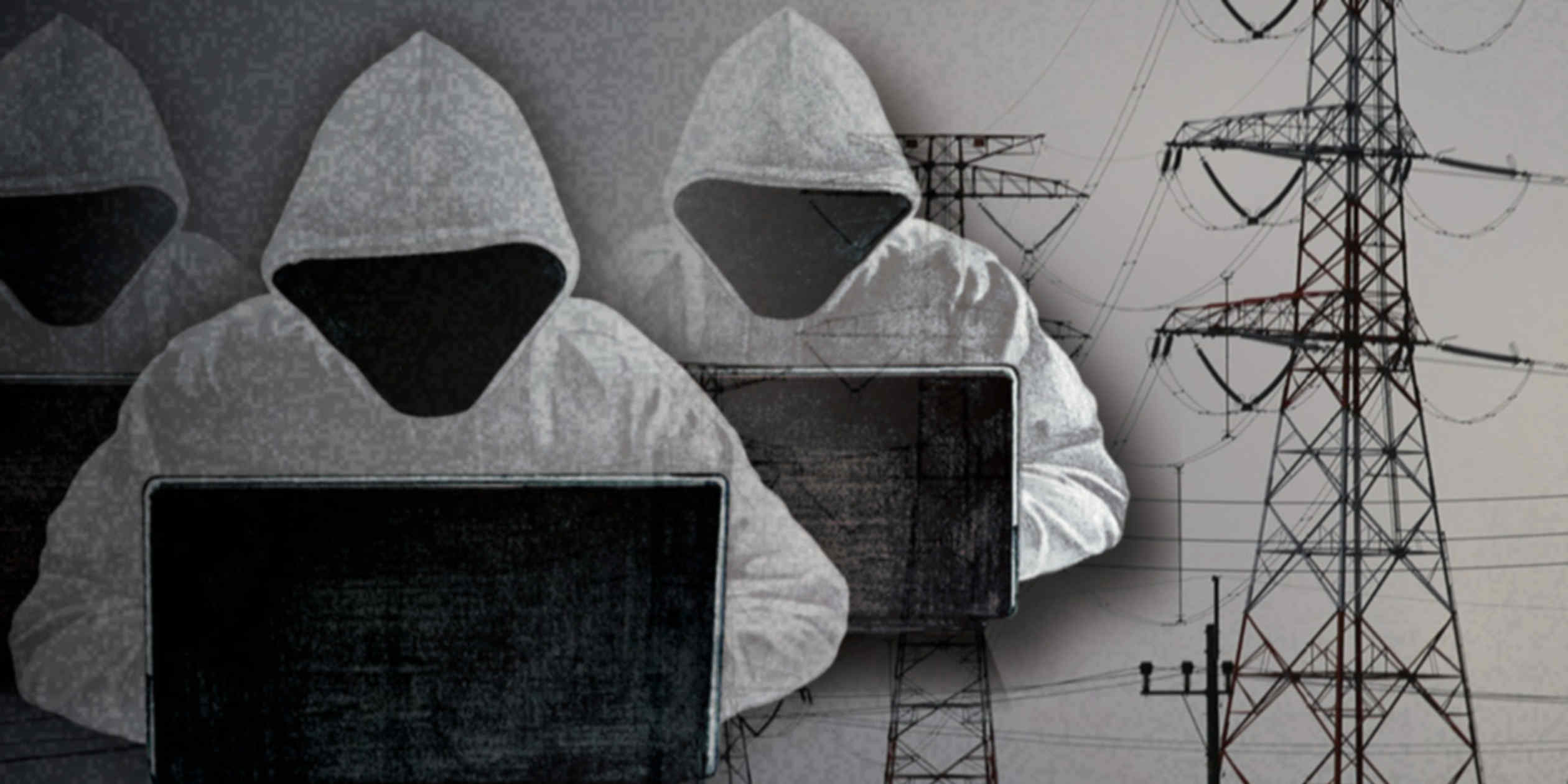
东京 — — 试图破坏日本电力供应的网络恐怖分子,如果利用连接到电网的住宅设备网络,将面临数千万个潜在目标。
TOKYO -- Cyberterrorists seeking to disrupt Japan's electricity supply have tens of millions of potential targets if they exploit the network of residential devices connected to the grid.
日本公司近期遭遇一系列网络攻击,暴露出网络安全方面的薄弱环节。但企业界并不是唯一脆弱的领域。家庭中的联网设备 — — 比如全国已安装的8000万智能电表 — — 已成为黑客的软肋目标。
Japanese companies have been the target of a recent spate of cyberattacks, exposing weaknesses in cybersecurity. But the corporate world isn't the only vulnerable place. Connected devices in homes -- such as the 80 million smart meters installed nationwide -- have emerged as soft targets for hackers.
电力基础设施遭受网络攻击,可能影响东京都市圈数千万个人和企业。
Power infrastructure cyberattacks could affect tens of millions of individuals and businesses in the Tokyo metropolitan area.
“过去,恐怖组织及类似行为体会瞄准核电站,”电力供应管理公司Energy Pool Japan首席执行官市村武士说。“如今,无数[目标]潜藏在我们身边更近的地方。”考虑到家庭储能系统、空调和电动汽车,通过互联网连接到电网的设备估计超过1亿台。
"In the past, terrorist organizations and similar actors would target nuclear power plants," said Takeshi Ichimura, CEO of the power supply management firm Energy Pool Japan. "Now, countless [targets] lurk much closer to us." With home power storage systems, air conditioners and electric vehicles thrown in the mix, there are an estimated 100 million-plus devices connected to the power grid through the internet.
发电厂和变电站长期被视为网络攻击的目标。根据内务省数据,日本约有2万座此类设施。但若将家庭联网设备纳入考量,潜在目标数量将激增至传统规模的5000倍。
Power plants and substations have long been considered targets for cyberattacks. There are about 20,000 of those facilities in Japan, according to the Ministry of Internal Affairs and Communications. But the number of potential targets balloons to 5,000 times the conventional scale when connected home devices are taken into account.
日本政府正在采取预防措施。主动网络防御立法于10月1日生效,要求电力公司及时报告任何确认的未经授权数据访问或恶意软件感染。
The Japanese government is taking preventative action. Legislation for active cyberdefense went into effect on Oct. 1, obligating power companies to promptly report any confirmed unauthorized data access or malware infections.
自10月1日起,警方和自卫队在检测到未经授权访问且存在严重损害风险时,可关闭发起攻击的服务器。
Also starting Oct. 1, police and the Self-Defense Forces can shut down a server from which an attack originates if unauthorized access is detected and there is a risk of serious harm.
私营部门也在就此问题采取行动。美国人工智能开发公司Anthropic推出了一项旨在保护电力和供水系统等关键基础设施免受网络攻击的计划。日立和三菱电机的子公司是全球参与该计划的11家公司之一。
The private sector is moving on the issue as well, with U.S. artificial intelligence developer Anthropic launching a program aimed at protecting critical infrastructure such as electricity and water systems from cyberattacks. Hitachi and a Mitsubishi Electric subsidiary are among the 11 companies participating worldwide.
家庭储能系统通过储存多余电力来作为电网的缓冲,以防止停电,这些电力在公用事业输出不足以满足需求时可供使用。由于储能系统可以远程控制,因此可能被黑客入侵。
Home power storage systems serve as buffers for the grid to prevent blackouts, since they store surplus power that would be available when the output from utilities falls short of demand. Since the battery systems can be controlled remotely, they could be hacked.
对住宅区储能系统网络的网络攻击可能同时切断电力输出,从而在广范围内导致停电。
A cyberattack on a network of homes could simultaneously shut off the electricity discharge from power storage systems, potentially causing a blackout over a wide area.
最近几周,日本发生了一系列备受关注的网络攻击事件。汽车共享服务公司Times Car在9月底宣布发生了大规模数据泄露。本周被曝出,为地方政府提供防灾数据的Arcadia同样遭到黑客入侵。
There has been a series of high-profile cyberattacks in recent weeks in Japan. Times Car, a vehicle-sharing service, announced a massive data breach at the end of September. Arcadia, a disaster prevention data provider for local governments, was similarly compromised by hackers, it was revealed this week.
从4月起,安装在储能系统及其他连接到电网的设备上的电信设备将被要求具备JC-STAR认证,以表明符合网络安全规定。然而,违规行为没有强有力的处罚。
Starting in April, telecommunication devices installed in power storage systems and other equipment hooked to the grid will be required to have JC-STAR certification indicating compliance with cybersecurity stipulations. However, there are no strong penalties for violations.
批评者表示,由于安全监管松散和投资能力不足,尤其是中小企业,日本面临的网络安全风险水平高于欧洲和其他地区。
Critics say Japan faces a high level of cybersecurity risk compared with Europe and other regions due to lax security regulations and a lack of investment capacity, especially among small and midsized enterprises.
“很容易想象,敌对欧洲和日本的国家的特工会选择日本作为他们的目标,”一位电力行业人士表示。
"It's easy to imagine that agents from countries hostile to both Europe and Japan would choose Japan as their target," said a power industry source.