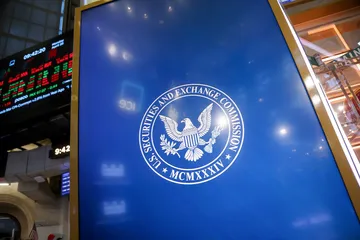
小作为对意外后果定律的潜在考验,美国证券交易委员会发布了一项规则提案,这将使私募股权、风险投资和私募资本基金管理者更容易吸引 — — 并动用 — — 散户投资者的储蓄。
Jr. In a potential test of the law of unintended consequences, the Securities and Exchange Commission has released a rule proposal that would make it far easier for private equity, venture capital and private capital fund managers to attract — and tap into — the savings of retail investors.
按照目前的写法,该提案将使普通投资者能够将储蓄直接投入私募基金管理者手中,而此前只有更为精通投资的投资者才需要支付的业绩费用,如今也将由普通投资者承担。
As written, the proposal would give average investors far greater ability to place their savings directly with a private fund manager, while paying performance fees that have until now been paid by more sophisticated investors.
数十年来,这些基金、策略以及表现最佳的管理者 — — 以及他们所创造的许多高于市场平均水平的回报 — — 对普通投资者而言基本上是封闭的。联邦监管机构认为,普通投资者无法理解或承受其中涉及的风险、晦涩的策略和费用结构。
For decades, those funds, strategies and best-performing managers — and the above-market returns many have produced — have largely been closed to average investors. Federal regulators reasoned that they wouldn’t understand or be able to stomach the risks, arcane strategies and fee structures involved.
此项提案似乎在摒弃这一顾虑,并拥抱让每个人都能获得此前仅对最富有的个人和主要机构开放、且已被证明极为成功的投资策略的目标。这也算是说得通。
This proposal appears to retire that concern and embrace the goal of giving everyone access to the kinds of strategies that have proven so fruitful for only the wealthiest individuals and major institutions. Fair enough.
但私募基金长期向普通投资者关闭也有其充分理由 — — 而这些理由仍然存在。
But there are good reasons that private funds have been largely off-limits to ordinary investors — and those reasons still exist.
投资于私募股权、私募信贷、风险投资及类似策略,其风险远高于普通投资。一方面,投资者必须做好将资金锁定多年的准备。这对大多数散户投资者来说将是全新的体验 — — 在市场下行时,这种体验尤其令人不快。
Investments in private equity, private credit, venture capital and similar strategies involve significantly more risk than ordinary investments. For one thing, you must be prepared to park your money for many years at a time. This would be a new experience for most retail investors — and in a market downturn, a particularly unpleasant one.
此外,私募基金还伴随着费用和“后门成本”(如行政、法律、信息技术等)。这些基金的管理者通常要求收取标准的“2和20”费用结构 — — 即每年收取基金资产的2%作为管理费,并抽取收益的20%作为业绩奖金。这些费用是否值得?学术研究表明,它们往往并不值得。一些管理者凭借出色的业绩来证明其费用和奖金的合理性。但在许多情况下,这些费用会大幅侵蚀投资收益。
Then there are the fees and “backdoor costs” (for administration, legal, information technology, etc.) associated with private funds. Their managers usually require a standard 2-and-20 fee — they pay themselves 2% of fund assets each year and take 20% of gains. Are they worth it? Academic studies show they often aren’t. Some justify their fees and bonuses with impressive performance. But in many cases, the fees water down those gains substantially.
但更大的风险在于,私募基金经理可以在客户不知情的情况下,以多种方式越界。考虑到SEC的提案允许私募基金经理在无需任何事先监管批准的情况下,为封闭式基金创建多个股份类别。
But the bigger risk is that there are so many ways a private fund manager can take liberties without clients knowing it. Consider the SEC proposal’s permission for private fund managers to create, without any prior regulatory approval, multiple share classes in a closed-end fund.
这可能成为严重滥用的温床。人们很容易想象一个基金设立两类股份 — — 一类面向通过高负荷、高费用经纪人进入的零售投资者,收取高额费用;另一类面向资金雄厚的养老基金、大学捐赠基金和超高净值个人,收取低额费用。
This is a potential source of significant abuse. One could easily imagine a fund creating two classes — one with high fees for retail investors who come in by way of high-load, high-fee brokers, and one with low fees for deep-pocketed pension funds, university endowments and ultra-wealthy individuals.
在基金经理如何评估资产以计算业绩费用方面,已经存在巨大且未受约束的利益冲突。为什么在突然涌入零售投资者资金的基金中就不会出现冲突呢?
There are already massive and unchecked conflicts of interest when it comes to how fund managers value assets to calculate their performance fees. Why wouldn’t there be conflicts in funds suddenly awash in cash from retail investors?
而且这些冲突可能难以被发现。私募基金经理可以轻易以公开募集基金运营所需的较高现金持有量为由,掩盖其相对业绩不佳的事实。在私募基金中,一切都取决于经理的一言一行,无论好坏。
And those conflicts could be tough to discover. A private fund manager could easily mask poor relative performance by citing the higher cash-on-hand requirements of running a public-access fund. In private funds, everything depends on the say-so of managers, for better or for worse.
这引出了外部监督的问题。机构投资者拥有专业团队,他们会深入私募基金的账册,监控资产并发现自己是否在估值、策略、管理费用和分配要求方面处于不利地位。零售投资者则没有这种能力。他们也不被期望具备这种能力。
Which raises the issue of external oversight. Institutional investors have teams of professionals poking around the books of private funds to monitor assets and discover if they’re getting the short end of valuations, strategies, management fees and distribution requirements. Retail investors don’t have that kind of muscle. They’re not expected to.
SEC的提案似乎并未以任何有意义的方式解决这种不匹配。私募基金经理无需在费用、流动性、透明度、治理或估值方面做出任何改变,甚至无需标准化任何内容。
The SEC’s proposal doesn’t seem to address this mismatch in any meaningful way. Private fund managers wouldn’t be required to change or even standardize anything on fees, liquidity, transparency, governance or valuations.
SEC的提案实际上是在假设,坐在看台上、曾在高中打过大学棒球的人应该出现在世界大赛的赛场上。选手们更强大。比赛节奏更快。
The SEC proposal is, in effect, pretending that the guy sitting in the bleachers who played varsity baseball in high school should be on the field in the World Series. The players are bigger. The game moves faster.
这是一种危险的局面,人们可能会受伤。问题不在于证券交易委员会的初衷是否高尚甚至富有成效,而在于它是否会以确定会带来巨额现金收益为代价,对私募基金经理施加任何纪律或改革。要求进行这样的检查将是一种更好的方法,也更具说服力。
It’s a dangerous situation, and people would get hurt. The question isn’t whether the SEC’s intentions here are noble or even productive. It is whether it would impose any discipline or reforms on private fund managers in return for what is certain to be a cash bonanza. Requiring such checks would be a better approach, and a more defensible one.
这些基金甚至也有自身利益去主张更严格的监督:他们需要考虑少数不良行为者对整个行业的影响。一个月表现出色的基金经理,下个月可能看起来像是头脑发热的傻子或骗子。只需询问Situational Awareness这只在夏季崩盘的200亿美元对冲基金的投资者就知道了。
The funds would even have some self-interest to want tighter oversight: They need to consider the impact of a few bad actors on their entire industry. The brilliant fund manager one month can look like a head-in-the-clouds fool or a charlatan the next. Just ask the investors in Situational Awareness, the $20 billion hedge fund that collapsed over the summer.
毫无疑问,私募基金的赞助方意识到这里存在的风险。他们无法通过说“我们的投资者知道自己在做什么”来开脱亏损、表现不佳甚至高额费用。这种说法对风险敏感的机构投资者可能成立,但对那些因看到宣传册而进入基金的散户投资者则不然。
Surely sponsors of private funds recognize the risks here. They wouldn’t be able to explain away losses, poor performance or even outsized fees by saying, “Our investors knew what they were getting into.”That works with institutions savvy to risk, but not with mom-and-pop investors who came into a fund because of a brochure.
参与这一提议的各方——监管机构和私募基金——都需要专注于使投资更具流动性、更低成本和更透明。私募基金却在朝着相反的方向发展。他们延长资产持有时间,延长锁定期要求,并尽力应对正在挤压其资产负债表的利率上升。一些基金甚至推出了“无固定清算日期”的“永续基金”——这是一种无论资产何时出售都能稳定获取管理费用的方式。人们很容易理解为:私募基金向散户投资者敞开大门,是因为他们急需资金——而且需要尽快到位。
Everyone involved in this proposal — regulators alongside private funds — needs to focus on making investing more liquid, less costly and more transparent. Private funds are moving in the other direction. They are holding onto assets longer, extending lockup requirements and trying their best to ride out interest-rate increases that are squeezing their balance sheets. Some are launching “perpetual funds” with no fixed wind-down date — a nice way to create a steady flow of management fees regardless of the timing of asset sales. One could be forgiven for thinking that private funds want to open their doors to retail investors because they need the money — and they need it soon.
如果证监会急于向私募基金授予此类准入权限,它应该要求基金资产在用于酬金目的时的估值必须由第三方进行。或者要求任何基金招募说明书用清晰的语言和图表说明费用和基于资本收益的酬金如何随时间影响投资者回报。运营良好的基金将不会难以满足这些期望。
If the SEC is eager to grant private funds this access, it should require that valuations of the funds’ assets for compensation purposes be conducted by third parties. Or that any fund prospectus illustrate in clear language and with graphs the effect of fees and capital gains-based compensation on investor returns over time. A well-run fund would have no problem meeting these expectations.
证监会不应做的是取消这些防护措施。请记住,当所有人都在追逐上涨行情中的收益时,让更多投资者进入市场总是看起来很好。但当形势逆转时,人们会质疑监管者为何如此不负责任,竟然让相对缺乏经验的投资者承担如此巨大的风险。
What the SEC should not do is get rid of the guardrails. Remember, getting more investors into the market always looks good when everyone is chasing gains on the way up. But when things turn the other way, everyone wonders how regulators could be so irresponsible in letting relative novices take such great risks.
这将导致一种监管反弹和过度繁重的新限制,而私募基金管理者尤其不会希望看到这种情况。而且考虑到他们收取的费用,这将比他们想象的更加昂贵。
It’s a recipe for the kind of regulatory snapback and overly burdensome new restrictions that private fund managers in particular won’t want. And given the fees they collect, it would be more expensive than they can imagine.