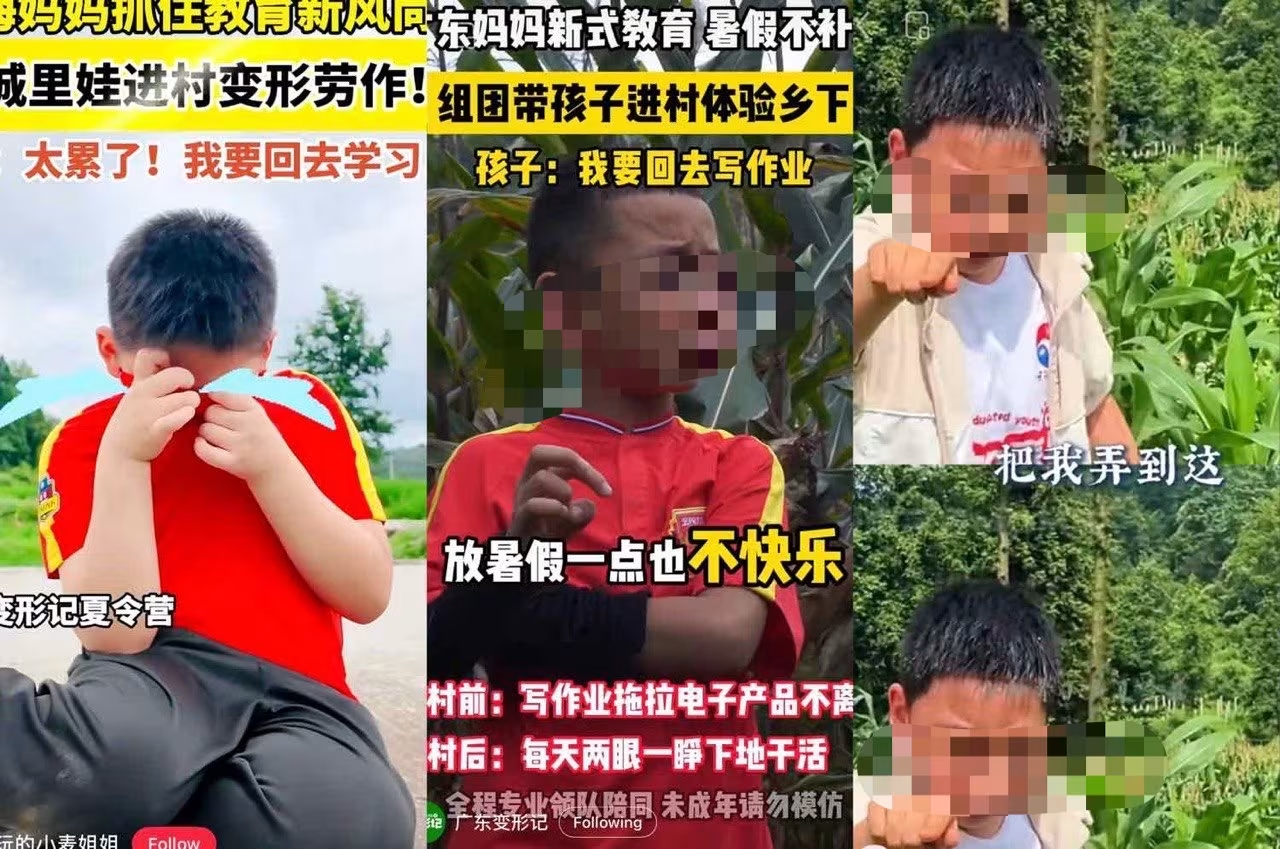
上海:“你花钱买机票,就是为了让我干这个活儿,”男孩哭喊着,指着镜头。“你觉得我会屈服吗?”
SHANGHAI: “You spent money on a plane ticket just to make me do this work,” the young boy wailed, pointing at the camera. “Do you think I'll give in?"
男孩被父母从上海送到贵州的山区,哭着抱怨着,但他还是干了活:劈柴、搬砖、拔田里的杂草。
Sent by his parents from Shanghai to the mountains of Guizhou, the boy cried and complained - but he did the work: chopping firewood, hauling bricks and pulling out weeds from the fields.
这段视频是今年夏天在中国社交媒体上泛滥的众多视频之一,画面中孩子们在农场劳动,边抽泣边对着镜头讲述他们所经历的事情。
The clip was one of many that flooded Chinese social media this summer, showing children labouring on farms and, between sobs, telling the camera what they had endured.
“我太累了,撑不住了,”另一个孩子在另一段视频中哀叹道,随后泪流满面地恳求:“妈妈,我错了。我想回家去学习。”心理学家表示,孩子们对这类训练营的反应取决于他们的年龄、体验的强度以及他们得到的支持。
“I'm too tired, I can't hold on,” another child lamented in a separate video, before tearfully appealing: “Mum, I was wrong. I want to go home and study.”Psychologists say how children respond to such camps depends on their age, the intensity of the experience and the support they receive.
这些是中国的“吃苦”训练营,也被称为“吃苦营”。面向6至16岁儿童的项目主要在四川、云南、贵州等西南省份举办,宣称能够磨练一代父母担心已经变得脆弱的孩子。
These are China's “chi ku”, or “eat bitterness”, hardship camps. Advertised for children aged six to 16, the programmes are held largely in southwestern provinces like Sichuan, Yunnan and Guizhou, and promise to toughen up a generation that parents fear has gone soft.
这一概念并不新鲜。类似项目自2000年代初就已存在,但今年夏天需求激增。
The concept isn’t new. Similar programmes have operated since the early 2000s but this summer, demand surged.
随着哭泣的营员视频广泛传播,家长们纷纷留言询问如何为孩子报名。
As clips of crying campers spread, comments came in from parents, asking how to enrol their children.
这些训练营通常以私人组织的商业研学旅行形式运营,而非官方学校附属项目,收费从十天5000元人民币(约合700美元)到一个月超过10000元不等,且名额有限,被急切希望让孩子“吃苦”的家长们迅速抢光。
Typically run as privately organised, commercial study tours rather than official school-affiliated programmes, hardship camps charge anywhere from 5,000 yuan (US$700) for ten days to more than 10,000 yuan for a month - and places are limited, snapped up by eager parents hoping to their children.
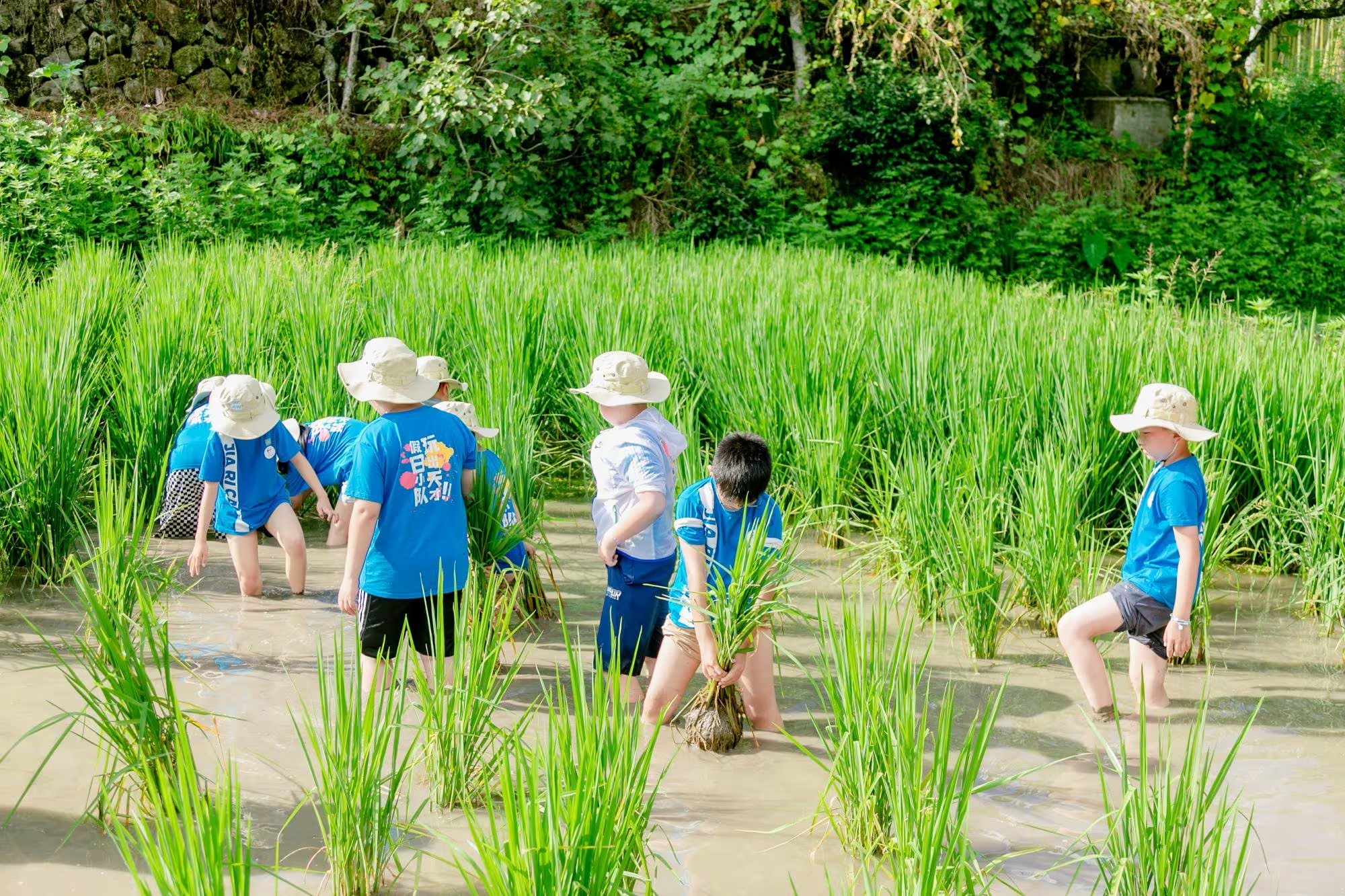
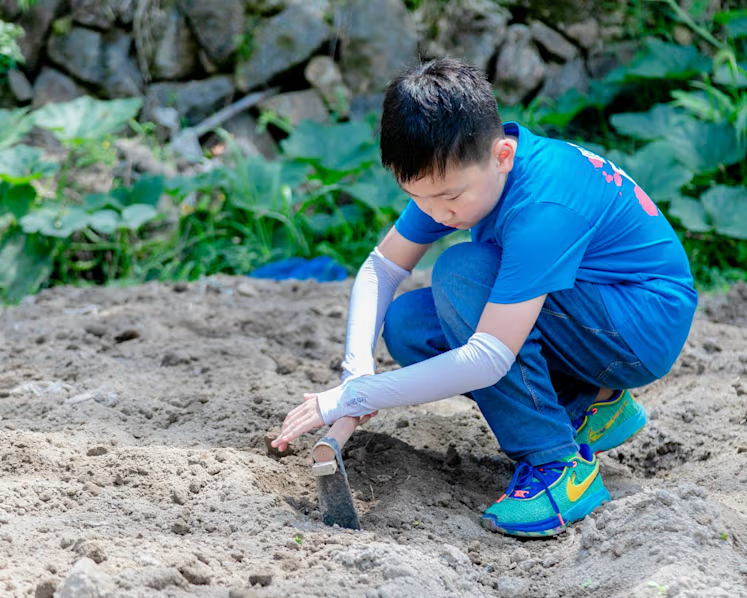
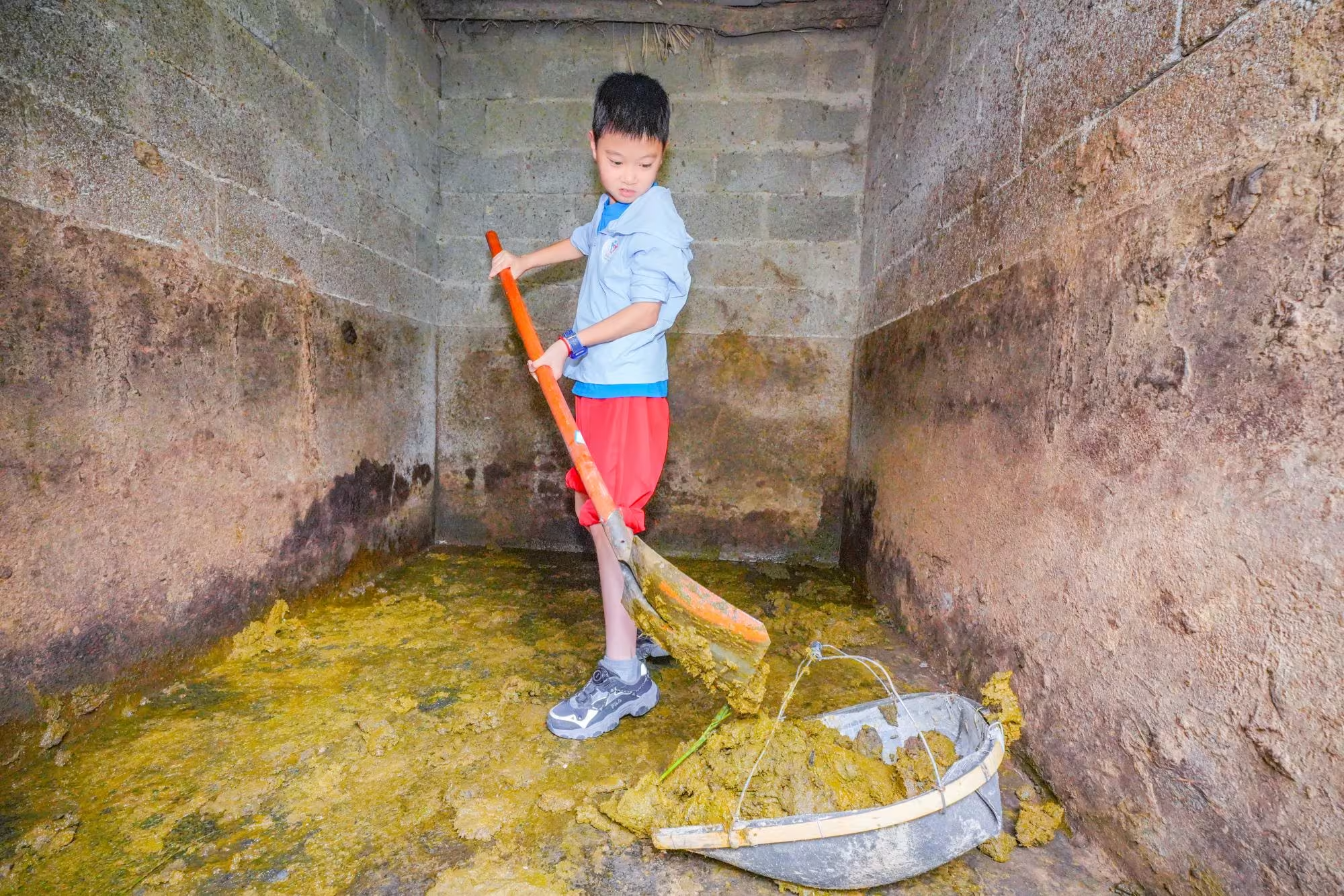
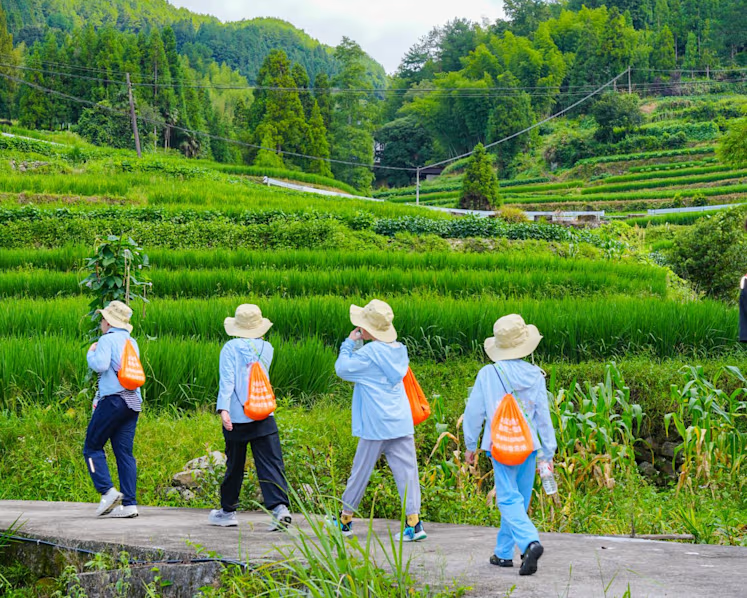
参与的孩子们被看到采茶叶、在土灶上做饭、在夏日阳光下锄地、搬砖、清理牛棚里的牛粪,以及背着大米袋子徒步山路。孩子们在田里拔杂草——这是训练营一天中填满的劳动任务之一。孩子们在中国的一个“吃苦营”参加活动。一个孩子在艰苦夏令营里,在炎炎夏日下锄地。艰苦夏令营主要在农村地区举办,今年夏天在中国各地迅速走红。艰苦体验 童璐是一名八岁男孩的母亲,她自己也从事这一行业。
Young participants have been seen picking tea leaves, cooking over earthen stoves, hoeing fields under the summer sun, hauling bricks, clearing dung from cowsheds and trekking mountain paths with bags of rice on their backs. Children pull weeds from the fields - one of the labour tasks that fill the camps' days. Children take part in activities at a "hardship camp" in China. A child hoes a field under the summer sun at a hardship camp. Hardship camps, held largely in rural areas, have surged in popularity across China this summer. A DOSE OF HARDSHIP Tong Lu, the mother of an eight-year-old boy, is in the business herself.
她的公司“好时研学旅行”在浙江丽水山区举办为期六天的艰苦夏令营。
Her company, Haoshi Study Tours, runs a six-day hardship camp in the mountains of Lishui in Zhejiang.
夏令营在省内最炎热地区之一的盛夏时段举行:今年7月气温超过35摄氏度。
The camps take place during the height of summer in one of the province’s hottest areas: temperatures this July exceeded 35 degrees Celsius.
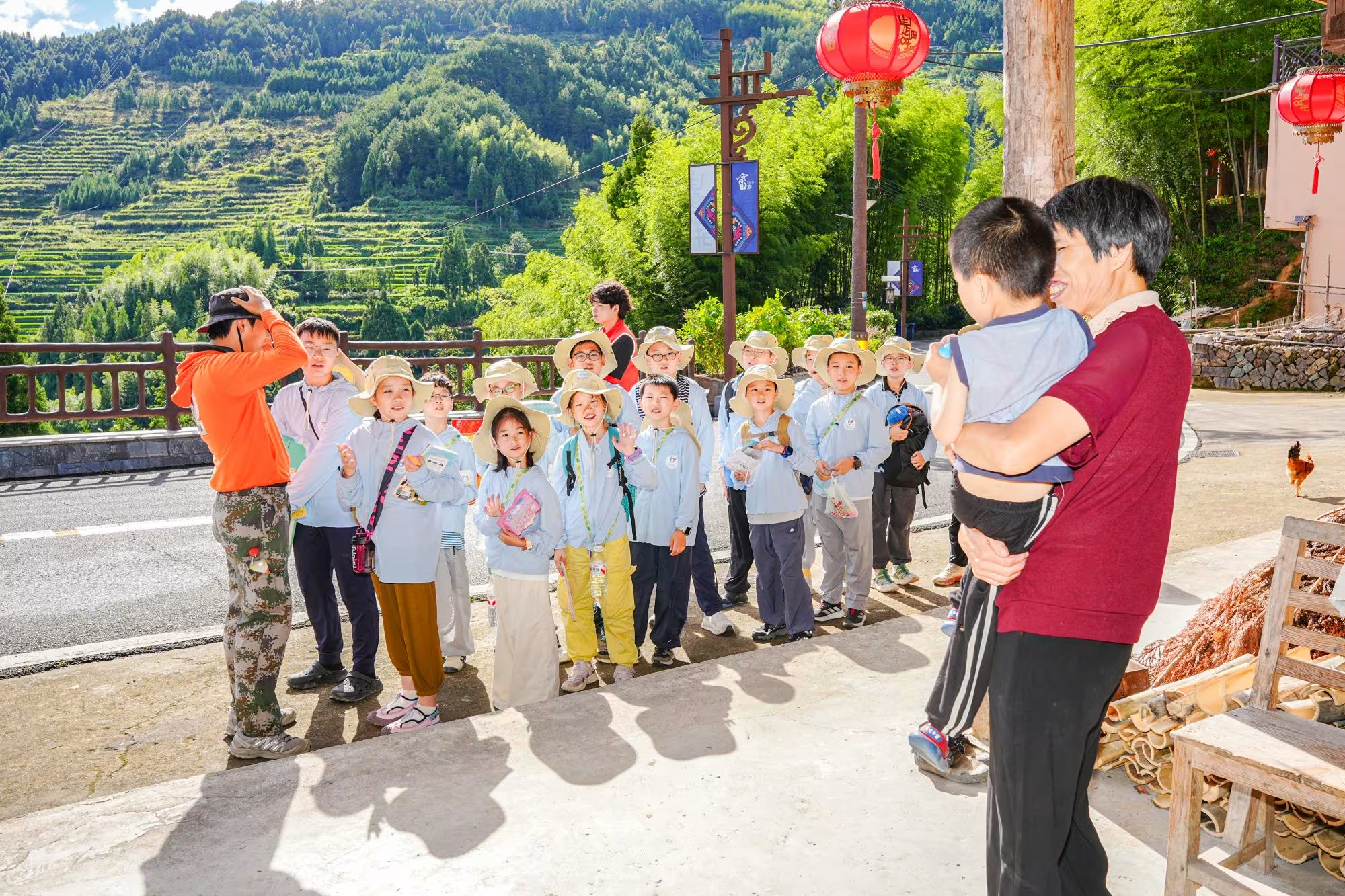
该项目名为“互换人生”,将9至12岁的孩子送到当地村庄,与农家一起生活和劳动。
The programme, called “Swapped Lives”, sends children aged nine to 12 to live and work alongside farming families in local villages.
童璐告诉中新社,如今中国孩子的生活“太顺利”了,许多孩子“无法承受任何艰苦”,也不明白“坚持做事”为什么重要。她说:“如今的孩子……最终都变得有点脆弱。”
Life has been “too smooth” for children in China these days, Tong told CNA, adding that many cannot “take any hardship” and fail to grasp why it matters to “stick with things”. “These days, kids … all end up a bit soft,” she said.
“他们吃得好,穿得好。父母花钱送他们上各种兴趣班,(而且)几乎每个家庭都有车,”她补充道。夏令营让城市孩子到农村度过几天的农耕劳动和简朴生活。
“They are well-fed and well-clothed. Parents pay to send them to all sorts of enrichment classes (and) almost every family has a car,” she added. The camps place city children in villages for days of farm labour and spartan living.
在夏令营中,任务的设置旨在让孩子明白,他们理所当然享受的东西背后需要付出多少劳动。
At the camp, tasks are designed to show children how much work can go into something they might otherwise take for granted.
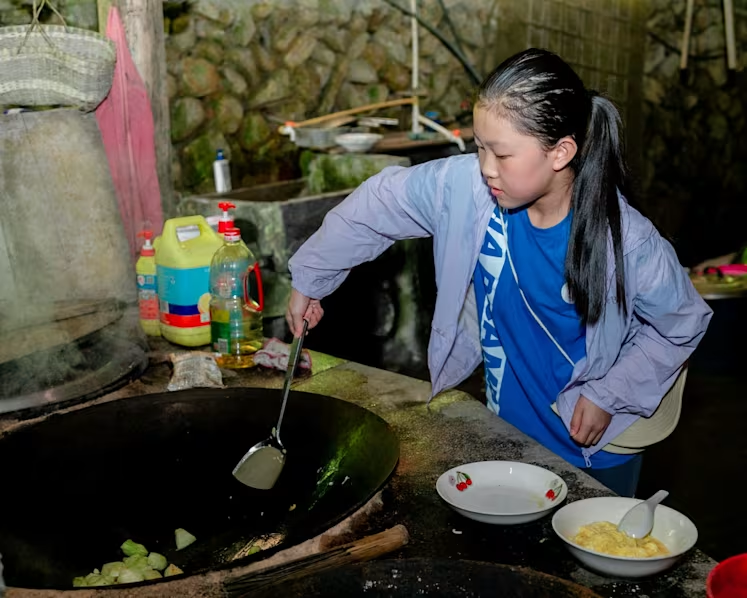
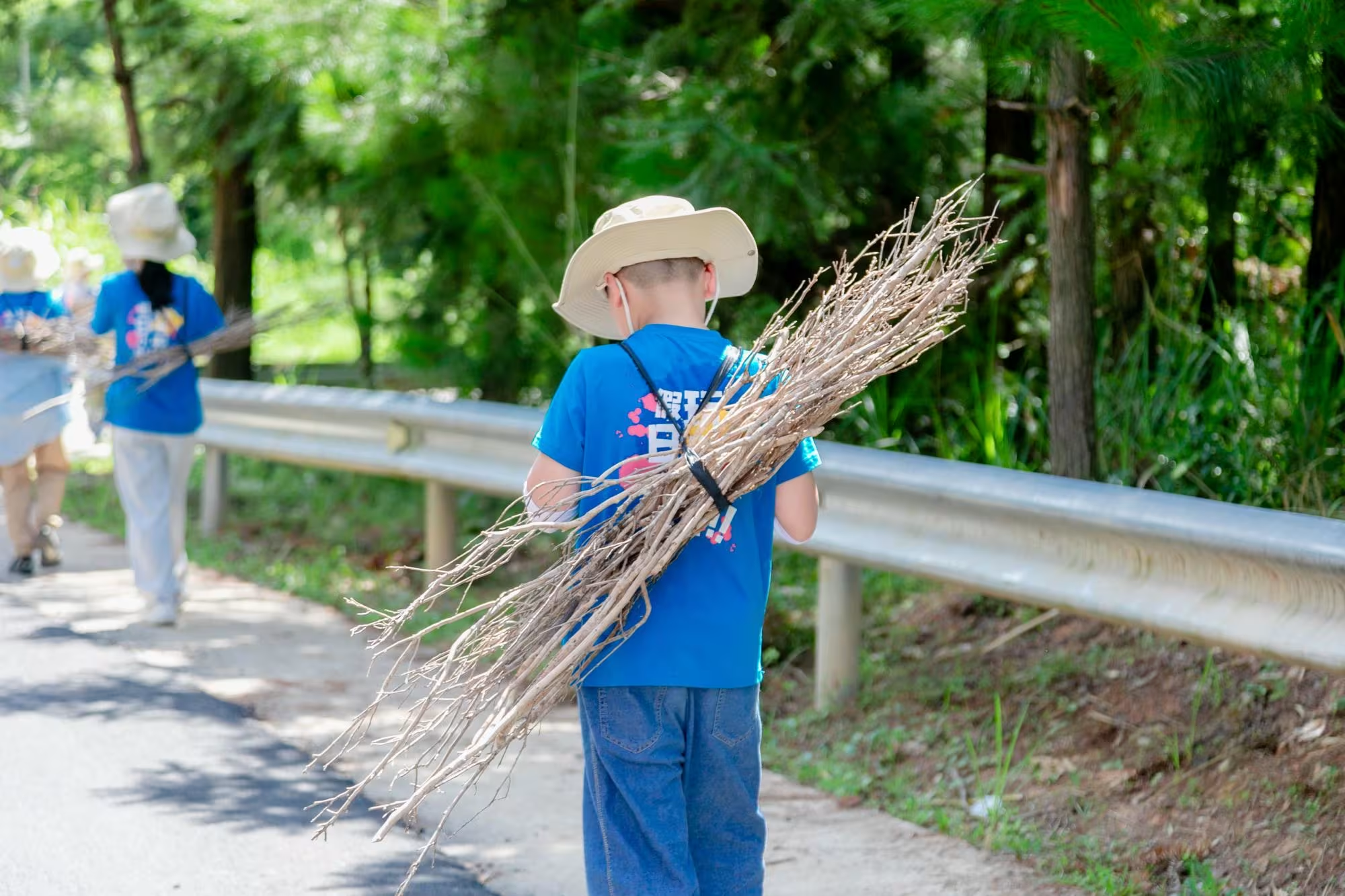
例如,孩子们采集柴火,用篮子运回营地,在土灶上做饭。他们可能要花三到四小时采集、捆扎和搬运柴火,然后做饭——而一顿饭只需十分钟就能做好。
For instance, children gather firewood and cart it back to camp in baskets to cook their meals over an earthen stove. They can spend three to four hours gathering, bundling and carrying the wood, then cooking - for a meal finished in just ten minutes.
营员们在土灶上做饭——夏令营称,任务的设置旨在展示孩子们理所当然享受的东西背后的劳动。
Campers cook over an earthen stove - the camp says tasks are designed to show the work behind things children take for granted.
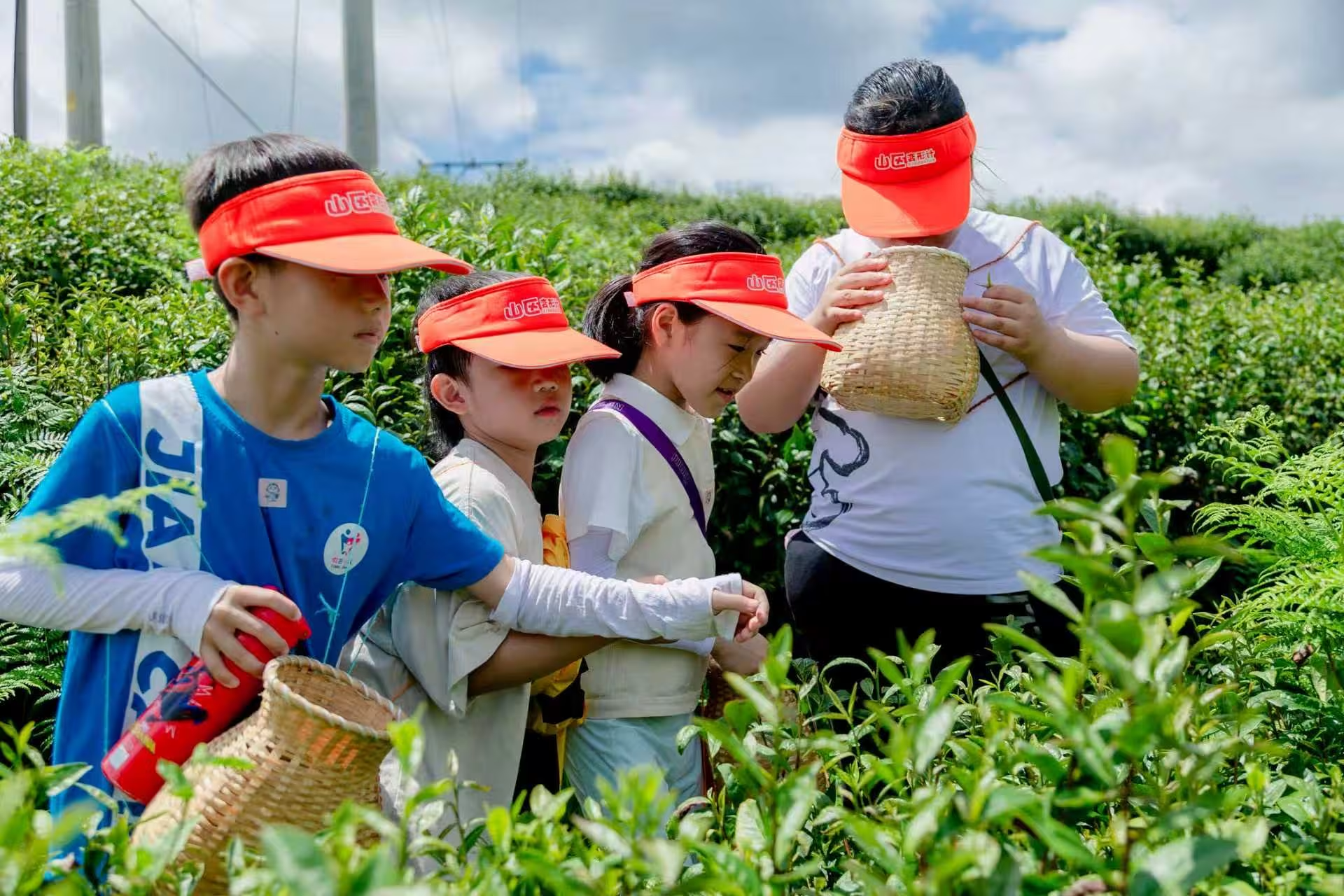
孩子们采摘的茶叶,有时一天多达30分钟,可以换取物资——主要是食品,如牛奶和“八宝粥”(一种甜味混合谷物粥),这些物资会捐赠给贫困家庭。
Tea leaves they pick, sometimes for up to 30 minutes a day, can be exchanged for supplies - mainly food items such as milk and “eight-treasure congee”, a sweet mixed-grain porridge - donated to poor families.
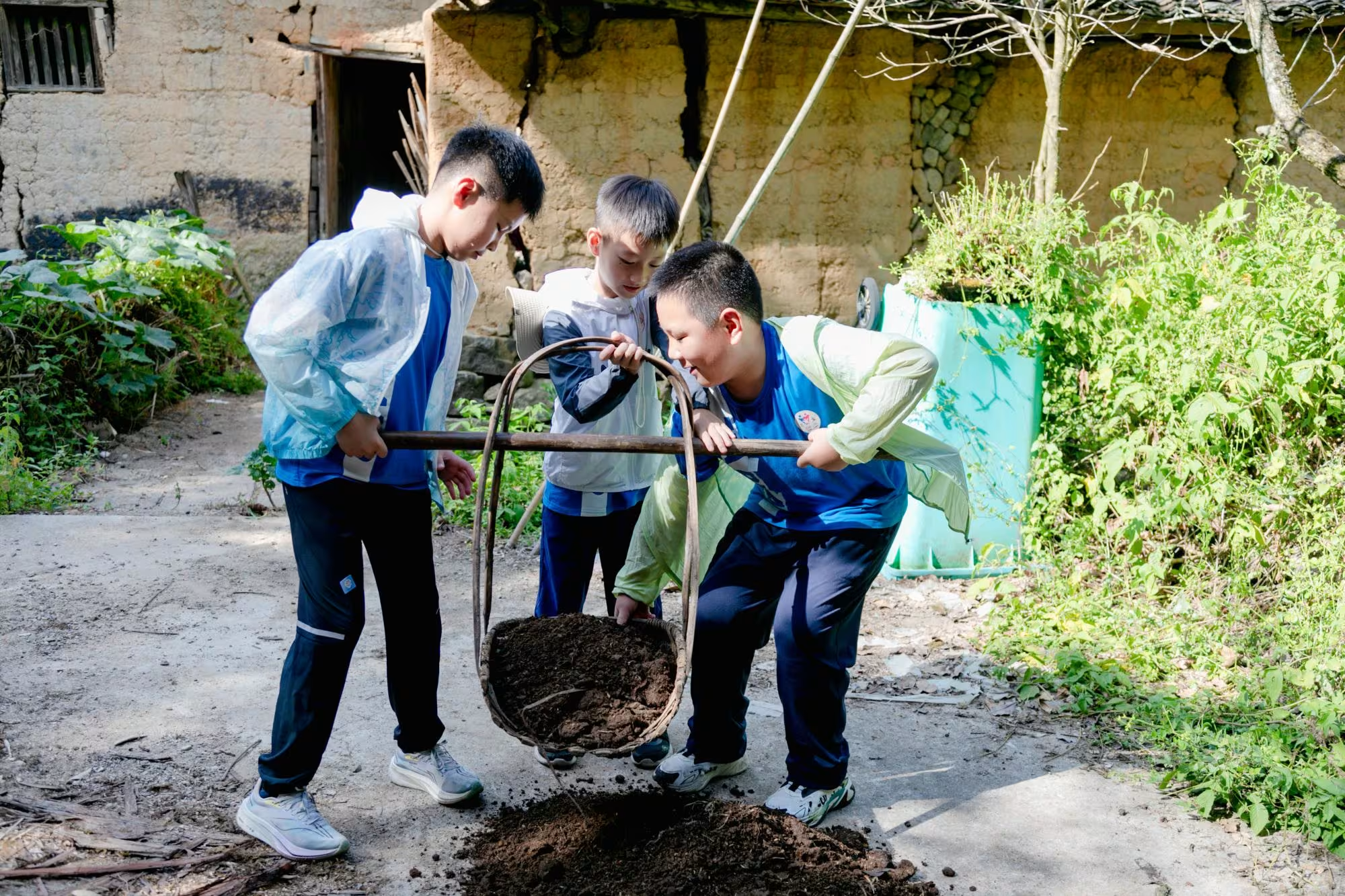
搬运牛粪的时间限制在10到20分钟。营地项目设计师张浩表示,这项劳动让孩子们体验真正的农场工作——牛粪本身也被利用,堆肥作为肥料或送入沼气池用于燃料。
Carrying cow dung is capped at 10 to 20 minutes. The chore gives children a taste of real farm work, said the camp's programme designer Zhang Hao - and the dung itself is put to use, composted as fertiliser or fed into biogas digesters for fuel.
孩子们在“互换生活”营地采摘茶叶——每天最多30分钟,营地如是说。
Children pick tea leaves at the Swapped Lives camp - up to 30 minutes a day, the camp says.
张浩补充说,更广泛的意义在于让孩子们了解食物来自何处,如何种植——以及将食物端上餐桌所需付出的努力。然而,对许多孩子来说,震惊始于他们刚到达并看到宿舍时。
The broader point is for children to grasp where food comes from, how it is grown - and the amount of effort it takes to reach their plates, Zhang added. For many, however, the shock begins when they first arrive and see their rooms.
宿舍就在村子里,每间住六到八个孩子,他们睡在木制双层床上。虽然干净但十分简陋,这与他们在家庭假期中熟知的酒店形成了天壤之别。
The rooms are in the village itself, with six to eight children in a room, sleeping on wooden bunk beds. Clean but bare, they are a world away from the hotels many of them know from family holidays.
“他们会说,‘什么?我们要住这里?我想回家。’大多数孩子的反应就是这样,”学旅指导老师刘宝顺说,他在过去三年里已为该公司带领了四期营地。
“They'll say, 'What? We're staying here? I want to go home.' Most kids react like that,” said Liu Baoshun, a study tour instructor, who has led four camps with the company over the past three years.
刘还说,许多孩子在头几晚也会感到思乡,给家里打电话时常常哭泣。
Many children also feel homesick on the first few nights, Liu said, and often cry when phoning home.
那些哭着要回家的孩子会被劝说先等等,他说。到了早上,大多数孩子仍会坚持下来。其他不快的经历还包括牛棚的气味和上学途中的炎热。
Those who beg to go home are coaxed to wait, he said. By morning, most carry on. Other low points also include the smell of the cowshed and heat during the school walk.
孩子们清理牛棚里的牛粪,后来这些牛粪会被堆肥作为肥料或用于生产沼气,营地如是说。一名营员背着柴火——这是孩子们自己烹饪餐食所用的燃料。
Children clear dung from the cowshed, which is later composted as fertiliser or used for biogas, the camp says. A camper carries firewood on his back - fuel for the meal the children will cook themselves.
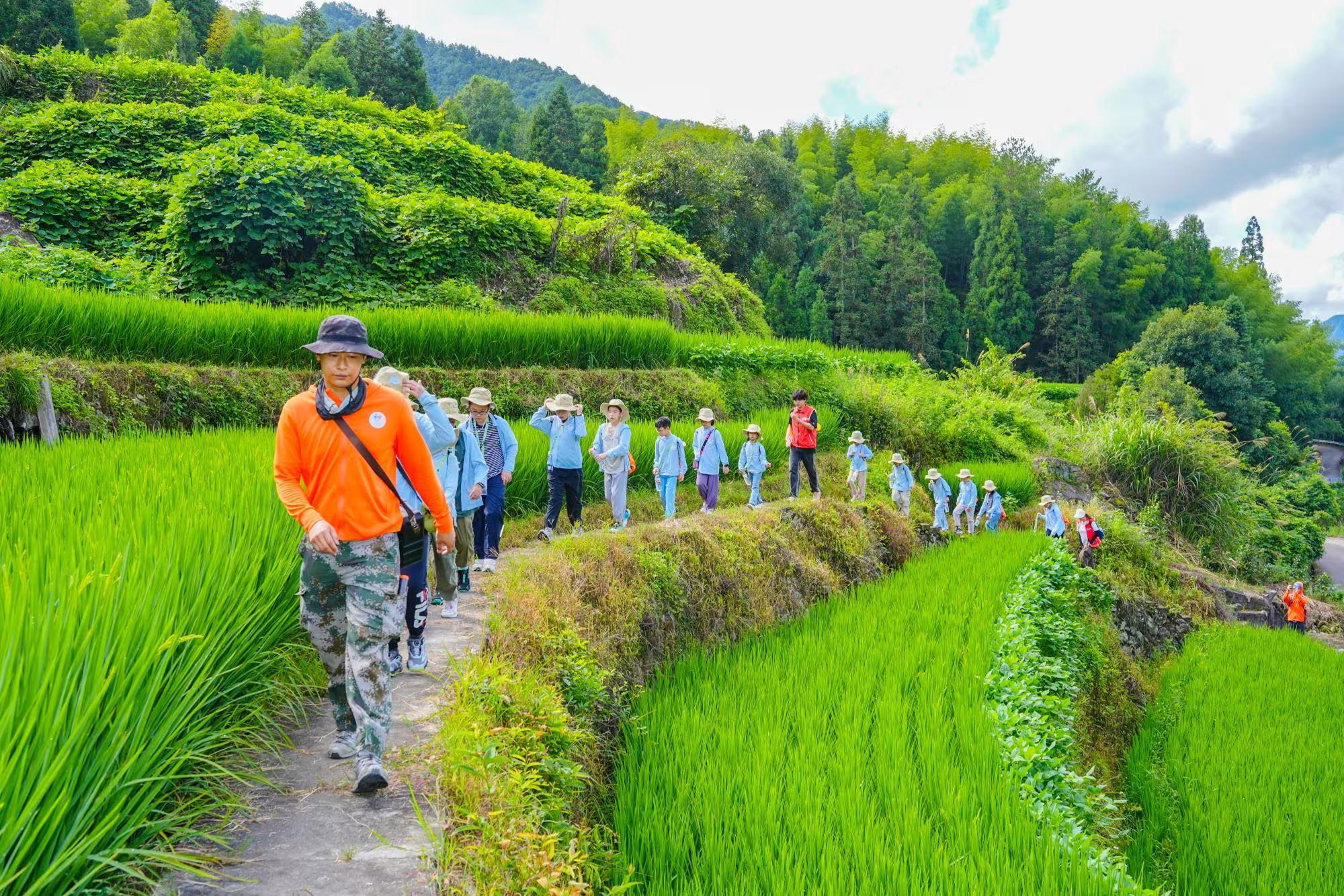
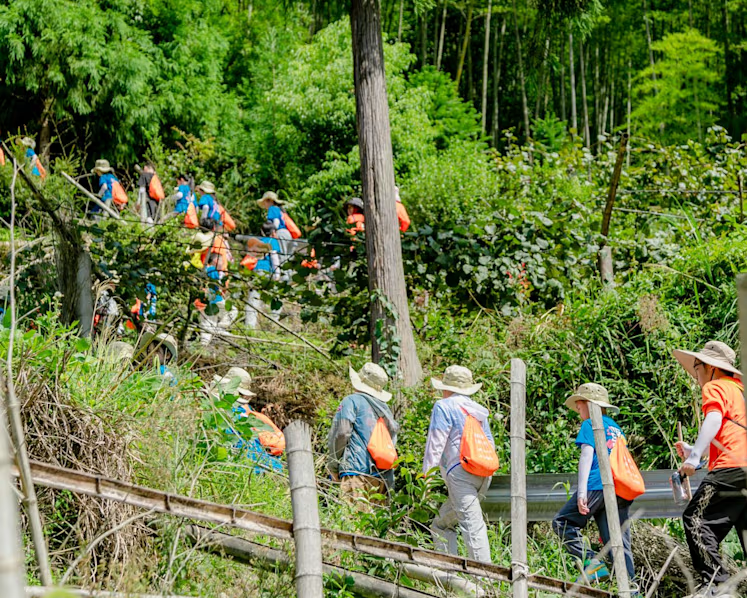
在“上学路”这一天,孩子们要背着一公斤大米,沿着村里学生上学的5公里山路前行。这段路程大约需要一个半小时,终点是一所废弃的村庄小学。
On “walk to school” day, children carry a kilogram of rice along a 5km mountain route taken by village pupils. The walk takes around one and a half hours, and ends at an abandoned village primary school.
刘说,如果孩子们在任务过程中精疲力尽,他们可以休息、减轻负担或将工作分成几次完成,并补充说他们会适当休息。
Children who get exhausted mid-task may rest, carry less or split the work into trips, said Liu, adding that they take breaks.
“但(他们)仍然必须完成任务。”结束时,他们在废弃教室外的铁盒里吃白米饭——这与他们在家习惯的十菜一饭形成了鲜明对比。
“But (they) still have to finish the job.”At the end, they eat plain rice from tin boxes outside the abandoned classroom - a stark departure from the 10-dish spreads many are used to at home.
露营者们出发参加5公里的“上学路”徒步行程,这段路程可能需要长达两个小时。
Campers set off on the 5km "walk to school" route that could take up to two hours.
此次徒步旨在让露营者了解村里的孩子们过去每天为上学所走的距离。许多露营者首次体验农活,并且第一次没有手机。
The walk is meant to show campers the distance village children once covered daily for school. Many campers are experiencing farm work, and life without their phones, for the first time.
刘回忆起一名叛逆的露营者,他在营地早期曾与老师发生冲突,但后来在营地期间发生了改变。到参加上学路徒步时,这个男孩开始主动承担更多:“老师,我想多背点米。”营地正式开始前会安排一项活动。组织者要求家长为孩子写一封秘密信。
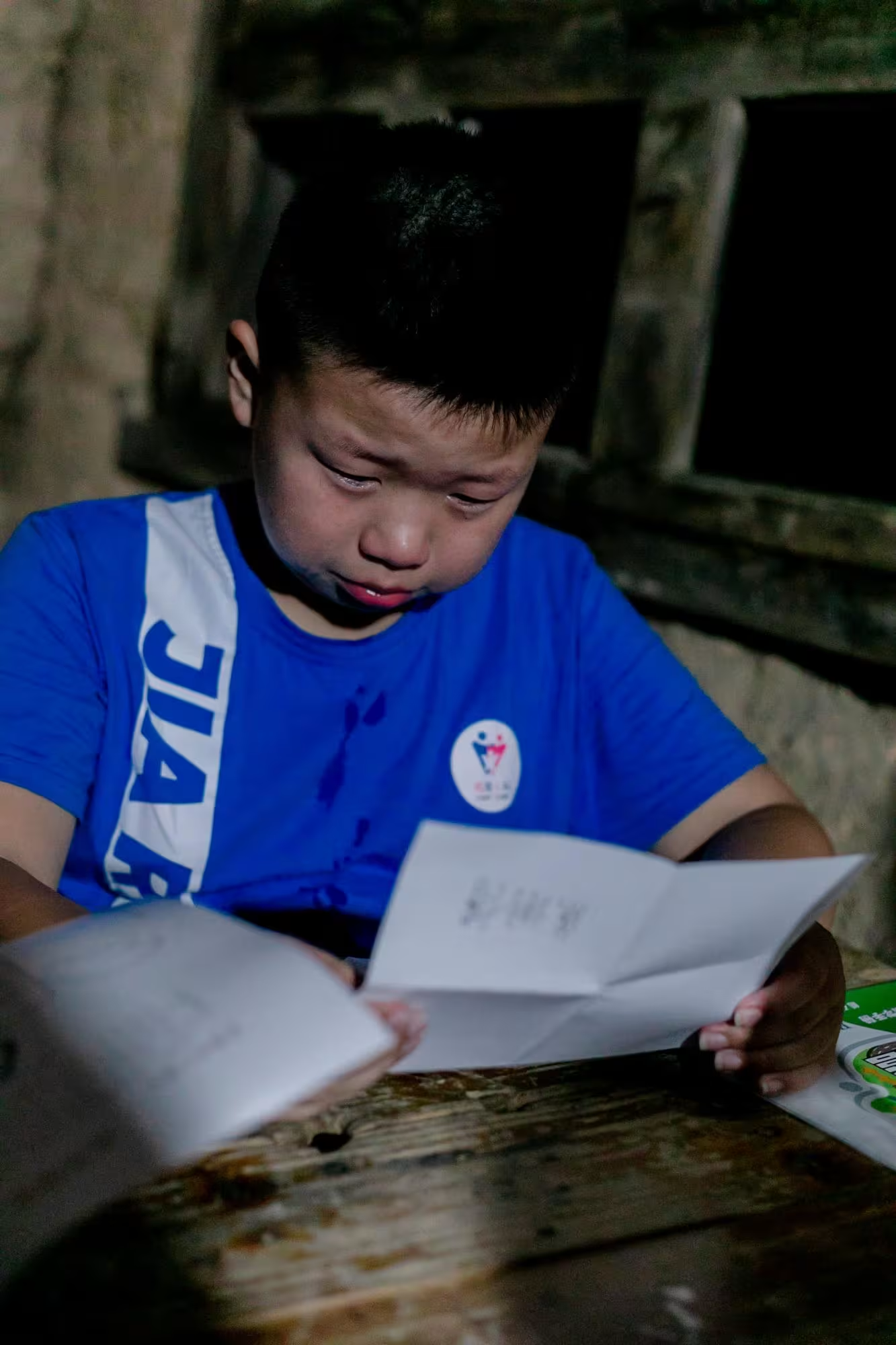
Liu recalled one rebellious camper who clashed with teachers in the early days but changed over the course of the camp. By the time of the school walk, the boy was volunteering for more: "Teacher, I want to carry extra rice." One activity is planned before camp officially begins. Parents are asked to write their children secret letters.
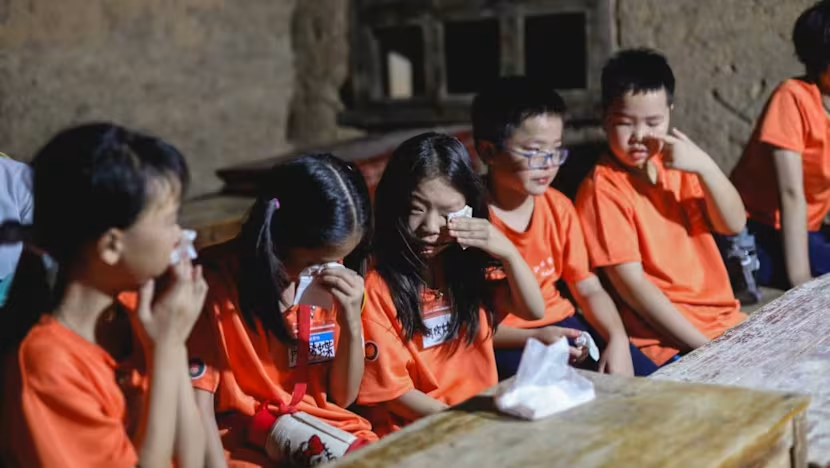
在倒数第二天晚上,经过几天的劳动后,这些信被发放出去。张说,许多孩子在读到父母的信后常常“哭得眼泪汪汪”。
On the second-to-last night, following days of labour, the letters are distributed and many children often “bawl their eyes out” after reading letters from their parents, Zhang said.
张,营地的项目设计师说,许多孩子在读父母来信时会“哭得眼泪汪汪”。
Many children "bawl their eyes out" reading their parents' letters, the camp's programme designer says.
他补充说,这能鼓励孩子们回家时心怀感激,并愿意表达自己的感受。
This encourages children to return home feeling appreciative and willing to express their feelings, Zhang added.
“有些孩子回家后只是说,‘妈妈,我爱你,谢谢’……这就是父母真正关心的,”他说。公司总监童为营地的高强度性质进行了辩护。“如果项目不够艰苦,就无法达到它本应提供的体验,”她说。
"Some kids go home and just say, 'Mum, I love you, thank you' … That’s what parents really care about more,” he said. Tong, the company’s director, has defended the demanding nature of the camp. “If the programme isn’t that tough, it doesn’t deliver the experience it’s meant to,” she said.
这个为期六天的营地带领9至12岁的孩子们去和农家一起生活、劳动。但组织者并未承诺这种改变会是持久的。
The six-day camp takes children aged nine to 12 to live and work alongside farming families. But organisers stop short of promising lasting transformation.
童说,孩子们“确实想要改变”,在经历过这次活动之后——但有些孩子“在回家几天之后就会又回到以前的老习惯”。
Children “do want to change” after going through the experience, Tong said - but some “slip back to their old ways a few days after they get home”.
张说:“我们不是军事训练营。你不能把一个孩子送到这里五六天,(然后就期望)他变成一个完全不同的人。”刘则更直率地谈到了任何改变可能持续多久。“这些影响肯定不会持续,”刘说。
“We’re not a military camp,” said Zhang. “You can’t send a child here for five or six days and (expect) them to turn into a completely different person.”Liu was more blunt about how long any changes might last. “The effects definitely won't last,” Liu said.
我们总是诚实地告诉家长,这只是几天。夏令营的日子围绕着体力劳动展开,从黎明到傍晚的杂务。艰苦能否培养韧性?
“We always tell parents honestly it's just a few days.”Days at the camps are built around manual labour, from first light to evening chores. DOES HARDSHIP BUILD RESILIENCE?
但当艰苦过于严重或持续时间过长——而支持又不足时,艰苦夏令营的经历可能会压垮孩子应对的能力,而不是增强它,专家们对《联合早报》表示。
But when hardship is severe or prolonged - and support is short, the experience at a hardship camp could overwhelm a child’s ability to cope rather than strengthen it, experts told CNA.
“一个有韧性的孩子,不一定是能忍受最多艰苦的孩子,”新加坡南洋理工大学(NTU)心理学系主任谢宝宝说。
“A resilient child is not necessarily one who can endure the most hardship,” said Setoh Peipei, head of psychology at Nanyang Technological University (NTU) in Singapore.
培养韧性的不是“为苦而苦”——而是在适当支持下,通过应对可管理的挑战来获得机会,她说。
What builds resilience is not “suffering for the sake of suffering” - but opportunities to navigate manageable challenges with appropriate support, she said.
孩子确实需要摩擦,她补充道。要学会骑自行车,孩子需要感到不适,甚至经历失败——“摔倒,爬起来,调整技巧”。
Children do need friction, she added. To learn to ride a bike, a child needs discomfort and even failure - “falling down, getting back up, adjusting their technique”.
但她在“建立有用技能”的挑战和“旨在打击或惩罚”孩子的痛苦之间划清了界限。而当孩子感到疲惫时,这种区分尤为重要,谢宝宝说。
But she draws a line between challenges that build “useful skills” and “suffering intended to break or punish” a child. And that distinction matters when a child feels exhausted, Setoh said.
如果一个孩子感到被困住,并学到表达痛苦或寻求帮助只会“只是被告知要忍受更多”,那么他可能学会的是忍耐,而不是如何应对困难,她说。
A child who feels trapped and learns that expressing distress or asking for help will “simply result in being told to endure more” may learn to endure, rather than how to cope with difficulty, she said.
“年幼孩子的痛苦不能自动被解释为证明该项目‘效果更好’的证据,”她补充道。在艰苦夏令营度过的一周也可能产生持久影响,谢宝宝说。
“Distress from a younger child cannot automatically be interpreted as evidence that the programme is ‘working’ better,” she added. A week at a gruelling hardship camp can also have lasting effects, Setoh said.
如果孩子经历了严重的恐惧或无助感,觉得成年人不会回应他们的痛苦,或将夏令营视为惩罚,这些影响以后可能表现为焦虑、害怕犯错或难以信任他人。孩子们是如何进入这些夏令营的也很重要。
If a child experiences severe fear or helplessness, feels that adults will not respond to their distress, or perceives the camp as punishment, the effects can later surface as anxiety, fear of making mistakes or difficulty trusting others. How children end up at these camps can matter too.
当地媒体采访的一家夏令营建议犹豫的家长,称其为乡村学习旅行,并“哄骗”孩子参加。
One camp interviewed by local media advised hesitant parents to call it a rural study trip and "trick" their child into going.
如果一个孩子被告知他们将参加一次愉快的乡村旅行,但却被安置在一个高度受控和惩罚性的环境中,他们得到的教训可能不是“我应该感激父母”,Setoh 说。
"If a child is told that they are going on an enjoyable rural trip but is instead placed in a highly controlled and punitive environment, the lesson may not be 'I should appreciate my parents'," Setoh said.
“而是‘我不能信任我的父母’。”专家警告称,压倒性或缺乏支持的艰难经历可能会教会孩子忍耐而不是应对。参与者的年龄也非常重要,Setoh 补充道。
"It may be 'I cannot trust my parents'." Experts warn that overwhelming or unsupported hardship can teach children to endure rather than to cope. Age of participants matters greatly too, Setoh noted.
例如,15 岁的孩子可能更能理解他们为何参加艰苦训练营以及这段经历会结束,而年龄较小的参与者则更依赖于有值得信赖的成年人在身边才能感到安全,她补充道。并非每个孩子都讨厌这种经历。
A 15-year-old, for example, may better understand why they are at a hardship camp and that it will end, while younger participants depend more heavily on having trusted adults around to feel safe, she added. Not every child hates the experience.
一位姓高的成都父亲曾将不情愿参加的初一女儿送到训练营,他告诉当地媒体,虽然她抱怨农活,但她也享受其中。“她几乎喜欢上了,”他说。
A Chengdu father surnamed Gao, who sent his reluctant Secondary 1 daughter to a camp, told local media that while she complained about the farm work, she also enjoyed it. "She almost likes it," he said.
密歇根州立大学人类发展与家庭研究副教授 Desiree Qin Baolian 也指出,同样的艰苦经历可能让一个孩子变得更坚强,而另一个孩子则可能受到创伤。
The same hardship, noted Desiree Qin Baolian, an associate professor of human development and family studies at Michigan State University, can leave one child stronger and another traumatised.
“我们可以让孩子面对具有挑战性的情境,”她说。“但这个环境需要温暖且有支持。”孩子在训练营后表现出的新顺从是反映成长还是恐惧,这是父母应该思考的问题,Qin 说。
"We can put children in challenging situations," she said. "However, the container needs to be warm and supportive." Whether a child's new obedience after camp reflects growth or fear is the question parents should ask, Qin said.
“短期的顺从与长期的成长和健康截然不同。”由恐惧驱动的顺从“也不会持续太久”,并且会在孩子心中种下“恐惧和不信任的种子”,Qin 说。随着时间的推移,她表示,这些孩子可能会开始觉得他们“不能相信周围的成年人和他人来帮助他们”。
"Short term obedience and long term growth and health is very different." Fear-driven obedience also “does not last long” and plants “seeds of fear and distrust” in a child, Qin said Over time, she said, such children may come to feel they "cannot trust adults and others around them to help them".
相比之下,当一个孩子感到被爱和被关怀时,“就像拥有阳光”,她说——这种感觉会伴随他们“度过人生中的许多黑暗时刻”。她还把部分焦点从孩子转移到了父母身上。
When a child feels loved and cared for, by contrast, "it's like having sunlight", she said - a feeling that carries them "through many dark moments in life". She also shifts some of the focus from children to their parents.
父母自然希望孩子“长得健壮、有韧性,能够应对生活中的一切”,秦说,并补充说,作为两个孩子的母亲,她也有同样的感受。
Parents naturally want their children to “grow up strong, be resilient, and (able to) deal with anything in life”, Qin said, adding that she has experienced the same feelings herself, as a mother of two.
“很多时候……(父母)不知道如何处理自己的焦虑,他们会把焦虑投射到孩子身上,”秦说。
“A lot of times … (parents) do not know how to work with their own anxiety, they project it on their children,” Qin said.
她的建议是,父母首先要管理好自己的焦虑,抵制紧密控制孩子经历的冲动。
Her advice is for parents to first manage their own anxieties and resist the urge to tightly control their children’s experiences.
给孩子留出空间去遇到困难、犯错并思考如何应对,这本身就是培养韧性的一部分,她补充道。
Giving children room to encounter difficulties, make mistakes and work out how to respond is itself part of building resilience, she added.
“当孩子感到可以自由探索、可以犯错时,他们才能真正学习和成长,”她说。“这才是真正的韧性。”
“When children feel free to explore, free to make mistakes, then they can truly learn and grow,” she said. “That is the real resilience.”