考古学家长期以来在古代统治者的墓葬中发现了一种令人不安的模式:死者有时会伴随其他死者。在皇家墓葬周围,人们的遗骸——这些人似乎是被专门杀害以便在来世追随他们的主人——与珍贵物品和武器一起被发现。
Archaeologists have long found a disturbing pattern in the graves of ancient rulers: the dead were sometimes accompanied by other dead. Around royal tombs, the remains of people – who appear to have been killed specifically to follow their masters into the afterlife – lie alongside precious objects and weapons.
埃及的一项新研究将这一做法重新带回新闻。在古代王室墓地阿拜多斯,考古学家重新检查了埋葬在早期统治者墓葬周围的人们的头骨。他们在许多头骨上发现了严重损伤的迹象,包括与死亡时附近造成的重击一致的骨折。
A new study from Egypt has brought this practice back into the news. At the ancient royal cemetery of Abydos, archaeologists re-examined the skulls of people buried around the tombs of early rulers. They found signs of serious injuries on many of the skulls, including fractures consistent with powerful blows inflicted around the time of death.
这一模式表明,至少有些人并非自然死亡后恰好被埋葬在统治者附近。他们可能是被故意杀害,以便伴随主人进入另一个世界。
The pattern suggests that at least some of these people did not simply die naturally and happen to be buried near their rulers. They may have been deliberately killed to accompany them into the next world.
人祭在古代世界各地的权贵葬礼仪式中都有出现,从埃及和美索不达米亚到欧洲和美洲。这一做法也曾是古代中国上层社会的一部分,其基础是一种信仰:死者在另一个世界继续存在,并且需要仆人、侍从和伴侣。
Human sacrifice was part of funerary rites of the powerful across the ancient world, from Egypt and Mesopotamia to Europe and the Americas. The practice was also a feature of elite society in ancient China, where it rested on the belief that the dead continued to exist in another world and would need servants, attendants and companions.
考古证据表明,这一做法早在新石器时代良渚文明(公元前3300年-公元前2300年)就在长江三角洲出现,但在商朝(公元前1600年-公元前1046年)期间达到最广泛和最系统的形式。
Archaeological evidence suggests it appeared as early as the Neolithic Liangzhu civilisation (3300BC-2300BC) in the Yangtze River Delta, but it reached its most extensive and systematic form during the Shang dynasty (1600-1046BC).
商朝最后一座都城殷的皇家墓地提供了一些最清晰的证据。发掘出的墓葬中包含大量人类遗骸,这些人似乎是被故意杀害并与他们的主人一起埋葬。受害者包括战俘、仆人以及统治者家庭成员。
The royal cemetery at Yin, the last capital of the Shang, provides some of the clearest evidence. Excavated tombs contain the remains of large numbers of people who appear to have been deliberately killed and buried alongside their masters. The victims included prisoners of war, servants and members of the ruler’s household.
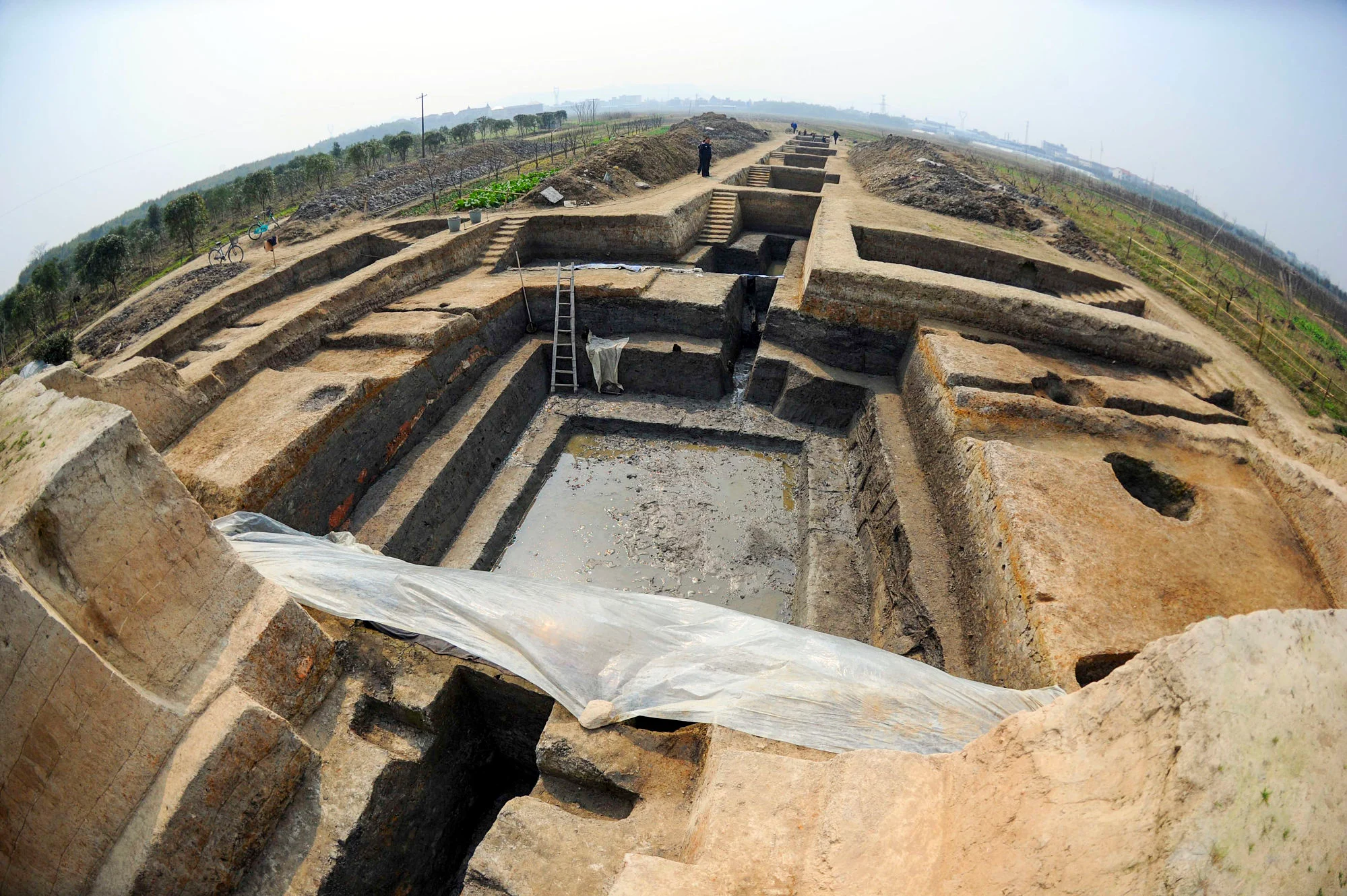
在一些皇家葬礼中,规模令人惊叹。公元前1192年去世的武丁王墓中出土了164名人类受害者的遗骸,而其他商代皇家墓葬则出土了数十甚至上百具遗骸。
In some royal burials, the scale was extraordinary. The tomb of King Wu Ding, who died in 1192BC, contains the remains of 164 human victims, while other Shang royal tombs have yielded dozens or even hundreds.
周朝(公元前1046-256年)继承了这一做法,但其规模大幅缩小。到春秋(公元前770-476年)和战国(公元前475-221年)时期,思想和道德观念正在发生变化。为死者利益而杀人的行为日益受到批评,陶俑和木俑开始作为活人陪葬的象征性替代品出现。
The Zhou dynasty (1046-256BC) inherited the practice, but its scale was greatly diminished. By the Spring and Autumn (770-476BC) and Warring States (475-221BC) periods, intellectual and moral attitudes were changing. The killing of people for the benefit of the dead increasingly attracted criticism, and clay and wooden figures began to serve as symbolic substitutes for living attendants.
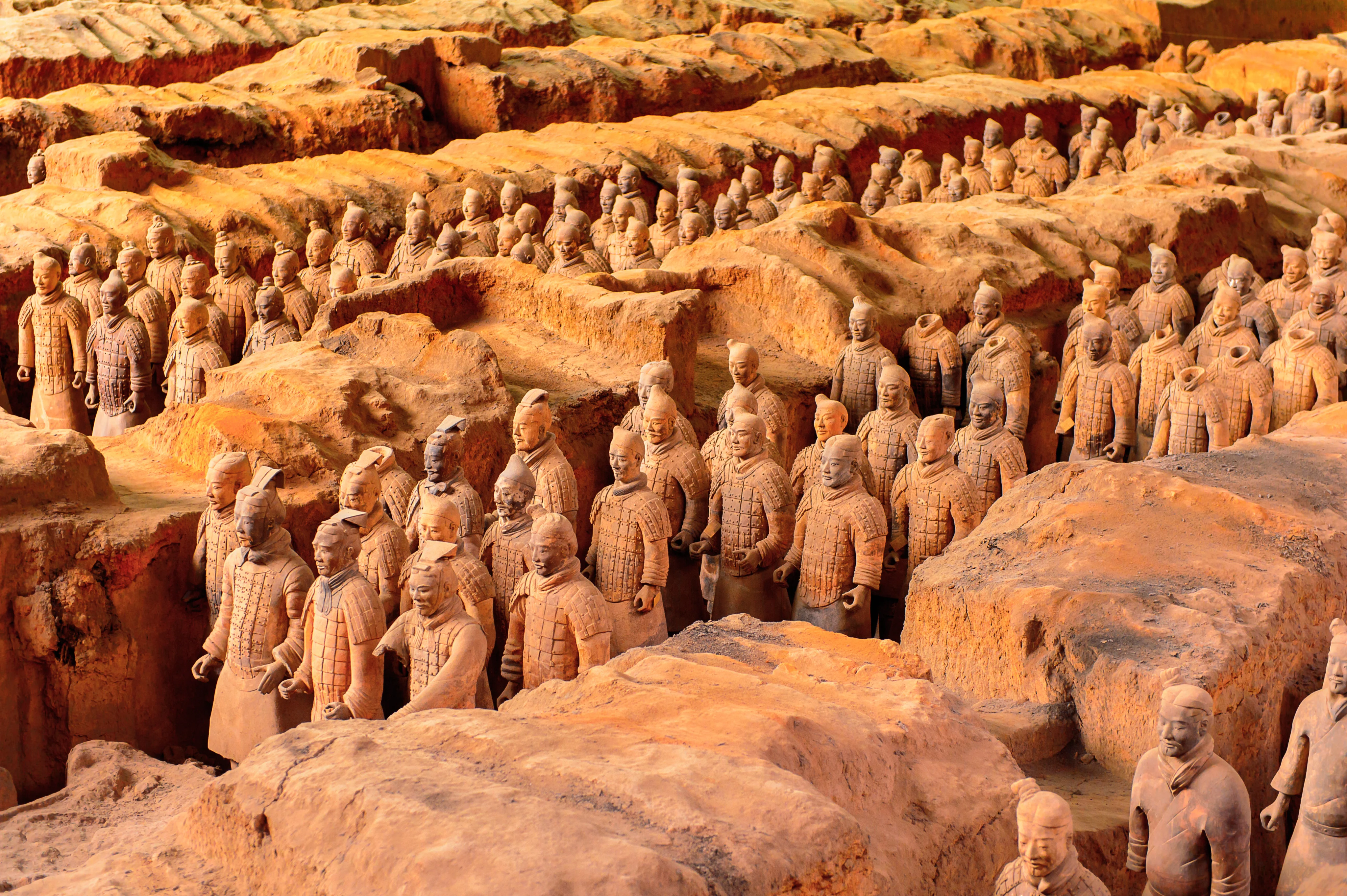
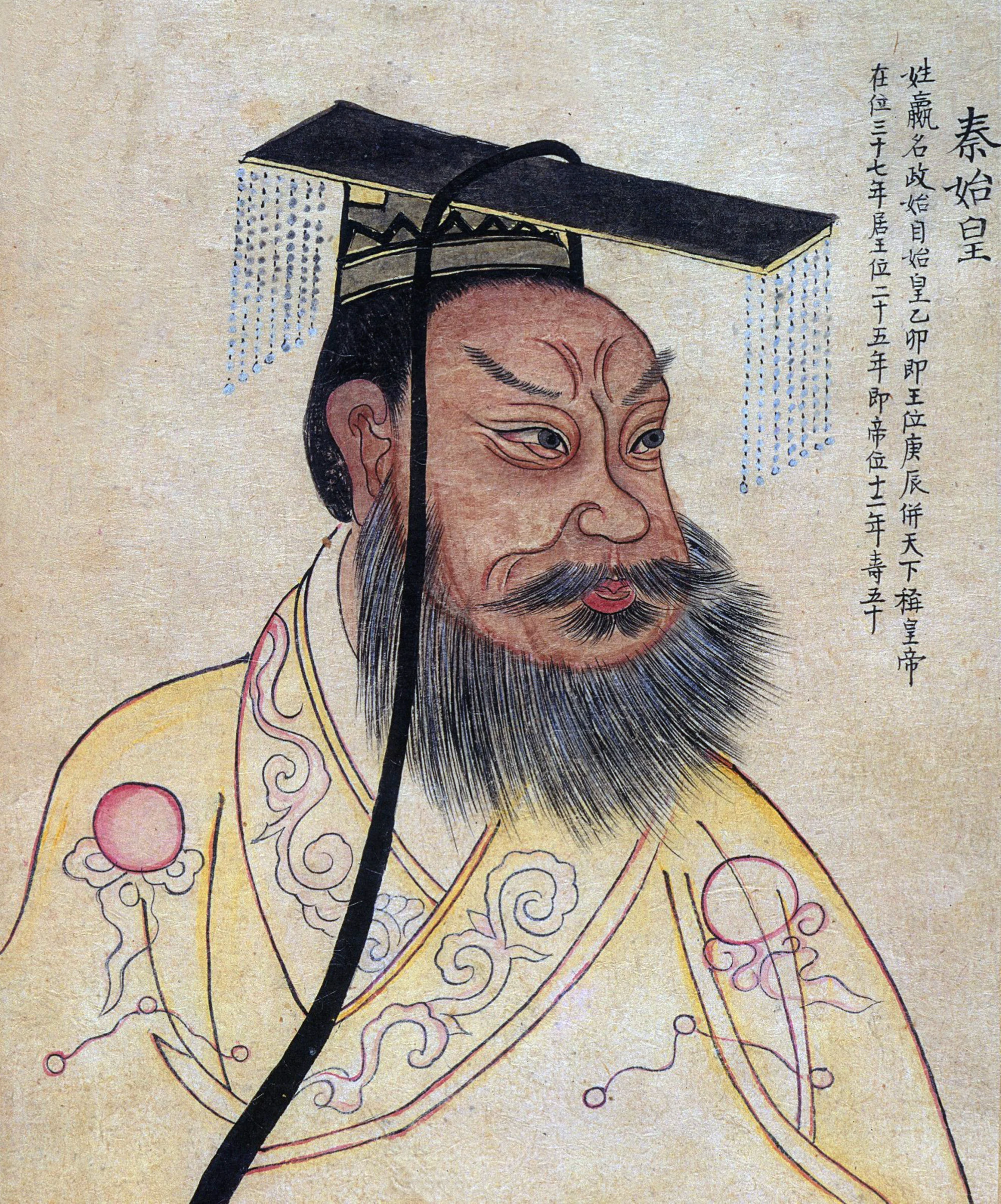
公元前384年,秦国正式废除人殉。秦始皇(公元前259-210年)——即第一个统一中国的皇帝——的巨型陵墓,以其著名的兵马俑而闻名,或许是这一新解决方案最壮观的例证:皇帝不再派遣真实军队陪葬,而是可带领一支由陶土制成的军队进入冥界。
In 384BC, the state of Qin formally abolished human sacrifice. The enormous mausoleum of Qin Shi Huang (259-210BC), the first emperor who unified China, with its famous Terracotta Army, is perhaps the most spectacular illustration of the new solution: instead of sending a real army to the afterlife, the emperor could take an army made of clay.
后来的朝代偶尔出现此类情况,主要发生在皇室和贵族圈层中,人们要么自杀,要么被杀害,以追随他们的主人或丈夫进入坟墓。即便到了明朝(1368-1644年)晚期,宫女仍可能被迫随皇帝一同死去。
Later dynasties saw rare instances, mainly in royal and aristocratic circles, when people killed themselves, or were killed, to follow their masters or husbands to the grave. Even as late as the Ming dynasty (1368-1644), palace women could still be compelled to follow an emperor in death.
明英宗皇帝于1464年正式废除了宫女殉葬的做法,但孤立案例一直持续到清朝早期(1644-1911年)。最终,在1673年,康熙皇帝禁止仆人随主人殉葬。
Emperor Yingzong of the Ming dynasty formally abolished the practice of sacrificing palace women in 1464, but isolated cases persisted into the early Qing period (1644-1911). Finally, in 1673, the Kangxi Emperor prohibited servants from dying with their masters.
考古和文献记载显示,自商朝之后,人殉的规模出现了显著下降,尽管孤立案例在实践最终消失前仍持续了几个世纪。
Archaeological and written records reveal a dramatic reduction in the scale of human sacrifice after the Shang dynasty, even as isolated cases persisted for centuries before the practice finally disappeared.
一种曾能够在一次皇家葬礼中夺走数百条生命的做法,逐渐被象征性替代品所取代:首先是木俑和 clay 俑,最终演变为如今为死者焚烧的纸扎人偶。
A practice once capable of claiming hundreds of lives in a single royal burial gradually gave way to symbolic substitutes: first wood and clay figures, and eventually the paper effigies burned for the dead today.