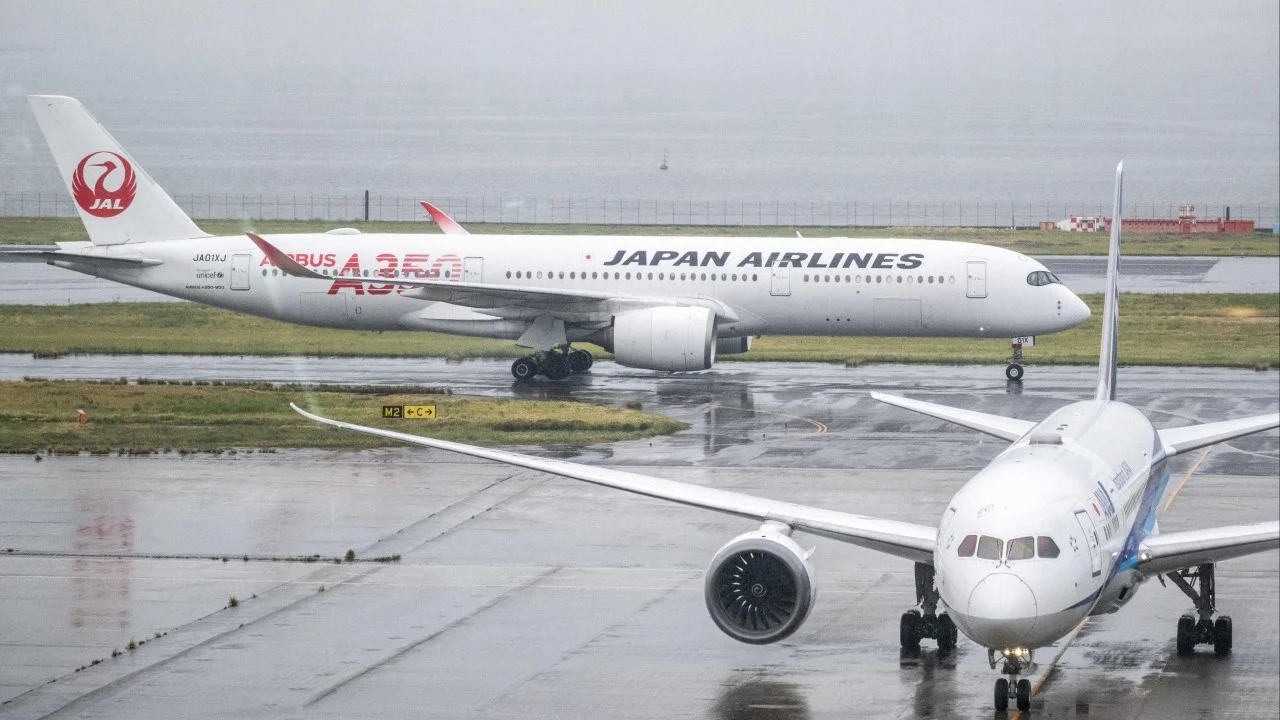
根据日本航空产业工会联合会上月发布的一项调查,日本航空公司员工正经历因航班延误或取消,或因迟到被拒绝登机而导致的乘客虐待事件激增。
Airline employees in Japan are experiencing a surge in abuse incidents from customers linked to delays or cancellations of flights or from being refused boarding due to late check-in, according to a survey.
调查显示,过去一年中,约30%的地面服务人员或机组人员报告称,他们成为乘客因上述问题而发泄怒气的对象,较2023年之前调查中的7%显著上升。
Some 30 per cent of ground staff or cabin crew reported bearing the brunt of passengers’ anger over such matters in the past year, according to the survey by the Japan Federation of Aviation Industry Unions released last month, rising from 7 per cent in its previous survey in 2023.
9月,日本航空当局和航空公司收紧了值机截止时间,包括要求国内航班乘客在计划起飞前30分钟完成登机手续,此前为20分钟。观察人士表示,这一变化可能导致未来航空公司员工与乘客之间的冲突增多。
In September, Japan’s aviation authorities and airlines tightened check-in deadlines, including requiring passengers on domestic flights to complete travel procedures 30 minutes before their scheduled departure time, up from 20 minutes previously, which observers say may lead to more confrontations between airline staff and passengers in the future.
“乘客投诉最常见的原因是航班延误或取消,”该联合会发言人菊地智美表示。
“The most commonly cited cause for passengers’ complaints was a delay or a flight being cancelled,” said Tomomi Kikuchi, spokeswoman for the federation.
“近年来,一些航空公司一直在更坚决地要求乘客准时登机,并通过拒绝在起飞前不到10分钟到达登机口的乘客来严格执行规定,”她说。
“Some airlines have been requesting more firmly that customers board on time in the last few years and enforcing their rules strictly by refusing those who show up to boarding gates less than 10 minutes before departure time,” she said.
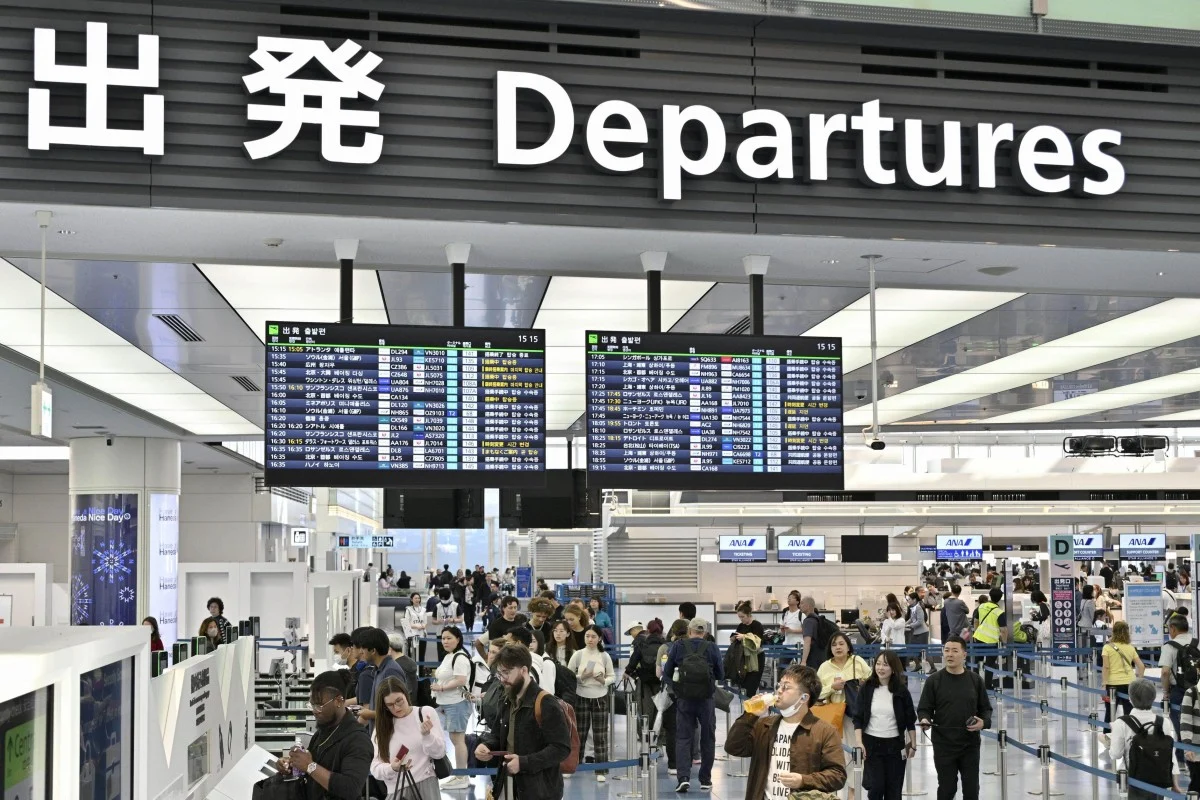
2024年,日本航空(JAL)和全日空(ANA)推出了关于乘客行为的新准则,旨在消除客户骚扰。该准则列出了一系列在机上、值机柜台或电话沟通过程中员工无法容忍的行为。
In 2024, Japan Airlines (JAL) and All Nippon Airways (ANA) introduced new guidelines on behaviour by passengers in an effort to eradicate customer harassment. The guidelines identify a range of actions that will not be tolerated by staff on board aircraft, at check-in or during interactions over the phone.
这些行为包括使用辱骂性、攻击性、侮辱性或歧视性语言,使用威胁性言语或行为,对员工实施身体攻击,提出无理要求以及性骚扰。
These include the use of language that is abusive, aggressive, insulting or discriminatory, using threatening words or actions, physical assault of a member of staff, unreasonable demands and sexual harassment.
ANA的政策还将偷窥和跟踪列为其新乘客行为准则下的违规行为。
The ANA policy also identifies voyeurism and stalking as breaches under its new code of passenger conduct.
日本航空和全日空引用了2024年发生的影响其员工的事件,包括一名乘客在被给错饮料后向空乘人员投掷杯子,以及另一名乘客在飞机准备起飞时想使用厕所。当被要求坐下时,该乘客斥责机组人员,称他们应服从顾客的要求。
JAL and ANA cited incidents in 2024 that had affected their staff, including a passenger throwing a cup at a flight attendant after being given the wrong drink and another who wanted to use the toilet while the aircraft was preparing to take off. When asked to sit down, the passenger scolded the crew, saying they should obey a customer demand.
在另一起事件中,一名因航班延误而愤怒的旅客要求高级经理前往他将要登机的机场航站楼当面道歉。随后,他改为要求航空公司代表到其住所道歉,并威胁要与地面服务人员对峙。
In another incident, a traveller who was furious over a flight delay demanded that a senior manager come to the airport terminal where he was to apologise in person. He later demanded instead that an airline representative visit his home to apologise and threatened to confront ground staff.
全日空在周五向《本周亚洲》发布的声明中表示,该公司一直在通过内部和外部推广各种举措,牵头开展反对员工骚扰的行业行动。
In a statement released to This Week in Asia on Friday, ANA said it had been leading the industry campaign against harassment of staff “by promoting various initiatives both internally and externally”.
“我们的目标不仅是减轻员工的心理负担,还要确保其他顾客能够享受舒适的环境和公平的服务获取途径,”航空公司表示。
“Our goal is not only to reduce the psychological burden on our employees, but also to ensure a comfortable environment and fair access to services for other customers,” the airline said.
“我们已制定内部指南,明确界定顾客骚扰的识别标准和事件处理程序,并对全体官员和员工进行培训,同时为管理人员举办研讨会,”声明补充道。
“We have established internal guidelines specifying criteria for identifying customer harassment and procedures for handling incidents, alongside conducting training for all officers and employees as well as seminars for managerial staff,” it added.
全日空还表示,正在加强部门间协作,以确保员工能够以“坚定和果断的立场”应对客户互动。《本周亚洲》也已联系日本航空寻求置评。
ANA said it was also boosting interdepartmental collaboration to ensure its staff could deal with customer interactions with a “firm and resolute stance”. This Week in Asia has also contacted JAL for comment.
虽然新调查未具体指出对员工实施辱骂行为的人员国籍,但菊地表示,日本乘客也有责任,且其要求正在日益增加。
While the new survey did not specify the nationalities of people who were abusive to staff, Kikuchi said Japanese passengers were also at fault and becoming more demanding.
“日本人习惯于接受高质量的服务,这有时会导致他们对服务水平的期望更高,”她说。“这种情况正在发生变化,并且可以从对工作人员的不尊重行为中看出。因此,我认为这些事件在大多数情况下涉及日本旅客。”在日本旅游行业工作超过15年的旅游营销分析师Ashley Harvey表示,这种问题行为一直存在,但自疫情结束以来,被点名的频率越来越高。
“Japanese have been used to receiving high-quality service, which sometimes causes an expectation of higher levels of service,” she said. “This has been changing and can be seen in the disrespect shown towards staff. So I assume these incidents involve, in most cases, Japanese travellers.”Ashley Harvey, a travel marketing analyst who has worked in Japan’s travel sector for more than 15 years, said such problem behaviour had always existed but was being called out more frequently since the end of the pandemic.
“日本商业世界的各个领域对不良行为的认识更高、容忍度更低,因此以前未被记录和年度统计的事件现在受到更密切的关注,”他说。
“There is greater awareness and less tolerance for misbehaviour in every sector of Japan’s business world, so incidents that were not previously recorded and totalled up every year are now being more closely watched,” he said.
然而,Harvey同时指出,航空体验有时正变得越来越令人不快。
At the same time, however, the airline experience at times is becoming increasingly unpleasant for customers, according to Harvey.
“人太多,空间永远不够,而在过去,你会去柜台找人办理登机手续,但现在航空公司要求我们自己通过自助值机完成所有流程,”他说。
“There are too many people and never enough space, while in the past you would go to the counter to speak to someone to check in, but now airlines require us to do it all by ourselves with automated check-in,” he said.
Harvey淡化了外国旅客造成最多问题的说法,并引用了国内行业所举的一个例子:一名日本乘客要求航空公司官员道歉。
Harvey played down suggestions that foreign travellers were causing the most problems, referring to the example cited by the domestic industry of a Japanese passenger who demanded an apology from an airline official.
“媒体容易把责任推给外国人,但国内航班和国际航班一样繁忙,我乘坐过许多延误的航班,这显然是导致冲突的导火索,”他说。
“It’s easy for the press to blame foreigners but domestic flights are just as busy as international flights and I have been on plenty that have been delayed, which is the obvious flashpoint,” he said.
一位不愿透露姓名的日本空乘人员表示,然而,在她所在的行业中,存在一种看法:执行国内航班的机组人员认为服务日本乘客比服务国际航班上的乘客更容易。
One Japanese stewardess, who declined to be named, said, however, that there was a perception in her industry that crew members who flew on domestic routes found it easier to serve Japanese passengers than customers on board international flights.
“我认为大多数日本乘客对航空公司员工和地面人员更尊重,比许多其他国家的乘客更尊重,这就是为什么许多机组人员申请执飞这些航线,”她说。
“I think most Japanese passengers are more respectful of airline employees and ground staff than many other nationalities, which is why many cabin crew request to fly these routes,” she said.
然而,空乘人员需要“时刻保持警惕”,以观察乘客的整体行为,这位空姐表示。
Nonetheless, cabin crew need to be “constantly alert” to the behaviour of passengers in general, the stewardess said.
她说,她曾目睹工作人员被不恰当地触碰、被辱骂和被威胁的事件。一些乘客甚至会向机组人员提出不当要求,包括一名男乘客“要求我的电话号码”,她补充道。
She said she had witnessed incidents of staff being touched inappropriately, shouted at and threatened. Some passengers would even proposition flight crew, including a male passenger who “demanded my phone number”, she added.