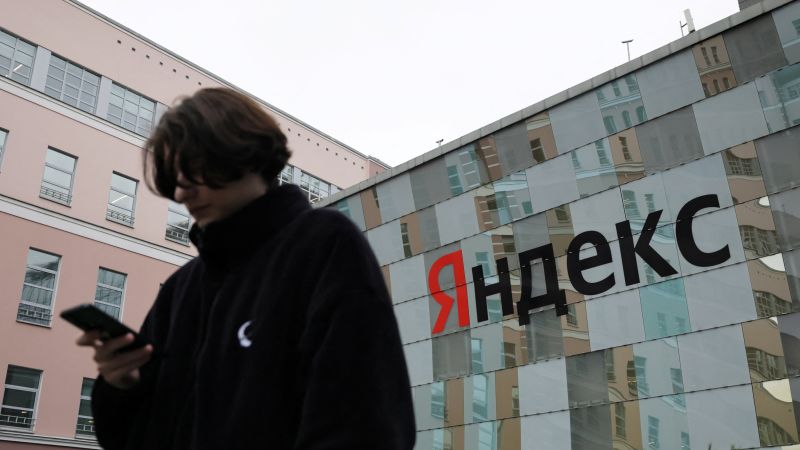
“东西总在坏,东西总在不工作,”来自圣彼得堡的31岁安东说。他某天晚上回到家时,屋子一片漆黑。他的智能灯泡根本无法打开。
“Something is constantly breaking, something is constantly not working,” 31-year-old Anton from St. Petersburg says. He came home one night to darkness. His smart bulbs were not turning on.
这些灯泡由俄罗斯科技公司Yandex供电,该公司提供互联网相关服务和数字产品,包括云计算、搜索、地图、人工智能、打车和外卖 — — 其生态系统相当于谷歌、优步和亚马逊的综合体。
The bulbs are powered by Yandex, a Russian technology company that provides internet- related services and digital products including cloud, search, maps, AI, ride-hailing and food delivery – an ecosystem akin to Google, Uber and Amazon combined.
“当你坐在漆黑的房间里,却真的没有办法打开灯时,这种感觉很奇怪。这就像停电,只是原因相当不寻常,”他对CNN说。
“It’s a strange feeling when you’re sitting in a dark room and don’t really have a way to turn the lights on. It felt like a power outage, just for a rather unusual reason,” he told CNN.
自10月8日起,乌克兰的袭击已导致为Yandex运营供电的五个主要数据中心中的三个受损,扰乱了数百万用户的日常生活。在俄罗斯及其邻国哈萨克斯坦和白俄罗斯,停电影响了从在线支付和商务运营到搜索、导航、打车和外卖的各种服务。
Since October 8, Ukrainian attacks have damaged three of the five major data centers powering Yandex’s operations, disrupting the daily lives of millions of users. Across Russia and neighboring countries such as Kazakhstan and Belarus, outages have affected services ranging from online payments and business operations to search, navigation, ride-hailing and food delivery.
这些袭击暴露了俄罗斯国内数字经济的脆弱性 — — 莫斯科一直鼓励发展该领域,以在西方制裁加剧和企业撤离之后减少对西方技术的依赖,而这种依赖是在其全面入侵乌克兰之后出现的。但数据中心却在这一体系中成为阿喀琉斯之踵。
The strikes expose the vulnerabilities of Russia’s domestic digital economy, which Moscow has encouraged to reduce reliance on Western technology amid biting sanctions and corporate withdrawals following its full-scale invasion of Ukraine, but in which data centers have emerged as an Achilles’ Heel.

基辅将这些袭击描述为对俄罗斯在九月对乌克兰数据中心的袭击的报复 — — 俄罗斯国防部曾嘲讽地将那些袭击称为“数字排毒” — — 这凸显了数字基础设施如今已成为战争中的另一条前线。
Kyiv has framed the attacks as retaliation for Russian strikes on Ukrainian data centers in September – attacks the Russian Defense Ministry mockingly described as a “digital detox” – underscoring how critical digital infrastructure has become another front line in the war.
对于安东来说,他是一名历史老师,出于隐私和安全原因,他只透露了自己的名字。这成为他对克里姆林宫所谓的“特别军事行动”产生疲惫感的又一个理由 — — 该行动如今已进入第五年。
For Anton, a history teacher, who gave only his first name for privacy and safety reasons, this was yet another reason for his weariness of what the Kremlin calls its “special military operation” – now in its fifth year.
过去一年,克里姆林宫也以“安全”为由实施了自己的互联网封锁,打压VPN,并封锁了Telegram和WhatsApp等流行的即时通讯应用。
Over the last year, the Kremlin has also taken to introducing its own internet blackouts for “security” reasons, clamped down on VPNs and blocked popular messaging apps such as Telegram and WhatsApp.
“每次遇到这种情况,都令人极度烦躁。就我而言,每次我只是在想,我对(弗拉基米尔·)普京总统已经厌倦透顶了,”安东告诉CNN。他补充说,在他身边的人看来,当这些袭击发生时,他们并不把责任归咎于乌克兰,而是在想“这一切到底什么时候才能结束?” “普遍存在一种疲惫感。就是对战争的普遍疲惫。每次都让我再次想到:该死,这一切真是太令人筋疲力尽了。在这种条件下生活真是太愚蠢了,”他说。
“Every time you run into something like this, it’s incredibly irritating. In my case, every time I just think about how sick and tired I am of (President Vladimir) Putin,” Anton told CNN. He added that it seems to him that people around him don’t blame Ukraine when these attacks happen but rather think “when is all this finally going to end?”“There’s this general fatigue. Just fatigue from the war in general. Every time it makes me think again: Damn, this is all so exhausting. It’s really stupid that we’re living under these conditions,” he said.
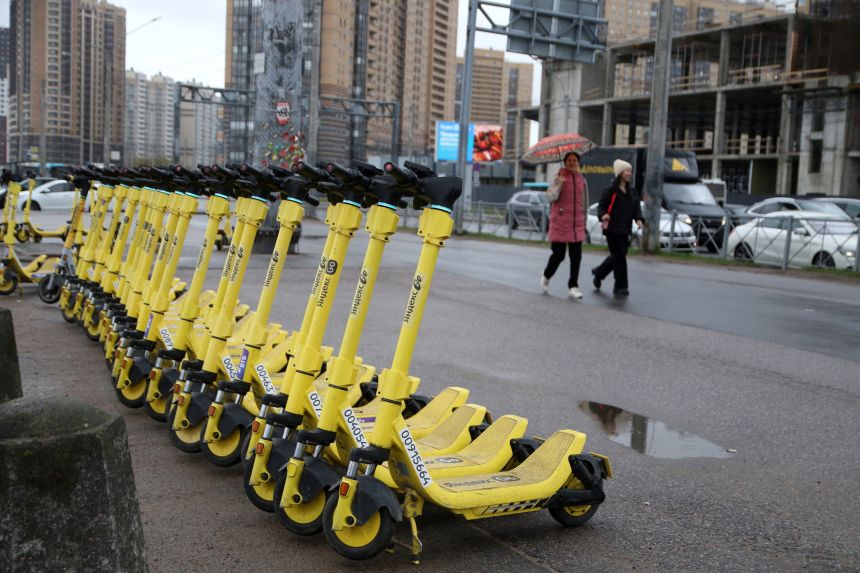
俄罗斯人在很大程度上被隔绝了前线的致命恐怖,但乌克兰试图通过在其领土深处发动无人机袭击来打破战争后果与自身无关的幻觉。乌克兰总统弗拉基米尔·泽连斯基将这些袭击描述为“对克里姆林宫在乌克兰行动的‘远程制裁’。”
Russians are largely shielded from the deadly horrors of the front lines, but Ukraine has sought to shatter the illusion that the consequences of war are far removed through drone strikes deep inside its territory. Ukrainian President Volodymyr Zelensky has described these strikes as “long-range sanctions” for the Kremlin’s actions in Ukraine.
这些袭击产生了影响。普京本人也在公开声明中承认了这一点。对炼油厂的袭击导致了广泛的燃料短缺,而对俄罗斯最大在线零售商Wildberries和Ozon运营的仓库的袭击,则给依赖其网络的微型企业主带来了混乱。
They have had an impact. Putin himself has acknowledged as much in public statements. Attacks on oil refineries have led to widespread fuel shortages, while strikes on warehouses operated by Russia’s largest online retailers, Wildberries and Ozon, have caused chaos for micro-entrepreneurs who rely on their networks.

俄罗斯最大的银行——俄罗斯储蓄银行也报道称,其位于萨拉托夫州巴拉科沃的数据中心在周三遭到袭击。与此同时,克里姆林宫将保护关键基础设施免受乌克兰无人机袭击的责任推给了私营企业。
Russia’s largest bank, Sberbank, also reported an attack on its data center in Balakovo, Saratov Region on Wednesday. The Kremlin, meanwhile, has placed the onus on private businesses to protect their critical infrastructure from Ukrainian drone attacks.
一名33岁的莫斯科出租车司机告诉CNN,他在使用Yandex Pro应用接单和管理订单时遇到了问题,其他司机也有类似情况,这发生在弗拉基米尔地区Yandex数据中心于10月11日第三次被袭击之后。该司机出于对生计的担忧,要求匿名。
A 33-year-old taxi driver in Moscow told CNN he and other drivers had encountered problems with the Yandex Pro app which they use to receive and manage rides, after the third attack on a Yandex data center on October 11 in the Vladimir region. The driver asked to remain anonymous out of concerns for his livelihood.
“起初,该应用开始出现故障:数小时内无法接收订单,即使有订单进来,也常常包含错误。例如,Yandex 可能会派出四辆不同的汽车和司机去处理同一个订单。即使司机到达接客点并致电乘客,也会发现乘客已经乘坐另一辆出租车离开,”他回忆道。
“At first, the app began malfunctioning: No orders would come through for hours, and when they did, they often contained errors. For example, Yandex could send four different cars and drivers to the same order. Even after arriving at the pickup point and calling the passenger, drivers would find out that the passenger had already left in another taxi,” he recalled.
他说最严重的问题是司机无法提取他们赚到的钱,这使得他们难以支付汽车租赁费和燃油费。最终,他不得不将租来的汽车归还给出租车车队,因为他既无法继续开车又无法赚钱,还要为车辆付费。
He said the most serious issue was that drivers could not withdraw money they had earned, making it difficult for them to pay for car rentals and fuel. He ultimately had to return his rental car to the taxi fleet because he could not afford to keep driving and not earning, while still paying for the vehicle.
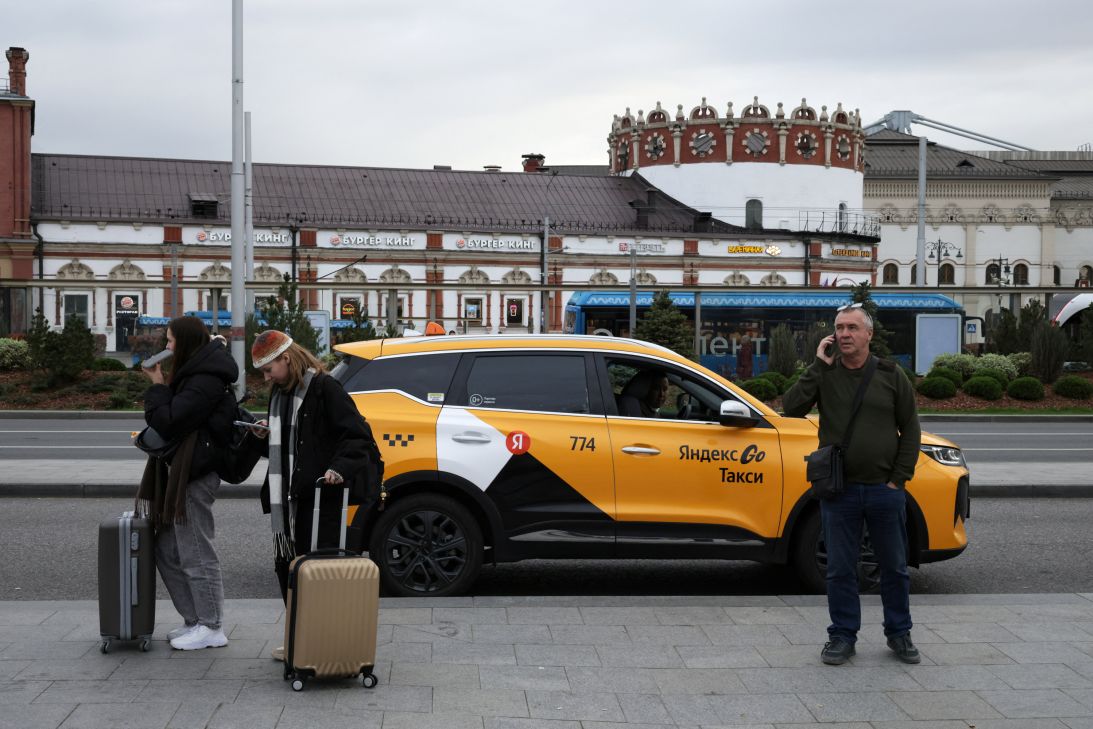
“对许多司机来说,这不仅仅是一个技术故障——这是关系到他们是否能够继续工作、维持生计的问题,”他对CNN说。
“For many drivers, this isn’t just a technical glitch - it’s a question of whether they can continue working and supporting themselves,” he told CNN.
莫斯科居民塔季扬娜(她要求CNN使用化名)表示,她周二早上醒来时发现,她Yandex Pay账户中的150万卢布存款(约合17,830美元)不再可见——这是俄罗斯版的Apple Savings,在2022年全面入侵乌克兰后停止运作。她一直在为买车存钱。
Tatiana, a Moscow resident who asked CNN to use a pseudonym, said she woke up on Tuesday to discover savings of 1.5 million rubles (around 17,830 USD) were no longer visible on her Yandex Pay account – Russia’s equivalent to Apple Savings, which stopped working after the full-scale invasion of Ukraine in 2022. She’d been saving for a car.
“恐慌情绪占了上风,我哭得眼睛都肿了。我正在做好准备,以为自己可能再也看不到这笔钱了。”塔季扬娜说,她希望事情能有个好结果。
“The panic got the better of me, and I cried my eyes out. I was preparing myself for the thought that I might never see that money again.”Tatiana said she is hoping for the best.
Yandex在一份声明中表示,客户的资金是安全的,并且他们正在努力恢复应用服务,以应对对三个数据中心的袭击。
Yandex said in a statement that customers’ money was safe, and it is working on restoring services to the app after the attacks on the three data centers.
乌克兰国防公司Fire Point在X平台上针对该科技巨头金融科技部门负责人迪玛·皮罗戈夫的声明进行了嘲讽。
Ukrainian defense company Fire Point trolled Yandex on X in response to a statement from the tech giant’s head of fintech division, Dima Pirogov.
“迪玛,你有没有试过关机再开机?”Fire Point回复道。
“Dima, have you tried turning it off and on again,” Fire Point replied.
随着乌克兰面临其关键盟友美国的压力,要求其停止对俄罗斯能源基础设施的打击,以保持俄罗斯柴油流向全球市场,来自基辅的信息很明确:它仍然有办法让克里姆林宫的生活变得不舒服。
As Ukraine faces pressure from its key ally, the United States, to halt strikes on Russia’s energy infrastructure and keep Russian diesel flowing to global markets, the message from Kyiv is clear: It still has ways to make life uncomfortable for the Kremlin.