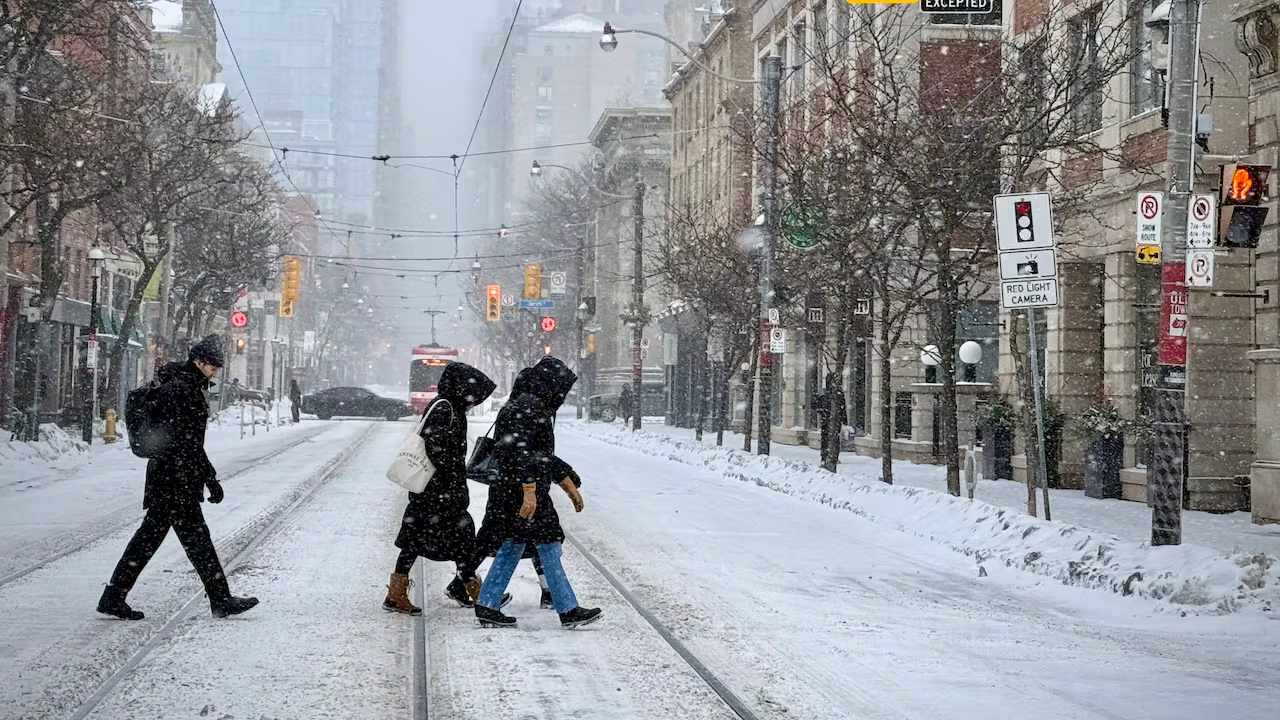
Waymo即将进军多伦多。但通往那里的道路往往会被积雪覆盖——专家表示,这需要时间和训练数据来克服。
Waymo is coming to Toronto. But the road to get there will be an often snow-covered one — and experts say that will take time and training data to overcome.
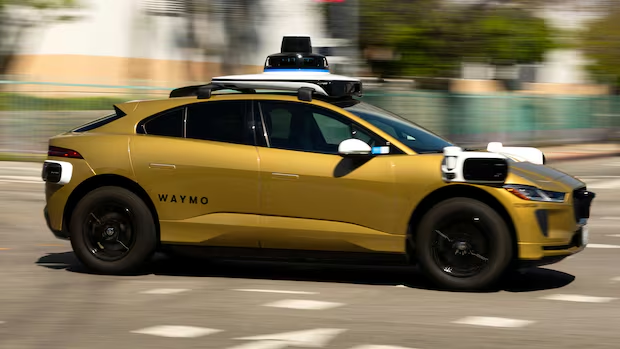
这家美国公司周五表示,计划在未来几天开始在加拿大最大城市的街道上进行测试,车内将配备安全员,作为其“绘制地图和安全验证工作”的一部分。Waymo表示,其目标是让乘客能够在2028年之前在该市叫到其无人驾驶出租车。
The U.S. company said Friday it plans to start testing the streets of Canada's biggest city, with drivers behind the wheel, in the coming days, as part of its "mapping and safety validation work." The goal is for riders to be able to hail one of their driverless cabs by 2028 in the city, Waymo said.
测试将在一天中的所有时间以及一周中的所有日子进行,以此确保该技术能够适应多伦多“独特的驾驶条件”。该公司没有详细说明这些条件是什么。但多伦多大学机器人研究所教授兼主任史蒂芬·瓦斯兰德(Steven Waslander)表示,这很可能意味着雪。
The tests will take place at all hours of the day and night and across all days of the week, in an effort to make sure the technology can adapt to Toronto's "distinct driving conditions." The company didn't expand on what those conditions were. But Steven Waslander, professor and director of the University of Toronto's Robotics Institute, says that likely means snow.
谈到多伦多与Waymo已经投入运营的其他北美城市时,瓦斯兰德说:“最大的不同其实是我们的冬天。”
"The big differentiator is really our winter," Waslander said of Toronto compared to other North American cities where Waymo is already up and running.
“冬季的挑战是(Waymo)尚未在商业上证明能够应对的。”Waymo最初在洛杉矶和亚利桑那州菲尼克斯等气候较暖、降水较少的城市上路,如今其提供网约车服务的绝大多数城市都比多伦多温暖干燥得多。瓦斯兰德认为,这是有原因的,在雪地里运行自动驾驶汽车会带来各种额外的挑战。
"The winter challenge is one that [Waymo] haven't demonstrated commercially yet." Waymo first hit the road in warmer cities with little precipitation like Los Angeles and Phoenix, Ariz., and most of the cities it offers ride-hailing services in today are much warmer and dryer than Toronto. That's for good reason, according to Waslander, who says running autonomous cars in the snow comes with all kinds of extra challenges.
自动驾驶汽车依靠摄像头、雷达和激光雷达系统——利用光线绘制三维环境地图——来确定自身位置。所有这些信息都被输入计算机,结合大量的训练数据,由计算机做出关于在哪里转弯或何时踩刹车的决策。
Autonomous cars rely on cameras, radar and lidar systems — which map the 3D environment using light — to situate themselves. All of that information is fed into a computer, which makes decisions about where to turn or when to hit the brakes, augmented by lots and lots of training data.
滑铁卢大学工程学教授克里斯托弗·恰尔内茨基(Krzysztof Czarnecki)表示,恶劣天气条件可能会给所有这些系统带来挑战。
Adverse weather conditions can pose a challenge for all of those systems, says Krzysztof Czarnecki, an engineering professor at the University of Waterloo.
摄像头和其他传感器可能会被冰雪覆盖,从而降低其效能。大雨和大雪也会削弱驾驶系统检测物体的能力——汽车或路标被雪覆盖时也是如此。
Cameras and other sensors can get covered by snow and ice, making them less effective. Heavy falling rain and snow can also reduce how well the driving system detects objects — as can snow covering cars or street signs.
恰尔内茨基表示,随着自动驾驶汽车接受更多数据的训练,它们在检测被遮挡物体(如被雪覆盖的路标)方面会变得更好。但他表示,在理解这些物体方面,自动驾驶系统仍然不如人类那样游刃有余。
Czarnecki says as autonomous vehicles are trained on more data, they get better at detecting obscured objects like snow-covered signs. But he says autonomous systems still struggle to make sense of them more than a human would.
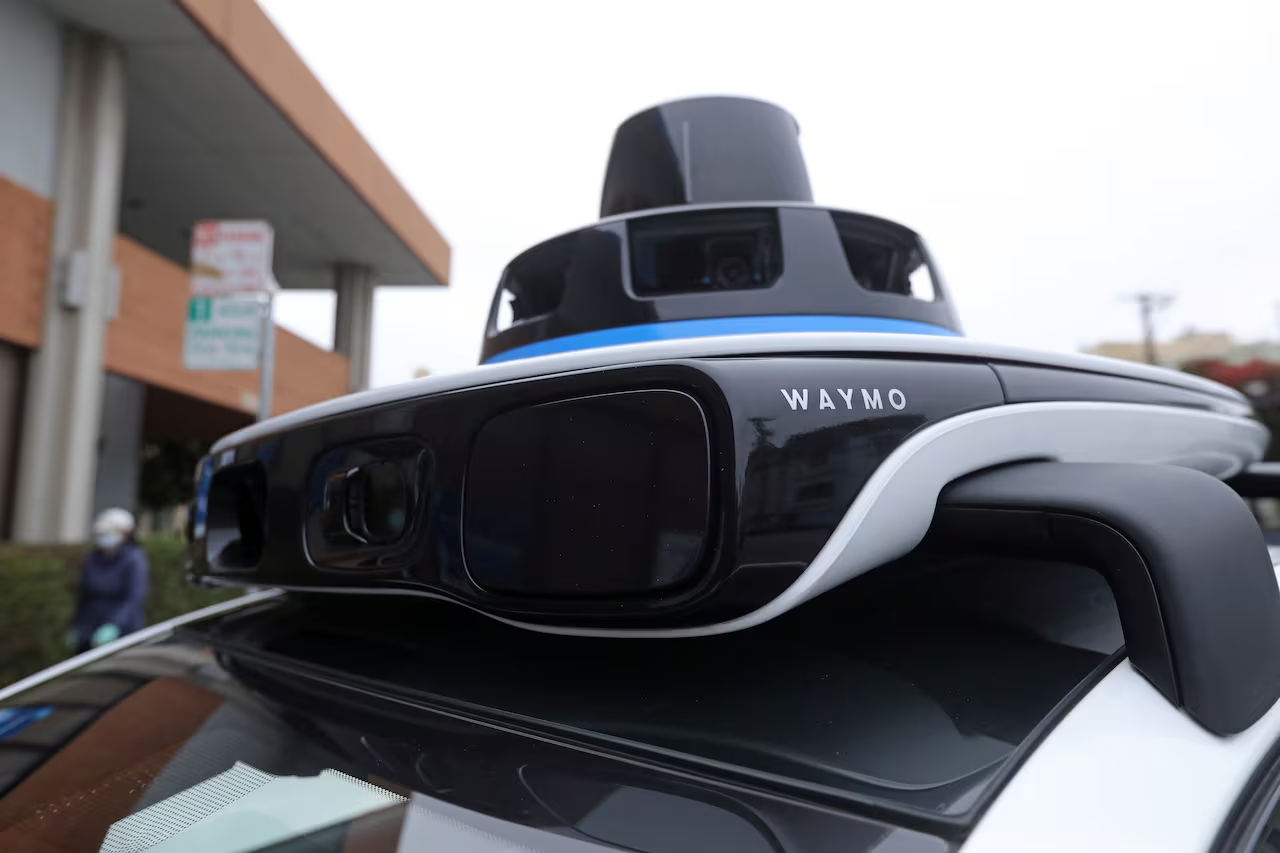
恰尔内茨基说,当大雪纷飞时,其他司机的行为也会发生变化,这使得自动驾驶汽车更有可能被他们的行为或行人的行为搞得“糊涂”。
Other drivers also change their behaviour when snow flies, Czarnecki says, making autonomous vehicles more likely to get "confused" by their actions or those of pedestrians.
适应这些因素需要时间,因为恰尔内茨基表示,这些车辆需要在这些环境中进行测试和微调。
Adjusting to those kinds of elements takes time, as Czarnecki says the vehicles will need to be tested and fine-tuned in those environments.
“天气越恶劣,工程挑战就越大。”这就是为什么已经在加拿大上路的某些自动驾驶汽车在恶劣天气下不会运行的原因。
"The more challenging the weather, the more challenging the engineering." That's why some autonomous cars already on the road in Canada don't run in poor weather.
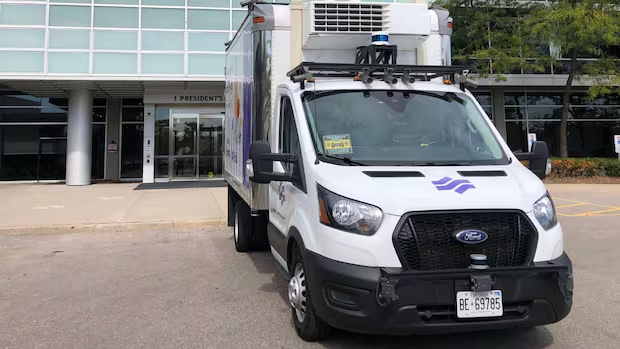
例如,美国初创公司Gatik在多伦多地区为罗布劳公司运营着50辆自动驾驶卡车,它们可以日夜行驶并应对复杂的驾驶情况。但它们的底线是不在暴雨或大雪中行驶。Waymo准备好迎接冬天了吗?
U.S. startup Gatik, for example, which runs 50 self-driving trucks for Loblaws in the Toronto area, can drive day or night and handle complex driving situations. But it draws the line at heavy rain or snow. Is Waymo winter-ready?
多伦多大学研究员史蒂夫·瓦斯兰德一直在研究自动驾驶汽车如何在冬季条件下运行,他表示,这些障碍虽然很大,但并非不可克服。所需要的是工程解决方案,包括通过在恶劣天气下驾驶汽车收集更多数据,Waymo系统可以利用这些数据进行训练。
Steve Waslander, a researcher at the University of Toronto who's been studying how autonomous vehicles function in wintery conditions, says those hurdles are big, but not insurmountable. What's needed are engineering solutions, including more data gathered by driving cars in poor weather which the Waymo system can be trained on.
瓦斯兰德说:“所有现有的用于检测、追踪、预测、规划和控制的技术——都可以应用。”
"All of the existing techniques for detection, tracking, prediction, for planning, for control — they can all be applied," Waslander said.
“你只需要知道自己身处这些环境,并将这些训练信息纳入你构建系统的方式中。”Waymo一直在纽约州北部和密歇根州上半岛等积雪地区测试其技术。该公司还在科罗拉多州丹佛市全面运营,并在明尼阿波利斯和底特律等美国更靠北、更寒冷的城市进行测试。
"You just have to know that you're in these conditions and include that training information in the way you build the system." Waymo has been testing its tech in snow-filled regions, like upstate New York and Michigan's Upper Peninsula. The company is also fully operating in Denver, Colo., and is conducting tests in colder, more northern U.S. cities like Minneapolis and Detroit.
根据Waymo网站的信息,该公司已在下雪天积累了数万小时的驾驶里程。这些风雪天气行程中的数据被用来训练其自动驾驶系统——该系统的最新版本拥有超过1亿英里的自动驾驶经验——以适应各种路况。
According to the Waymo website, the company has logged tens of thousands of hours driving in snowy weather. The data from those blustery trips is used to train its autonomous driver system — the latest iteration of which has more than 100 million miles of autonomous driving experience — to adapt to all kinds of conditions.
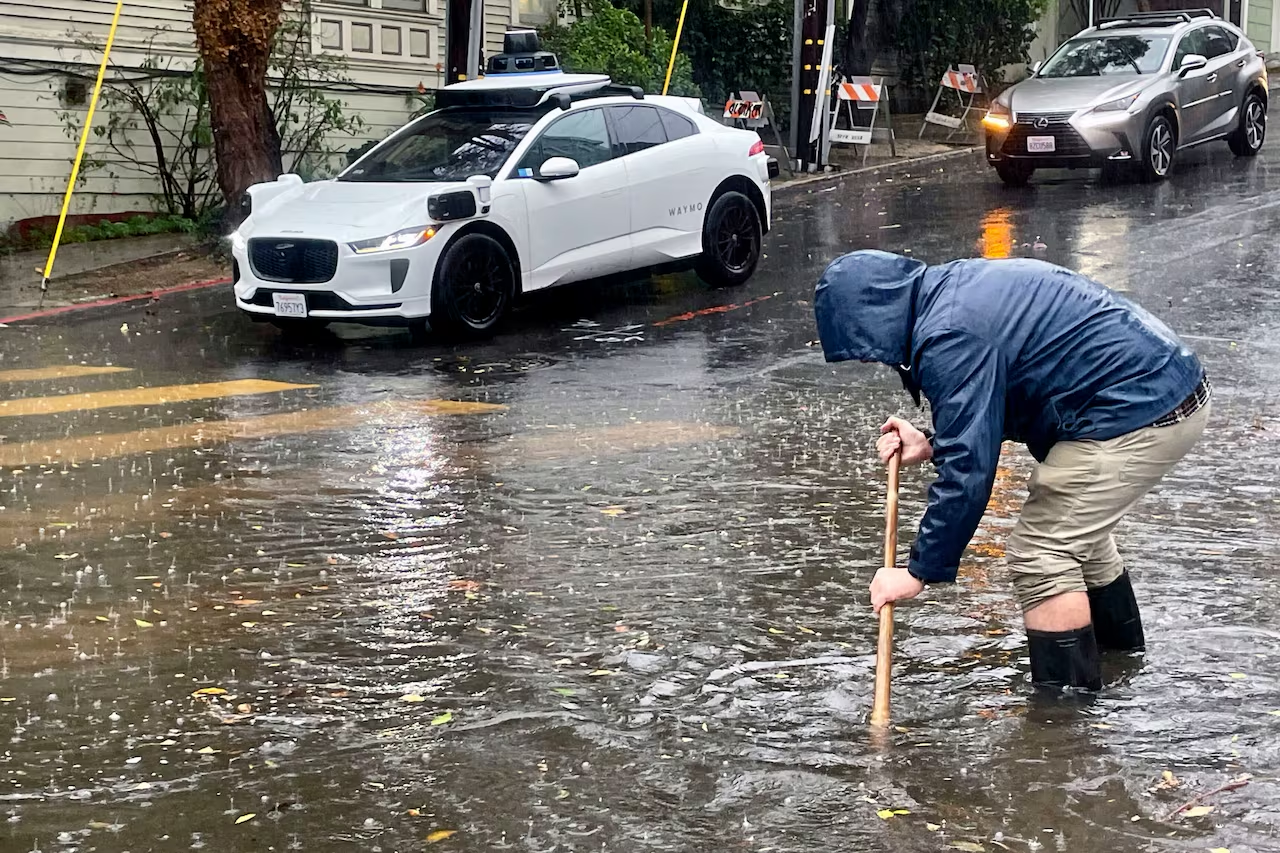
Waymo在给加拿大广播公司新闻(CBC News)的电子邮件声明中表示:“目前,我们在美国的冰点以下温度环境中运营,包括应对霜冻和冰雹,并且我们正在验证我们的系统,以应对更恶劣的天气条件。”
"Today, we operate at below-freezing temperatures in the U.S., including with frost and hail, and we’re validating our system to navigate harsher weather conditions," Waymo said in an emailed statement to CBC News.
不过,仍然需要更多的冬季驾驶数据。Waymo负责天气的产品负责人于2025年告诉《边缘》杂志(The Verge),下雪天气通常占总驾驶数据的不到百分之五,尽管该公司正在使用人工智能方法来增强和推进冬季驾驶能力。
Still, more winter driving data is needed. Waymo's product lead for weather told The Verge in 2025 that snowy conditions often made up less than five per cent of total driving data, though the company was using AI methods to augment and make progress on winter driving capabilities despite that.
沃斯兰德表示,向如此多的其他多雪市场的扩张将有助于收集这些数据。沃斯兰德称,当Waymo进入一座新城市时,通常会部署一支由50到100辆汽车组成的车队,在各种条件下绘制城市地图。
Waslander says with the expansions into so many other snowy markets will help collect that data. When Waymo arrives in a new city, Waslander says it usually deploys a fleet of 50 to 100 vehicles to map a city in all kinds of conditions.
沃斯兰德说:“如果他们在多个不同的城市这样做,恶劣天气条件所占的比例将会持续增长。”
"If they do that across [multiple] different cities, you know, the percentage of weather conditions that are adverse will continue to grow," Waslander said.
除了数据之外,Waymo还使用加热器和微型雨刷器来保持摄像头清晰以及传感器免受冰冻。该公司表示,当汽车在路上行驶时,它们就像“移动气象站”一样,收集有关天气是大雾、下雨还是其他情况的数据,并将其与车队的其余部分共享,以便其他车辆可以使用这些最新信息。
Aside from the data, Waymo uses heaters and mini windshield wipers to keep its cameras clear and sensors ice-free. And while cars are out on the road, they act like "mobile weather stations" according to the company, collecting data about whether the weather is foggy, rainy or something else, and sharing that with the rest of the fleet so other cars can use that up-to-date information.
尽管如此,截至2025年8月,Waymo向一家科技出版物表示,它尚未“验证Waymo司机”能够在下雪天完全在没有人类驾驶员的情况下运行。
Still, as of August 2025, Waymo told a tech publication that it hadn't "validated the Waymo driver" to operate completely without a driver in snowy conditions.
但Waymo计划直到2028年才在多伦多部署其网约车服务,瓦斯兰德(Waslander)表示,他预计这将为该公司留出足够的时间来解决与冬季相关的问题。
But Waymo doesn't plan to deploy its ride-hailing service in Toronto until 2028, which Waslander says he expects will give the company enough time to problem-solve winter-related issues.
Waymo将在多伦多启动无人驾驶出租车测试的第一阶段 美国一项研究发现,Waymo无人驾驶汽车的撞车事故比人类司机少68% 沙尔内茨基(Czarnecki)预计,分阶段的方法也可能是可行的,即自动驾驶汽车在条件良好时运行,但在初期遭遇恶劣天气时停止服务,随着系统的改善,逐渐能够在越来越差的天气下保持功能。
Waymo to launch first phase of driverless taxi testing in Toronto Waymo’s driverless cars involved in 68% fewer crashes than human drivers, U.S. study finds Czarnecki expects a phased approach might also be possible, where autonomous cars operating while conditions are good but shut down in bad conditions at first, and gradually stay functional in poorer and poorer weather as the system improves.
这与该公司在其已运营的其他城市遭遇暴雨等极端天气事件时的做法没有什么不同,即在道路条件特别糟糕时暂停服务。沙尔内茨基说:“我认为这是一个需要……好几年的过程。”
That's not unlike what the company has done during extreme weather events such as heavy rain in other cities where it's already operating, pulling service when road conditions are particularly bad. "I see this as a process that will take … a number of years," Czarnecki said.