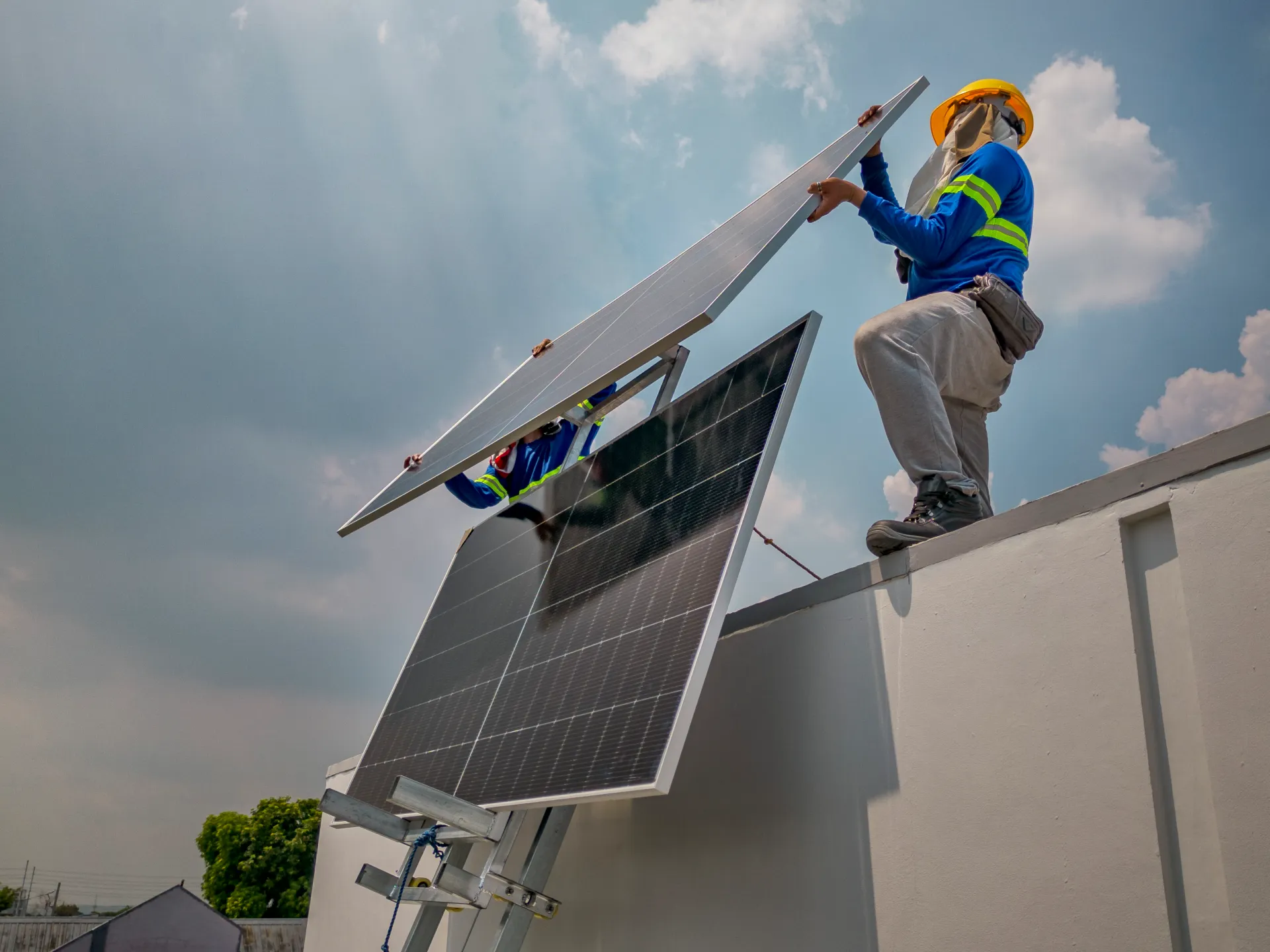
基思·坎特拉(Keith Cantera)和他的家人多年来一直考虑在家里拥有自己的太阳能电网。但花高达5000美元购买太阳能电池板绝非小事,因此他们将这个想法搁置了一旁。
Keith Cantera and his family have been thinking about having their own solar power grid at home for years. But spending up to $5,000 for solar panels was nothing to scoff at, so they put the idea on the back burner.
这一切在今年发生了改变,当时美以对伊朗的战争震荡了全球能源市场,并导致电价飙升。坎特拉说,在2月下旬战争爆发之前,他们家的每月电费约为150美元,此后飙升至高达220美元。八个月后,他们正在屋顶上安装太阳能电池板。
It all changed this year when the United States-Israel war on Iran rattled global energy markets and sent electricity prices soaring. From paying a monthly bill of about $150 before the war began in late February, Cantera said his family went to forking out as much as $220. Eight months later, they are having solar panels installed on their rooftop.
“根据目前的费率,成本大约相当于我们支付三到四年电费的开销,”坎特拉说。“但在第五年,我们将收回投资,电力基本上就会是免费的。”坎特拉是越来越多的转向太阳能发电的菲律宾房主之一,在这个国家,甚至在战争爆发之前,其电费就已经是东南亚最高的。这些电费仅与新加坡相当,而新加坡的平均收入是该国的好几倍以上。
“The cost is about the same as paying our electric bills for three or four years based on the current rate,” Cantera said. “But in the fifth year, we’ll have recovered our investment, and electricity will essentially be free.”Cantera is one of a growing number of Filipino homeowners turning to solar power in a country that had Southeast Asia’s highest electricity costs even before the war. They were comparable only to Singapore, where the average income is more than 10 times higher.
能源智库 Ember 的一份报告估计,自2025年初以来,菲律宾的屋顶太阳能电池板数量几乎翻了一番。
report by the energy think tank Ember estimated that rooftop panels had nearly doubled in the Philippines since early 2025.
根据中国(绝大多数太阳能电池板的制造国)的政府贸易数据,在3月至5月战争爆发的前几个月里,对太阳能的抢购潮带来了4.07亿美元的电池板进口额。菲律宾在此期间成为了最大的单一海外市场。只有荷兰购买的更多,但荷兰是将这些电池板转售到欧洲其他地区。
And in the first months of the war from March to May, the rush for solar power led to $407m in panel imports, according to government trade data from China, where most panels are manufactured. The Philippines became the biggest single overseas market for that period. Only the Netherlands bought more, but it redistributes them to the rest of Europe.
太阳能供应商 Solarmaxx 的首席执行官雷克萨斯·格雷波(Lexus Grepo)证实了这一繁荣景象。
Lexus Grepo, CEO of the solar power supplier Solarmaxx, can attest to the boom.
“现在有30天的等待期,因为太阳能电池板的运货跟不上,”格雷波说。“3月份我们有40个项目,几乎是我们每月客户量的三倍。从那以后,我们每个月都在安装25到30个系统。”格雷波预计,即使中东紧张局势缓解、能源供应航线重新开放,需求也不会放缓。
“There is a 30-day wait because solar panel shipments can’t keep up,” Grepo said. “In March, we had 40 projects, which was almost triple our monthly clientele. Since then, we have been setting up 25 to 30 systems a month.”Grepo does not expect demand to slow down even if tensions in the Middle East ease and shipping routes for energy supplies reopen.
“我认为人们现在意识到世界是一个充满变数的地方,所以他们必须为任何可能的情况做好准备。菲律宾人现在看到,他们不一定非得受制于全球能源市场。”菲律宾是该地区少数几个电力没有补贴的国家之一,其电力结构的70%以上依赖进口煤炭和天然气。该国货币比索已跌至兑美元超过63比1的历史新低,这使得这些进口商品更加昂贵。
“I think people now realise that the world is an unpredictable place, so they have to be ready for any eventuality. Filipinos now see that they don’t necessarily have to be at the mercy of the global energy market.”The Philippines, one of the few countries in the region where electricity is not subsidised, relies on imported coal and gas for more than 70 percent of its power mix. The value of its currency, the peso, which has slid to a record low of more than 63 to the US dollar, is making these imports even costlier.
3月下旬,总统小费迪南德·马科斯(Ferdinand Marcos Jr)针对这场战争以及他所描述的对国家能源供应构成的“迫在眉睫的危险”,宣布国家进入能源紧急状态。尽管如此,电价仍在继续上涨。
In late March, President Ferdinand Marcos Jr declared a national energy emergency in response to the war and what he described as the “imminent danger” posed to the national energy supply. Still, electricity rates have continued to increase.
转向太阳能的部分原因也是由于对电力公司的愤怒,这些电力公司因向客户收取所谓的系统损耗(其中包括私拉乱接)而受到审查。
The shift to solar is also partly driven by anger at electric companies that have come under scrutiny for charging customers for so-called system losses, which include illegal connections.
*坎特拉说,得知自己必须为别人的用电量买单是压垮骆驼的最后一根稻草。
Cantera said learning about having to pay for someone else’s electricity consumption was the last straw.
“谁会同意为自己没有使用的东西付钱呢?我们花的电费又不是从天上掉下来的,”他补充道。
“Who would agree to paying for something that you did not use? It’s not like the money we spend for electricity just fell from heaven,” he added.
然而,尽管需求激增是真实存在的,但太阳能发电系统的前期成本对大多数菲律宾人来说仍然过高。政府在3月推出了一项新计划,为住宅屋顶安装提供贷款,但这些贷款仅限于公共部门的工人。
But while the soaring demand is real, the upfront cost of a solar power system is still too high for most Filipinos. The government in March launched a new initiative offering loans for residential rooftop installations, but these are available only to public sector workers.
官员们希望能够为大多数人降低电价的是正在筹备中的数十个可再生能源项目,其中包括位于首都马尼拉以北的一个占地3500公顷(8650英亩)的太阳能发电场,该项目预计将成为世界最大太阳能发电场。全面投入运营后,该项目预计将为240万户家庭产生850兆瓦的电力。
What officials hope can bring power rates down for the majority of people are the dozens of renewable energy projects in the pipeline, including a 3,500-hectare (8,650-acre) solar farm north of the capital, Manila, that is projected to be the largest in the world. When fully operational, the project is expected to generate 850 megawatts of electricity for 2.4 million households.
*但一些消费者表示,此类项目可能需要数年时间才能完成,如果不采取行动,他们将面临不断膨胀的电费账单。
But some consumers said such projects could take years to complete, leaving them with ballooning electricity bills unless they take action themselves.
“现在的情况真是太不可预测了。面临着即将到来的厄尔尼诺天气模式。
“It’s just so unpredictable nowadays. You have the impending El Nino weather pattern.
还有战争、持续的燃料价格上涨以及更多因素,”坎特拉说。“所以,为什么不利用自然资源呢?”
There’s still war, the continuing fuel price hikes and so much more,” Cantera said. “So why not utilise a natural resource?”