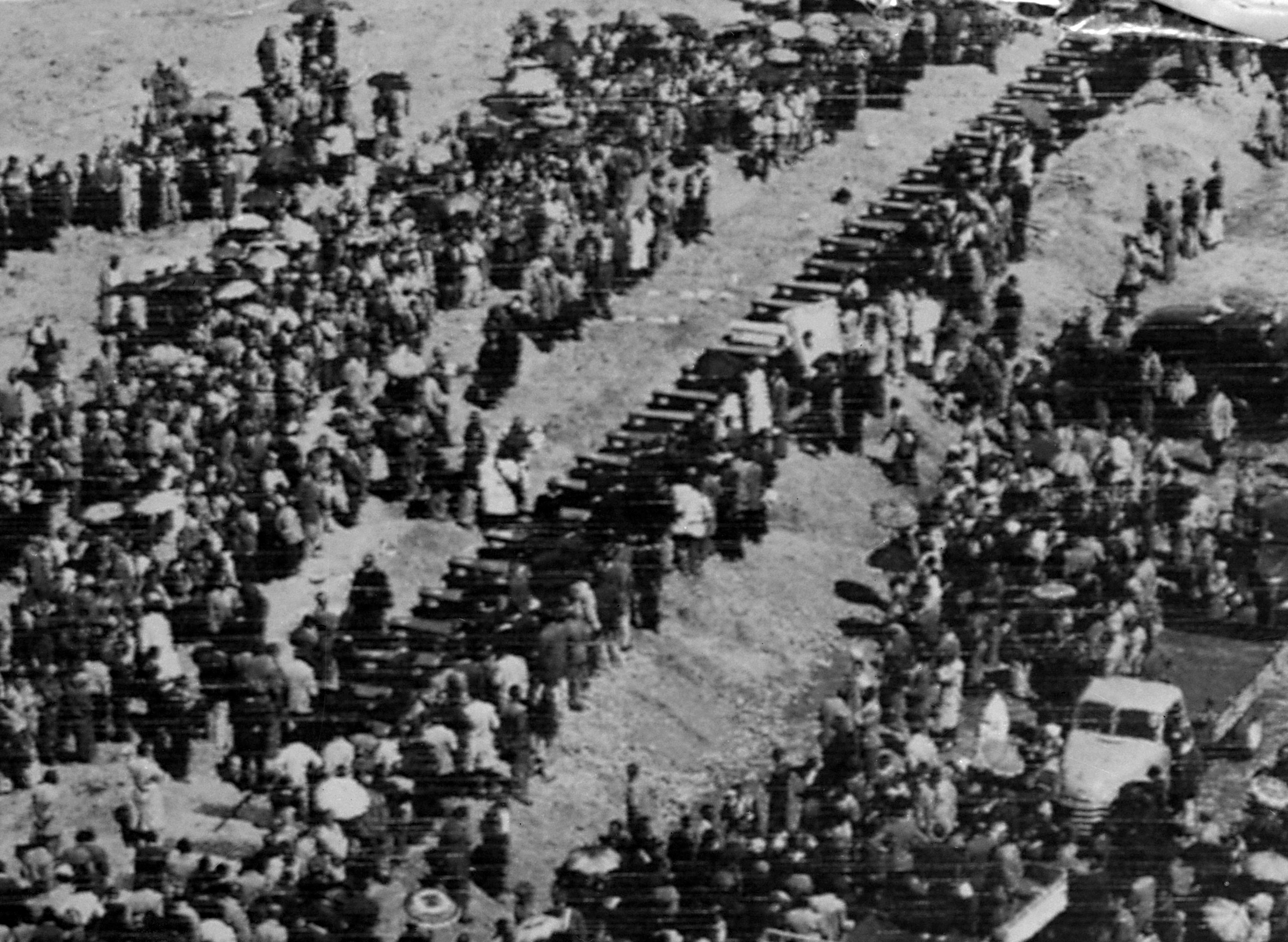
1960年3月30日,南非沙佩维尔为69名在反种族隔离抗议中被警察杀害的人举行了大规模葬礼。六十多年后,受害者家属正重新发起争取正义的斗争。
A mass funeral is held in Sharpeville, South Africa, on March 30, 1960, for 69 people killed by police during an anti-apartheid protest. More than six decades later, victims' families are renewing their fight for justice.
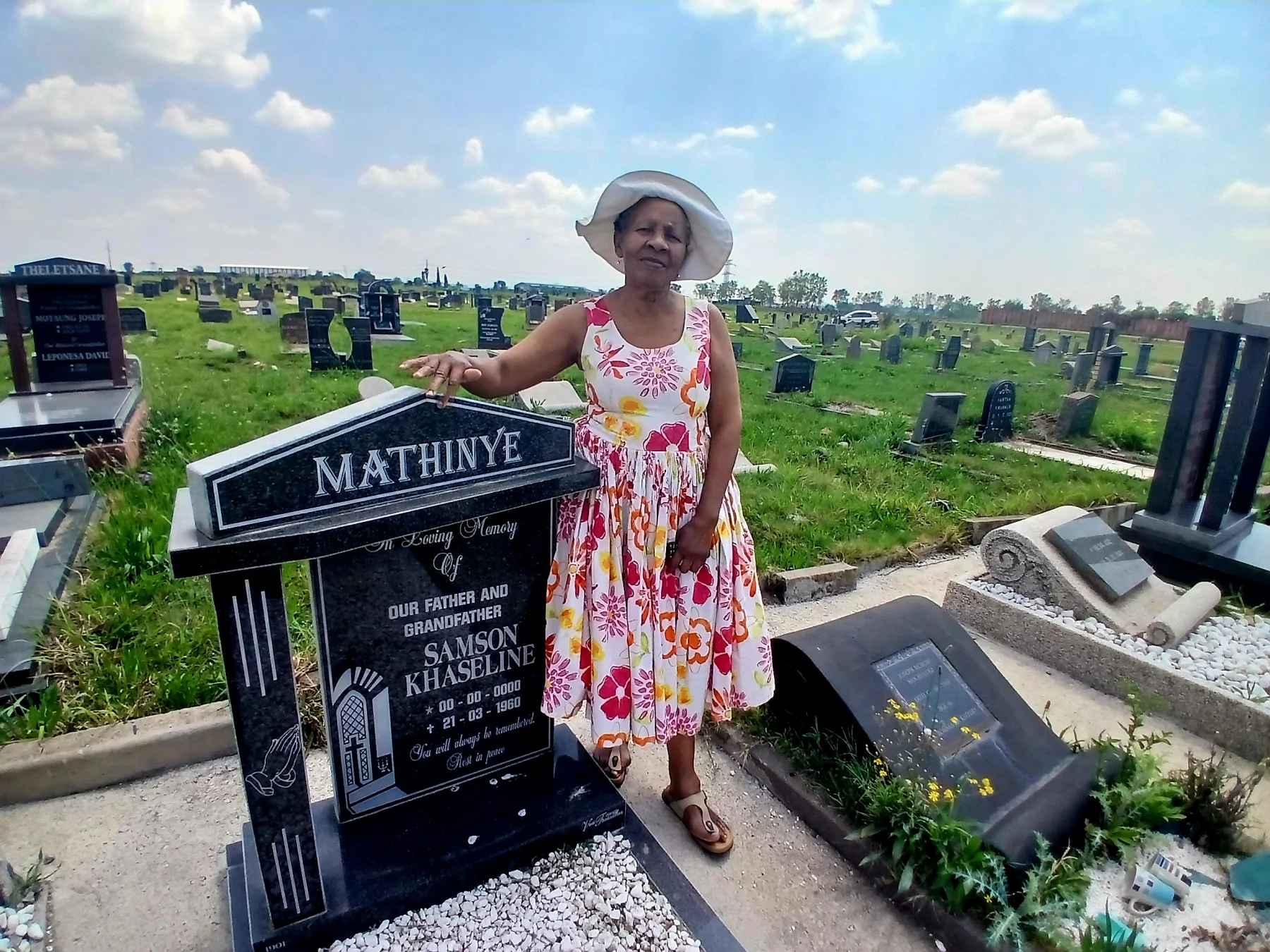
南非沙佩维尔——保利娜·马蒂尼耶在墓地里指着杂草丛生、遍布垃圾的墓穴行列,痛苦地挥舞着手臂,她父亲就埋葬在这里。
SHARPEVILLE, South Africa – Paulina Mathinye gestures with anguish at the rows of garbage-strewn graves, overrun with weeds, in the cemetery where her father is buried.
“看看那里,他们睡觉的地方,”她说,指的是埋在这里的数十名黑人抗议者,他们全部是在1960年3月21日警察开火时被杀害的,这一天后来成为 apartheid 历史上最血腥的一天之一。
"Look at that, where they sleep," she says of the dozens of Black protesters buried here, all of whom were killed when police opened fire on March 21, 1960 in what became one of the bloodiest days in apartheid history.
“他们为什么这么脏?这是一种耻辱,”71岁的祖母说,她穿着花卉连衣裙和一顶整洁的遮阳帽。
"Why are they dirty? It's a disgrace," says the 71-year-old grandmother, who wears a floral dress and a smart sunhat.
这个墓地,就像这个从约翰内斯堡开车约一小时车程、明显贫困的城镇的许多其他地方一样,被遗弃而荒废。但马蒂尼耶指出,至少每年有一天,当南非的政治精英前来纪念这场大屠杀时,墓地会被打扫得一尘不染。这一天是公众假日,被称为人权日。
The cemetery, like much else in this visibly poor township about an hour's drive from Johannesburg, has been left to decay. But Mathinye notes that for one day a year at least, when South Africa's political elite descend to commemorate the massacre, the graveyard is spotless. The anniversary is a public holiday known as Human Rights Day.
“我仍然愤怒。我的愤怒爆发出来,因为那天是我父亲被枪击的日子,”马蒂尼耶说,当时她只有五岁。
"I'm still angry. My anger comes out because that's the day my father was shot," says Mathinye, who was just five years old at the time.
她说,她父亲在那场后来成为反种族隔离斗争转折点的事件中的作用,没有得到当前民主政府的足够认可。她说,她想要正义——哪怕是迟到的正义。
She says her father's part in what became a turning point in the struggle against apartheid has not been sufficiently recognized by the current democratic government. And she says she wants justice – however delayed.
2026年9月23日,保利娜·马蒂尼耶站在南非沙佩维尔墓地她父亲的墓前。
Paulina Mathinye stands at her father's graveside at a cemetery in Sharpeville, South Africa, on 23 September, 2026.
凯特·巴特勒特/NPR 这就是她为什么报名参加可能的集体诉讼,66年后,与沙佩维尔的幸存者和受害者家属一起。
Kate Bartlett/NPR That's why she's signed up to take part in a potential class action lawsuit 66 years later, along with Sharpeville survivors and the families of Sharpeville victims.
那天至少有69人被警察开枪击中。他们当时正在抗议该国的通行证法——该法律限制了黑人的流动以及他们可以居住和工作的地方。
At least 69 people were shot by police that day. They had been demonstrating against the country's pass laws – which restricted black people's movements and where they could live and work.
目前尚不清楚肇事者是否仍在世,但参与该案的人们希望此案能够推动赔偿。
While it's unclear if any perpetrators are still alive, those taking part in the case hope it could lead to reparations.
但首先,该团队的律师必须挑战一项仍在阻碍他们寻求法律救济的种族隔离时期的法律。该法律在种族隔离结束、黑人多数政府上台数十年后仍然有效。
But first, the group's lawyers must challenge an apartheid-era law that continues to block their efforts to seek legal redress. The law remains in force decades after apartheid ended and a Black-majority government took power.
九月,他们在豪登高等法院提起诉讼,质疑《1961年赔偿法第61号》的持续存在。如果法院认定该法律违宪,并且还为遇难者的幸存者及其家属认证了集体诉讼,那么个人损害赔偿的索赔可能随之而来。马蒂涅说,1960年那天的后果影响了她的一生。
In September they filed an application in the Gauteng High Court challenging the continued existence of the Indemnity Act 61 of 1961. If the court finds the law unconstitutional, and also certifies a class action for survivors and dependants of those killed, then claims for individual damages could follow. Mathinye says the repercussions of that day in 1960 have affected her whole life.
由于失去了家庭主要经济来源的父亲,她无法完成学业。这反过来又影响了她的子女和孙辈的生活。
Without her father, the main breadwinner, she couldn't finish school. That, in turn, affected the lives of her children and grandchildren.
“因此我们一直挣扎。而且我们现在仍在挣扎,因为什么都没有发生,”她对NPR说道。
"So we struggled a lot. And we are still struggling now, because nothing has been happening," she told NPR.
如果案件继续进行并取得成功,保利娜表示她将用任何赔偿款来修缮她的简陋住宅,并为她的四个孙子孙女支付教育费用。
If the case goes ahead and succeeds, Paulina says she'll use any money from reparations to fix up her modest home and pay for her four grandkids' educations.
更广泛趋势的一部分 沙佩维尔案只是新一波法律行动中的一起,这些行动旨在为种族隔离时期的罪行寻求真相、问责和赔偿,趁此尚未太晚。
Part of a wider trend The Sharpeville case is just one in a new wave of legal efforts that are seeking truth, accountability and reparations for apartheid-era crimes before it's too late.
“正确处理这些深层不公正问题至关重要,南非必须正视它们,而不能把它们藏起来,”代表沙佩维尔幸存者及其家属的南非法律团队的国际人权律师丹尼尔·利德说。
"It's crucial that these issues of deep injustice are properly dealt with and that South Africa confronts them and does not sweep them under the carpet," says Daniel Leader, an international human rights lawyer advising the South African legal team representing the Sharpeville survivors and families.
其他案例包括去年的一项法院裁决,认定南非首位诺贝尔和平奖得主、酋长阿尔伯特·卢图利是在1967年被种族隔离时期的警察打死的。
Other cases include a court ruling last year that found South Africa's first Nobel Peace Prize laureate, Chief Albert Luthuli, was beaten to death by apartheid police in 1967.
卢图利是非洲人国民大会的前领袖 — — 纳尔逊·曼德拉的政党 — — 此前曾被裁定为死于被火车撞击。新的裁决推翻了此前调查的结论。
Luthuli, the former leader of the African National Congress — Nelson Mandela's party — had previously been ruled to have died after being struck by a train. The new ruling overturned the finding of an earlier inquest.
对1985年四名被称为“克拉多克四人”的反种族隔离活动人士遇害事件的调查也已重新启动。这些活动人士在东开普省克拉多克镇附近被种族隔离安全部队绑架并杀害。尽管涉案警官均已去世,但受害者家属希望此次调查能够查明是谁下令实施了这些杀害。
The inquest into the 1985 killings of four anti-apartheid activists known as the " Cradock Four " has also been reopened. The activists were abducted and killed by apartheid security forces near the Eastern Cape town of Cradock. Although the officers involved are all dead, the victims families hope the inquest will establish who ordered the killings.
此外,对标志性黑人意识运动领袖史蒂夫·比科的酷刑与死亡事件的调查也已重新提交法庭。比科于1977年在警察拘留期间死亡。
And the inquest into the torture and death of Steve Biko, the iconic Black Consciousness leader who died in police detention in 1977, has also returned to court.
“史蒂夫·比科的谋杀非常明显,那就是谋杀,”比科的儿子恩科辛纳西在九月于重新启动的调查期间对媒体表示。“我们希望此次调查最终能得出这一非常明确、无歧义的结论。”史蒂夫·比科的家人 — — 南非黑人意识运动领袖 — — 正等待其在普利托利亚监狱死亡事件的调查于1977年11月14日开始。从左至右依次为:他的哥哥卡亚·比科;他的遗妻农次克勒洛·比科;他的姐妹诺巴尼莱·姆沃沃;以及他的母亲爱丽丝·比科。
"It's very clear that the murder of Steve Biko was exactly that, murder," Biko's son Nkosinathi told media in September at the reopened inquest. "We hope that this inquest will eventually get to this very certain, unambiguous finding." The family of Steve Biko, South African Black Consciousness leader, await the start of an inquest into his prison death in Pretoria, Nov. 14, 1977. From left to right: his older brother Kaya Biko; his widow Nontsikelelo Biko; his sister Nobanile Mvovo; and his mother, Alice Biko.
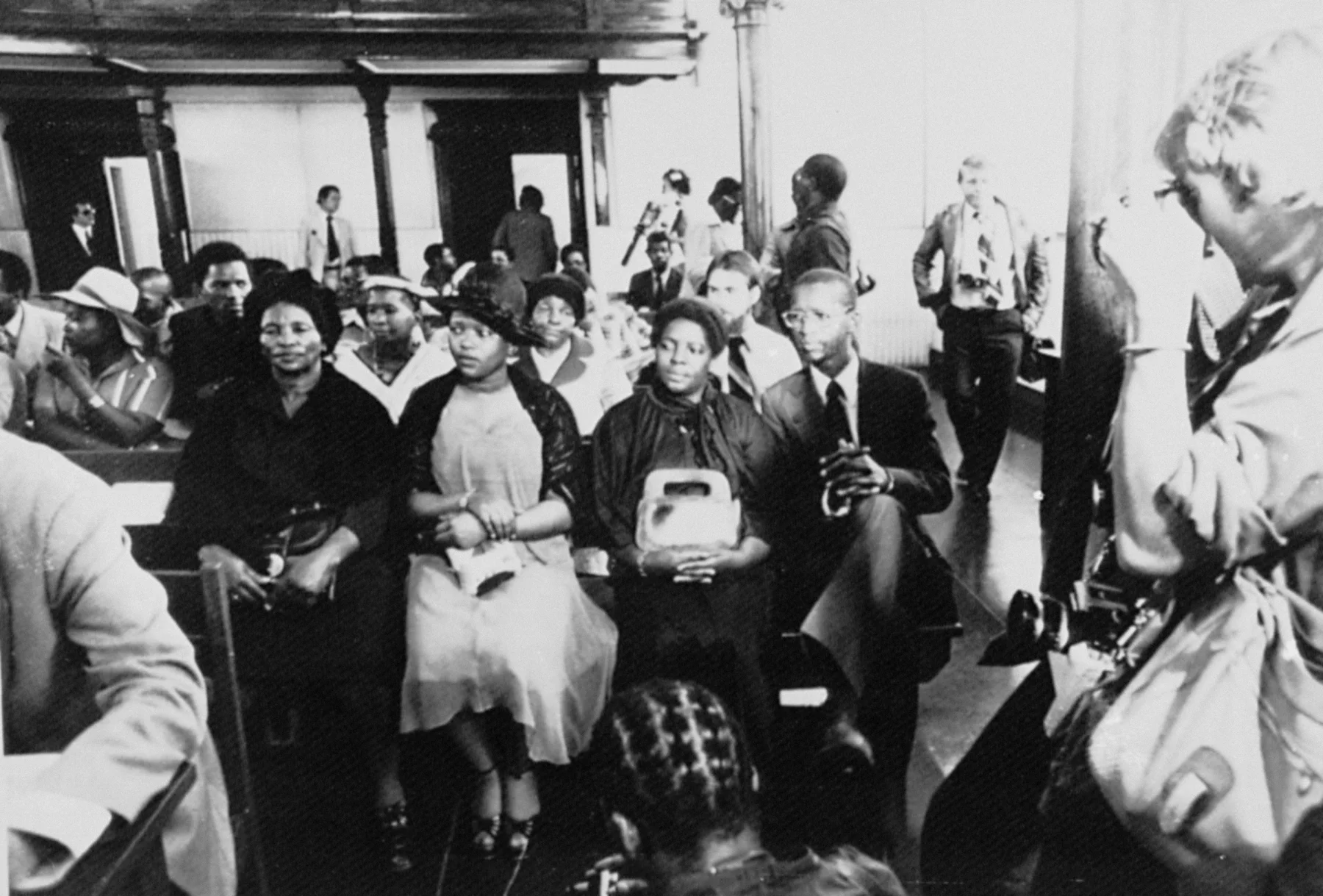
匿名 / 开普阿格斯 / 美联社1977年原始调查曾听取安全部门人员的证词,他们称比科是在与安保警察的“冲突”中摔倒并撞到头部。真相与和解委员会(TRC)是一个类似法庭的恢复性司法机构,成立于1990年代,旨在揭露 apartheid 时期的人权侵犯真相,并重新审查了比科案。
Anonymous/CAPE ARGUS/AP original inquest in 1977 heard from members of the security branch who said Biko had fallen and hit his head in a "scuffle with security police." The Truth and Reconciliation Commission (TRC) a court-like restorative justice body set up in the 1990s to uncover the truth about human rights violations during apartheid, re-examined the Biko case.
该委员会否认了作证的安保人员的特赦申请,称他们没有说实话。这实际上为可能的起诉扫清了道路,但起诉最终并未发生。
It denied amnesty to security officers who testified, saying they hadn't been truthful. That essentially cleared the way for possible prosecutions, but they never happened.
事实上,真相与和解委员会(TRC)针对起诉的数百项建议被推迟或根本未被采取行动。去年,总统西里尔·拉马福萨成立了一个正式调查,以确定这些建议是否被有意搁置。
In fact, hundreds of the TRC's recommendations for prosecutions were delayed or never pursued. Last year, President Cyril Ramaphosa established a formal inquiry to investigate whether the recommendations were deliberately shelved.
该调查正在审查是否存在一项秘密协议,即 apartheid(种族隔离)政权的旧领导人与该国新任黑人领导人之间达成协议,为实现和解而不追究相关案件的责任。调查结果预计将在12月公布。
The inquiry is looking into whether there was a secret deal between the old leaders of the apartheid regime and the country's new Black leaders not to prosecute cases in the interests of reconciliation. Its findings are due in December.
回到沙佩维尔公墓,保罗娜·马蒂涅以及另外三名在大屠杀中遇难者的后代,在离开墓地前,停在一块纪念牌匾前。
Back at the Sharpeville cemetery, Paulina Mathinye and three other descendants of those killed in the massacre, pause in front of a memorial plaque before exiting the graveyard.
来自与幸存者和后代合作的非政府组织“沙佩维尔之声”的文森特·塔马埃请求他们向逝者告别。
Vincent Thamae, from the NGO, Voices of Sharpeville which works with survivors and descendants asks that they take leave of the dead.
他问道:“我们请求在这里安息的人们与我们同在,为他们伸张正义。”
"We ask of those who are sleeping here to be with us as we pursue justice for them," he says.