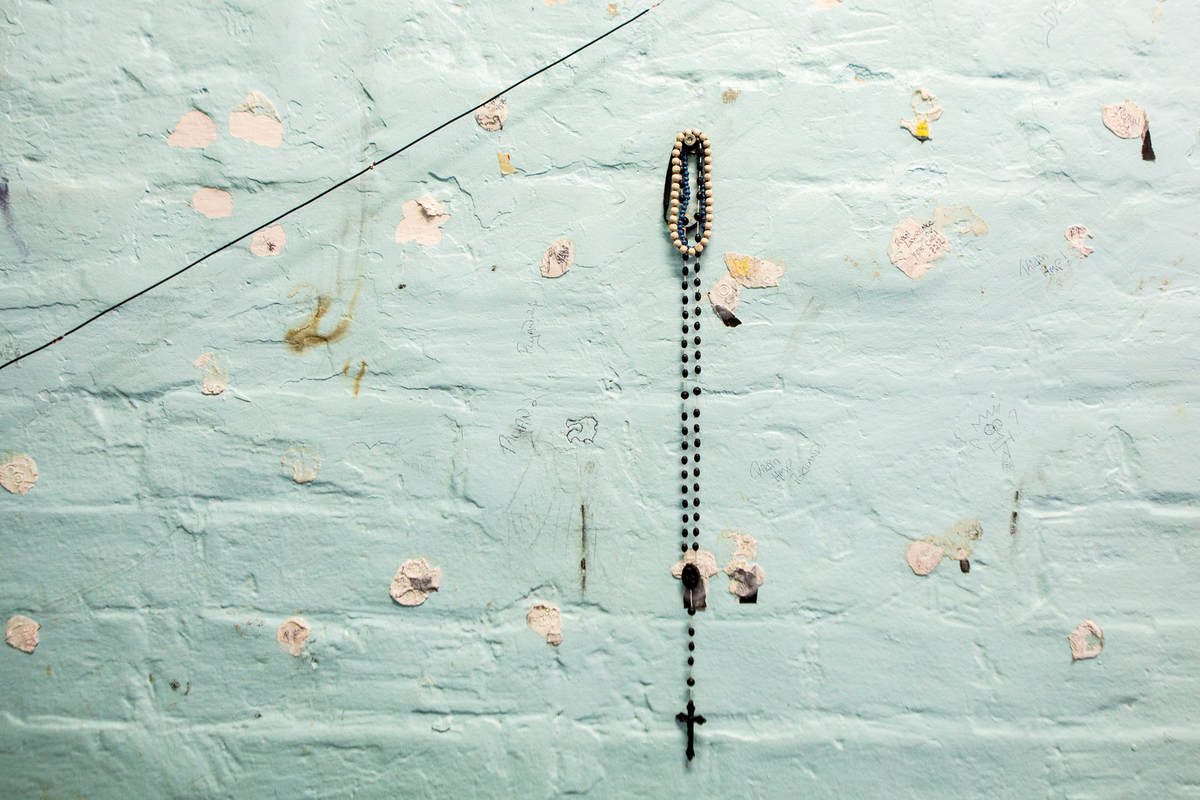
几个冬天前,圣诞节前几周,我去忏悔。离我工作地点最近的教区正在举办和好礼仪,旨在帮助信徒准备庆祝基督的诞生。十几位神父散布在大教堂各处。忏悔者们排成队站在过道里。忏悔与宽恕的低语充满了空气。
Several winters ago, a few weeks before Christmas, I went to confession. The parish close to work was hosting a reconciliation service, meant to prepare the faithful to celebrate the birth of Christ. A dozen or so priests were scattered across the cathedral. Penitents lined the aisles. Whispers of contrition and pardon filled the air.
天主教会劝告信徒定期去忏悔——至少每年一次。我已经好几年没去了。除了感到精神上失去依靠,我也担心神父会如何反应得知我的中断。但当我告诉他时,他只是微笑着说:“欢迎回来。”他的话让我当时安心下来,也帮助我改变了现在对圣事的态度:不再把它当作令人紧张的 ordeal,而视为恩典的时刻。
The Catholic Church counsels believers to seek confession regularly—at the very least, once a year. I hadn’t been back in a few. So in addition to feeling spiritually unmoored, I was worried about how the priest would react to hearing about my hiatus. But when I told him, he simply smiled and said, “Welcome back.”His response put me at ease then, and it helped change how I approach the sacrament now: less as a nerve-racking ordeal, more as a moment of mercy.
诸如忏悔这样的圣事是天主教的核心。通过这些圣事,教会教导说,简单的行为——与神父交谈、吃面包、喝酒——在恩典之下,成为与上帝的具体相遇。过去一年,特朗普政府一直在使移民拘留中心的天主教徒更难获得这些相遇。
Sacraments such as confession are central to Catholicism. Through them, the Church teaches that simple actions—having a conversation with a priest, eating bread and drinking wine—are, with grace, tangible encounters with God. For the past year, the Trump administration has been making it harder for Catholics at migrant-detention centers to have those encounters.
最新的例子本月浮出水面,当时圣路易斯总教区就密苏里州东部圣热内维耶夫县监狱的探视政策提起联邦诉讼。根据诉状,在该监狱服务的十位神父不被允许举行弥撒。诉状还称,神父只能每周探望移民拘留者一次,每次四小时;而监狱的“无接触”安保政策只允许神父通过玻璃隔板用电话与拘留者交谈。因此,该监狱当时大约150名移民——据总教区称,其中大多数是天主教徒——已经数周得不到宗教上的慰藉。根据诉状,自2025年中以来,圣热内维耶夫监狱一直关押着大约3000人。
The most recent example came to light this month, when the Archdiocese of St. Louis filed a federal lawsuit over the visitation policy at Saint Genevieve County Jail in eastern Missouri. According to the claim, the 10 priests who minister at the jail aren’t allowed to celebrate Mass. The suit also alleges that priests are permitted to visit migrant detainees just once a week, during a four-hour period, and that the jail’s “no contact” security policy lets the clergy speak with detainees only over the phone, through a glass partition. As a result, the approximately 150 migrants at the jail at a given time—most of whom are Catholic, according to the archdiocese—have been going without their religious needs for weeks. Since the middle of 2025, according to the lawsuit, Saint Genevieve has housed approximately 3,000 people.
这不是天主教神职人员首次抱怨政府阻止他们为被拘留的移民提供服务。去年,佛罗里达州的一处被称为“鳄鱼阿尔卡特拉兹”的拘留设施曾禁止神父探视或为被拘留者举行弥撒长达一个月,直至迈阿密总教区与州当局达成协议。今年5月,在经历六个月的法律斗争后,一家天主教非营利组织获得了一项初步禁令,允许天主教神父在芝加哥郊外的布罗德维尤ICE处理中心举行弥撒并施行圣礼。
This isn’t the first time that Catholic clergy have complained that the government is preventing them from ministering to detained migrants. Last year, the Florida detention facility known as “Alligator Alcatraz” kept priests from visiting or offering Mass to detainees for a month, until an agreement was reached between the Archdiocese of Miami and state authorities. In May, after a six-month legal fight, a Catholic nonprofit won a preliminary injunction to let Catholic priests celebrate Mass and administer sacraments at the Broadview ICE processing center outside Chicago.
而政府的移民打压行动似乎正在更广泛地影响教会。全国各地的教区报告称,担心被拘留的西班牙语信众弥撒出席人数有所下降。ICE据称曾在弥撒期间对天主教教堂附近进行突袭。
And the administration’s immigration crackdowns seem to be hurting the Church more broadly. Dioceses across the country have reported decreased Mass attendance among Spanish-speaking parishioners who fear detention. ICE has reportedly conducted raids near Catholic churches during Mass hours.
国土安全部否认了对圣热内维耶夫设施的不当行为指控。该机构在向多家媒体发布的声明中表示,该监狱并非ICE设施——尽管圣热内维耶夫在ICE的网站上被列为拘留设施——并且该机构“确保被拘留者能够获得宗教服务的安排”。然而,正如诉讼中所描述的,这些安排却忽视了天主教圣礼的宗教意义。
The Department of Homeland Security has denied allegations of wrongdoing at Saint Genevieve. In a statement to multiple outlets, the agency said that the jail is not an ICE facility—although Saint Genevieve is listed as a detention facility on ICE’s website—and that it “ensures detainees are accommodated with religious services.”As described in the lawsuit, however, those accommodations disregard the religious significance of the Catholic sacraments.
考虑忏悔。该诉讼称,在圣热内维耶夫,被拘留者与神父之间的对话并非私密,他们用来交谈的电话线路可能被监控。这些政策可能出于安全原因而设立,但忏悔本应是忏悔者与神父之间的私密交流,而神父在此以基督的身份行事。忏悔是“一个人能够做的最亲密、最深刻的行为之一”,在广视 ICE 设施服务的耶稣会神卫大卫·因茨奥斯基斯告诉我。
Consider confession. The suit claims that at Saint Genevieve, conversations between detainees and priests are not private, and the phone lines that they use to talk may be monitored. These policies may be in place for security reasons, but confession is meant to be a private exchange between penitent and priest, who acts —in the person of Christ. Confession is “one of the most intimate, profound acts that someone can do,” David Inczauskis, a Jesuit priest who ministers at the Broadview ICE facility, told me.
他补充说,“非常具体地陈述他们所犯的罪过,并谦卑地请求宽恕与和平”需要一种“非常高”的“脆弱程度”。更大的问题出现在圣体圣事,即圣餐上。该诉状包括当地治安官办公室的一名副官发来的电子邮件,建议神父“向拘留中心工作人员提供一个未拆封、单独包装的圣餐饼”,然后由该工作人员交给被拘留者。这种分发圣餐的方式将是“亵渎的”,正如圣路易斯总主教米切尔·罗赞斯基最近对路透社所说。
He added, “To state very specifically the sins that they have committed and to ask humbly for pardon and for peace” requires a “level of vulnerability” that is “very high.”An even bigger problem comes up with the sacrament of the Eucharist, or Communion. The complaint includes an email from a deputy at the local sheriff’s office suggesting that priests “provide an unopened, individually wrapped Communion wafer” to a member of the detention center staff, who could then hand it to a detainee. This way of distributing the Eucharist would be “sacrilegious,” as Archbishop Mitchell Rozanski of St. Louis recently told Reuters.
教会教导说,圣餐是基督的“身体、血液、灵魂和神性”——不是象征,而是上帝的真实临在。因此,因茨奥斯基斯说,教会通过受圣职的牧师或经过特殊培训的平信徒来分发圣餐。
The Church teaches that the Eucharist is the “Body, Blood, Soul, and Divinity” of Christ—not a symbol, but God’s real presence. For that reason, Inczauskis said, the Church distributes the Eucharist through either ordained ministers or specially trained laypeople.
在过去二十五年里,许多保守人士将宗教自由视为一项核心议题。特朗普政府声称要延续这些努力,去年成立了一个委员会,旨在识别对信仰实践的“新兴威胁”。今年六月,该委员会发布了一份草案报告,声称“近年来,来自各种宗教背景的美国人因其宗教信仰而面临日益加剧的迫害”。报告中讨论的一些议题包括反犹太主义的上升、学校中关于性别和性取向的教学,以及医护人员因反对参与堕胎或协助自杀而获得的良心保护。报告未提及政府的移民拘留做法。
For much of the past quarter century, many conservative figures have taken up religious liberty as an essential cause. The Trump administration purported to continue these efforts when it established a commission last year meant to identify “emerging threats” to the exercise of faith. In June, the commission released a draft report claiming that “in recent years, Americans from all religious backgrounds have faced increasing persecution for their religious beliefs.”Some of the issues discussed in the report include rising anti-Semitism, how gender and sexuality is taught in schools, and conscience protections for health-care workers who object to participating in abortions or assisted suicides. The report said nothing about the administration’s migrant-detention practices.
委员会成立时,我的同事伊丽莎白·布鲁尼格写道:“基督徒不应认为”该委员会“必然会捍卫他们的利益。”这一警告在一年半后显得尤为先见之明。在阿利加托尔阿尔卡特拉兹、布罗德维尤和圣热内维耶夫,天主教会通过行动表明,它认为被拘留者获得圣事的途径至关重要。面对限制移民与保护移民宗教自由之间的选择,政府也通过行动表明了其价值观所在。
When the commission was announced, my colleague Elizabeth Bruenig wrote that “Christians shouldn’t conclude” that it would “necessarily defend their interests.”That warning seems prescient a year and a half later. At Alligator Alcatraz, Broadview, and Saint Genevieve, the Catholic Church has shown that it believes that detainee access to the sacraments matters deeply. Given the choice between restricting immigration and protecting the religious liberty of migrants, the administration, too, has demonstrated where its values lie.