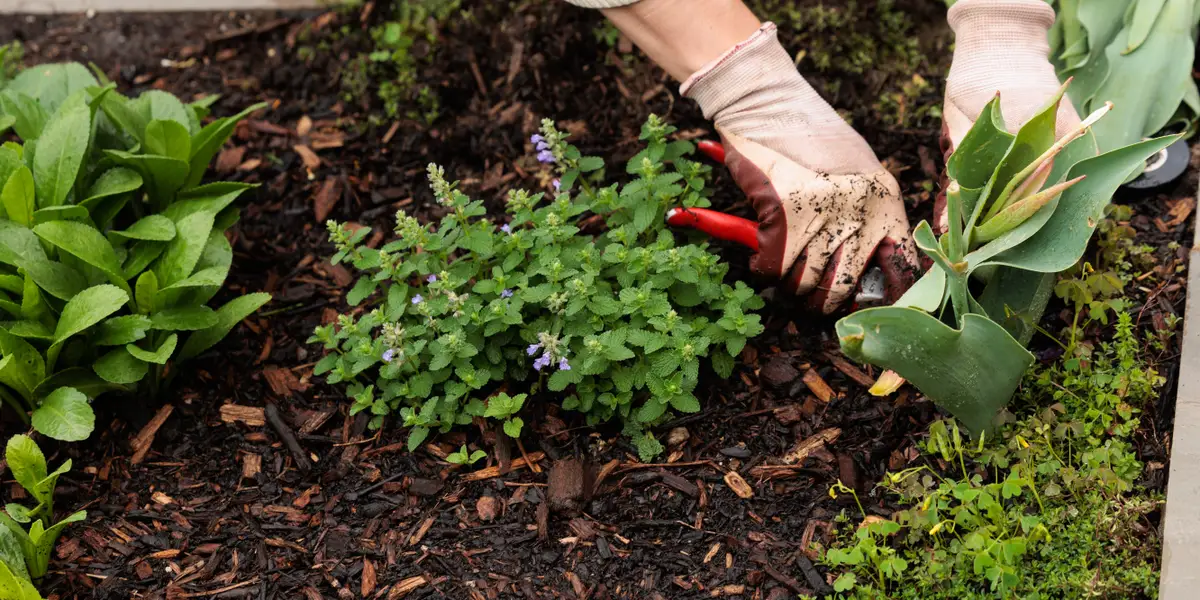
还记得Anthropic的AI就业报告曾指出园丁是最安全的工作者之一,因为AI无法除草或区分玫瑰和蒲公英吗?我今年早些时候在AI Insider中开玩笑提到过这一点。
Remember when Anthropic's AI jobs report suggested gardeners were among the safest workers because AI couldn't pull weeds or tell a rose from a dandelion? I joked about that in AI Insider earlier this year.
嗯,Anthropic更新了这项研究,让我们都多少有些担忧。
Well, Anthropic updated the research to freak us all out a bit more.
这一次,它提出了一个更大的问题:当AI与机器人结合时会发生什么?
This time it asks a bigger question: What happens when you combine AI with robots?
这一变化使许多动手操作的工作在 disruption 规模上被提升到了更高的位置。从理论上看,这很合理。但在实践中,我持怀疑态度。
That change pushes many hands-on jobs much higher on the disruption scale. On paper, it makes sense. In practice, I'm skeptical.
例如,任何曾在花园工作过的人都知道,识别正确的植物、在狭窄或尴尬的位置跪下,以及在不损伤周围植物的情况下正确地从根部拔除杂草有多么困难。机器人正在不断进步。
For instance, anyone who's spent time working in a garden knows how hard it is to identify the right plant, kneel in awkward spots, and pull a weed out properly by the roots without damaging everything around it. Robots are improving.
但如果你曾观察过机器人处理杂乱的真实世界任务,你就会知道,研究图表与实际应用之间仍有很长的路要走。
But if you've ever watched one tackle a messy real-world task, you'll know there's a long road between a research chart and reality.
下面的图表展示了在选定的职业类别中,加入机器人可能如何改变工作任务的暴露程度。清洁与维护类别包括园丁,以及清洁工和类似角色。
The chart below illustrates how adding robots could change job-task exposure across selected job categories. Cleaning & maintenance includes gardeners along with janitors and similar roles.