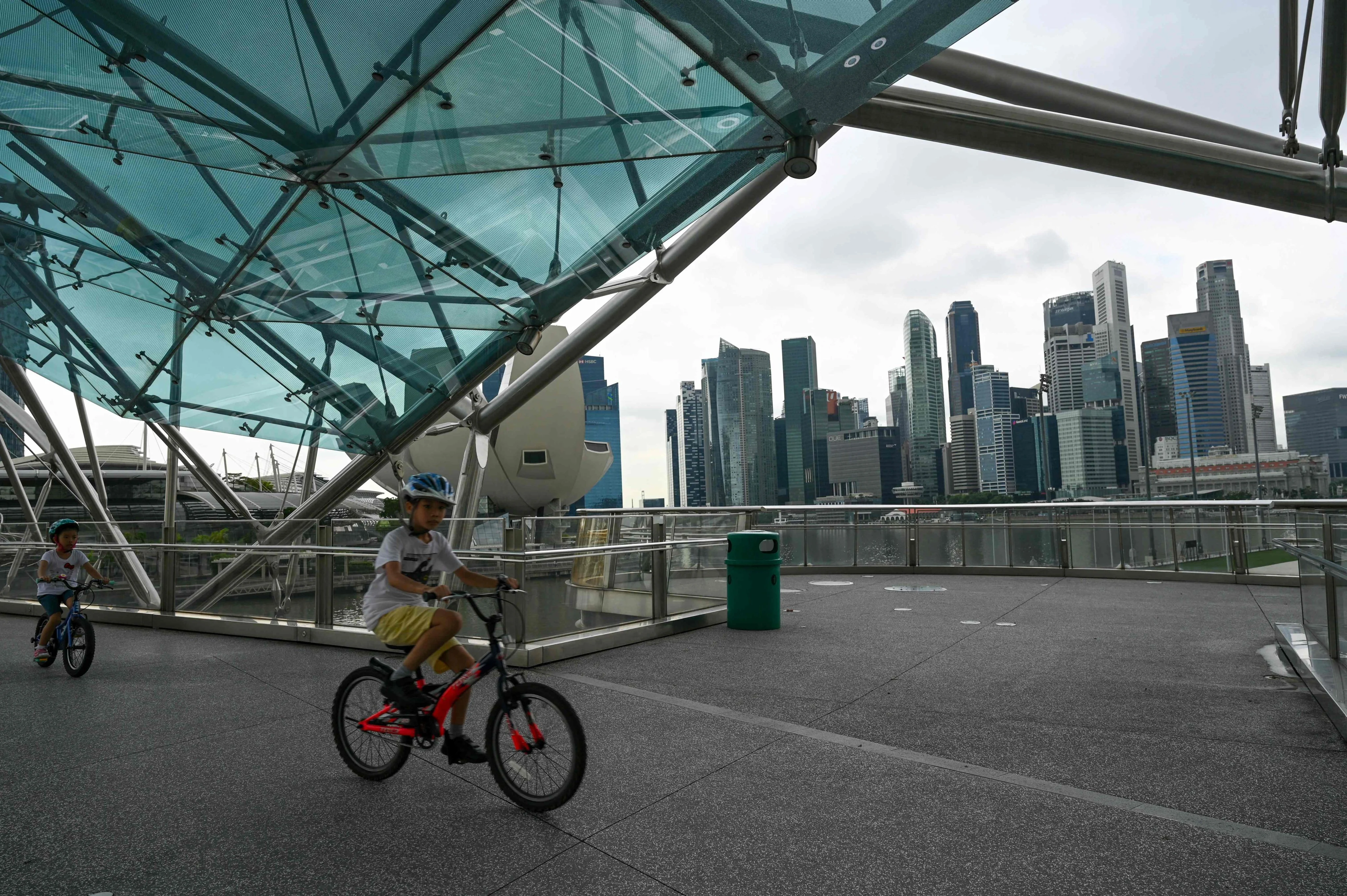
在最近的彭博论坛上,新加坡前外交部长杨荣文被问及该城邦为何同时出现在最富裕和最不幸福国家的名单上。他不经意透露了可能是建国总理李光耀最冷酷的遗言:“我们可以承诺经济发展、基础设施、教育,无论什么。但永远不要承诺幸福。”杨荣文补充说,不幸福甚至可能是成就的前提条件。
At a recent Bloomberg forum, Singapore’s former foreign minister George Yeo was asked about the city state making the lists of the richest and unhappiest countries. He let slip what may be founding prime minister Lee Kuan Yew’s coldest legacy quote: “We can promise economic development, infrastructure, education, whatever. But never promise happiness.”Yeo added that unhappiness may even be a precondition for achievement.
在国民誓言中,新加坡公民承诺为国家实现“幸福、繁荣与进步”。六十年过去了,我们已经实现了繁荣与进步。我们拥有医院、学校、准时运行(大部分时间)的火车。难道我们不应该为实现“从第三世界到第一世界”的壮举而感到幸福吗?——正如李光耀回忆录的书名所言。显然,幸福是一种愿望,但并不是应许之地。
In the national pledge, citizens of Singapore promise to achieve “happiness, prosperity and progress for our nation”. Sixty years on, we have nailed prosperity and progress. We have the hospitals, the schools, the trains that run (mostly) on time. Shouldn’t we be happy we pulled off the feat of rising “from third world to first”, as the title of Lee’s memoirs goes? Apparently, happiness is an aspiration but not the promised land.
作为新加坡人,我说这些一点也不惊讶。我们早就知道,我们的国家默认设置是“实现”,而非“享受”。但这引出一个尴尬的问题:如果幸福从未列入待办清单,我们到底在为什么而努力?说到底,我们是如何走到今天的?
Speaking as a Singaporean, none of this shocks me. We’ve long known our national default setting is “achieve”, not “enjoy”. But it raises an awkward question: if happiness was never on the to-do list, what exactly have we been grinding away for? In the first place, how did we end up here?
历史学家王赓武在最近的一期播客中,或许给出了一个解释。他阐述了儒家传统的“天命”概念——即有德有能的君主善政,良善的臣民安分守己、不抱怨——一种政治运作系统,令我惊觉其与新加坡的模式惊人相似。
Historian Wang Gungwu, on a recent podcast, may have offered an explanation. He set out the old Confucian “mandate of heaven” concept whereby capable, caring rulers govern well and good subjects know their place and don’t complain – a political operating system that struck me as remarkably similar to the one in Singapore.
这让我想到我的理论,并在通常的免责声明中承认自己的困惑与冒昧:新加坡版的应用儒家思想把我们从第三世界带到了第一世界。个人幸福从未被纳入路线图。儒家思想的核心,从来就不是关于如何获得幸福的哲学。
Which brings me to my theory, submitted with the usual disclaimers about my own confusion and audacity: Singapore’s version of applied Confucianism got us from third world to first. Personal happiness was never in the road map. At its core, Confucianism was never a philosophy about how to be happy.
它是一种关于如何可被治理的哲学。如果把它当作管理手册而非道德指南来阅读,画面就会清晰:每个人都有自己的角色,而你的工作就是在从出生起就被灌输的等级制度中,好好履行自己的职责。新加坡甚至在20世纪80年代尝试将儒学纳入国家课程。
It was a philosophy about how to be governable. Read it as a management manual rather than a moral one and the picture clicks into place: everyone gets a role and your job is to perform your role well under a hierarchy that is drummed into you from birth. Singapore even tried adding Confucian studies to the national curriculum in the 1980s.
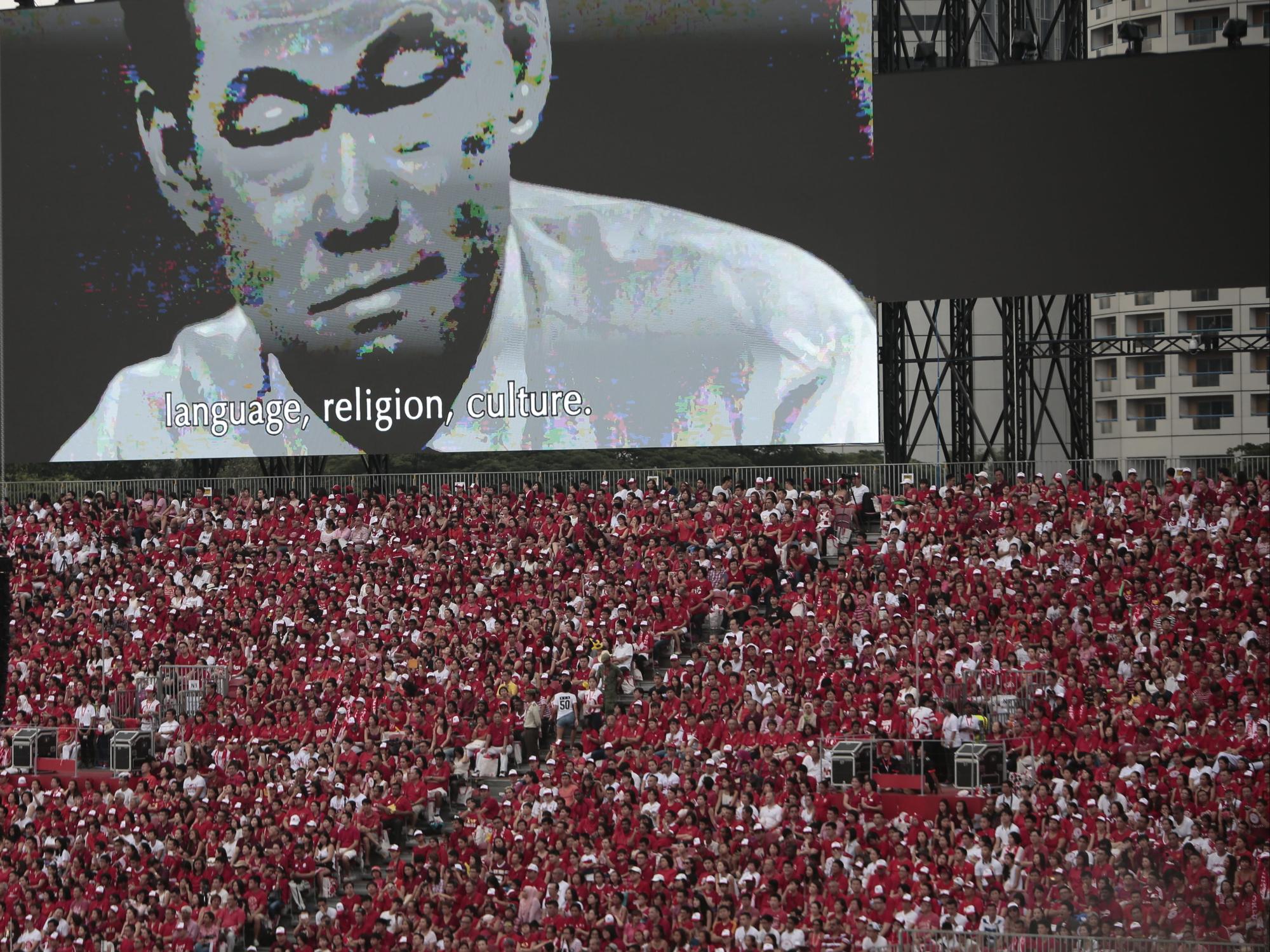
我最近回到新加坡,第三天就想起了这个国家的“国民运动”:争夺座位。早上8点的地铁,中午的小贩中心,傍晚6点回家的路上。一天三次,城市提醒我们资源并不充足,所以我们必须比别人更快或更好。
I was back in Singapore recently, and by day three I was reminded of the national sport: competing for a seat. On the MRT at 8am, at the hawker centre at noon and again on the ride home at 6pm. Three times a day, the city reminds us there isn’t quite enough to go around, so we all have to be quicker or better than the next person.
然而,当我慢慢喝着热豆浆时,我忽然意识到,这从来都不是真的关于座位。这是新加坡人被训练参与的多站式赛跑的日常排练:努力学习,毕业,工作,申请BTO(组屋),结婚,生子,让孩子进入好学校,保持他们的成绩,送他们上大学,然后看着他们重复你的路径。
As I sipped my warm soy drink, however, it struck me this was never really about seats. It’s a daily rehearsal for the multi-stop race Singaporeans are conditioned to take part in: study hard, graduate, work, apply for a BTO (Build-To-Order flat), get married, have kids, get them into a good school, keep their grades up, get them into university, then watch them retrace your steps.
一个大家都知道自己该待在哪条轨道上的社会,很容易被管理——而这一点,而非个人福祉,一直才是核心。这一点在全国考试中表现得尤为明显:青少年们在这场传统中竞争以验证自己的自我价值,这传统可以追溯到1400年前的隋朝。
A society where everyone knows their lane is easy to manage – and that, not individual well-being, has always been the point. Nowhere is this clearer than in our national exams, where teenagers compete to validate their self-worth, in a tradition going back 1,400 years to the Sui dynasty.
新加坡版的应用儒学把我们从第三世界带到了第一世界。……其核心,儒学从来不是关于如何幸福的哲学。它是关于如何可被治理的哲学。当时的学者们并不是为了在思想市场中脱颖而出而竞争;他们竞争的目标是尽可能接近皇帝的意愿,以获得作为皇权忠诚延伸者服役的特权。这本质上是一种以竞争形式掩盖的选拔。如今这一点仍然非常盛行,只是皇帝已经被重新包装为政府奖学金。
Singapore’s version of applied Confucianism got us from third world to first. … At its core, Confucianism was never a philosophy about how to be happy. It was a philosophy about how to be governable Scholars back then didn’t compete to differentiate themselves in a marketplace of ideas. They competed to align as closely as possible with whatever the emperor wanted so as to be granted the privilege of serving as a loyal extension of imperial authority. It was essentially selection masked as competition. This is still very much alive today, except that the emperor has been rebranded as a government scholarship.
然而,本应维持这种秩序的演员们可能正悄悄离开剧组。去年,新加坡的总和生育率降至历史最低点0.87,而前一年为0.97。如果从未有过幸福的承诺,也许一些新加坡人已经决定,他们也无法以良心向他人许诺幸福——尤其是对自己的孩子。
However, the cast meant to perpetuate this order may be quietly walking off the set. Singapore’s total fertility rate hit a record low of 0.87 last year, down from 0.97 the year before. If there was never a promise of happiness, perhaps some Singaporeans have decided they cannot, in good conscience, promise it to anyone else either – least of all their own child.
王的解释在这里提供了一线索:天命取决于人们对良好治理的满意度,而人们一直有办法表达他们的判断。过去,这意味着造反并推翻一个朝代。如今则更为安静:可能是一个朋友去海外工作,一对夫妇搬到泰国,一位女性决定不生第二个孩子,甚至第一个孩子。没有人会冲进宫殿。人们只是不再出演他们被分配的角色。
Wang’s explanation offers a clue here: the mandate of heaven depends on people being satisfied with good governance and people have always had a way to deliver their verdict. Previously, that meant rebelling and toppling a dynasty. Today it’s quieter: it could be a friend taking a job overseas, a couple moving to Thailand, a woman deciding not to have a second child, or a first. Nobody storms the palace. People just stop showing up for the roles assigned them.
李光耀从未向我们承诺幸福,而且说实话,他也从未假装过。但若没有幸福,新加坡的生活开始看起来像是一次非常漫长、非常高效却毫无目的的通勤。
Lee never promised us happiness, and to be fair, he never pretended otherwise. But without it, life in Singapore starts to look like a very long, very efficient commute to nowhere in particular.