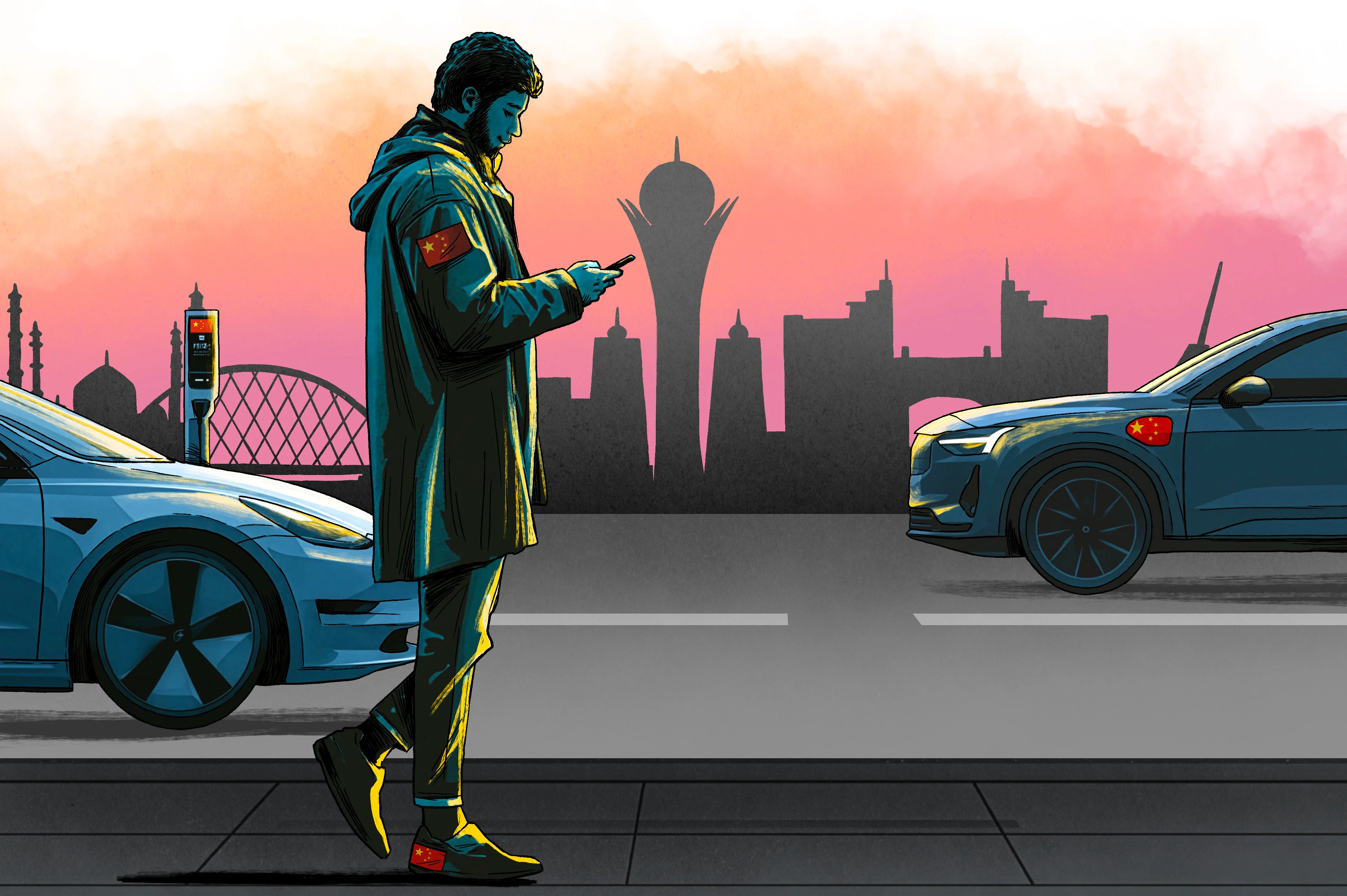
在哈萨克斯坦未来感十足的首都阿斯塔纳,汽车经销商阿尤耶兹·卡布迪加利正计划对其业务进行重大调整,他正从进口欧洲汽车转向进口中国电动汽车。
In Kazakhstan’s futuristic capital Astana, car dealer Auyez Kabdygali is planning a big change to his business as he switches from importing European cars to Chinese electric vehicles.
卡布迪加利表示,由于中国电动汽车具有竞争力的价格和质量,当地人和俄罗斯客户对其需求正在增加。他的祖父就是其中一位转变者——他已经订购了一辆比亚迪汉,这是该车企的旗舰车型,并计划在中国边境的终端提车后,驾驶数百公里回家。
Kabdygali says there is increasing demand for Chinese EVs both from locals and Russian customers due to their competitive price and quality. His grandfather is among the converts – he has an order in for a BYD Han, the carmaker’s flagship model, and plans to collect it from a terminal on the border with China and drive it hundreds of kilometres home.
这位33岁的汽车经销商是越来越多持有对中国积极看法的哈萨克斯坦人之一。这种情感不仅源于中国的电动汽车,还源于中国在哈萨克斯坦日益扩大的经济足迹所带来的收益,以及中国作为合作、不干涉伙伴的姿态。
The 33-year-old car dealer is among a growing number of Kazakhs who hold positive views of China. It is a sentiment driven not just by its EVs, but the economic pay-offs from China’s expanding footprint in Kazakhstan and its posture as a cooperative, non-interfering partner.
漫步阿斯塔纳——这座拥有超过130万人口的城市——感觉就像在走中国北部最发达的大城市。其现代建筑地标耸立在苏联时代的建筑群之上,而一条新开通的中国建造的轻轨列车沿着城市的中轴线运行。
Strolling through Astana – a city of more than 1.3 million people – feels much like walking through the most developed major cities in northern China. Its modern architectural landmarks loom over Soviet-era blocks, while a newly opened Chinese-built light rail train runs along the city’s central axis.
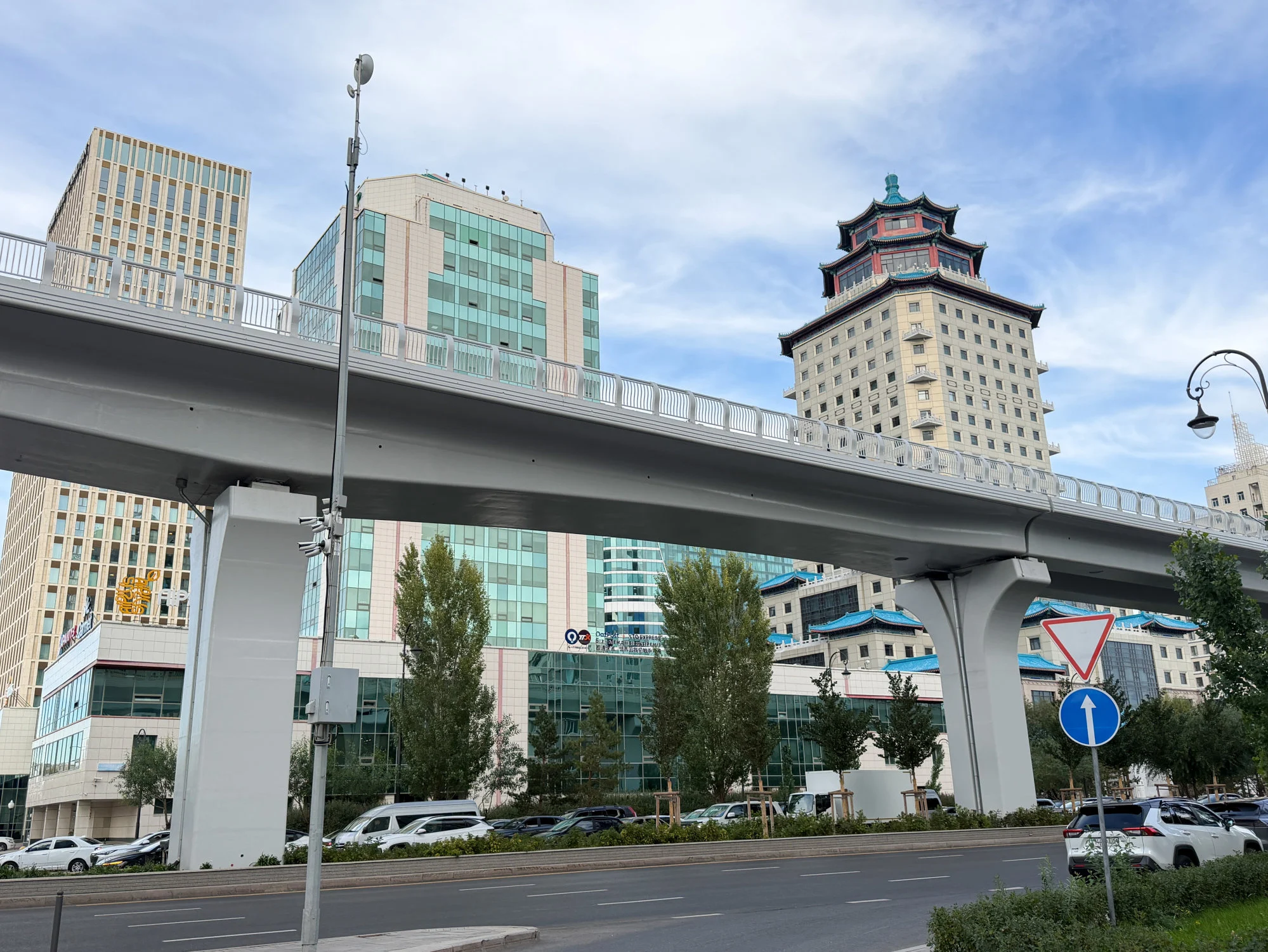
中国的足迹遍布全城,从北京塔的高楼到商店货架上排列的中国消费品和化妆品。
China’s footprint can be seen across the city, from the high-rise Beijing Tower to the Chinese consumer goods and cosmetics lining the shelves in stores.
这一转变正发生在更广泛的中亚地区成为外交竞争更为激烈的舞台之际,北京和华盛顿——以及东京和首尔——都在争夺战略影响力。
This shift is taking place as the broader Central Asian region has become a more crowded arena for diplomacy, with Beijing and Washington – along with Tokyo and Seoul – all competing for strategic influence.
但观察人士指出,尽管北京在经济上已经取得进展,但该地区仍对中国持怀疑态度,并且对其与美国的竞争感到不安,阿斯塔纳正是试图在这两大国之间平衡关系的首都之一。“友好市场”阿斯塔纳的汽车经销商卡布迪加利欢迎来自中国的投资,他将中国视为一个友好的邻国,其文化与哈萨克斯坦的相似度甚至高于美国。对他来说,中国代表着经济支持——以及巨大的市场潜力。
But observers note that while Beijing has made economic inroads, there is still scepticism towards China in the region and unease over its rivalry with the United States, and Astana is among the capitals trying to balance relations with the two powers. ‘Friendly market’Astana car dealer Kabdygali welcomes investment from China, a country he views as a friendly neighbour with more cultural similarities to Kazakhstan than the US. China for him represents economic support – and enormous market potential.
“[几乎]我们购买的所有产品都是中国产品……所以可以说他们真的在帮助这里的日常生活,”他说。“中国正在帮助我们维持经济。”卡布迪加利的积极看法也受到他访问中国以及在马来西亚学英语期间结交的中国朋友的影响。
“[Nearly] all the products we’re buying are Chinese products … so you can say that they are really helping everyday life here,” he said. “China is helping us to maintain the economy.”Kabdygali’s positive views have also been shaped by visits to the country and Chinese friends he made while studying English in Malaysia.
他的哥哥于2007年去上海读大学课程,卡布迪加利在那两年里经常去看望他。后来全家一起去了中国南部热带岛屿海南度假,2012年他们又去北京咨询中医师,以解决一些健康问题。
His brother went to Shanghai for a university course in 2007, and Kabdygali regularly visited him during the two years he was there. The whole family later travelled to China’s southern tropical island Hainan for a holiday, and in 2012 they went to Beijing to consult a traditional Chinese medicine practitioner about some health issues.
如今,这位年轻的商人开着比亚迪,在当地咖啡店用支付宝付款,并经常在YouTube上收看中国游戏主播的直播。
Today, the young businessman drives a BYD, pays with Alipay at his local coffee shop, and regularly tunes in to a Chinese gaming streamer on YouTube.
卡布迪加利并不担心该国对中国的依赖会过度加深。他说与中国的贸易是“必要的”,整个世界都在从中国采购。但他补充说,他希望哈萨克斯坦能够向中国出口更多食品和制造业产品,以平衡贸易逆差。他还淡化了人们对中美在哈萨克斯坦及地区竞争加剧的担忧。
Kabdygali is not worried about the country becoming overreliant on China. He said trade with China was “necessary” and the whole world was buying from the country. But he added that he hoped Kazakhstan could export more food and manufactured goods to China to balance the trade deficit. He also shrugged off concerns over the intensifying US-China competition in Kazakhstan and the region.
“中国更像是一个友好的市场。他们专注于自身经济,只想生产好产品,而美国则在操控事情。他们入侵国家,让情况变得更糟,”他说。
“China is more of a friendly market. They focus on their own economy and just want to make good products, whereas the US manipulates things. They invade countries and make things worse,” he said.
“如果没有竞争者,如果没有美国,中国就会变成美国。”中亚视角 北京在2013年于哈萨克斯坦启动其全球基础设施计划——一带一路倡议——之后,根据《后苏联事务》期刊2023年8月的一项研究,哈萨克斯坦和吉尔吉斯斯坦对中国的好感度一度下降。
“If there are no competitors, if there was no US, China would become the US.”Central Asian view After Beijing launched its global infrastructure scheme – the Belt and Road Initiative – in Kazakhstan in 2013 there was a dip in favourable attitudes towards China in both Kazakhstan and Kyrgyzstan, according to a study in the journal Post-Soviet Affairs in August.
但自2021年以来,这两个国家的公众情绪变得更加积极,这主要得益于中国投资带来的切实经济利益。
But public sentiment in the two countries has turned more positive since 2021, driven largely by the tangible economic benefits of Chinese investment.
该研究在2017年至2023年期间,对哈萨克斯坦、吉尔吉斯斯坦和乌兹别克斯坦的超过49,000人进行了调查。
More than 49,000 people were surveyed for the study across Kazakhstan, Kyrgyzstan and Uzbekistan between 2017 and 2023.
该论文的合著者、哈萨克斯坦纳扎尔巴耶夫大学助理教授杰西卡·内菲表示,在“一带一路”战略的早期阶段,前所未有的对华接触以及中亚地区大规模可见投资的涌入引发了反弹。
Jessica Neafie, the paper’s co-author and assistant professor at Kazakhstan’s Nazarbayev University, said that in the early years of the belt and road strategy, the unprecedented exposure to China and a large influx of visible investments in Central Asia triggered a backlash.
她说,这助长了一种“对外国投资及其对当地身份和民族主义影响的担忧混合”。
She said it fuelled a “mix of concern for foreign investment and its effect on local identity and nationalism”.
该研究指出,反北京情绪的升温导致一家中国企业在2020年取消了吉尔吉斯斯坦价值2.8亿美元的物流中心项目,原因是数百名居民上街抗议。
The study pointed to the heightened anti-Beijing sentiment that led to a Chinese firm in 2020 scrapping a US$280 million logistics centre project in Kyrgyzstan after hundreds of residents took to the streets in protest.
内菲表示,自那时以来,公众情绪有所改善,因为人们看到了具体的经济成果,中国的地区形象也得到了提升。
Neafie said public sentiment had improved since then as tangible economic results were seen and China’s regional image improved.
她说:“很多人看到他们的担忧并未成为现实,而是又看到了更多的就业机会、基础设施和好处。”“因此,他们接触中国的方式并不一定在所有情况下都会伤害他们。”内菲表示,调查受访者将北京的不干涉政策列为他们对中国持有积极看法的首要原因。
“A lot of people saw their concerns not come to fruition, but rather see again more jobs, infrastructure and benefits,” she said. “So the ways that they’re exposed to China don’t end up in all cases harming them.”Neafie said respondents to the survey cited Beijing’s policy of non-interference as the top reason they viewed China favourably.
但虽然有所改善,该研究发现,对中国债务和土地收购的担忧仍然存在,并且继续影响人们对中国的看法。
But while there was some improvement, the study found that concerns over Chinese debt and land acquisition had persisted and that continued to have an impact on perceptions of China.
地缘政治焦虑——特别是担心与中国的更紧密经济联系可能危及与俄罗斯的关系——仍然是负面情绪的主要驱动力之一。
Geopolitical anxieties – particularly fears that closer economic ties with China might jeopardise relations with Russia – remain one of the main drivers of negative sentiment.
该论文指出:“对中国参与经济益处的信心可以与——并且在许多情况下超过——对债务、土地和地缘政治重新调整的焦虑共存,但它并不能消除这些焦虑。”
“Confidence in the economic benefits of Chinese engagement can coexist with – and in many cases outweigh – anxieties about debt, land and geopolitical realignment, but it does not erase them,” according to the paper.
但内菲指出,年轻人——由于更易接触社交媒体、与中国人有更多交流——往往对中国的看法更客观。她说,地缘政治焦虑主要出现在经历过1970年代中苏紧张关系的老一辈人中,当时中亚地区是苏联的一部分。
But Neafie noted that younger people – with more access to social media and more exchanges with Chinese – tended to view China more objectively. She said anxiety over geopolitics was largely found among the older generations who lived through the Sino-Soviet tensions of the 1970s, when Central Asia was part of the Soviet Union.
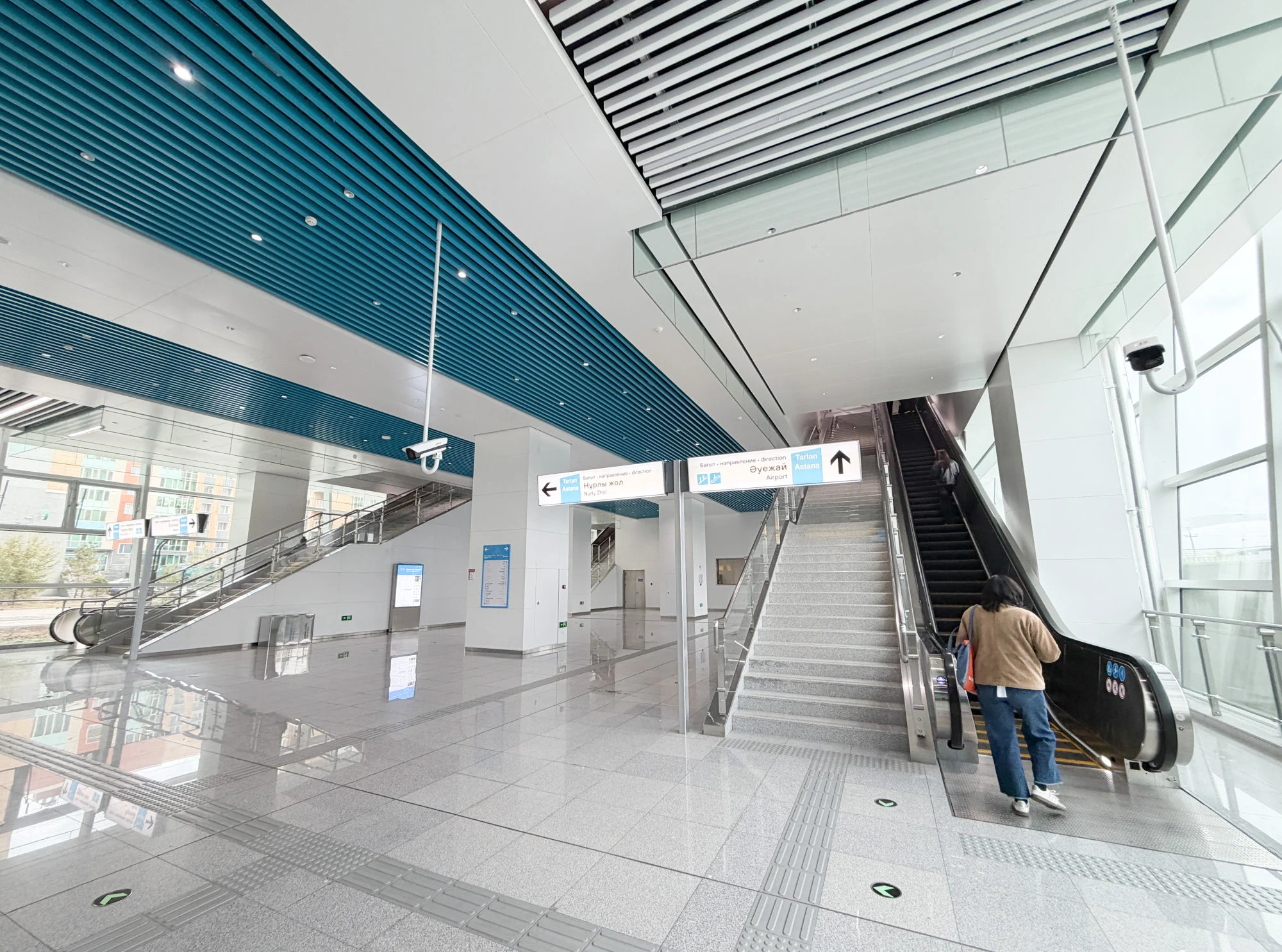
中国在阿斯塔纳 在阿斯塔纳,轻轨如今是从机场到市中心最快捷的路线。在全新的机场站,设有支持人脸识别技术的闸机。
China in Astana In Astana, the light rail is now the fastest route from the airport to downtown. At the brand new airport station there are turnstiles that support facial recognition technology.
列车每五分钟一班,沿高架轨道疾驰而过,穿梭于城市闪耀的摩天大楼、纪念碑和地标建筑之间。
The train runs along an elevated track every five minutes, as it whizzes past the city’s gleaming skyscrapers, monuments and landmark buildings.
腐败指控曾导致项目停滞,但该项目最终于五月开始运营,比最初提出时晚了十多年。
Corruption allegations had stalled the project but it eventually began operations in May, more than a decade after it was first proposed.
该项目采用中国技术、标准和设备建设,是中亚地区首条城市轻轨,也是该地区首套完全无人驾驶的列车系统。项目第二阶段正在推进,以扩展网络,中国承包的施工现场如今遍布阿斯塔纳。
Built with Chinese technology, standards and equipment it is Central Asia’s first urban light rail and the region’s first fully driverless train system. A second phase of the project to expand the network is now under way, with Chinese-run construction sites visible across Astana.
早在2013年,阿斯塔纳就是首个签署北京“一带一路”倡议的城市。此后,中国在哈萨克斯坦及更广泛的中亚地区加大了投资力度,以小型和中型项目为切入点,作为扩大在该地区影响力的策略。
Back in 2013, Astana was the first to sign up to Beijing’s belt and road programme. China has since then ramped up investment across Kazakhstan and wider Central Asia, targeting small and medium-sized projects as a strategy to expand its influence in the region.
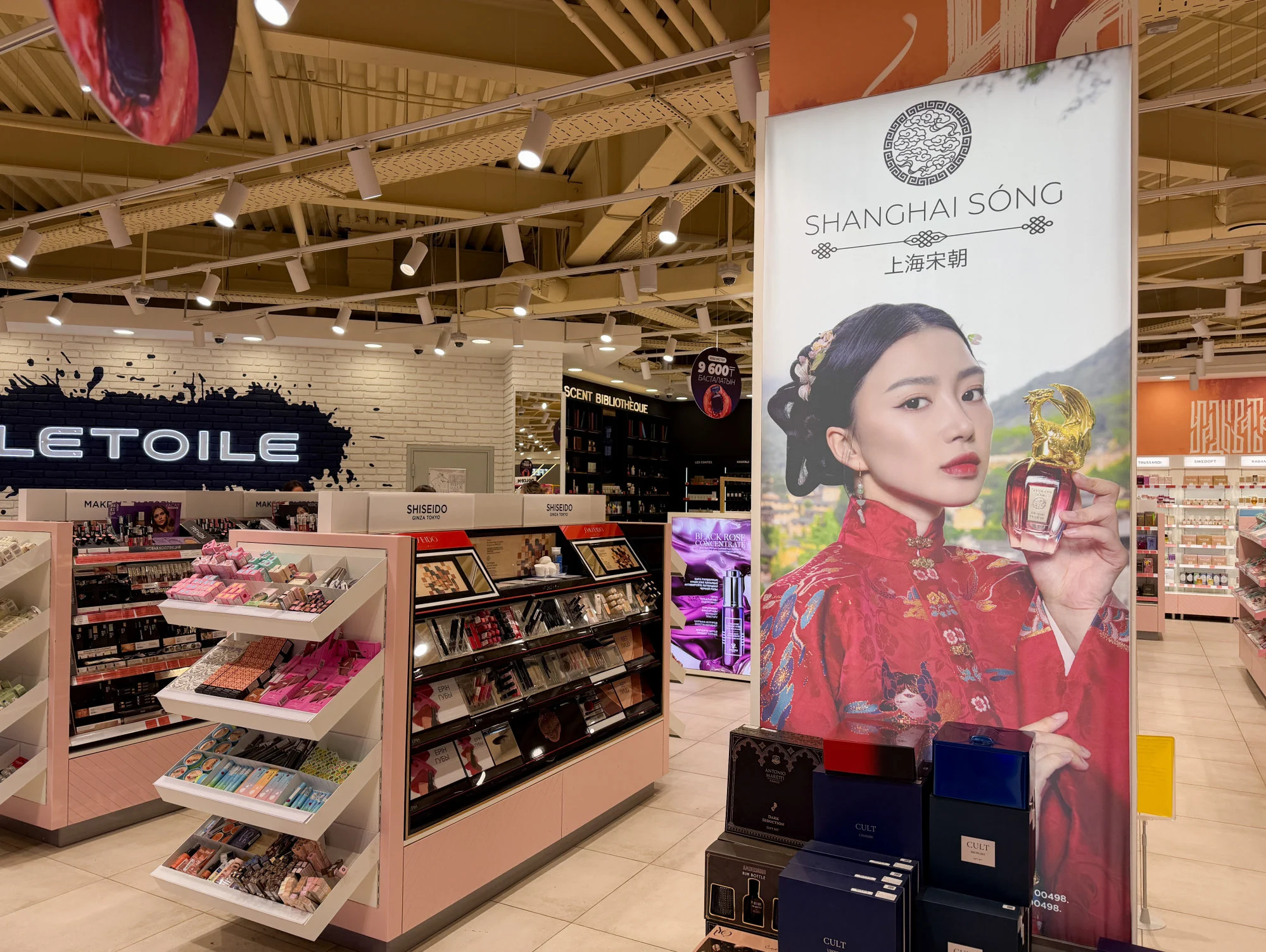
基础设施并非中国在阿斯塔纳日益增长存在的唯一标志。在该市的购物中心,中国企业吸引着稳定的人流——从饮品连锁店雪王(Mixue)到百货连锁店名创优品(Miniso),再到消费科技巨头小米和运动服饰品牌李宁——而上海松等中国美妆品牌也受到当地化妆品店的欢迎。
Infrastructure is not the only sign of the growing Chinese presence in Astana. In the city’s shopping malls, Chinese powerhouses draw steady crowds – from drinks chain Mixue to variety chain store Miniso, consumer tech giant Xiaomi and sportswear brand Li-Ning – while Chinese beauty brands such as Shanghai Song have been embraced by local cosmetics stores.

宜昌啤酒在酒类商店畅销,但实际上是在哈萨克斯坦用大米酿造的,以模仿清爽的中国风格啤酒。其生产商于2024年开始将该啤酒出口至中国,引发社交媒体热议。
Yichang beer is a bestseller in liquor stores but it is actually brewed in Kazakhstan with rice to mimic the crisp Chinese-style beers. Its producer started exporting the beer to China in 2024, creating a buzz on social media.
在首都的道路上,除了来自韩国的起亚和现代以及来自日本的丰田等老牌品牌外,中国电动汽车的数量也在增加。
On the roads of the capital there are more Chinese EVs, alongside established brands such as Kia and Hyundai from South Korea and Toyota from Japan.
根据官方数据,2026年首四个月,哈萨克斯坦的汽车经销商售出约2122辆电动和混合动力汽车。其中,超过2000辆——即超过97%——来自中国汽车制造商,包括比亚迪、理想、吉利银河、极氪和荣氪。
In the first four months of 2026, car dealers in Kazakhstan sold some 2,122 electric and hybrid vehicles, according to official data. Of those, more than 2,000 – or over 97 per cent – came from Chinese carmakers, including BYD, Li Auto, Geely Galaxy, Zeekr and Rox.
一名在阿斯塔纳的出租车司机,仅透露了自己的名字阿布莱,他正驾驶一辆比亚迪,并计划升级为新款汉轿车。“这辆车性价比很高,”他说。“我几乎所有的朋友都开中国车,比如比亚迪和长安。”经销商卡布德加利表示,他的客户被中国电动汽车的成本效益以及诸如信息娱乐系统等现代功能所吸引,而对质量的担忧随着时间的推移而减弱——这主要归因于口碑传播。
A taxi driver in Astana who gave only his first name, Abylai, was driving a BYD and planned to upgrade to the new Han sedan. “It’s a good car for the price,” he said. “Almost all my friends drive Chinese cars such as BYD and Changan.”Kabdygali, the car dealer, said his customers were drawn to the cost-efficiency of Chinese EVs and modern features such as infotainment systems, while concerns about quality had eased over time – mainly due to word of mouth.
地缘政治野心 近年来,包括日本、韩国和土耳其在内的几个大国一直在争夺中亚地区的更大影响力,竞争关键矿产资源、贸易路线和基础设施合同。
Geopolitical ambitions Several major powers – including Japan, South Korea and Turkey – have been vying for more influence in Central Asia in recent years, competing for critical mineral resources, trade routes and infrastructure contracts.
纳扎尔巴耶夫大学的内菲表示,北京选择了一条不同的道路,通过开展小型项目来快速建立联系并培养持久影响力。
Beijing has opted for a different path as it seeks smaller projects to quickly establish ties and build enduring influence, according to Neafie from Nazarbayev University.
她说,中国具备融资小型高风险项目的能力和风险容忍度,而日本或韩国等竞争对手若项目失败或交付不足,则难以承担这样的风险。
She said China had the capacity and risk tolerance to finance smaller, high-risk projects, which competitors like Japan or South Korea could not easily afford if they failed or underdelivered.
“这不仅仅是利他主义。这些举措带来更好的经济成果……[并且]对关系和公共外交产生长期影响,”她说,并补充道,从长远来看,这些中层级项目可能“产生巨大的差异”。
“It’s not just altruism. These things lead to better economic outcomes … [and] have a long-term effect on relationships and public diplomacy,” she said, adding that in the long run these middle-level projects could “make a huge amount of difference”.
乌克兰战争的后果加速了这一进程,中国与中亚国家的合作已发展成为一种制度化的伙伴关系,其范围不仅限于能源领域,还扩展到了公共卫生和数字技术。
Accelerated by the fallout from the war in Ukraine, cooperation between China and Central Asian countries has evolved into an institutionalised partnership, expanding beyond energy to include public health and digital technology.
兰州大学阿富汗研究中心主任朱永彪表示,与美国的做法相比,中国在该地区的投资更为务实和全面。
Zhu Yongbiao, director of the Centre for Afghanistan Studies at Lanzhou University, said that compared to the US approach, China’s investment in the region was more practical and comprehensive.
“无论是尖端技术和旗舰产品——比如电动汽车、太阳能、数字经济、人工智能和TikTok——还是日常用品如袜子和螺丝,中国都具备,”他说。
“Whether it’s cutting-edge tech and flagship products – like electric vehicles, solar power, the digital economy, AI and TikTok – or everyday goods like socks and screws, China has it all,” he said.
“更重要的是,它能够根据不同中亚国家的多样化需求提供定制化的产品和解决方案,而美国根本不具备这一优势。”随着西方经济体试图摆脱对中国和俄罗斯供应链的依赖,中亚地区已从美国的安全伙伴转变为其区域战略的基石,唐纳德·特朗普政府将注意力聚焦于哈萨克斯坦——因其关键矿产储备而备受关注。
“Crucially, it can deliver tailored products and solutions suited to the diverse needs of different Central Asian countries, an advantage the US simply lacks.”Central Asia has shifted from being a security partner to a cornerstone of US regional strategy as Western economies seek to de-risk supply chains from China and Russia, with the Donald Trump administration focusing its attention on Kazakhstan – drawn by its critical mineral reserves.
美国国务卿马尔科·卢比奥周六启程前往印度和乌兹别克斯坦进行为期五天的访问。在撒马尔罕,这位美国最高外交官将率领超过200位商界领袖的代表团,并与乌兹别克斯坦、哈萨克斯坦、塔吉克斯坦、土库曼斯坦和吉尔吉斯斯坦五个中亚国家的高级官员进行一系列双边交流。
US Secretary of State Marco Rubio began a five-day trip to India and Uzbekistan on Saturday. In Samarkand, the top US diplomat will lead a delegation of more than 200 business leaders and take part in a series of bilateral engagements with senior officials from all five Central Asian nations – Uzbekistan, Kazakhstan, Tajikistan, Turkmenistan and Kyrgyzstan.
但观察人士认为,美国在中国在该地区的竞争加剧可能并不是一件坏事。
But intensifying US-China rivalry in the region may not be a bad thing, according to observers.
朱永彪表示,北京和华盛顿实际上在中亚地区在环境保护、能源市场准入以及阿富汗周边的地区安全方面存在合作机会。
Zhu said Beijing and Washington actually had opportunities to cooperate in Central Asia on environmental protection, energy market access and regional security surrounding Afghanistan.
此外,根据内菲的说法,哈萨克斯坦的地缘政治压力较小。她表示,中美两国在哈萨克斯坦都更侧重于经济合作而非军事或安全影响,而在一个发展迅速的国家,这种经济竞争甚至可能受到欢迎。
And in Kazakhstan the geopolitical pressure is minimal, according to Neafie. She said China and the US were both focused on economic engagement rather than military or security influence, and in a country that is developing fast that economic competition might even be welcomed.