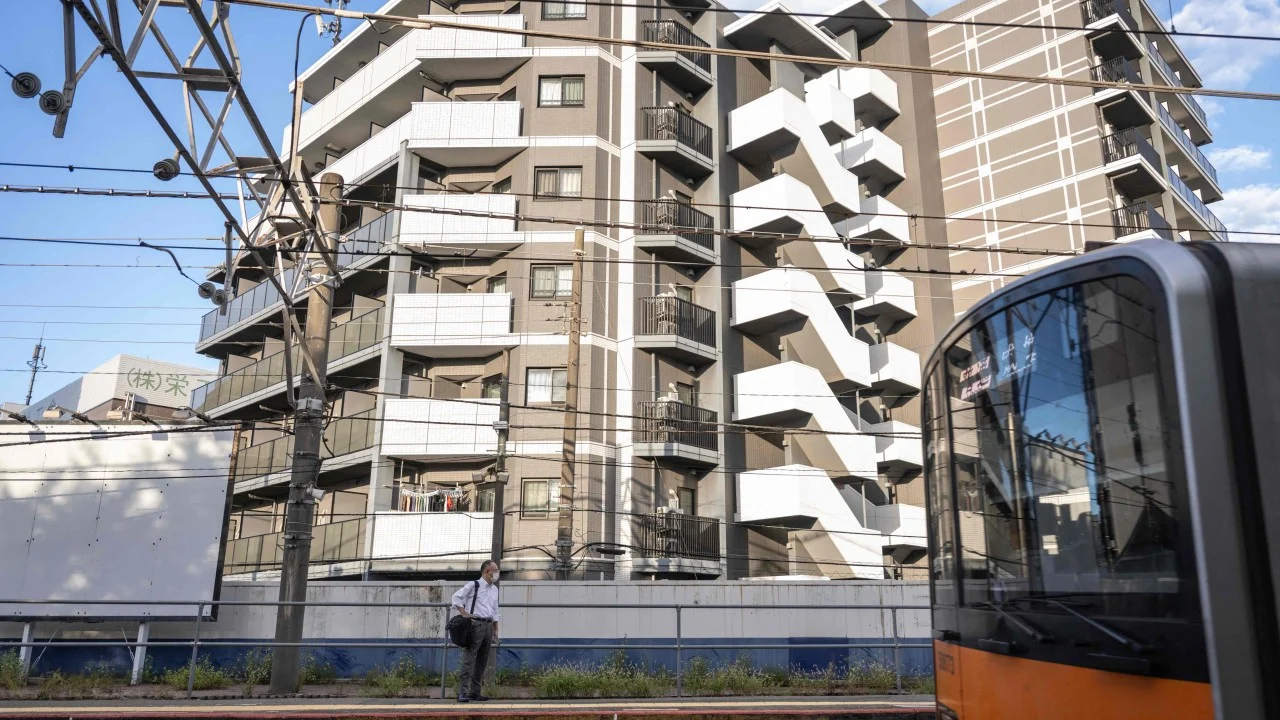
东京实施要求所有购房者申报国籍的规定正引发投资者的担忧,分析师称。
Tokyo’s implementation of a rule that requires all property buyers to declare their nationality is raising concerns among investors, according to analysts.
日本从超宽松货币政策转向逐步正常化利率也可能迫使投资者重新考虑房地产资产是否仍具吸引力,他们补充道。
Japan’s shift from an ultra-loose monetary policy to gradual normalisation of its interest rates was also likely to force investors to reconsider whether real estate assets were still attractive, they added.
“日本在过去七八年里表现非常强劲,”房地产咨询公司萨维尔斯亚太资本市场主管尼尔·布鲁克斯说。“但总体而言,由于利率大幅上升,日本的需求肯定减少了。”根据MSCI追踪的数据,全球第四大经济体日本今年上半年房地产投资额达272亿美元,在亚太地区仅次于中国大陆,排名第二。
“Japan has had a really strong run for the last seven or eight years,” said Neil Brookes, head of Asia-Pacific capital markets at property consultancy Savills. “But generally, because interest rates have gone up so much, there’s definitely less demand for Japan.”The world’s fourth-largest economy netted US$27.2 billion in property investment in the first half of the year, ranking second behind mainland China in Asia-Pacific, according to data tracked by MSCI.
然而,交易量比2025年同期下降了7%,金融服务公司补充称。
The transaction volume, however, was 7 per cent lower than in the same period in 2025, the financial services company added.
日本央行上月加息25个基点,使其基准利率升至31年来最高的1.25%。
The Bank of Japan’s quarter-point increase last month brought its benchmark interest rates to a 31-year high of 1.25 per cent.
这特别提高了高杠杆房地产投资者的融资成本,可能会抑制投机性交易的需求,东京LogProstyle公司总裁兼首席执行官野泽康之表示。
This raised financing costs specifically for highly leveraged property investors, which was likely to dampen demand for speculative transactions, said Yasuyuki Nozawa, president and CEO of Tokyo-based LogProstyle.
该公司在NYSE American上市,专注于中小型企业,其房地产和酒店业务将国际客户视为重要目标市场,尤其是其翻新住宅物业,野泽称。
The real estate and hospitality group listed on the NYSE American, which focuses on small and mid-tier companies, counted international customers as an important target market, particularly for its renovated residential properties, Nozawa said.
日本政府上月公布的官方数据显示,2025年12月前六个月,外国个人和企业在日本购买了9573笔大宗土地交易中的68笔,占比0.7%。
Official data released by the Japanese government last month showed that in the six months to December 2025, foreign nationals and businesses bought 68 – or 0.7 per cent – of the 9,573 large-scale land deals in Japan.
其中,中国个人和企业是投资最频繁的群体,共计28笔交易,涉及土地面积总计42公顷。
Among them, Chinese individuals and businesses were the most frequent investors, with 28 deals across a total of 42 hectares.
与此同时,自10月5日起,东京要求日本国民和其他国籍持有人在登记新房产所有权或转让房产时必须添加国籍信息。
Meanwhile, Tokyo now requires both Japanese nationals and holders of other citizenships to add nationality information when registering new property ownership or transferring property from October 5 onwards.
亚洲银行家俱乐部创始人兼首席执行官金斯顿·赖表示,该披露规定不太可能劝阻其在香港的公司客户投资日本房地产。
According to Kingston Lai, founder and CEO of Asia Bankers Club, the disclosure rule was unlikely to dissuade his clients at the Hong Kong-based company from investing in Japanese real estate.
“这只是一项披露规定,而不是限制,日本买家也必须声明自己的国籍,”赖说。
“It’s a disclosure rule, not a restriction, and Japanese buyers have to declare their nationality too,” Lai said.
“我们的客户主要是银行家、律师和企业主,他们一直在进行KYC[了解你的客户]流程,”赖说,指的是合规流程。“因此,在产权证上声明国籍不会改变任何人的决定。”然而,赖表示,该规定正促使客户质疑这是否是“向更严厉措施迈进的第一步”,就像新加坡或加拿大所做的那样,他指的是新加坡对外国买家住宅交易征收的惩罚性税费以及加拿大自2023年以来对大多数外国人购房的禁令。
“Our clients are mostly bankers, lawyers and business owners who go through KYC [Know Your Customer] all the time,” Lai said, referring to a compliance process. “So declaring a nationality on a title deed will not change anyone’s decision.”However, the rule was spurring clients to question whether it was “a first step towards tougher measures, like Singapore or Canada have done”, Lai said, referring to Singapore’s punitive levies on residential transactions by foreign buyers and Canada’s ban on home purchases for most foreigners since 2023.
“这很合理,但目前没有任何东西能阻止外国人在东京或大阪购房,日本的吸引力也没有改变,”赖说。
“That’s fair, but for now nothing stops a foreigner [from] buying in Tokyo or Osaka, and Japan’s real draws haven’t changed,” Lai said.
日本出台这项新规是因为人们对外国人在全国范围内购买土地和房产的担忧再次升温,尤其引发警觉的是,外国人正在购买所谓敏感地点附近的房产,此外,海外投资者导致房价飙升,超出许多日本人的承受能力。
Japan imposed the new rule following renewed concerns about foreign nationals buying land and property across the country, with growing alarm over the acquisition of property close to so-called sensitive sites, as well as overseas investors causing prices to spike beyond the reach of many Japanese people.
“政府一直在审查外国人购买房产的框架,并在此领域加强了报告和审查,因此国际投资者需要密切关注监管动态,”LogProstyle的野泽表示。
“The government has been reviewing the framework surrounding property purchases by foreign nationals and has increased reporting and scrutiny in this area, so international investors need to pay close attention to regulatory developments,” Nozawa of LogProstyle said.
“同时,日本继续欢迎合法的国际投资和入境旅游,这两者对经济都很重要,”野泽补充道。
“At the same time, Japan continues to welcome legitimate international investment and inbound tourism, both of which are important to the economy,” Nozawa added.
“清晰且可预测的规则最终对认真进行长期投资的投资者是有利的,因为这能让所有人对市场更有信心。” 在所有这些变化中,野泽表示,日本仍然是一个投资者可以进入主要城市优质资产的市场,拥有透明的法律和所有权框架、强劲的旅游需求,而且在许多情况下,相较于其他全球城市的可比物业,其定价仍然具有吸引力。
“Clear and predictable rules are ultimately positive for serious long-term investors because they give everyone greater confidence in the market.”Amid all these changes, Nozawa said Japan remained a market where investors could access high-quality assets in major cities, a transparent legal and ownership framework, strong tourism demand and, in many cases, pricing that remained attractive relative to comparable properties in other global cities.
“我们还认为,随着旅游业的复苏以及越来越多的投资者亲身体验日本,日本作为投资目的地的国际知名度已经显著提升,”他说。
“We also believe international awareness of Japan as an investment destination has increased substantially as tourism has recovered and more investors experience the country directly,” he said.
对于那些关注日本房地产的人来说,资产类别及其稳健性应是首要考虑因素,Principal Asset Management全球房地产研究与战略高级董事总经理理查德·希尔表示。
For those looking into Japanese real estate, the asset class and its soundness should be the main priority, said Richard Hill, senior managing director and head of global research and strategy for real estate at Principal Asset Management.
“当你考虑对日本的外国投资时,你必须小心所进行的投资类型,”他说。“是杠杆投资还是非杠杆投资?这是一个需要首先考虑的重要问题。它是由收益回报驱动还是由资本回报驱动?这些是投资者开始提出的问题。”
“When you consider foreign investment into Japan, you have to be careful about what type of investment that is,” he said. “Is it levered or non-levered? That’s a big question to begin with. Is it driven by income returns or capital returns? These are questions that investors are beginning to ask.”