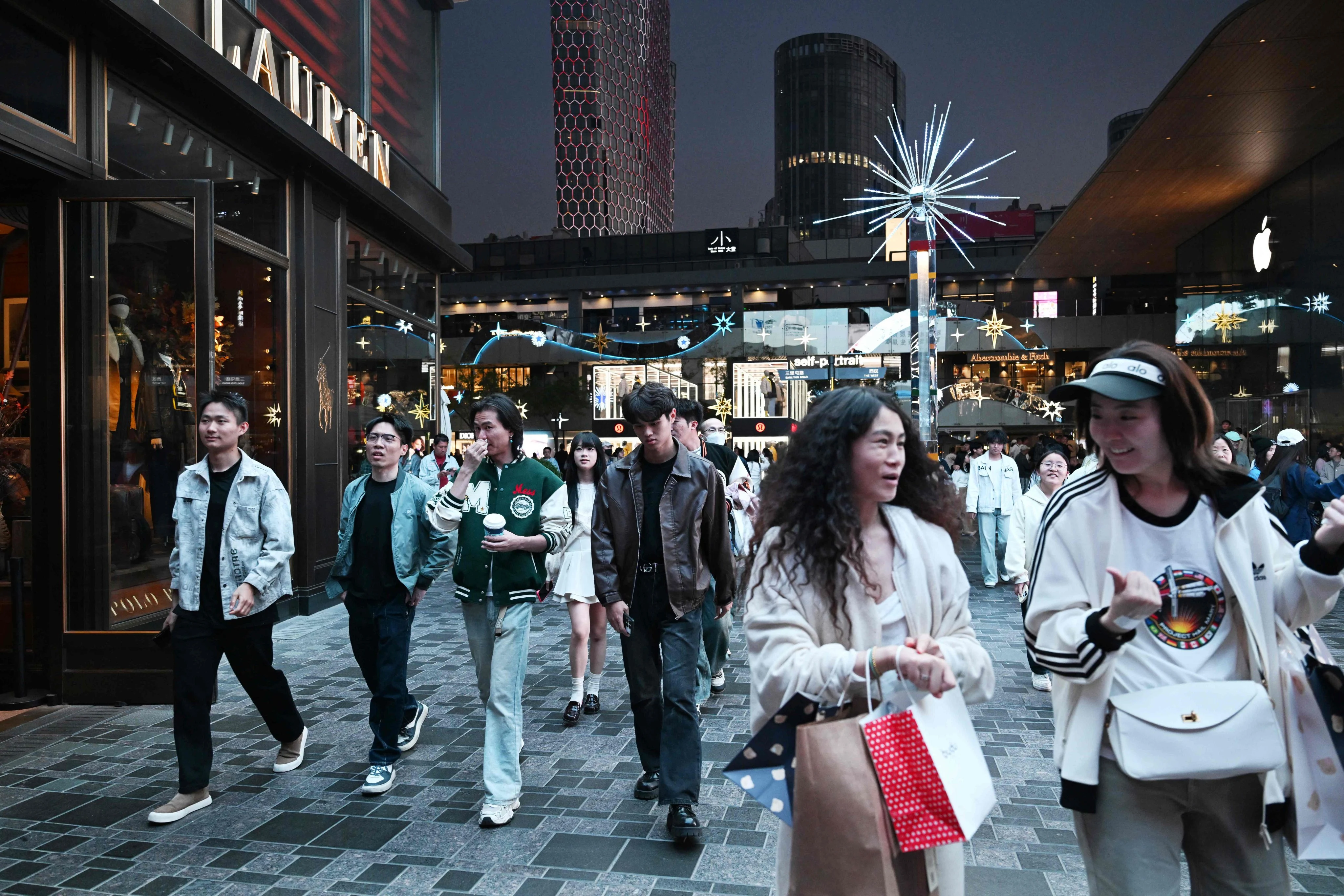
当美国内容创作者格蕾丝·安德鲁斯为前往中国的旅行做准备时,她带上了一个完全空的行李箱,专门用于她的购物清单。
When Grace Andrews, a US content creator, packed for her trip to China, she brought along a completely empty suitcase, dedicated solely to her shopping list.
到她准备回家的时候,这个额外的行李箱已经鼓鼓囊囊、快要撑破了。
By the time she headed home, that extra luggage was bursting at the seams.
本月早些时候,她在社交媒体上发布的一段视频获得了数千个点赞,视频中安德鲁斯展开了她的购物战利品,涵盖了中国零售的各个方面:精致的古董陶瓷与时尚设计师盲盒并排摆放,还有来自国内品牌的大量服装、鞋子和手袋。
In a video posted to social media earlier this month that received thousands of likes, Andrews unpacked a haul that spanned the spectrum of Chinese retail: delicate antique ceramics nestled next to trendy designer blind boxes, alongside a slew of clothing, shoes and handbags from domestic brands.
随着国际游客赴华旅游的增加,游客们正在推动一种新的社交媒体趋势:“中国购物秀”,以配合其他与中国相关的病毒式传播趋势,例如“Chinamaxxing”。受中国国内供应链规模和种类之大的吸引,外国旅行者现在越来越倾向于购买日常消费品,而不仅仅是购买大批量生产的纪念品。
As international tourism to China grows, visitors are driving a new social media trend: the “China haul”, to accompany other China-related viral trends, such as “Chinamaxxing”. Drawn by the sheer scale and variety of China’s domestic supply chains, foreign travellers are now increasingly buying everyday consumer goods instead of merely picking up mass-produced souvenirs.
官方数据显示,去年通过离境税退税系统购买的商品销售额——该系统主要被入境旅客使用——增长了95.9%,超过了同期外国游客人数增长的17.1%。
Last year, sales of goods bought through the departure tax refund system – which is primarily utilised by inbound travellers – increased by 95.9 per cent, outpacing the 17.1 per cent increase in the number of foreign tourists during the same period, official data showed.
根据上海科技大学中英学院经济学助理教授安东尼·阿纳斯塔西的说法,零售支出的激增表明,“中国购物秀”不仅仅是一种病毒式互联网现象。
The surge in retail spending indicated that the “China haul” was more than a viral internet phenomenon, according to Anthony Anastasi, an assistant professor of economics at the Sino-British College, University of Shanghai for Science and Technology.
“中国的国内消费市场本身正在成为来访的吸引力之一,”阿纳斯塔西说。
“China’s domestic consumer market is itself becoming part of the attraction of visiting,” said Anastasi.

“中国长期以来一直为全球消费者生产商品。而变化的是,外国游客进入其国内市场变得更加容易,”他补充道。“免签入境政策的扩大、支付便利化以及更便捷的退税服务降低了访问和购物的门槛。” “对这些游客而言,只要购买的商品价格低于他们本国同类商品的价格,即使考虑到差旅和住宿费用,也会觉得物有所值,因为这些费用他们已经提前承担了,”他解释道。在像中国这样拥有庞大消费市场的国家,这样的优惠很容易找到,该市场以“品种丰富且许多产品价格具有竞争力”而闻名。
“China has long produced goods for consumers around the world. What has changed is how easily foreign visitors can access its domestic market,” he added. “Expanded visa-free entry, easier payments and more convenient tax refunds reduce the barriers to visiting and shopping.”“For these tourists, a purchase only needs to beat the price of a similar item back home to feel like a bargain, as travel and lodging are costs they have already absorbed,” he explained. Such deals are easily found in a vast consumer market like China, known for its “considerable variety and, for many products, competitive prices”.
以化妆品为例。国产美妆品牌花知晓以其公主风格包装著称,近年来在海外走红,其眼影盘在国内平台售价约为100元人民币(约合14.95美元),而在其海外店铺的售价约为这一价格的一半。
Take cosmetics as an example. An eyeshadow palette from Flower Knows, a Chinese beauty brand known for its princess-style packaging, which has gained popularity overseas in recent years, costs around 100 yuan (US$14.95) on domestic platforms, around half the price on its overseas store.
为刺激经济,中国自2023年起分阶段向约50个国家开放免签旅行,包括澳大利亚、俄罗斯、新加坡以及欧洲的大部分国家。
Aiming to stimulate its economy, China has opened visa-free travel in stages since 2023 to about 50 countries, including Australia, Russia, Singapore and most of Europe.
与此同时,政府加大了为外国人简化支付障碍的力度——这曾是外国游客在中国基本无现金社会中遇到的一个痛点。
Meanwhile, the government has ramped up efforts to ease payment hurdles for foreigners – which used to be a pain point for overseas visitors navigating China’s largely cashless society.
包括腾讯控股的微信支付、银联以及蚂蚁集团的支付宝在内的主要支付平台,已提升与境外电子钱包的互操作性。这种整合使游客只需扫描本地二维码,即可使用熟悉的应用直接完成支付。
Major payment platforms, including Tencent Holdings’ WeChat Pay, UnionPay and Ant Group’s Alipay, have enhanced interoperability with overseas e-wallets. This integration allows tourists to simply scan local QR codes and pay directly using familiar apps.
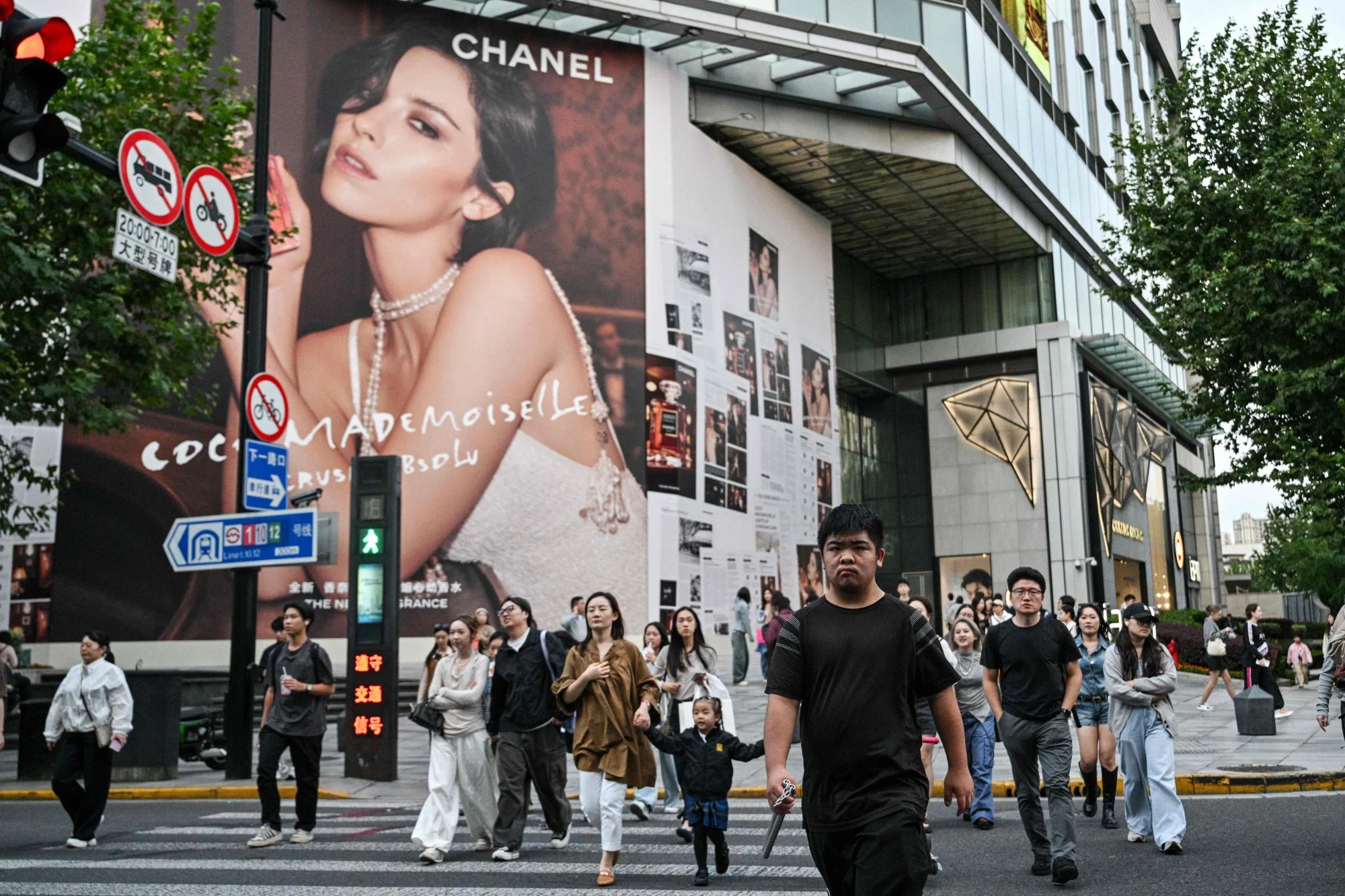
在这场零售推动的前沿是上海。作为入境游客的首选目的地,上海设定了在未来五年内将免税商品销售额提升至近五倍的目标。该城市定位为国际消费中心,去年实现退税销售额42.8亿元人民币,并计划到2030年将这一数字提升至约200亿元人民币。
At the forefront of this retail push is Shanghai. As the top destination for inbound tourists, it has set a target to nearly quintuple tax-free merchandise sales to inbound visitors over the next five years. The city, positioned as an international consumption hub, recorded 4.28 billion yuan in tax-refund sales last year, and aimed to increase that figure to around 20 billion yuan by 2030.
除了价格因素,阿纳斯塔西还表示,对于外国游客来说,在中国购物也是关于发现产品和参与潮流,因为社交媒体向游客介绍了他们原本可能不会考虑的物品,而这正值人们对在中国旅行兴趣日益增长的背景下。
Apart from the price factors, Anastasi added that, for foreign tourists, shopping in China was also about discovering products and taking part in a trend, as social media introduced visitors to items they may not have otherwise considered, against the backdrop of wider interest in travelling in China.
布鲁克·卡琳是一名在9月初前往中国旅游的美国游客,她将购物预算用于购买玩具等现代商品,也购买了传统茶杯。她表示,她的购买行为很大程度上受到服务和店内体验的驱动。
Brooke Carline, a US tourist who travelled to China in early September, spent her shopping budget on modern items like toys, and also traditional teacups. She noted her purchases were driven heavily by the service and in-store experience.
她说:“我在中国时走进的每一家店,员工都非常热情、友善,并且对你在他们店里购物感到非常兴奋。”“你购买的每件商品都附带一个故事和解释。”
“Every store that I went into when I was in China, everyone was so helpful and so kind and so excited about you shopping in their store,” she said. “Everything that you bought came with a story and an explanation.”
“我玩得非常开心,因此对我来说,带回一些能让我想起中国文化的东西非常重要。”在一份9月的报告中,瑞银预测,受税收退税优化和国内品牌增强的推动,中国入境旅游收入将在2040年达到4700亿美元。
“I had such a good time that it was really important for me to bring back some things that reminded me of the Chinese culture.”In a September report, UBS projected that revenue from inbound travel to China would reach US$470 billion by 2040, driven by tax-refund optimisation and stronger domestic brands.