
一部新剧重新讲述了18世纪爱尔兰德国难民的故事。他们遭受的偏见与排斥,与当今关于移民的讨论产生了共鸣。
A new play revisits the story of Ireland’s 18th-century German refugees, whose experience of prejudice and exclusion resonates with today’s debates over immigration In the early 18th century, a few thousand Germans fled religious persecution and near starvation in their homeland and ended up in remote rural Irish villages. The Irish Palatines, as they were known, were poor, conservative homesteaders who couldn’t speak the language and were the object of suspicion and violence – precursors to the displaced Syrians or Afghans of the past decade.
18世纪初,数千名德国人因宗教迫害和近乎饥荒而逃离家园,最终抵达了爱尔兰偏远的乡村。
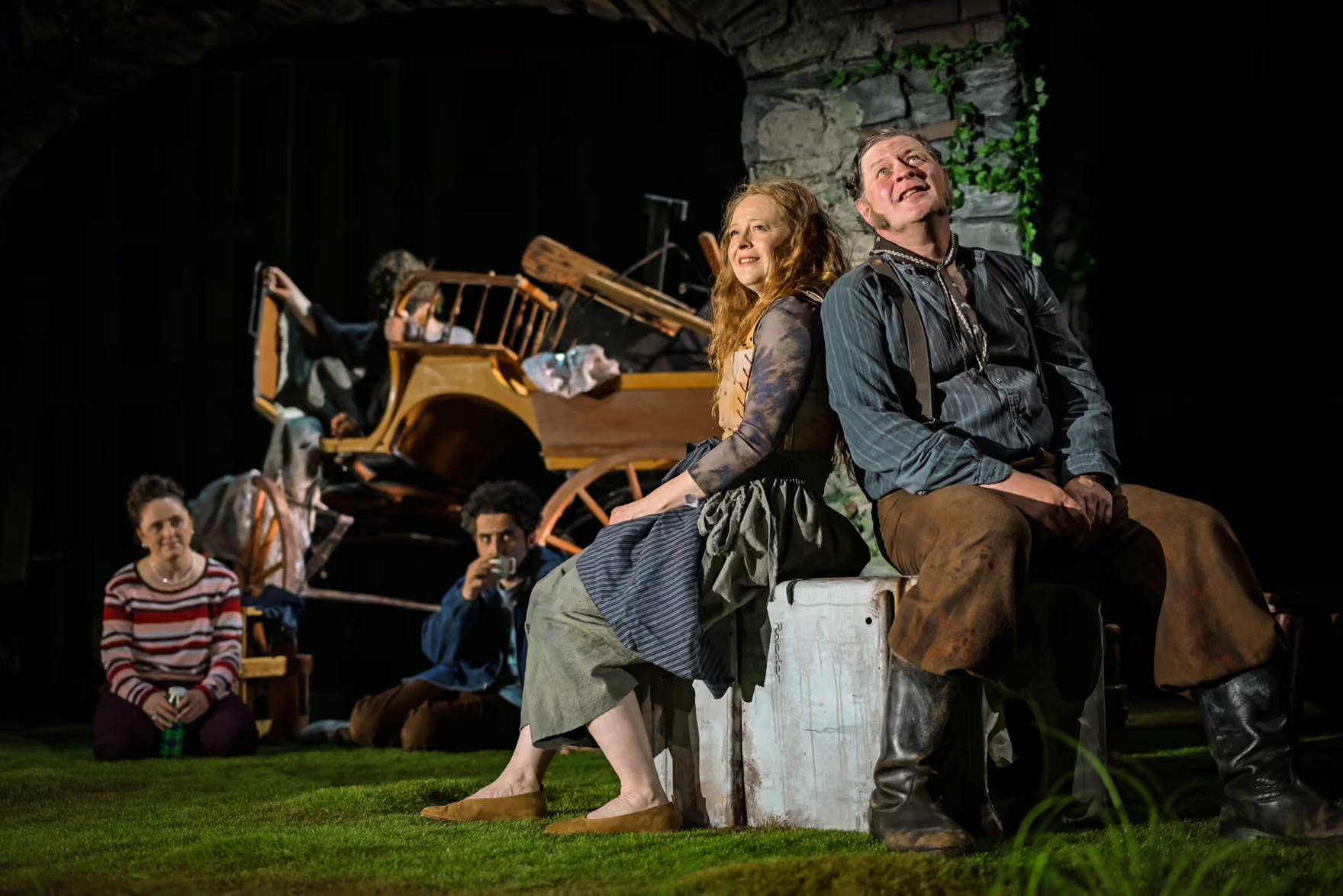
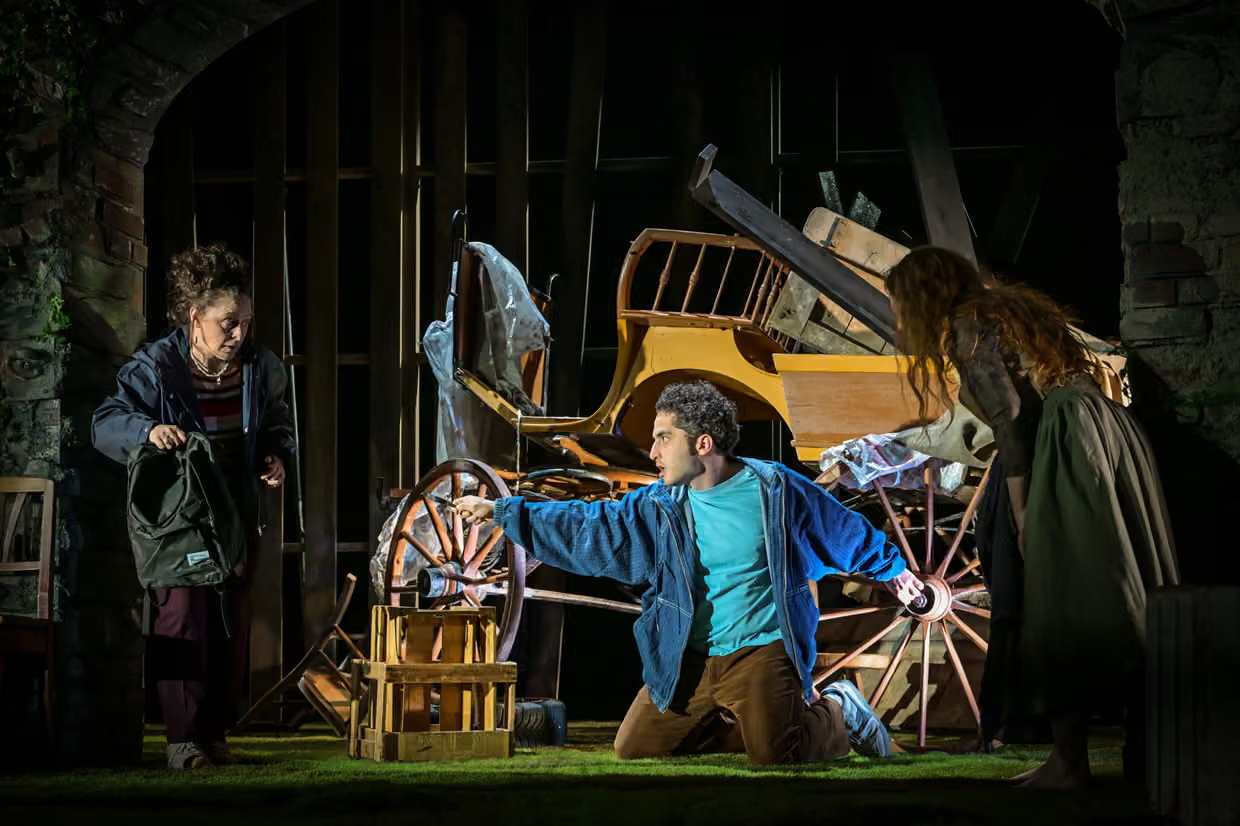
Their story is told in Refuge, a co-production between Staatstheater Mainz and the Irish company Fishamble.
他们被称为“爱尔兰帕拉蒂纳人”,是一群贫困而保守的定居者,既不会说当地语言,又成为怀疑与暴力的对象——这仿佛是过去十年中叙利亚或阿富汗难民遭遇的预演。
Part love story, part social commentary, it is performed by a mixed cast, mainly in English but with some German interludes.