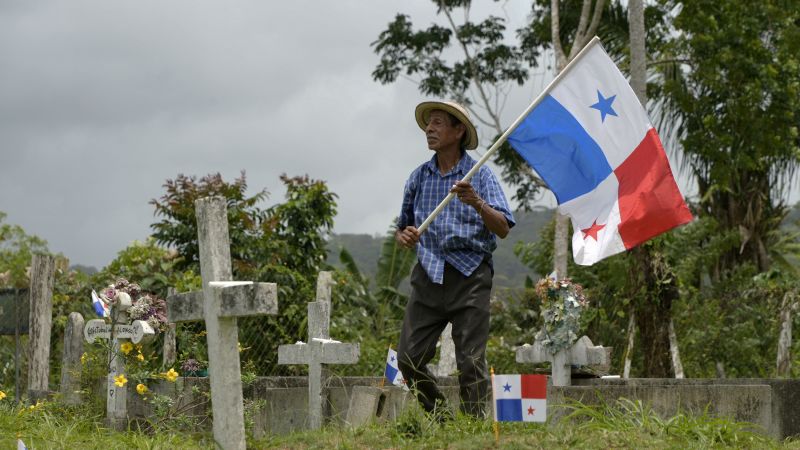
当玛丽塞尔·桑切斯(Maricel Sánchez)的家人在15年前埋葬她的祖母时,她从未料到有一天自己不得不将她挖出来。
When Maricel Sánchez’s family buried her grandmother 15 years ago, she never expected she would have to dig her back up one day.
但由于巴拿马运河管理局(Panama Canal Authority)计划建造一个新的水库,为这条承担全球约5%航运的重要水道供水,她面临着这样一种令人毛骨悚然的境地。
But that’s the morbid situation she faces due to plans by the Panama Canal Authority to build a new reservoir that will feed the crucial waterway that handles about 5% of the world’s shipping.
这个作为独立政府机构的运河管理局表示,里奥印第奥(Rio Indio)水库项目对于维持该水道的运转至关重要,因为化石燃料污染的影响以及厄尔尼诺这一自然气候模式,已经使巴拿马中部这片区域越来越容易发生干旱。为了给这座将成为该运河第三座水库的项目腾出空间,一个目前拥有学校、教堂、农场和墓地、面积超过1.1万英亩的地区将被淹没,至少有1600名居民需要重新安置。
The canal authority — an autonomous government agency — says the Rio Indio reservoir project is essential to keep the waterway functioning because the impacts of fossil fuel pollution and El Niño, a natural climate pattern, have made this area of central Panama increasingly prone to droughts. To make way for what will be the third reservoir to serve the canal, an area of more than 11,000 acres that is currently home to schools, churches, farms and cemeteries will have to be flooded and at least 1,600 residents re-homed.
这将彻底颠覆当地人的生活,比如27岁的桑切斯和她的两个幼女,她们所在的农村小镇利蒙德查格雷斯(Limón de Chagres)是印第奥河沿岸数十个将受影响的社区之一。她家人安葬的墓地是将被迁葬的洪泛区内的八个墓地之一。
That will upend the lives of locals like 27-year-old Sánchez and her two young daughters, whose rural town of Limón de Chagres is one of dozens of communities along the Indio River that will be affected. The cemetery where her family members are buried is one of eight in the flood zone that will have to be exhumed.
“这完全出乎我的意料,”桑切斯说,“我从未想象他们竟敢干涉对我们农村人而言如此敏感的事情。”运河管理局曾表示,迁址遗骸将与家属提前协调,并尊重宗教信仰、文化敏感性和情感联系。地方当局将承担整个过程的费用——从新棺材或骨灰盒到新地点的墓碑。
“This took me completely by surprise,” Sánchez said. “I never imagined they would dare to interfere with something so sensitive to us as rural people.”The canal authority has said that relocating the remains will be coordinated in advance with family members, with respect for religious beliefs, cultural sensitivities and emotional ties. Local authorities will cover the cost of the whole process — from new coffins or urns to headstones at the new sites.
但许多居民表示,没有哪种人性化的方式可以进行迁葬,尤其是在埋葬了五代以上亲人的祖传土地上。
But many residents say there’s no humane way to carry out an exhumation, especially on ancestral lands where more than five generations are buried.
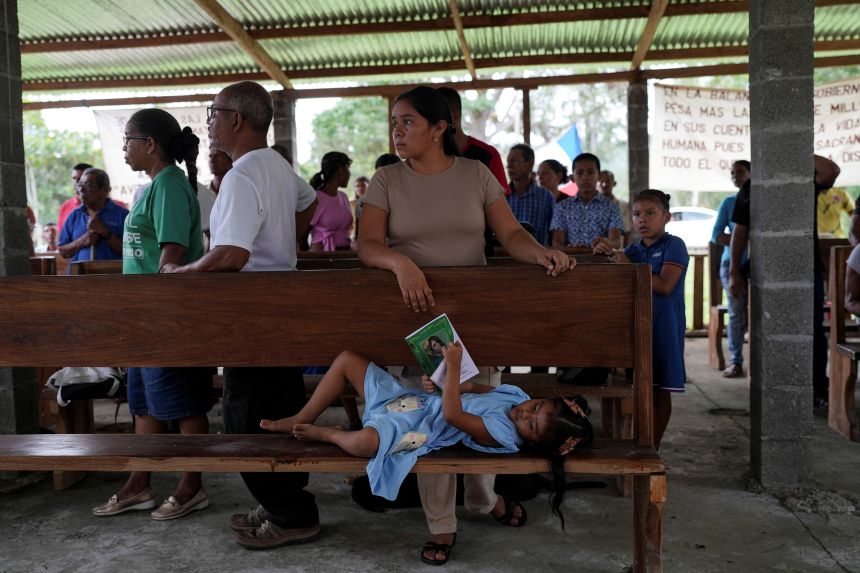
“承受失去亲人的痛苦已经够难了,但我感觉当他们再次把他们挖出来时,你会再次经历那种痛苦,”桑切斯说。
“It is hard enough to endure the pain of losing a family member, but I feel that when they dig them up again, you re-live that pain all over again,” Sánchez said.
一项政府令于7月终止了埃尔利蒙(El Limón)墓地的安葬活动。其他七处墓地将于2027年1月起禁止安葬。该水库的建设预计将于2028年开始,整个项目计划于2031年至2032年之间完工。
A government decree ended burials at El Limón cemetery in July. The seven other cemeteries will become off-limits for burials in January 2027. Construction on the reservoir is expected to begin in 2028 with the project slated for completion between 2031 and 2032.
运河管理局表示,新水库建成后,不仅能将运营效率提高10%至15%,还将有助于向附近社区供水。
The canal authority says that, when completed, the new reservoir will both boost its operations by 10 to 15% and help supply water to nearby communities.
巴拿马运河管理局(ACP)去年2月表示:“这代表着在造福所有巴拿马人和全球贸易、提升运河可持续性、可靠性和竞争力方面迈出了重要一步,”同时承诺拨出资金用于赔偿、重新安置和支持家庭及业主。
“It represents a significant step towards canal sustainability, reliability, and competitiveness, for the benefit of all Panamanians and global trade,” the ACP said in February last year, while pledging to set aside funds for compensating, resettling and supporting families and property owners.
然而,许多当地人对他们能获得多少赔偿(如果有的话)持怀疑态度。他们还对农业和渔业社区能否自给自足表示担忧。
However, many locals are skeptical of how much compensation they will receive — if any at all. They have also raised fears over whether farming and fishing communities will be able to sustain themselves.
40岁的奥莱加里奥·塞德尼奥·罗哈斯(Olegario Cedeño Rojas)是利蒙德查格雷斯(Limón de Chagres)的一名农民,他就是这些怀疑者之一。
Olegario Cedeño Rojas, 40, a farmer in Limón de Chagres, is among those skeptics.
他的四个祖父母都埋葬在埃尔利蒙墓地。他说,给他们起棺迁葬意味着重温失去亲人的痛苦。他告诉美国有线电视新闻网(CNN),失去土地就等于失去了生活的基石。
All four of his grandparents are buried in El Limón cemetery. Exhuming them, he says, means reliving the pain of losing them. And losing his land means losing the foundation of his life, he told CNN.
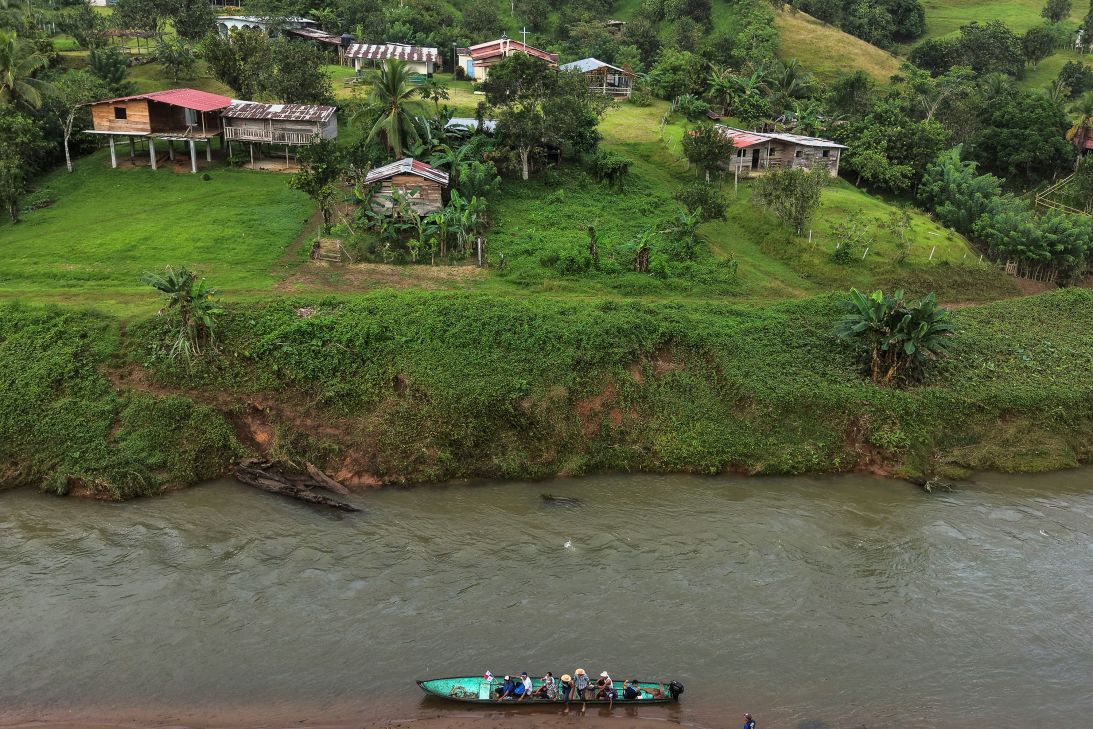
他质问:“当我放弃我的土地、我的生活和我拥有的一切时,他们怎么能用永久的东西——经久不衰的东西——来补偿我?”“土地是我们的生命保险——是我们唯一永久、经久不衰的有价值资产,也是我们所有农民唯一的生计来源。”对于大多数人来说,农业、渔业和河流运输是他们仅有的技能。农民们担心他们被重新安置到的土地肥力会下降,而从事河运的工人——比如在印io河上运送乘客的桑切斯(Sánchez)——则担心该项目可能会限制他们对水域的使用。渔民们也有理由感到担忧。
“How can they compensate me with something permanent — something enduring — when I am giving up my land, my life, and everything I have?” he asked. “The land is our life insurance — our only permanent, enduring asset of value and the sole source of livelihood for all of us farmers.”For most people, farming, fishing and river transport are all they know. While farmers fear the land they’re relocated to will be less fertile, workers in river transport — such as Sánchez, who boats people up and down the Indio — fear the project could limit their access to the water. Fishermen, too, have reason to worry.
专家警告称,建造水库所需的大坝将打断河流的自然水流,对海洋生物造成损害。科罗拉多州立大学生物学教授兼河流生态学专家勒罗伊·波夫表示,顺流和逆流洄游以进行繁殖的鱼类将受到大坝的阻碍,从而对当地及下游社区获取食物和收入这一重要来源构成打击。
Experts warn that the dam needed to create the reservoir will disrupt the river’s natural flow, to the detriment of marine life. LeRoy Poff, biology professor at Colorado State University and a river ecology expert, says fish species moving up and down the river to reproduce will be hindered by the dam, dealing a blow to a vital source of food and income for locals and downstream communities.
该水库项目的社会环境经理卡丽娜·韦尔加拉对美国有线电视新闻网表示,需要重新安置的区域就在附近,并拥有适宜耕作的相似土壤和条件。
The socio-environmental manager of the reservoir project, Karina Vergara, told CNN that the areas to be resettled were nearby and would have similar soil and conditions favorable to farming.
然而,她承认这些土地尚未被正式收购,并称当局仍在与现业主进行谈判,其中一些地区仍需建设道路等基础设施。
However, she admitted the land had not yet been formally acquired, saying the authority was still negotiating with the current owners and that some of the areas still needed infrastructure such as roads.
当被要求为重新安置设定一个具体日期时,她表示并没有具体的时间表,因为运河管理方致力于“循序渐进、谨慎地推进这一进程,与民众合作”。但她表示,重新安置计划仍定于2027年某个时候进行,第一批搬迁将前往房屋、学校和道路等基础设施已经完备的地区。
Asked to put a date on the resettlements, she said there was no specific timeline because the canal was committed to “doing this process gradually and carefully, working with the people.”But she said resettlement was still slated for sometime in 2027 and that the first relocations would be to areas where basic infrastructure such as houses, schools and roads were already in place.
对许多居民来说,时间表的不确定性只会增加他们的焦虑,而专家则表示,整个进程似乎远远落后于预定计划。
For many residents, uncertainties over the timeline have only added to their anxiety, while experts say the whole process seems far behind schedule.
湿地保护组织CREHO的首席执行官奥斯瓦尔多·乔丹表示:“我认为,他们在这个阶段至少应该已经选好搬迁地点并开始重建农场了。”
“I would think that at this point they would at least have relocation sites and would start recreating farms,” said Osvaldo Jordan, CEO of wetlands conservation organization CREHO.
与此同时,桑切斯表示,这一进程并不像当局所表现的那样具有相互协商和合作性。
Sánchez, meanwhile, says the process hasn’t been as mutual and collaborative as authorities make it seem.
桑切斯说:“他们对我们做出决定,就好像我们只是物品一样。我们不是可以随意挪动的物品。”为了修建水库而迁徙人口在该地区并非史无先例,尽管这种做法往往饱受争议。2016年落成、导致4万多人流离失所的巴西贝卢蒙特水库的建设,以及2011年开工建设的哥伦比亚埃尔金博水库,都曾引发类似的争论。
“They make decisions about us as if we were mere objects,” Sánchez said. “We are not objects to be moved around.”Relocating populations to make way for dams is far from unprecedented in the region — though the practice often proves controversial. Similar debates were sparked by the building of Brazil’s Belo Monte dam, inaugurated in 2016, which displaced more than 40,000 people; and Colombia’s El Quimbo dam, on which construction began in 2011.
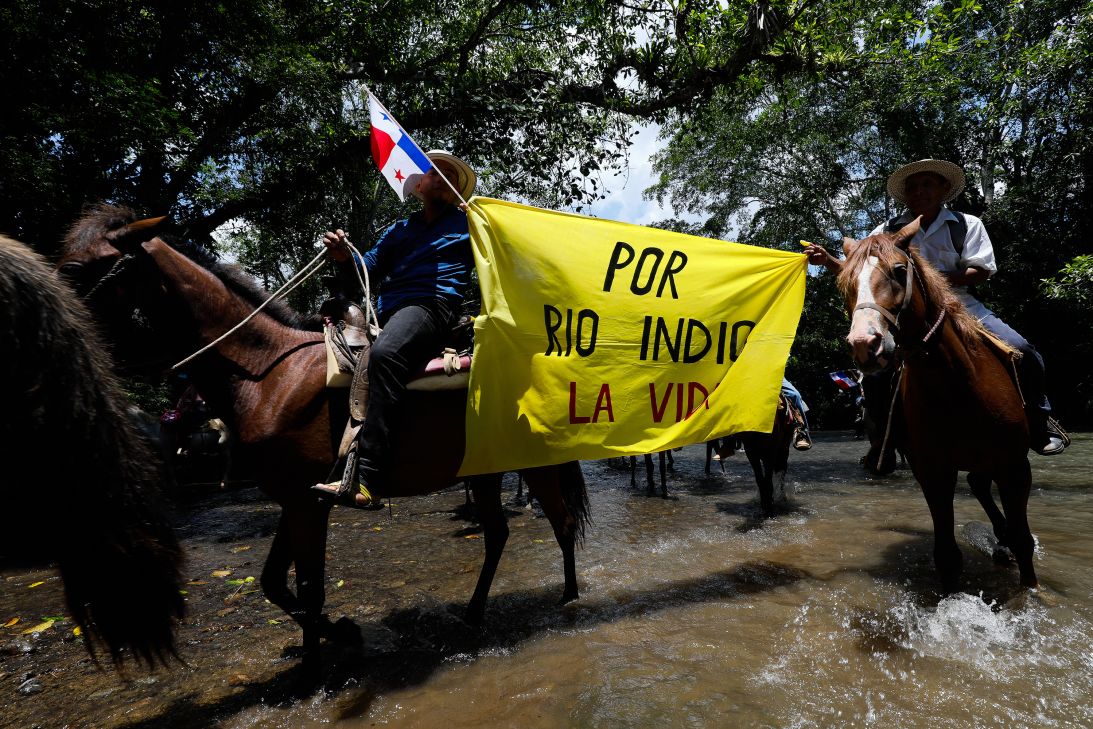
在埃尔金博水库的案例中,哥伦比亚政府于2024年向94户流离失所的家庭移交了土地,但一些活动人士估计,受影响的实际人数达数百甚至数千人。
In the case of El Quimbo, the Colombian government handed over land to 94 displaced families in 2024, but some campaigners estimate the true number of people affected runs into the hundreds or even thousands.
再看因迪奥河,巴拿马似乎经权衡后认为,此类争议与该项目的重要性相比显得微不足道。巴拿马已将该项目视为“国家水安全的首要任务”,并认为有必要保护运河——该运河约占该国年度总国内生产总值的8%。
Back on the Indio River, Panama appears to have calculated that any such controversy is outweighed by the importance of the project, which it has deemed a “top priority for national water security,” and its need to protect the canal — which contributes an estimated 8% of the country’s total annual GDP.
根据该国气象研究所的数据,巴拿马通常在1月至3月为旱季,5月至11月为雨季。
Panama has a traditionally dry season that spans January to March, and a traditionally wet season from May to November, according to the country’s meteorology institute.
官员们表示,自然厄尔尼诺现象和人为气候变化带来的影响日益加剧,这是迫使他们做出建造新水库决定的原因,因为该国需要在异常多雨的旱季储存额外的水,以便在雨季异常干旱时使用。
The growing impacts of both natural El Niño patterns and man-made climate change are forcing the decision to build the new reservoir, officials say, because the country needs to store additional water during unusually wet dry seasons so it can be used when wet seasons turn out to be unusually dry.
巴拿马史密森尼热带研究研究所物理监测项目主任史蒂夫·帕顿表示,今年1月至3月是该地区有记录以来最湿润的旱季。帕顿指出,紧接着迎来了有史以来最干燥的4月至月期间,并称这些影响“几乎肯定是厄尔尼诺现象显现的结果”。尽管如此,虽然运河管理局坚称该水库“为了所有巴拿马人及全球贸易的利益”,但对于印第奥河沿岸的许多当地人来说,很难不去关注它将对他们的日常生活产生的更直接的影响。
January to March of this year saw the area’s wettest dry season on record, said Steve Paton, director of the Smithsonian Tropical Research Institute’s Physical Monitoring Program in Panama. That was soon followed by the driest April-to-July period ever, according to Paton, who said the effects were “almost certainly the result of El Niño making itself felt.”Still, while the canal authority insists the reservoir is “for the benefit all Panamanians and global trade,” for many locals along the Indio River it is hard to see past the more immediate effects it will have on their daily lives.
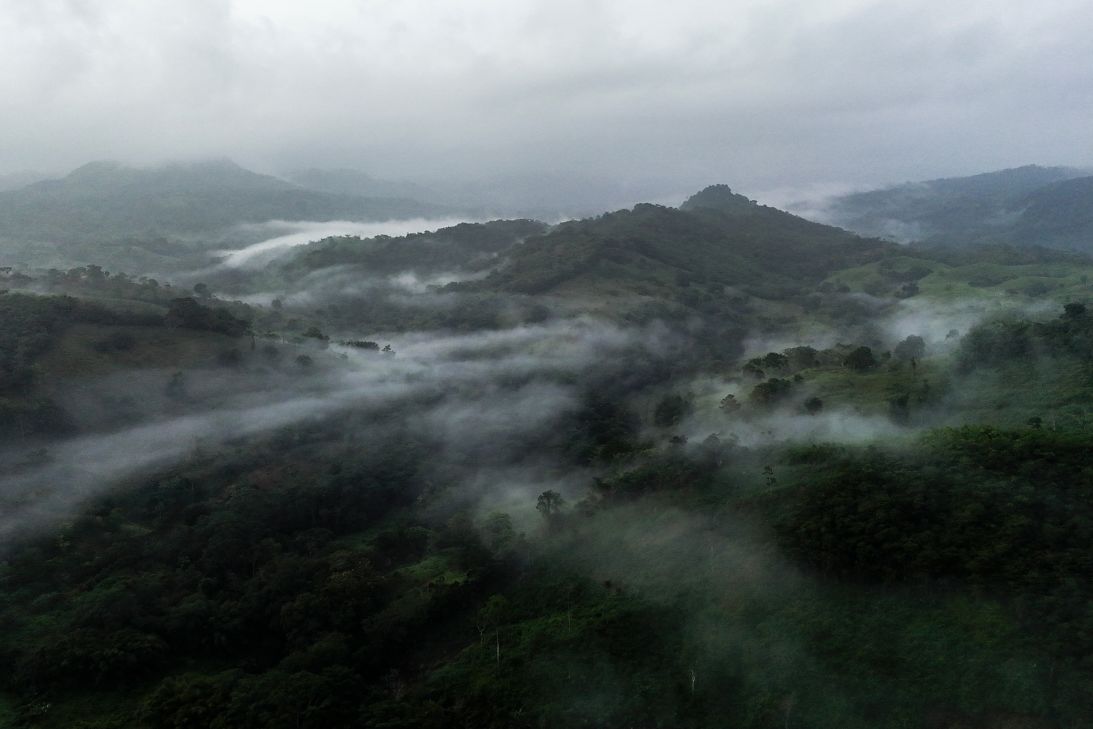
除了对搬迁和生计的担忧外,对这条河流流量的预期破坏也引发了人们的质疑,即印第奥河是否还能继续被用作连接许多小村庄和社区的交通路线。
Alongside their fears over relocation and livelihoods, the expected disruptions to the flow of the river have raised doubts about whether the Indio can continue to be used as a transport route connecting many small villages and communities.
利蒙德查格雷斯西北方向是印第奥河畔埃尔霍博,亚历克西斯·罗德里格斯在那里长大并至今仍会去探访。
Northwest of Limón de Chagres is El Jobo de Rio Indio, where Alexis Rodriguez grew up and still visits.
他在巴拿马城生活了大约十年,每次回去都是乘船沿着印第奥河出行。对大坝影响的不确定性让他不禁纳闷,自己以后将如何去探望抚养他长大的91岁的祖父。
He’s been living in Panama City for about a decade and travels the Indio River by boat for his trips back. Uncertainty over the dam’s effects have left him wondering how he will be able to visit his 91-year-old grandfather who raised him.
像桑切斯和塞德尼奥·罗哈斯一样,他的亲人也安葬在计划搬迁的墓地里。他的曾祖父母已经在那里待了30年,其他祖先的时间则更长。
Like Sánchez and Cedeño Rojas, he has loved ones buried in a cemetery slated for relocation. His great-grandparents have been there for 30 years, and other ancestors, even longer.
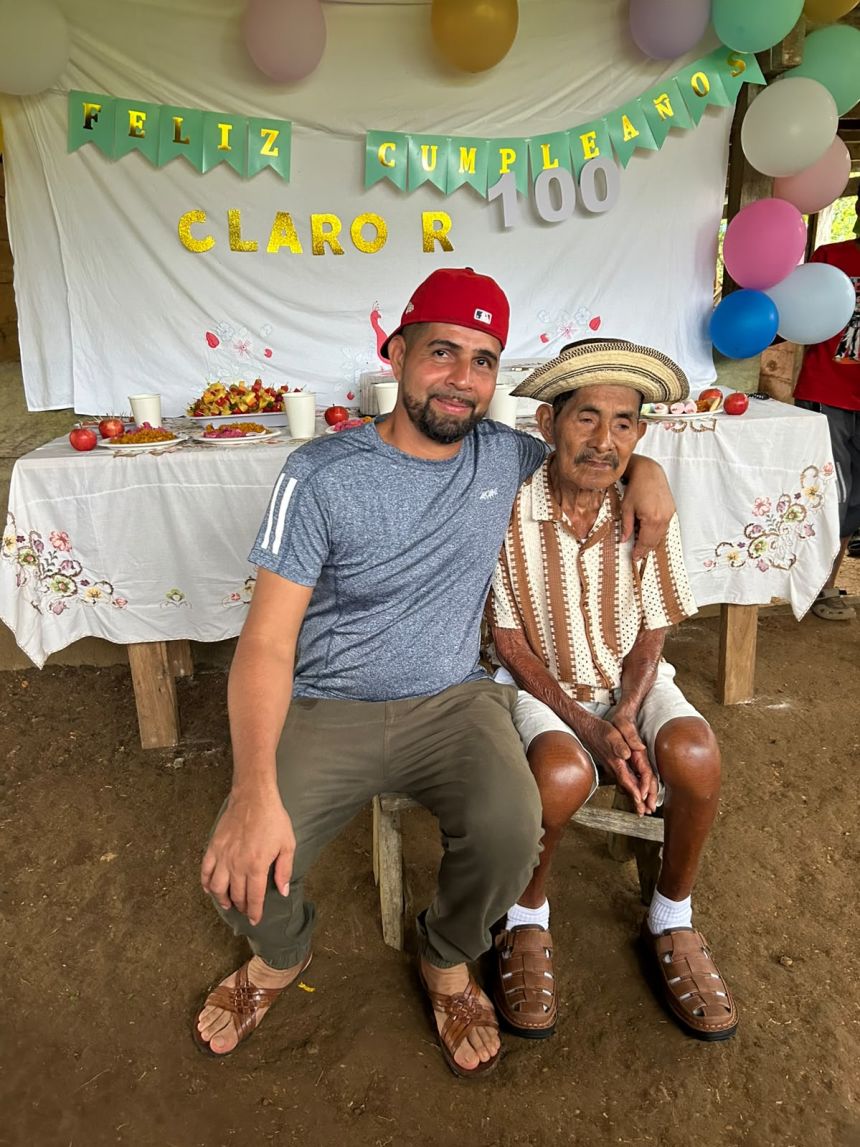
他说:“不得不再次打开(墓地)并将亲人从那里迁走……这非常悲伤、痛苦,且极其令人震惊。”
“Having to open (the grave sites) up again and remove a loved one from there … it is very sad, painful and deeply shocking,” he said.
对桑切斯来说,新水库不仅威胁到要根除过去的几代人,还威胁到她女儿们的未来。她7岁的女儿听着周围的对话,看着社区里的抗议活动,并注意到了来访的运河工作人员。
For Sánchez, the new reservoir threatens to uproot not only generations past, but her daughters’ futures. Her 7-year-old hears the conversations around her, sees the protests in her community and notices the visiting canal personnel.
女儿问:“妈妈,他们真的要用水把我们淹了吗?我们最终会淹没在水底吗?我们要搬到哪里去?”
“Mom, are they really going to flood us with water? Are we going to end up underwater?” she asks. “Where are we going to move?”
但由于得不到当局的回答,桑切斯不禁纳闷:“我们作为成年人,该怎么给孩子们答案呢?”
But without the answer from authorities, Sanchez wonders: “How are we, as adults, supposed to give it to our children?”