
克里斯·托马斯对人工智能小 gadget 完全投入。这位43岁的托马斯佩戴着一副配备摄像头的Meta智能眼镜,脖子上挂着一款Fieldy记事吊坠,手腕上戴着来自亚马逊Bee的智能手环,这些设备都在记录他的日常生活。作为一名匹兹堡本地的企业主和直播主,托马斯依赖这些设备来帮助自己保持井井有条、按时付账和设置提醒。
Chris Thomas is all-in on AI gadgets. Thomas, 43, wears a pair of Meta 's camera-equipped glasses, a Fieldy note-taking pendant around his neck and a wristband from Amazon 's Bee, all of which record his daily life. A Pittsburgh-based business owner and a livestreamer, Thomas relies on the devices to help him stay organized, pay bills on time and set reminders.
“我健忘得不行,”托马斯在一次采访中说道。“我的生活太疯狂了,不必再记得去记得事情,这太棒了。”并不是所有人都认同他的生活方式。本周早些时候,一位在当地酒吧的路人注意到了他的Meta眼镜。
"I'm forgetful AF," Thomas said in an interview. "My life is so crazy that not having to remember to remember is fantastic." Not everyone is on board with his lifestyle. Earlier this week, a bystander at a local bar noticed his Meta Glasses.
“他当时说,‘我感觉不舒服’,”托马斯说。“我不关掉它,我直接把它摘下来,因为人们真的不相信它已经关掉了。”随着越来越多的科技公司推出具有人工智能功能、始终处于监听状态的设备和功能,这类互动正变得越来越常见。这些产品被宣传为实用工具,可用于转录会议、跟踪对话、设置提醒和提供个性化推荐。
"He was like, 'I don't feel comfortable,'" Thomas said. "I don't turn it off, I take it off completely because people don't really believe it's off." It's the type of interaction users are increasingly navigating as more tech companies introduce AI-powered, always-listening devices and features, which have been marketed as useful tools to transcribe meetings, keep track of conversations, set reminders and offer personalized recommendations.
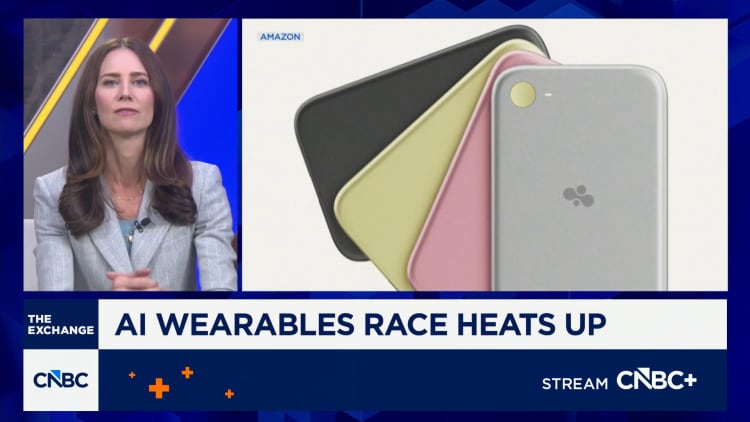
这些小 gadget 的最新例子于周四随亚马逊的Bee Frontier可穿戴设备和Bee Eclipse登场——后者是一款卡片形状的设备,可附加在智能手机上。这两款设备均旨在记录、转录和分析用户的一整天。
The latest example of these gadgets arrived Thursday with Amazon's Bee Frontier wearable and Bee Eclipse, a card-shaped device that attaches to a smartphone. Both devices are designed to record, transcribe and analyze a user's day.
苹果最新的Apple Watch Series 12于九月发布,将具备Siri Recap功能,该功能能够“环境式”地全天记录笔记,并生成对话摘要。另一项名为Live Rewind的功能则可通过文本转录回顾对话中的15秒内容。
Apple's latest Apple Watch Series 12, unveiled in September, will have Siri Recap, which "ambiently" takes notes throughout the day and generates summaries of conversations. Another feature called Live Rewind can recap 15 seconds of a conversation via a text transcription.
Meta的热门智能眼镜可拍照、录像并录制语音备忘录或提醒。包括Plaud和Pocket在内的多家初创公司也开发了卡片大小的记事设备,而Friend则推出了一款AI项链。
Meta's popular smart glasses can take photos, capture video and record voice notes or reminders. Startups including Plaud and Pocket also developed card-sized note-taking devices, while Friend offers an AI necklace.
这些设备引发了人们的担忧,认为它们可能通过在未获得旁人同意的情况下进行隐蔽录制,以及收集可能被他人访问的敏感数据,从而侵蚀隐私。
The devices have fueled concerns that they could erode privacy, by enabling covert recording without obtaining bystanders' consent and collecting sensitive data that's potentially accessible to others.
亚马逊、谷歌和其他语音激活智能音箱制造商在其设备首次上市时也面临类似的隐私问题,在某些情况下导致了诉讼和监管罚款。但这一代人工智能设备也在测试隐私法的界限。
Amazon, Google and other makers of voice-activated smart speakers faced similar privacy concerns when their devices first hit the market, in some cases leading to lawsuits and regulatory fines. But this new generation of AI devices is also testing the limits of privacy law.
与早期通过所谓“唤醒词”激活并有时存储录音或将音频发送到云端的智能音箱不同,这些产品中的一些可以持续“倾听”环境中的对话,并实时将其转换为摘要,而无需保存原始音频。
“随着这种新技术的出现,我的立场始终是谨慎拥抱,”塔夫茨大学工程学院研究生教育院长、电气和电子工程师学会院士卡伦·帕内塔说。
Unlike earlier smart speakers that were activated via a so-called "wake word" and sometimes stored recordings or sent audio to the cloud, some of these products can continuously "With new technology like this, my statement is always to embrace with caution," Karen Panetta, dean of graduate education at Tufts' School of Engineering and a fellow at the Institute of Electrical and Electronics Engineers, said.
她补充道:“如果我允许自己被录音,或允许我所看到的一切被录音,这并不意味着你身边的其他人也已经给予了这种同意。”苹果和亚马逊似乎已经规避了此前困扰语音助手的一些隐私问题。
She added, "If I'm giving permission for myself to be recorded, or for everything I look at to be recorded, that doesn't mean everybody else around you has given that consent." The gray area Apple and Amazon appear to have sidestepped some of the privacy concerns that dogged earlier voice assistants.
苹果表示,该功能不会存储音频、不会将录音发送到其服务器,也不涉及人工审核。亚马逊表示,它不会存储来自Bee设备的音频,对话将在一个安全环境中处理——“在这个环境中,包括亚马逊在内的任何人都无法访问您的数据。”但这可能无法解决法律问题。
Apple says the feature does not store audio, send recordings to its servers, or involve human review. Amazon has said it doesn't store audio from Bee devices, and conversations are processed in a secure environment "where no one, including Amazon, can access your data." But that may not resolve the legal question.
许多州的窃听和偷听法律的制定重点在于私人通信是否被拦截或其内容是否被获取,而不仅仅是是否创建了传统音频录音。
Many state wiretap and eavesdropping laws are written around whether a private communication was intercepted or its contents were acquired — not simply whether a conventional audio recording was created.
福利霍格律师事务所隐私与数据安全律师科林·齐克表示,苹果似乎已经从语音助手的第一波诉讼中吸取了教训。但这项新技术提出了之前案例从未需要回答的问题:如果一个系统持续倾听、解释语音并将其转换为摘要,但从不保存底层音频,它是否仍构成拦截?
Colin Zick, a privacy and data security attorney at Foley Hoag, said Apple appears to have learned from the first wave of litigation over voice assistants. But the new technology raises questions those earlier cases never had to answer: Can a system that is continuously listening, interpreting speech and turning it into a summary still amount to an interception if it never saves the underlying audio?
一些州的法律对拦截的定义非常宽泛。例如,马萨诸塞州将拦截设备定义为能够“传输、接收、放大或记录”通信的设备,而通信的“内容”可以包括其实质和意义。
在齐克看来,一个持续接收语音并生成书面摘要的设备,即使不保留音频文件,也可能落入该语言之中。
Some state laws define interception broadly. Massachusetts, for example, defines an intercepting device to include equipment capable of "transmitting, receiving, amplifying, or recording" a communication, while the "contents" of a communication can include its substance and meaning.
而在一些州,更大的法律风险可能不会落在苹果、亚马逊或其他人工智能设备制造商身上,而是落在佩戴该设备的人身上。
In Zick's view, a device that continuously receives speech and produces a written summary could potentially fall within that language even without retaining an audio file.
“非佩戴者没有购买手表,也没有同意苹果的条款,也没有选择在应用程序中让他们的对话被摘要,”齐克说。
And in some states, the bigger legal risk may fall not on Apple, Amazon or other AI gadget makers but on the person wearing the device.
苹果的1999美元iPhone Duo将公司的地位象征力量置于考验之中。特朗普表示白宫并未下令在乌克兰限制星链。蓝色起源计划在佛罗里达投资3.3亿美元进行扩张,以提升新格伦号发射。SpaceX的AI政策负责人因Grok的安全性和性化图像问题被纽约市议会质询。新罕布什尔大学弗兰克·皮尔斯法学院副教授丹尼尔·皮表示,新罕布什尔州的法律措辞足够宽泛,以至于他认为这可能导致一种不寻常的情况:普通消费者打开主流设备内置的功能,并且至少在技术层面上,在未获得所有参与者同意的情况下,在私人对话中使用该功能时可能触犯州法律。
"A non-wearer did not buy the watch, agree to Apple's terms, or choose to have their conversation summarized in the app," Zick said. Apple's $1,999 iPhone Duo puts the company's status-symbol power to the test Trump says White House didn't order Starlink restrictions in Ukraine Blue Origin plans $330 million Florida expansion to ramp New Glenn launches SpaceX AI policy leader grilled by NYC Council on Grok safety, sexualized images Daniel Pi, an associate professor at the University of New Hampshire Franklin Pierce School of Law, said New Hampshire's statute is broad enough that he believes the That could create an unusual situation in which an ordinary consumer turns on a feature built into a mainstream device and, at least technically, runs afoul of state law by using it during a private conversation without everyone's consent.
皮表示,新罕布什尔州的用户如果这样做,可能面临民事或刑事责任,尽管他强调实际被起诉的风险远低于此。首先很难知道某人是否已经启用了该功能,而且他表示,如果检察官因仅涉及法规条文的技术性违规而未造成任何伤害就提起诉讼,他会感到惊讶。
Pi said a user in New Hampshire could potentially face civil or criminal liability for doing so, though he stressed that the practical risk of prosecution is far lower. It could be difficult to know whether someone had the feature enabled in the first place, and he said he would be surprised to see prosecutors pursue cases involving a bare statutory violation where no one was harmed.
法律问题也与早期智能音箱和语音助手所引发的问题不同。那些案例通常围绕设备误激活或捕捉非指令性语音展开。而此处,该功能的设计初衷是获取并解读对话的实质内容 — — 并且用户已主动选择加入。
The legal questions are also different from those raised by earlier smart speakers and voice assistants. Those cases often centered on devices mistakenly activating or capturing speech that was not intended as a command. Here, the feature is designed to acquire and interpret the substance of a conversation — and the user has deliberately opted in.
皮表示,这改变了分析方式,也可能使责任从技术公司本身转向佩戴者。旁观者 更广泛的隐私担忧不仅限于谁应承担法律责任。
That changes the analysis, Pi said, and could also shift responsibility toward the wearer rather than the technology company itself. The bystanders The broader privacy concern extends beyond who is legally responsible.
前中央情报局官员、维兰特新兴技术高级副总裁迈克尔·斯托克斯表示,更大的转变在于,人们可能在未拥有或未明知与收集数据的设备互动的情况下,被卷入人工智能驱动的监控之中。
Michael Stokes, a former CIA officer and senior vice president of emerging technologies at Veilant, said the bigger shift is that people can be swept into AI-powered surveillance without owning or knowingly interacting with the device doing the collecting.
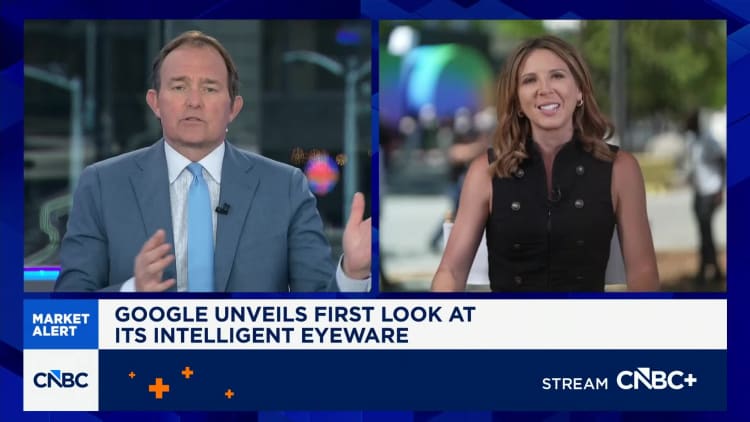
“我认为旁观者问题才是我真正担心的 — — 你可能在未拥有该技术的情况下被监控,”斯托克斯说。
"I think the bystander problem is really the concern I have — that you can be surveilled without owning the technology," Stokes said.
他指出,消费设备中嵌入的摄像头、麦克风和传感器数量正在增长,从智能眼镜到手表和人工智能录音设备。如今的不同之处在于,人工智能能够快速解读这些设备采集的信息,并从比早期消费技术更庞大的数据量中提取意义。
He pointed to the growing number of cameras, microphones, and sensors embedded in consumer devices, from smart glasses to watches and AI recorders. The difference now, he said, is that AI can rapidly interpret what those devices collect and draw meaning from far larger volumes of information than earlier generations of consumer technology.
对斯托克斯而言,这使得Apple Watch成为隐私格局更大规模变革的一部分。在中央情报局任职期间,他曾参与发展“无处不在的技术监控”概念,描述一个日常设备持续生成信息、可揭示身份、位置和关联关系的世界。
For Stokes, that makes the Apple Watch part of a much larger change in the privacy landscape. During his time at the CIA, he helped develop the concept of ubiquitous technical surveillance, describing a world in which everyday devices continuously generate information that can reveal identities, locations, and associations.
他强调,担忧不仅在于可以收集更多数据,而在于理解这些数据的成本已大幅下降。
The concern is not simply that more data can be collected, he said, but that the cost of making sense of it has fallen dramatically.
过去,斯托克斯说,情报收集可能需要数千小时的工作来收集、整理和分析关于一个人的信息。人工智能越来越多地自动化这一过程,使得从可能被无意中收集的数据中提取有用信息变得更便宜、更容易。
In the past, Stokes said, intelligence collection could require thousands of hours of work to gather, sort and analyze information about a person. AI increasingly automates that process, making it cheaper and easier to extract useful information from data that may have been gathered incidentally.
这为那些最初从未选择使用该技术的人创造了一种新的暴露风险——无论是附近可穿戴设备捕捉到的私人对话,还是他们不拥有的设备收集的信息。
That creates a new kind of exposure for people who never opted into the technology in the first place — whether it is a private conversation picked up by a nearby wearable or information collected by a device they do not own.
“我们不再拥有过去认为自己拥有的那些小隐私空间了,”斯托克斯说。
"We no longer have these pockets of small privacy that we thought we did in the past," Stokes said.
艾达·巴拉达里是初创公司Deveillance的创始人,她正试图让担心未经同意被录制的人们重新获得一些控制权。
Aida Baradari, founder of the startup Deveillance is trying to give some control back to people worried about being recorded without their consent.
该公司开发了一种形状像冰球的小装置,名为Spectre I,它利用人工智能扫描附近的设备,并发出“对抗性信号”,在麦克风处理之前打乱人的语音。
The company created a hockey puck-shaped gadget, called the Spectre I, that uses AI to scan for nearby devices and sends out "adversarial signals" that scramble a person's speech before microphones can process it.
巴拉达里说,她看到越来越多的人工智能可穿戴设备进入市场,觉得用户应该在如何与这些设备互动方面拥有更大的发言权。
Baradari said she watched as more AI wearables hit the market and felt users should have a greater say in how they interact with them.
“我们需要能够使用技术,同时不放弃我们的核心价值观或权利,”她说。
"We need to be able to use technology while not giving up our core values or rights," she said.