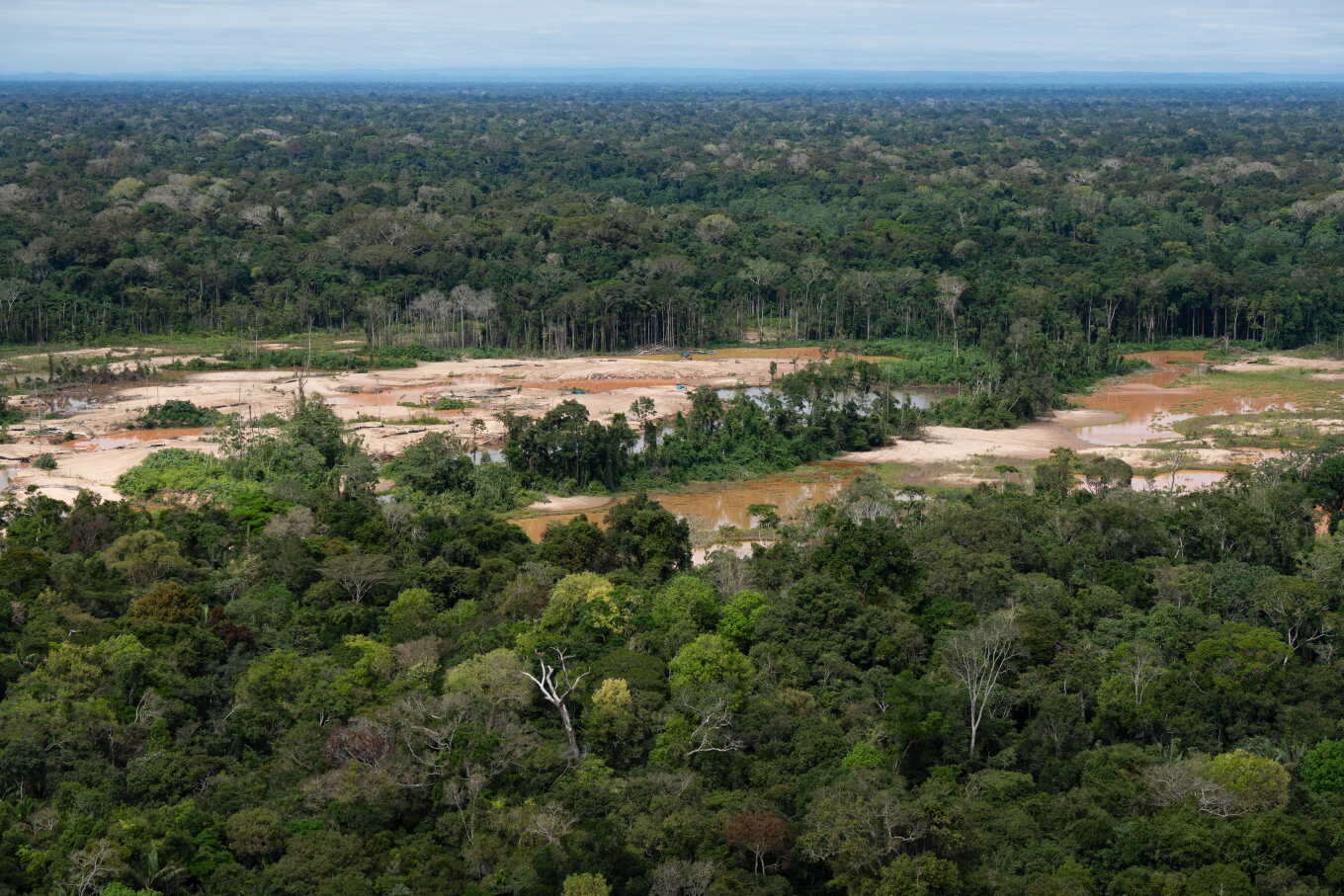
亚马逊地区的原住民领袖将于下周在维也纳联合国会议上,继续他们打击非法采矿、贩毒和森林砍伐的斗争。
Indigenous leaders from the Amazon are taking their fight against illegal mining, drug trafficking, and deforestation to a United Nations conference in Vienna next week.
STEVEN GRATTAN 哥伦比亚波哥大讯——来自亚马逊地区各地的原住民领袖,将于周一在维也纳联合国会议上,继续他们打击非法采矿、贩毒和森林砍伐的斗争。
STEVEN GRATTAN BOGOTA, Colombia — Indigenous leaders from across the Amazon are taking their fight against illegal mining drug trafficking and deforestation to a United Nations conference in Vienna starting Monday.
来自秘鲁、巴西、哥伦比亚和厄瓜多尔的十多名原住民代表,将参加10月19日至23日关于跨国有组织犯罪的联合国会议,即COP13。
More than a dozen Indigenous representatives from Peru, Brazil, Colombia and Ecuador are participating in the Oct. 19-23 U.N. conference on transnational organized crime, known as COP13.
这些领袖希望各国政府打击环境犯罪背后的金融网络,同时让原住民在保护其祖传领土和制定一项拟议中的国际协议方面发挥更大作用。
The leaders want governments to tackle the financial networks behind environmental crimes while giving Indigenous peoples a greater role in protecting their ancestral territories and shaping a proposed international agreement.
犯罪网络威胁原住民领土 秘鲁瓦米斯民族自治领土政府代表加洛伊斯·弗洛雷斯告诉美联社,非法黄金开采、伐木和贩毒正给原住民社区带来越来越大的压力。
Criminal networks threaten Indigenous territories Galois Flores, a representative of Peru’s Autonomous Territorial Government of the Wampis Nation, told The Associated Press that illegal gold mining, logging and drug trafficking are putting growing pressure on Indigenous communities.
“亚马逊的森林砍伐和污染不再仅仅是环境问题,而是一场跨国有组织犯罪和安全危机,”弗洛雷斯说。
“Deforestation and pollution in the Amazon are no longer just environmental problems, but a crisis of transnational organized crime and security,” Flores said.
弗洛雷斯表示,黄金开采产生的汞正在污染用于捕鱼和饮用水的河流,而犯罪网络拥有武器、资金以及恐吓社区的能力。作为回应,瓦米斯人设立了两个监控哨所,每个哨所由14名原住民卫士驻守,以应对非法采矿。但弗洛雷斯表示,那些抵制犯罪团体的人面临威胁和暴力。
Mercury from gold mining is contaminating rivers used for fishing and drinking water, Flores said, while criminal networks have access to weapons, money and the ability to intimidate communities. In response, the Wampis have established two monitoring posts, each staffed by 14 Indigenous guards, to confront illegal mining. But those resisting criminal groups face threats and violence, Flores said.
根据土著领袖的说法,秘鲁中部亚马逊地区的卡卡塔伊博人也面临类似危险,毒贩在其祖先森林中建立了非法古柯种植园和加工实验室。卡卡塔伊博原住民社区联合会主席马塞洛·奥迪西奥表示,自2020年以来,已有六名卡卡塔伊博领袖被杀害,而社区代表经常面临威胁。
Similar dangers confront the Kakataibo people in Peru’s central Amazon, where drug traffickers have established illegal coca plantations and processing laboratories in ancestral forests, according to Indigenous leaders. Marcelo Odicio, president of the Federation of Native Kakataibo Communities, said six Kakataibo leaders have been killed since 2020, while community representatives routinely face threats.
在巴西一侧的边境地区,阿申尼卡族领袖弗朗西斯科·皮亚科·阿皮瓦特沙描述了来自非法伐木、毒品走私以及用于运输非法货物道路的威胁。他说,7月份,至少五名武装严密、戴面具的男子闯入一个阿申尼卡社区,威胁家庭并寻找土著领袖。皮亚科表示,政府保护不足使土著社区不得不自行面对犯罪团伙。
Across the border in Brazil, Francisco Piyako Apiwtxa, an Ashaninka leader described threats from illegal logging, drug trafficking and roads used to transport illicit goods. In July, he said, at least five heavily armed, masked men entered an Ashaninka community, threatening families and searching for Indigenous leaders. Piyako said inadequate government protection has left Indigenous communities confronting criminal groups themselves.
“我们的领土、我们的家园、我们的水源,以及我们孩子的未来都岌岌可危,”他说。
“Our territories, our homes, our waters, the future of our children are at stake,” he said.
在哥伦比亚南部的普图马约地区,土著领袖英格里·莫哈纳金索伊表示,过去依赖毒品走私获利的武装团伙正日益转向非法采矿。她指出,即使采矿活动发生在土著领土之外,污染也会随水流向下游,污染社区赖以生存的河流和鱼类。
In Colombia’s southern Putumayo region, Indigenous leader Ingry Mojanajinsoy said armed groups that previously relied on drug trafficking for money are increasingly turning to illegal mining. Even when mining takes place outside Indigenous territories, she said, pollution travels downstream, contaminating rivers and fish that communities depend on for food.
根据环境与人权组织Global Witness的数据,2025年拉美地区至少有105名土地和环境捍卫者被杀害,占全球记录在案的124起杀人事件的85%。哥伦比亚记录了39起杀人事件,巴西紧随其后,有26起。
At least 105 land and environmental defenders were killed in Latin America in 2025, accounting for 85% of the 124 killings documented worldwide, according to environmental and human rights group Global Witness. Colombia recorded 39 killings, followed by Brazil with 26.
推动制定国际环境犯罪协议 维也纳会议汇聚了在联合国打击跨国有组织犯罪条约框架下开展工作的各国。各国预计将考虑启动谈判,制定一项新的议定书,以应对环境犯罪,包括非法采矿、伐木和野生动物走私。
Push for an international environmental crime agreement The Vienna conference brings together countries working under a U.N. treaty to combat transnational organized crime. Governments are expected to consider launching negotiations on a new protocol addressing environmental crimes, including illegal mining, logging and wildlife trafficking.
亚马逊观察组织西亚马逊项目主任拉斐尔·霍特默表示,有组织犯罪和非法经济已成为对亚马逊、原住民以及全球气候的主要威胁。
Raphael Hoetmer, Western Amazon Program Director at Amazon Watch, said organized crime and illicit economies have become major threats to the Amazon, Indigenous peoples and the global climate.
他批评政府依赖军事行动和突袭,认为这些措施未能解决根本原因,反而可能让原住民社区陷入暴力之中。
He criticized governments’ reliance on military operations and raids, arguing they fail to address underlying causes and can leave Indigenous communities caught in the violence.
相反,代表们希望加强原住民土地权利,支持社区主导的领土保护,并在国际谈判中拥有更大的发言权。
Instead, delegates want stronger Indigenous land rights, support for community-led territorial protection and a greater voice in international negotiations.
“此次会议不仅应同意启动针对影响环境的犯罪行为的议定书谈判,还应确保原住民在整个过程中得到严肃的咨询,”霍特默说。
“The conference should not only agree to begin negotiating a protocol against crimes that affect the environment, but also ensure that Indigenous peoples are seriously consulted in the process,” Hoetmer said.
联合国毒品和犯罪问题办公室表示,其正在拉美各地与原住民社区合作,以打击有组织犯罪和环境威胁,并指出巴西的一项项目正在帮助社区监测非法金矿开采,并更紧密地与当局合作。
The U.N. Office on Drugs and Crime said it works with Indigenous communities across Latin America to combat organized crime and environmental threats, pointing to a project in Brazil that helps communities monitor illegal gold mining and work more closely with authorities.
该项目还为建立全国性系统以检测和应对环境犯罪奠定了基础,联合国毒品和犯罪问题办公室发言人亚历杭德拉·席尔瓦表示。该机构未说明原住民代表是否将在拟议议定书的谈判中担任正式角色。
The project has also helped lay the groundwork for a national system to detect and respond to environmental crimes, said UNODC spokesperson Alejandra Silva. The agency did not say whether Indigenous representatives would have a formal role in negotiating the proposed protocol.
弗洛雷斯呼吁将环境犯罪的打击力度提升至与毒品和武器贩运相当的水平,包括追踪非法资金流动和破坏非法开采金的市场。奥迪西奥敦促政府承认原住民领土警卫的地位,并保护受威胁的领导人。
Flores called for environmental crimes to be treated as seriously as drug and arms trafficking, including tracing illicit financial flows and disrupting markets for illegally mined gold. Odicio urged governments to recognize Indigenous territorial guards and protect threatened leaders.
弗洛雷斯表示,孤立的警察行动是不够的,因为非法作业者往往在安全部队撤离后就会回来。秘鲁在八月一次非法采矿突袭期间,士兵向美联社作出了类似的观察,称矿工会等待部队离开后才重新开始工作。
Flores said isolated police operations are insufficient because illegal operators often return once security forces withdraw. Soldiers made a similar observation to AP during an illegal mining raid in Peru in August, saying miners would wait for troops to leave before restarting work.
“我们不希望让后代面临被汞污染的河流、被毁坏的森林以及被犯罪暴力控制的社区,”弗洛雷斯说。
“We do not want to leave future generations rivers poisoned with mercury, destroyed forests and communities controlled by criminal violence,” Flores said.