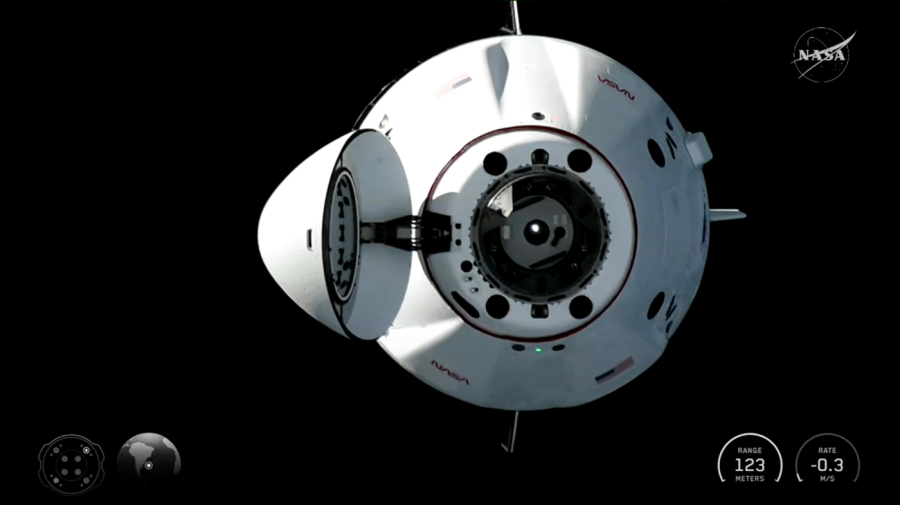
SpaceX 已表明,它将在国际空间站运行于 2030 年结束时停止发射其猎鹰 9 号和猎鹰重型火箭,以专注于星舰。这一决定带来了问题,尤其是对计划建造自身商业空间站的公司而言,因为这意味着龙飞船将不再飞行。
SpaceX has indicated that it would cease launches of its Falcon 9 and Falcon Heavy rockets to concentrate on the Starship by the end of the International Space Station’s operation in 2030. The decision presents a problem, especially to companies planning their own commercial space stations, because it means that the Dragon spacecraft will no longer fly.
由于美国国家航空航天局(NASA)已正式发出请求,要求私营公司提出其自身的空间站方案,此事变得有些紧迫。据 Ars Technica 报道,这些公司可能包括 Axiom 空间公司、航天者公司和浩瀚空间公司。蓝色起源公司正在研发其自身的空间站,但尚不清楚它是否会回应该请求。目前看来,SpaceX 不太可能参与投标。
The matter has achieved some urgency since NASA has officially issued a request for private companies to propose their own space stations. According to Ars Technica, these companies likely include Axiom Space, Voyager Space and Vast Space. Blue Origin is working on its own space station but it is unclear whether it will answer the request. SpaceX is considered not likely to bid, at least for now.
为保持低地球轨道的通畅,NASA 和波音公司正致力于复兴这一易故障的星际客机(Starliner)。星际客机已进行了两次无人飞行,首次飞行未成功。其唯一一次载人飞行导致宇航员苏尼塔·威廉姆斯和巴奇·威尔莫尔因故障而滞留在国际空间站,因为这些故障使得星际客机载人返回地球变得不安全。威廉姆斯和威尔莫尔后来乘坐龙飞船返回。
To keep access to low Earth orbit available, NASA and Boeing are working to revive the trouble-prone Starliner. Starliner has had two uncrewed flights, the first being unsuccessful. Its sole crewed flight resulted in astronauts Sunita Williams and Butch Wilmore being stuck on the International Space Station because of glitches that made Starliner unsafe to return to Earth with a crew. Williams and Wilmore later returned on board a Crew Dragon.
根据与 NASA 的协议,波音公司将进行一系列修复,这些修复预计将使星际客机具备飞行适航性。NASA 计划在 12 月或 1 月左右进行星际客机的货运飞行,并在 2028 年再次尝试载人飞行。
In an agreement with NASA, Boeing will undertake a number of fixes that will presumably make Starliner flightworthy. NASA plans a cargo flight of the Starliner around December or January, and another attempt at a crewed flight in 2028.
蓝色起源公司是另一家具备开发新型航天器能力的美国公司,该航天器能够将人员和货物送往低地球轨道并返回。事实证明,蓝色起源公司正在研发一艘航天器,代号为“空间飞行器”,Ars Technica 的埃里克·伯格表示该项目正在取得“实质性进展”。
Blue Origin is the other American company with the ability to develop a new spacecraft capable of taking people and cargo to and from low Earth orbit. It turns out that Blue Origin is working on a spacecraft, dubbed the Space Vehicle, which Ars Technica’s Eric Berger said has been making “substantial progress”.
不过,在着手研发可飞行的航天器之前,蓝色起源需要获得NASA的认可与支持,就像波音公司获得“星际客机”项目资助那样。即便有杰夫·贝索斯雄厚的资金支持,仅靠自身力量研发航天器仍是一项极其艰巨的任务。
However, before going to the next level to build flyable hardware, Blue Origin needs some buy-in from NASA similar to what Boeing is getting for Starliner. Developing a spacecraft on its own dime is a monumental challenge, even for a company backed by Jeff Bezos’ deep pockets.
NASA理应正式批准蓝色起源的航天器项目,并提供相应资金援助。当初制定的“商业载人航天计划”旨在资助两家公司研发航天器,这一决策十分明智:当波音的“星际客机”屡屡出现问题时,SpaceX的“载人龙飞船”却屡次成功完成任务。
NASA would be well advised to give its official seal of approval to the Blue Origin Space Vehicle, as well as some cash. The original Commercial Crew policy of funding two spacecraft turned out to be a wise decision when the Boeing Starliner fell short, but the SpaceX Crew Dragon came through, time after time.
随着“载人龙飞船”飞行任务的逐步结束,SpaceX正在开展“星舰”的测试飞行。一旦投入运营,这艘人类制造的最大型太空飞行器将极大提升太空发射能力,为人类探索太阳系开辟全新可能。目前全球范围内尚无类似项目正在研发中。
With the planned end of Crew Dragon flights, SpaceX is conducting test flights of its Starship. When operational, the largest human-made object ever to fly in space will be a quantum leap in space launch capability. It will open up the solar system to human activity. Nothing like it is in development anywhere else.
不过,“载人龙飞船”的退役确实让尚处于起步阶段的商业空间站行业陷入暂时停滞状态,只能等待波音“星际客机”以及蓝色起源的航天器相继问世。那么,“载人龙飞船”与“猎鹰”系列运载火箭能否继续服役呢?
Still, the fact of the Dragon going away has left the nascent commercial space station sector in something of a lurch, pending the advent of the Boeing Starliner and, presumably, the Blue Origin Space Vehicle. Could the Crew Dragon and the Falcon family of launch vehicles be extended?
实际上,SpaceX并无义务在合同规定的任务完成后继续提供相关服务。作为一家私营企业,它有权根据自身商业需求决定是否继续提供发射服务。
SpaceX is under no obligation to provide a service past the launches that it has been contracted to provide. It is a private business and free to deliver a launch service or not, depending on its business needs.
用“星舰”来运送人员与货物往返于商业空间站似乎有些大材小用。该飞船具备在太阳系内任意地点运送多达150公吨载荷的能力(经燃料补给后),这一运力远远超出了商业空间站所需的4名宇航员及少量货物的运输需求。
Using the Starship to send people and cargo to and from commercial space stations would seem like overkill. The spacecraft is capable of sending up to 150 metric tons of anything anywhere (with refueling) in the solar system, far and above the four or so astronauts and the cargo that a commercial space station would need.
事实上,“星舰”本身也可被改装为商业空间站,只需一次发射即可部署到位。目前并无迹象表明SpaceX有此计划,但谁又能预料得到呢?
Indeed, a Starship could be outfitted as a commercial space station and deployed in one launch. Little evidence exists that SpaceX is planning such a thing, but who knows?
一种可能的做法是将龙飞船、猎鹰9号和猎鹰重型火箭剥离出来,组建一家独立公司,然后将其出售给投资者,由投资者来运营该公司以服务商业空间站。可以将其命名为“龙航线”。
One possibility would be to spin off the Dragon, the Falcon 9 and the Falcon Heavy into a separate company and then sell it to investors who would then run it to service the commercial space stations. Call it Dragon Spaceline.
随后,SpaceX可以利用所得资金进一步提升星舰及其相关的太空业务,如星链和计划中的空间数据中心。
SpaceX could then use the money to further enhance the Starship and related space businesses, such as Starlink and the planned space-based data centers.
这样,各方皆获益:SpaceX、商业空间站公司以及NASA。或者说,几乎所有人都受益,因为波音和蓝色起源将面临一个拥有成功记录的竞争对手。
Everybody wins: SpaceX, the commercial space station companies and NASA. Or rather, almost everybody since Boeing and Blue Origin would have a competitor with a proven track record of success.
NASA已承诺,尽管其目标是登月、登火星及更远的深空,它并未放弃低地球轨道。未来的决策将揭示这一承诺的严肃程度。
NASA has vowed that it is not abandoning low Earth orbit as it shoots for the moon, Mars and beyond. Future decisions will reveal how serious that vow is.
马克·R·惠廷顿(Mark R. Whittington)经常撰写太空政策文章,他出版了一本题为《为什么重返月球如此困难?》的太空探索政治研究著作,此外还有《月球、火星及更远》以及最近出版的《美国为何重返月球?》。他还在“老派角落”博客上发表文章。
Mark R. Whittington, who writes frequently about space policy, has published a political study of space exploration entitled “Why is It So Hard to Go Back to the Moon?” as well as “The Moon, Mars and Beyond” and, most recently, “Why is America Going Back to the Moon?”He blogs at Curmudgeons Corner.