
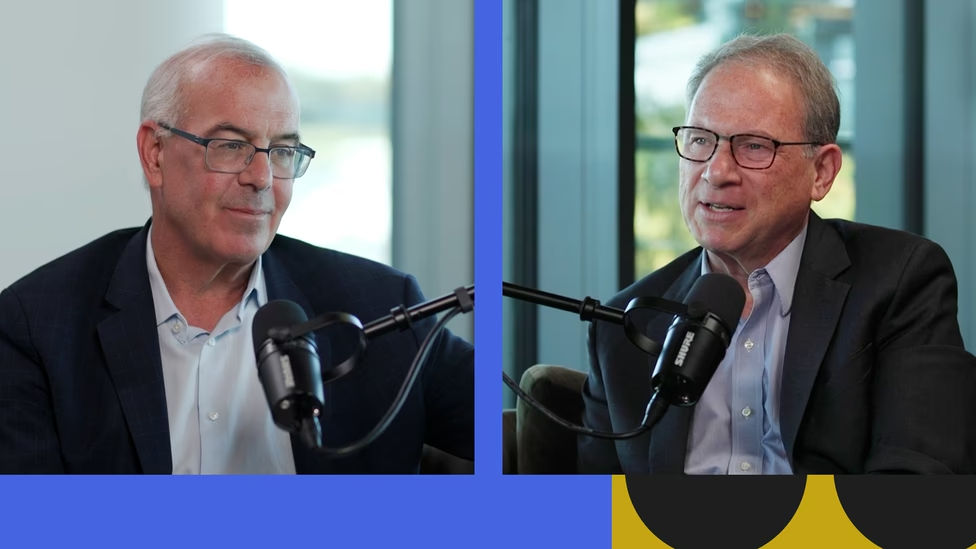
长期从事政治人物报道的经历让大卫·布鲁克斯和杰弗里·戈德伯格认识到,把政治放在适当位置的重要性。
Long careers spent covering politicians have taught David Brooks and Jeffrey Goldberg the importance of putting politics in its place.
作者:大卫·布鲁克斯 我们这个时代的一个悖论是,唐纳德·特朗普总统任期的过度行为似乎要求我们 obsessively 关注,而特朗普本人显然在这种关注中茁壮成长——以及随之而来的所有社会分裂。如果摆脱我们政治危机的最清晰途径是把政治看得不那么重要,那会怎样?
By David Brooks One of the paradoxes of our moment is that the excesses of Donald Trump’s presidency seem to demand our obsessive attention, while Trump himself obviously thrives on that attention—and all of the social division that comes with it. What if the clearest way out of our political crisis is taking politics less seriously?
大卫·布鲁克斯:我们今天的话题是政治。政治在你的生活中应该扮演什么角色?你应该把多少精神、情感和心理能量投入到政治中?
David Brooks: Our topic today is politics. What role should politics play in your life? How much of your spiritual, emotional, and mental energy should you devote to politics?
坦白说,我某种程度上是个政治迷。我成长过程中一直是一名政治记者,报道人物,我可以毫不夸张地说,新闻工作中没有什么比去爱荷华州或新罕布什尔州的集会,或是人们正在竞选的任何地方更有趣的了——与当地人交谈,观看他们呐喊,感受他们的热情。这简直是美国精神的全方位体现,无论好坏。
Now, I am something of a political junkie. I grew up as a political correspondent covering people, and I can say there’s nothing more fun in journalism than going to a rally in Iowa or New Hampshire or anywhere people are campaigning, talking with the folks, watching them scream, watching the passion. It’s just Americana in all its glory, both good and bad.
所以我真的很关心政治。我也真的很关心政治家。总体而言,我敬佩他们。他们是在艰难处境中的好人。但我也觉得,我们已经把社会政治化过头了。一切都被划分为红或蓝。你住的地方是红或蓝。你开的车由红或蓝决定。你观看的电视节目由红或蓝决定。你嫁给谁、交谁为友,以及你对WNBA的看法。
So I really care about politics. I really care about politicians. I admire them in general. They’re good people in rotten circumstances. And yet I also feel that we’ve over-politicized our society. Everything is red or blue. Where you live is red or blue. What car you drive is determined by red or blue. The TV shows you watch are determined by red or blue. Who you marry and befriend, how you think about the WNBA.
当你把政治当作宗教时,你会觉得自己有归属感,但实际上并没有。你并不是和社区成员坐在一起;你只是在憎恨同一批人。你有了正义行动的错觉。你觉得自己在为国家做好事。但你并没有喂饱穷人或陪伴寡妇;你只是在社交媒体上憎恨他人。这让你产生了一种错觉,仿佛你得到了真正社区、真正信仰或真正哲学所带来的一切,但最终你只是陷入了一场文化战争。我正在琢磨:如何在不过度关注的前提下关心政治?
When you make politics your religion, you think you have a sense of belonging, but you really don’t. You’re not sitting with your community members; you’re just hating the same people. You have the illusion of righteous action. You’re doing something good for the country. But you’re not feeding the poor or sitting with the widow; you’re just hating people on social media. It gives you the illusion of all the things that you get in a real community or a real faith or a real philosophy, but you just end up in a cultural war. I’m trying to figure out: How do I care about politics without over-caring?
今天我的嘉宾是杰弗里·戈德伯格。你可能认识他,他是《大西洋月刊》的总编辑。当你观看或收听这段对话时,你会注意到我和杰弗里彼此认识。我们认识已经有25年了。你会看到,就像所有老朋友一样,我们之间有一种特别的交流方式。我们有一种特别的调侃,其中包含很多打断。这就是我们的交谈风格。
My guest today is Jeffrey Goldberg. You probably know him as the editor in chief of magazine. As you watch or listen to this conversation, you will notice that Jeff and I know each other. We’ve known each other for 25 years. You’ll see that we have, as all old friends do, a certain way of talking to each other. We have a certain banter, which involves a lot of interruption. That’s our conversational style.
你即将看到的是我们最放慢节奏、最认真、最严肃的状态。杰弗里和我将讨论政治在我们生活中应扮演什么角色。但为了达到这一点,我想我们先交换一下关于我们职业生涯的笔记,谈谈我们报道过的政治家,我们对他们的看法,什么是重要的,什么是不重要的。杰弗里·戈德伯格,欢迎来到 。杰弗里·戈德伯格:谢谢。布鲁克斯:这一定是——戈德伯格:我一直很警惕。
What you are about to witness is us at our most slow paced, our most earnest, our most serious. Jeff and I will be talking about what role politics should play in our lives. But in order to get there, I thought we’d compare notes about our careers, the politicians we’ve covered, what we’ve thought about them, what’s been important, what’s been unimportant. Jeffrey Goldberg, welcome to . Jeffrey Goldberg: Thank you. Brooks: This must be—Goldberg: I’m very wary.
布鲁克斯:——对你来说是一种激动。你编辑一份杂志,你获得过一些奖项,但这真的可以说是你职业生涯的巅峰。
Brooks: —a thrill for you. You do edit a magazine, you’ve won some prizes, but this really is pretty much the pinnacle of your career.
戈德伯格:你知道,我曾申请过耶鲁大学,但被拒绝了。我甚至连候补名单都没进。他们当时就像说:“什么,你在开玩笑吗?”所以我认为这次是我进入耶鲁的机会。你不是耶鲁的教授吗?布鲁克斯:我是耶鲁大学的教职员工。戈德伯格:那是什么意思?教授和教职员工有什么区别?布鲁克斯:教授知道自己在说什么。戈德伯格:说得好。
Goldberg: You know, I applied to Yale, and I got rejected. I didn’t even get wait-listed. They were just like, “What, are you joking?”So I consider this getting into Yale. Aren’t you a professor at Yale? Brooks: I’m a faculty member at Yale. Goldberg: What does that mean? What’s the difference between a professor and a faculty member? Brooks: Professors know what they’re talking about. Goldberg: Good one.
布鲁克斯:如果我们能找回正轨,我们就要谈政治了,但这几乎不可能发生。戈德伯格:这真的非常不可能。布鲁克斯:我们一生都在报道这些事情。戈德伯格:这不是很悲哀吗?布鲁克斯:我知道。所以我想问你,我想听听你的政治启蒙故事。戈德伯格:我的政治启蒙故事?布鲁克斯:你是什么时候第一次接触政治的?
Brooks: We’re going to talk politics, if we can get on track here, which is highly unlikely. Goldberg: It’s really deeply unlikely. Brooks: We’ve spent our lives covering this stuff. Goldberg: Isn’t that sad? Brooks: I know. So I’m gonna ask you, I want to get your political origin story. Goldberg: My political origin story? Brooks: When did you first have a brush with politics?
戈德伯格:我第一次接触政治是在两岁时,我尿在了阿尔· Shanker 的腿上。你还记得阿尔·尚克尔吗?布鲁克斯:当然记得。他是美国教师联合会的负责人。
Goldberg: My first brush with politics was when, as a 2-year-old, I urinated on Al Shanker’s lap. Do you remember Al Shanker? Brooks: Of course. He was head of the American Federation of Teachers.
戈德堡:他领导了1968年的教师罢工。我父亲是教师罢工的领导者之一。据说他们在布鲁克林的公寓里开会,我坐在阿尔·尚克尔的膝盖上,然后我尿了他一身。布鲁克斯:真的吗?
Goldberg: He led the 1968 teachers’ strike. My father was one of the leaders of the teachers’ strike. And the story is told that they were having a meeting in their Brooklyn apartment, and I was seated on Al Shanker’s lap, and I pissed all over him. Brooks: Really?
戈德堡:我在那样的家庭里长大,墙上贴着引语海报:“当本应抗议时却保持沉默,会让人变成懦夫。”我记得那是挂在浴室旁边的。布鲁克斯:我长大的经历也类似,很奇怪。戈德堡:其实也不算太奇怪。
Goldberg: I grew up in that kind of household with posters on the wall with quotes: “To sin by silence when they should protest makes cowards out of men.”That was by the bathroom, I remember. Brooks: I had a similar upbringing, weirdly. Goldberg: It’s not that weird, actually.
布鲁克斯:我父母曾为埃德·科奇做志愿者,那时他还是国会里的自由派议员。
Brooks: My parents volunteered for Ed Koch back when he was a liberal member of Congress.
戈德堡:他是一位自由派改革者。他正在与卡马因·德萨皮奥以及坦慕尼政治机器的残余势力作斗争。
Goldberg: He was a liberal reformer. He was fighting Carmine DeSapio and the remnants of the Tammany machine.
布鲁克斯:我想还有水门事件——我不知道,我比你大一点,但当我看水门事件听证会时,我想,呃,我想成为——我站在戈登·利迪和水门事件共谋者一边。
Brooks: I think also Watergate—I don’t know, I’m slightly older than you, but when I saw the Watergate hearings, I thought, ., I wanted to be—I was on the side of G. Gordon Liddy and the Watergate co-conspirators.
戈德堡:我记得家里一直在播放。我父母及其朋友那一代人对尼克松普遍怀有深深的憎恨,后来我才意识到这种憎恨有些过度了。我不持林纳德·斯金纳德乐队对水门事件的立场。但是——布鲁克斯:等等,林纳德·斯金纳德乐队的立场是什么?
Goldberg: I have recollections of it being on constantly in the house. And just a general and deep loathing of Nixon in the cohort of my parents and their friends, which later on I realized was overdone. I don’t take the Lynyrd Skynyrd position on Watergate. But—Brooks: Wait, what is the Lynyrd Skynyrd position?
戈德堡:“水门事件不困扰我。你的良心困扰你吗?”但我只是觉得尼克松更有意思。以我们现在对美国政治可能性的全部了解来看,我认为尼克松是一个非常有趣的人物。但当时,他被视为撒旦的化身,回想起来这倒挺有趣的。
Goldberg: “Watergate does not bother me. Does your conscience bother you?”But I just think Nixon is much more interesting. In the full light of what we know now about the possibilities in American politics, I think Nixon is a very interesting character. But at the time, he was Satan incarnate, which is kind of funny in retrospect.
布鲁克斯:那么,你有英雄吗?我记得当我长大一点,开始更有政治意识,上高中的时候——这就是我当时的那种孩子——我墙上贴着休伯特·汉弗莱的海报。那不是乔·纳马斯或汤姆·西弗。戈德堡:你真是个失败者。
Brooks: Now, did you have heroes? I remember when I got a little older, and I became more politically aware, when I was in high school—this is the kind of kid I was—I had a Hubert Humphrey poster on my wall. It was not Joe Namath or Tom Seaver. Goldberg: You’re such a loser.
布鲁克斯:那是休伯特·汉弗莱。但上面写着:“有些人谈论改变。另一些人则推动它。”即便那时,我也知道我想成为那种只会谈论的人。戈德堡:有些人甚至连嘴都不张开。他们只是想想。
Brooks: It was Hubert Humphrey. But it had the saying: “Some people talk change. Others cause it.”And I knew even then I wanted to be the kind of person who only talks. Goldberg: Some people just don’t even open their mouths. They just think about it.
布鲁克斯:我当时就像个主流民主党人。斯科普·杰克逊在我们家很有影响力,还有伯奇·贝伊。
Brooks: I was like a mainstream Democrat. Scoop Jackson was big in our household, and Birch Bayh.
戈德堡:斯科普·杰克逊后来在大学时成了我的英雄,但当时不是。
Goldberg: Scoop Jackson became a hero of mine later, in college, but not then.
我认为我只是受到了家里墙上挂着的东西的非常、非常深的影响。有一张肯尼迪和小肯尼迪互相商议的著名照片,非常带有情绪。
I think I was just very, very influenced by what was hanging on the walls of the house. There was a famous, very moody photo of JFK and RFK consulting with each other.
布鲁克斯:我们之间的一个区别是:我一直都有政治意识形态。我一直都有我给自己贴上的标签。当我还是个孩子的时候——甚至在大学时,我也是个社会主义者。我读过约翰·里德的作品。戈德堡:谁不是呢?你读过约翰·里德?布鲁克斯:是啊,他写了一本叫《十日震撼世界》的书。戈德堡:我只是等着看电影。我看了沃伦·比蒂的那部电影。
Brooks: One difference between us: I’ve always had a political ideology. I’ve always had a label that I’ve labeled myself. When I was a kid—or in college, even, I was a socialist. I had read John Reed. Goldberg: Who wasn’t, though? You read John Reed? Brooks: Yeah, he wrote a book called . Goldberg: I just waited for the movie. I watched the Warren Beatty movie.
布鲁克斯:是啊,有一部叫《红》的电影——沃伦·比蒂、黛安·基顿主演——那是我最喜欢的电影之一。我当时想:“是啊,革命。”我也很爱那部电影。戈德堡:等等,怎么可能休伯特·汉弗莱的海报和那部电影共存?
Brooks: Yeah, there’s a movie called —Warren Beatty, Diane Keaton—which was one of my favorite movies. I was like, “Yeah, revolution.”And I loved . Goldberg: Wait, how could a Hubert Humphrey poster and coexist?
布鲁克斯:因为我在大学时左转了。我总是泡在图书馆里。我不上课。我就待在那儿。我看了一本叫《新 masses》的杂志,那是二十年代三十年代的共产主义杂志。我对杂志产生了热爱。
Brooks: Because I swung left in college. I just hung out in the library. I didn’t go to classes. I just hung out. And I read a magazine called the , which was a communist magazine from the 1920s and ’30s. I became in love with magazines.
有一位历史学家叫理查德·佩尔斯,他基本上认为人类历史全部受到思想的控制,并且把美国历史当作思想史来讲解。于是我形成了这种信念,直到今天我也这么认为:在政治中,思想比其他任何东西都更重要,尤其是小杂志,它们特别推动着思想辩论。
There was a historian named Richard Pells, who basically argued that all of human history is controlled by , and he covered American history as if it was . So it gave me the conviction, which I have to this day, that ideas matter more than anything else in politics, and that small magazines in particular drive the intellectual debate.
戈德堡:真有趣,我当时也在读《新 masses》,那是一个亲哥萨克的杂志。
Goldberg: It’s funny, I read the , which was a pro-Cossack magazine, at the same time.
布鲁克斯:关于如何追捕犹太人的教训。(.)戈德堡:我是个记者。我不像你。我没读过《新 masses》。
Brooks: Lessons on how to chase down Jews. (.) Goldberg: I’m a reporter. I’m not like you. I didn’t read the .
虽然我确实去过图书馆,也读了很多杂志。我确实读过不少书。严格来说,我算不上是个书呆子,高中时稍微好点吧。不过从大学毕业后,当我开始大量阅读时——大概就是金斯利当主编的那个时期——我真的产生了一种特别的感觉。我当时就想:“这些人是谁啊?他们怎么懂得这么多?为什么这些文字从纸面上闪闪发光呢?”布鲁克斯:是不是我的文章促成了这种变化呢?
Although I did go to the library and read a lot of magazines. I read , definitely. I wasn’t really a guy or an guy. More in high school than But I was definitely—when I started reading , and I guess this was the Kinsley era, so after college, I really had this kind of feeling. I was like, “Who are these people? How do they know so much? Why do these words shine off the page?”Brooks: Was it my writing that caused this a lot?
戈德堡:我个人倒没记得读过你的文章。肯定有人读过,但不是我。你在那个时期为《》撰稿吗?布鲁克斯:偶尔做自由撰稿人。我算是个多面手吧。
Goldberg: I didn’t remember your pieces personally. I’m sure someone read them, but it wasn’t me. You wrote for in that period? Brooks: Occasional freelance. I was more a guy.
戈德堡:我读《》纯粹是因为个人习惯——大概这就是我的性格吧,也是我后来投身杂志行业的原因——在我看来,优秀的文笔比什么都重要。正因如此,乔治·威尔是我最喜欢的专栏作家。虽然我并不完全认同他的观点,但他的文笔确实一流。说真的,除了你之外,他是我最欣赏的作家。不过你现在已不是专栏作家了,更像是个视频节目主持人吧。
Goldberg: I read the just because I just went for—this is sort of the way I am, I guess, why I fell into magazines—I would privilege in my mind good writing over almost anything. That’s why George Will’s my favorite columnist. I don’t agree with him on everything, but the man can write. I mean, next to you, he’s my favorite. But you’re not a columnist anymore; you’re more of a video personality.
布鲁克斯:我是脱口秀主持人,也是游戏节目主持人。就像鲍勃·巴克那样。
Brooks: I’m a talk show host. I’m a game show host.
戈德堡:你简直就是菲尔·多纳休啊。这次访谈你不会问我关于个人情感方面的问题吧?
Bob Barker. Goldberg: You’re like Phil Donahue. You’re not going to ask me about my feelings in this session?
布鲁克斯:放心吧,我会专注于你的思想世界。那个领域本身就足够广阔了。
Brooks: No, don’t worry. I’m going to your intellectual life. That void is big enough.
戈德堡:没错,确实如此。(停顿)这也不是什么秘密,我曾写过相关文章。15岁时我就自认是社会主义犹太复国主义者。真的,有一次我和几个朋友还在格林威治村的圣马克广场上游行呢。我们还举着“社会主义犹太复国主义者为动物权益而战”的横幅。这群体可真庞大啊。
Goldberg: Yes, it is. (.) I’ve written about this; it’s no secret. I was a self-identified socialist Zionist at 15. Actually, this is true: With a group of friends, we once marched in St. Mark’s Place, in the village. We once were at a rally carrying the banner “Socialist Zionists for Animal Rights.”Huge constituency.
布鲁克斯:那么,有没有哪本书或哪个事件改变了你的政治观点呢?戈德堡:彼得·辛格写的《》。我是认真的。布鲁克斯:真的吗?
Brooks: Now did you ever have a book or an event that shifted your political view? Goldberg: by Peter Singer. I’m serious. Brooks: Is that true, really?
戈德堡:没错,因为这本书我成了素食主义者,直到后来发现自己实在太喜欢汉堡了。
Goldberg: Yeah, I became a vegetarian out of that, until I realized that I really like hamburgers too much.
我深入研读了社会主义理论与犹太复国主义理论,早期的人生轨迹似乎带有一种近乎布尔什维克式的必然性。后来我住进了一处仍保留着集体化特征的基布兹。不过后来我意识到,社会主义其实很荒谬。布鲁克斯:出于什么原因呢?
I read deeply in socialist theory and Zionist theory, and there was a kind of almost Bolshevik inevitability to my early path. I ended up living on a kibbutz that was still organized like a kibbutz in the kind of collectivized sense. And then I realized that socialism is ridiculous. Brooks: For what reason?
欧文·克里斯托尔参军后意识到,如果我们推行社会主义,与他并肩服役的士兵们很可能会把这一制度变成谋取私利的工具。于是他说:“哦,我可不能支持社会主义。”戈德堡:在我看来——这里我要做一个非常宽泛的概括——社会主义似乎违背了人性。人天生就喜欢拥有东西,喜欢获得地位。你可以告诫他们:“那样做不对,别这样。”但我自己也是这样。
Irving Kristol went to the army and decided if we became socialists, the people he was serving with would turn it into a racket. So he said, “Oh, I can’t be for socialism.”Goldberg: It just seemed to go against—I mean, I’m making a very broad statement here—human nature. People like things. They like to acquire things, like to acquire status. You can tell them, “That’s wrong. Don't be like that.”But I’m also like that.
我喜欢拥有各种物品,喜欢收藏东西,也喜欢物质世界。我还希望看到那些比他人更努力工作的人得到回报。我信奉平等,但不认同所谓的“公平”——因为我认为人天生并不具备同等的能力水平。或许我偏离主题太远了。这次讨论的主旨究竟是什么呢?
I like to have acquisitions. I like to collect things. I like the material world also. And I like to see people being rewarded for working harder than other people. I believe in equality, but I don’t believe in equity in the sense that I don’t think that people are born with the same level of skill. Maybe I’m straying too far away from the point of this. What is the point of this session?
布鲁克斯:政治在你的生活中扮演了怎样的角色。不过我们现在先从政治理念谈起。
Brooks: The role politics plays in your life. But we’re starting out with the ideas of politics.
戈德堡:社会主义似乎有些违背常理,那种强烈的欲望实在让人难以理解。在我看来,那种情绪带有过多的怨恨成分。“世上不该有亿万富翁”——我并不认同这种观点。我主张应该出现大量百万富翁才对。我不希望限制任何人的成功,反而希望提升最低收入水平。
Goldberg: There just seems something unnatural about socialism, this overwhelming desire. It seemed resentment based a little bit too much for me. “There should be no such thing as a billionaire”—I’m not in that camp. I’m in the camp that there should be a lot of millionaires. I don’t want to cap anybody’s success. I would bring the floor up.
我认为这并不能说明我是社会主义者或民主社会主义者。我觉得自己只是个秉持常识、不冷酷无情且相信某种精英选拔机制的人罢了。
I don’t think that makes me a socialist or a Democratic socialist. I think this makes me a common-sense, non-cruel believer in some kind of meritocratic possibility.
布鲁克斯:这倒有些相似之处。我在大学时读过埃德蒙·伯克的著作,当时深受震撼。他写道:世界极其复杂。如果你们社会主义者以为能掌控现实,那就祝你们好运吧。
Brooks: It’s somewhat similar. I read Edmund Burke in college, and that was a shock. He just said: The world’s really complicated. If you think you socialists can plan reality, good luck with that.
戈德堡:社会主义在首次与人类及其荒唐复杂性接触时就无法生存。
Goldberg: Socialism doesn’t survive first contact with humans and all of their ridiculous complexity.
布鲁克斯:我的许多偶像后来成了新保守主义者,比如欧文·克里斯托尔和格特鲁德·希梅尔法布。他们出生于布鲁克林,是左翼人士,但他们也是移民子女,他们看着父母以及父母在美国是如何立足的,这需要艰苦劳动。那是资产阶级价值观。那是教育。他们还看着嬉皮士,认为——戈德堡:他们在毁灭,因为他们既能创造也能毁灭,于是他们正处于毁灭阶段。
Brooks: And a lot of my heroes became the neoconservatives, like Irving Kristol and Gertrude Himmelfarb. They were lefties who grew up in Brooklyn, but they also grew up immigrant kids, and they looked at their parents and how they had made it in America, and it was hard work. It was bourgeois values. It was education. And they looked at the hippies and think, Goldberg: They’re destroying, because they could either make or destroy, and so they were in the destruction phase.
布鲁克斯:我们在职业生涯早期都曾在国外报道——你比我多得多。我在90年代前六年基本上一直在国外。戈德堡:你把比利时也算作国外,对吧?
Brooks: We both, early in our careers—you way more than me—reported from abroad. I was abroad basically the first six years of the ’90s. Goldberg: And you count Belgium as abroad, don’t you?
布鲁克斯:我在报道苏联——那是国外。我在报道南非——那是国外。我在报道中东。戈德堡:是啊,那是真的。布鲁克斯:这些都是国外地区。戈德堡:那些都是国外。
Brooks: I was covering the Soviet Union—that’s abroad. I was covering South Africa—that's abroad. I was covering the Middle East. Goldberg: Yeah, that’s true. Brooks: These are abroad places. Goldberg: Those are abroad.
布鲁克斯:据我所知。我没去过格陵兰,就像美国大部分地区的人一样。
Brooks: As far as I know. I wasn’t in Greenland, like most parts of America.
戈德堡:我的意思是,我只是说,你知道,布鲁塞尔不是——布鲁克斯:好吧,晦涩的外国记者先生。
Goldberg: I mean, I’m just saying that, you know, Brussels is not—Brooks: Okay, Mr. Obscure Foreign Correspondent.
戈德堡:我只是说,那是直飞航班。任何有直飞航班的地方……布鲁克斯:那没问题。戈德堡:还有丰富的奶酪选择……布鲁克斯:对我来说,那是华夫饼带来的大胆冒险。那是我在布鲁塞尔的经历。
Goldberg: I’m just saying, it’s a direct flight. Anything with a direct flight …Brooks: That’s fine. Goldberg: And a wide selection of cheese ... Brooks: To me it was the daring adventures with waffles. That’s what I had in Brussels.
你的世界观是否是在国外——正如你所说的——没有直飞航班的地方,由事件塑造的?
Did you have your worldview shaped by events—as you call them—abroad, where there’s no direct flights?
戈德堡:我想到的第一件事是从巴基斯坦回国。我在90年代末、2000年初直至9/11期间,一直在巴基斯坦和阿富汗之间往返。我认为我以前从未真正表达过这一点,但我的信念体系的一部分是:美国比任何其他地方都更好。
Goldberg: The first thing I think of is coming home from Pakistan. I spent part of the late ’90s, early 2000, up to 9/11, going in and out of Pakistan and Afghanistan. I don’t think I’ve ever really articulated this before, but part of my belief system is that America is better than any other place.
我是美国人。我爱美国。我承认它所有的缺陷,尤其是现在,但我是美国人。我还想说的一个观察是——这些都某种程度上关联起来了——那就是美国的记者、评论员或你愿意怎么称呼他们的人太多了,他们把美国视为世界邪恶的根源,认为世界上发生的一切坏事,无论直接还是间接,都是由美国造成的。而我就是不认同这一点。
I’m American. I love America. I recognize all the flaws, especially right now, but I’m American. Another observation I would make—these all kind of marry up—is that there’s too many journalists in America, or commentators or whatever you wanna call them, who see America as the locus of evil in the world, and that everything that happens in the world that’s bad is somehow caused, directly or indirectly, by the United States. And I just don’t buy that.
这会让我走上更保守的道路吗?在一个表面的意义上,是的。但我认为,看到数千万人的生活状况,并意识到我们为自己建造了一些相当不错的东西,这让我获得了一些视角和欣赏——有时候,比如说,常春藤盟校毕业的人可能并没有这种体会。
Does that send me down a more conservative pathway? In one superficial sense. But I think that the broadening experience of seeing how tens of millions of people live and realizing that we built something pretty good for ourselves gave me some perspective and some appreciation that sometimes, let’s say, people who come out of the Ivy League don’t really have.
他们觉得美国是世界上所有坏事的根源,而我对这种看法已经没有耐心了。
They think that America is the locus of all bad in the world, and I have no patience for that anymore.
布鲁克斯:你之前有更多——戈德堡:顺便说一下,我不是在说事情进行得非常好。
Brooks: You had a much more—Goldberg: I’m not saying things are going so great, by the way.
布鲁克斯:我只是想说明这一点,为了表明我们一生都在强调政治的重要性,无论是外交还是国内事务。我真的很关心政治。我认为我曾经报道过的最喜欢的人是约翰·麦凯恩。戈德堡:是啊,可能我也是这样。只是想待在他身边。
Brooks: I just want to establish that, just to show that we’ve spent our lives on the importance of politics, both foreign and domestic. And I really care about politics. I think that my favorite person I ever covered was John McCain. Goldberg: Yeah, probably me too. Just to be around him.
布鲁克斯:他真的很有趣。人们常常忘记这一点。他带我去赌场教我怎么玩骰子游戏。
Brooks: He was just so much fun. People forget that. He took me to casinos to teach me how to play craps.
戈德堡:他曾经把我介绍给一群匈牙利右翼人士时说:“这是杰夫·戈德堡。他是个共产主义记者。”你知道的?不管发生什么,都就这样了。而我当时想:“耶稣,伙计。你能不能别说了?”布鲁克斯:但我问你这一切,是因为我们一生都在从事政治工作。显然,政治非常重要,无论是外交还是国内事务。戈德堡:或者说,它真的重要吗?
Goldberg: He once introduced me to a group of Hungarian right-wingers as, “This is Jeff Goldberg. He’s a communist reporter.”You know? Whatever happens, happens. And I was like, “Jesus, man. Will you just stop?”Brooks: But I ask you all this because we’ve spent a lot of our life in politics. And obviously politics matters a lot, both foreign and domestic. Goldberg: Or does it?
布鲁克斯:我现在的心情是,作为一个国家,我们已经过度政治化了。我有这样一句话:“我们过度政治化,却道德化不足。”我们花太多时间关注有线电视在那一刻正在报道的内容,而对真正重要的事情关注得太少。戈德堡:你说的“我们”指的是谁?布鲁克斯:指的是我们作为一个整体的国家社会。
Brooks: I’m now of a mood that we’re over-politicized as a country. I have this line: “We’re over-politicized and under-moralized.”We spend too much time paying attention to whatever cable TV is covering that particular hour and less about the things that really matter. Goldberg: When you say “we,” what do you mean? Brooks: We as a national society.
戈德堡:我不太清楚这一点。如果把所有看有线新闻的人加起来,他们只占美国人口的一个非常非常小的比例。
Goldberg: I don’t know about that. If you add up all the people who watch cable news, it adds up to a very, very small percentage of the American population.
我认为大多数人并不这样,而且大多数人可能比那些对政治投入过度关注或卷入政治的人更健康。现实是大众对现实的感知,还是现实其实更深层次的东西?我认为美国大多数人并不会日复一日地关注政治。我们只是身边围着那些这样做的人。
I think most people aren’t, and most people are probably healthier than the people who do pay inordinate attention to politics or are involved in politics. Is the reality the general perception of reality, or is the reality something deeper? I do think that most people in America don’t pay day-to-day attention to it. We’re just around people who do.
如果你是在问我个人的生活,我已经意识到——这就是大家常引用已故的布赖特巴特的话:我们现在都明白,“政治是文化的下游”。但我想说,尤其是现在,文化是精神病学、神学、部落主义、焦虑、怨恨以及一整篮子有时尚未形成清晰形态的人类冲动和情绪的下游,这些东西深埋在我们的蜥蜴脑里。你知道我的意思吗?
If you’re asking in my own life, I’ve come to realize—here’s where everybody quotes the late Breitbart: We all understand now that “politics is downstream from culture.”But I would say that, especially now, culture is downstream from psychiatry and theology and tribalism and anxiety and resentment and a whole basket of sometimes inchoate human impulses and emotions that are buried deep in our lizard brains. You know what I mean?
要想逆流而上,如果你在写政治,就必须像政治中的鲑鱼一样,尽可能地逆流而上。那就是你可能发现一些有意义真相的地方。
To go upstream, you’ve got to be a salmon now in politics, if you’re writing about politics, and go as far upstream as you can go. That’s where you’re going to find out some possibly meaningful truths.
布鲁克斯:我同意布赖特巴特的观点,不过我应该说,格拉姆西比他更早得出了这个结论,而且很多人早在文化层面就已经进行了探讨。戈德堡:你那老派的社会主义根源又浮现出来了。
Brooks: I agree with Breitbart, though I should say Gramsci got there first, and a lot of people wrote about culture first. Goldberg: Your old socialist roots coming out.
布鲁克斯:我的理论是,人们目前在情感和精神上都相当混乱,他们不去教堂,于是政治就成了很多人心中的宗教。
Brooks: My theory is that people are emotionally and spiritually quite disturbed right now, and they don’t go to church, and so politics has become the religion for a lot of people.
戈德堡:那就是我很久以前就停止对政客产生好感的原因。因为对任何人类事物——任何运动或任何人类创造的事物——产生好感,最终都会导致失望。
Goldberg: That’s why I stopped a long time ago falling in love with politicians. Because falling in love with anything human—any movement or anything that’s human created—is going to lead to disappointment.
我的意思不是指对某个人产生好感。你们知道我的妻子。她很完美。布鲁克斯:她现在正在比喻性地向你扔鞋子。戈德堡:我不知道她是否在听你的播客。布鲁克斯:我会把这部分内容发给她。
I don’t mean falling in love with a human. You know my wife. She’s perfect. Brooks: She’s now throwing her shoes at you, metaphorically. Goldberg: I don’t know if she listens to your podcast. Brooks: I’ll send her this part.
戈德堡:她认识你。如果她需要随时了解你在想什么,她可以直接给你打电话。
Goldberg: She knows you. She can just call you if she has to find out what you’re thinking at any given moment.
我爱一些人。但那些你爱上的、卷入公共生活的人——那是不好的。
There are humans I love. But humans involved in public life who you fall in love with—that’s bad.
布鲁克斯:我不知道我是否同意这个观点。我曾深深地投入到麦凯恩和奥巴马身上。
Brooks: I don’t know if I agree with that. I was deep into McCain and Obama.
戈德堡:在你80年的政治生涯中,有没有哪位政客在某种程度上没有让你失望?
Goldberg: Is there any politician who hasn’t disappointed you in some way in your 80 years in politics?
布鲁克斯:除了我的孩子和妻子之外,所有人都让我失望了,除了我的老板从未让我失望。戈德堡:是你的新老板,不是老老板。那些老板很糟糕。
Brooks: All people except my kids and my wife have disappointed me, except my boss has never disappointed me. Goldberg: Your new boss, not the old boss. The old bosses were terrible.
布鲁克斯:但我仍然对各种竞选活动充满热情。奥巴马、麦凯恩——2008年的选举对我的影响很大,因为我最敬佩这两个人。
Brooks: But I’ve still gotten enthusiastic about various campaigns. It really mattered to me that Obama, McCain—the 2008 election was really tough on me, because I admire these two guys the most.
戈德堡:我希望他们能够共同执掌国家。如果你把麦凯恩的一些直觉和冲动与奥巴马的深思熟虑和分析能力结合起来,你就会得到一位非常有趣的总统。布鲁克斯:他们会互相残杀。
Goldberg: I wish they could’ve run the country together. If you melded some of McCain’s instincts and impulses with Obama’s thoughtfulness and analytical heft, you would’ve had a really interesting president. Brooks: They would’ve killed each other.
戈德堡:不,我的意思是,如果你能把这些品质融合到一个人身上就好了。
Goldberg: No, I mean, in the one person, if you could just combine that.
大卫·布鲁克斯:我仍然想相信政治,我也确实相信它。我认为大多数政客是出于正确的原因而从政的。问题在于,当人们说他们不会嫁娶其他党派的人时,这就成了一个问题,而现在这种比例非常高。
David Brooks: I still want to believe in politics, and I still do believe in it. And I think most politicians are in it for the right reasons. The problem comes to me when people say they wouldn’t marry somebody from the other party, and that’s a very high percentage right now.
戈德堡:这就是宗教重要的原因。宗教重要的众多原因之一。它说人类是有限的。人类是破碎的,人类深深地不完美。任何要求一定程度谦卑的思想体系……这就是我无法忍受政治的地方——每个人的确定性。因为每个人都需要宗教。人类需要宗教。有些人只是把政治当作宗教。
Goldberg: This is why religion is important. One of the many reasons religion is important. It says that humans are limited. Humans are broken, and humans are deeply imperfect. Any system of thought that demands some level of humility …This is what I can’t stand about politics—the certainty of everybody. Because everybody needs religion. Human beings need religion. Some people just make politics their religion.
布鲁克斯:我的论点是,它给你宗教的模拟,却没有真正的宗教。它给你一种你属于某个群体的模拟,但你实际上并不真正处于一个社区。你只是在憎恨同一批人。
Brooks: My argument is that it gives you the simulation of religion without the actual religion. It gives you a simulation that you belong to a group, but you’re not really in a community. You’re just hating the same people.
戈德堡:你不在一个社区里,而且你只接受宗教所能提供的东西的一半。你在进行评判,但你并没有真正地施以怜悯。这就是我们的政治样子。它是没有怜悯的评判。
Goldberg: You’re not in a community, and you’re accepting only half of what religion has to offer. You engage in judgment, but you don't really engage in mercy. That’s what our politics is like. It’s judgment without mercy.
现在,相比于某个人在一系列议题上的立场,我更在乎他们的品格和他们对自己、家庭、社区、国家以及我们所处的世界体系的核心信念。我不太在乎某人对某项法案Y持有什么观点X。
It matters to me so little now what a person’s positions are on a set of issues compared to their character and to their core beliefs about themselves, their family, their community, their country, the world system that we have. I don’t care that much if someone believes X about Y bill.
布鲁克斯:这就是我认为政治过度化不仅仅是少数人的问题。我认为你刚才表达的——另一种说法是,当你在审视一位候选人时,第一个视角是:他们是好人吗?他们是值得信任的人吗?戈德堡:他们精神上是否稳定?布鲁克斯:那会很好。戈德堡:我喜欢看那些致力于自己家庭的人。
Brooks: This is why I think being over-politicized is not just a small group of people. I think what you just expressed—another way to say it is when you're looking at a candidate, the first lens is: Are they a good person? Are they a trustworthy human being? Goldberg: Are they mentally stable? Brooks: That would be nice. Goldberg: I like to look at someone who’s committed to his or her family.
布鲁克斯:此外,他们是否有良好的判断力?很多政治只是审视世界,看看这里什么重要。第三个视角应该是:他们是否同意我的观点?他们是否站在我这边?
Brooks: And also, do they have good judgment? A lot of politics is just looking at the world, seeing what matters here. The third lens should be: Do they agree with me? Are they on my team?
但如果你看看,比如说得克萨斯州的初选,肯·帕克斯顿击败了约翰·科宁,我认为人们并没有在使用人格框架或判断框架。他们在使用党派立场的视角。
But if you look at, say, the Texas primary race, where Ken Paxton beat John Cornyn, I don’t think people are applying the character frame or the judgment frame. They’re applying the partisanship lens.
然后对于民主党人来说,缅因州的格雷厄姆·普拉特纳。即使他的很多丑闻已经曝光,很多民主党人仍然愿意留下,因为他是团队的一员。
Then for the Democrats, Graham Platner up in Maine. Even after a lot of his scandals got out, a lot of Democrats were willing to stay because he’s on the team.
戈德堡:这已经是一个老套的说法了,但党派性确实会让人变傻。尤其是过度的党派性,会把人变成机器人。或者说,这么说吧:它会让人变得部落化。有趣的是,那些相信普遍原则和普世价值的左翼人士也会变得相当部落化。部落化会让人有点愚蠢。布鲁克斯:你因为特朗普失去过朋友吗?戈德堡:我因为特朗普失去过朋友吗?你假设我有朋友,而不是一系列不断变化的联盟。布鲁克斯:好吧,我们此刻是朋友。戈德堡:又是不断变化的联盟。我因为特朗普失去过朋友吗?没有。
Goldberg: This is a cliche already, but partisanship does make you stupid. Partisanship, excessive partisanship especially, turns you into a robot. Or, put it this way: It turns you tribal. What’s amusing, leftists who believe in universal principles and universalism get pretty tribal as well. Tribalism makes you kind of dumb. Brooks: Have you lost friends over Trump? Goldberg: Have I lost friends over Trump? You’re assuming that I have friends and not a series of shifting alliances. Brooks: Well, we’re momentarily friends. Goldberg: Again, shifting alliances. Have I lost friends over Trump? No.
我比平均水平的华盛顿“基本面”记者拥有更多的共和党朋友,但我的共和党朋友中,反特朗普的人比例不成比例地高,他们已经对这件事如此投入。就像,好吧,已经够了,特朗普。你知道我的意思吗?
I have more Republican friends than the average Washington-based “mainstream” journalist, but my Republican friends are disproportionately anti-Trumpers who’ve become so committed to it. It’s like, all right already with Trump. You know what I mean?
这很有趣。这可能是对《》的一个见解。《》本应是美国理念的杂志。美国理念认为,你有一个强大的自由派群体和一个强大的保守派群体,他们在公开场场为他们思想的主导权而斗争,而你必须说服公众你的思想是正确的。
It’s funny. This is a possible insight into . is meant to be the magazine of the American idea. The American idea posits that you have a strong liberal group and a strong conservative group battling it out in public for primacy of their ideas, and you have to convince the public that your ideas are right.
我认为在《》的版面上让保守派和自由派一起写作和辩论非常重要。所以我尽量争取让尽可能多的保守派参与进来。不幸的是,他们想做的只是写关于特朗普的文章。有时候我不得不提醒保守派作者:“你能不能随便出来反对堕胎或者别的什么,来提醒我们的读者你其实有立场?”我理解这对他们来说有多个人化。我也理解看到他们曾经相信的政党变成了围绕个人的个人崇拜,而不是一个保守思想得以表达的地方,这种感觉是什么样的。
I think it’s very important to have conservatives and liberals writing and arguing in the pages of . So I try to get as many conservatives as we can. Unfortunately, all they want to do is write about Trump. Every so often I have to remind a conservative writer, “Can you just come out against abortion randomly or something to remind our readers that you have positions?”I understand how personal it is for them. I understand what it must be like to see the party that they believed in become a cult of personality around an individual, rather than a place for the ventilation of conservative ideas.
不管怎么说,我跑题了,但这就是我要说的:我不能说我因为那件事失去了朋友。
Anyway, I’m going off on a tangent, but that’s a long way of saying: I can’t say I lost friends over that.
布鲁克斯:我不相信会因为政治而失去朋友。我只是认为那是一种错位。
Brooks: I don’t believe in losing friends over politics. I just think that’s a misalignment.
戈德堡:嗯,你相信什么其实并不重要。重要的是你的朋友相信什么。
Goldberg: Well, it doesn’t really matter what you believe. It matters what your friends believe.
布鲁克斯:我是在保守运动中长大的,所以我有很多保守派朋友。我还有保守派家庭成员——MAGA保守派类型。他们偶尔会说:“我得付你多少钱才能让你停止写作?”他们不喜欢我写的东西,但我们在这方面玩得很开心,而且我们经常就此争论。
Brooks: I grew up in the conservative movement, so I have a lot of conservative friends. I have conservative family members—MAGA conservative types. And they’ll occasionally say, “How much do I have to pay you to stop writing?”They don’t like what I write, but we have fun with it, and we argue all the time about it.
戈德堡:事情是这样的。这正是让我对美国最担忧的地方。让美国保持团结的东西不过是美国人有意识地对自己施加约束的能力和意愿——约束他们在修辞上和其他方面表达与 fellow Americans 分歧时会走多远。
Goldberg: Here’s the thing. This is what makes me most nervous about America. The thing that will keep the United States united is nothing more and nothing less than the ability, the willingness, of Americans to consciously impose restraints on themselves. Restraints on how far they will go, rhetorically and otherwise, to express their differences with their fellow Americans.
你必须从一个立场出发:没有一个美国人是我的敌人。我不必喜欢他,也不必同意他,但没有一个美国人是我的——我的意思是,特朗普谈论“人民的敌人”显然是可怕的——敌人。而我会对自己施加约束。我有第一修正案的权利可以说我想说的任何话,但我不需要行使那项权利以牺牲美国项目为代价。
You have to start from a position: No American is my enemy. I don’t have to like him, I don’t have to agree with him, but no American is my—I mean, the way Trump talks about enemies of the people is obviously horrible—enemy. And I will impose restraints on myself. I have the First Amendment right to say whatever I want, but I don’t need to exercise that right to the detriment of the American project.
这就是我们摆脱困境的方式。我们不是通过立法摆脱困境,也不是通过宪法修正案摆脱困境,更不是通过人口结构变化摆脱困境。我们摆脱困境是因为人们决定,比起让我们分裂的东西,让我们团结的东西更多。
That’s how we get out of this. We don’t get out of it through legislation, we don’t get out of it through constitutional amendment, we don’t get out of it through demography. We get out of it because people decide that more unites us than divides us.
布鲁克斯:我以前以为我们需要对加拿大发动战争,但现在我们可能真的会对加拿大发动战争。
Brooks: I used to think we needed a war against Canada, but now we may actually get a war against Canada.
戈德堡:我认为,出于充分的理由,自由派会说:“我们为什么要对——我是说如果加拿大,比如,偷袭我们的话。也许是火星人。”
Goldberg: I think that the liberals, for good reason, would be like, “Why are we having a war against”—I mean if Canada, like, sucker punched us.
布鲁克斯:我只是指某种共同的敌人。火星人会是一个不错的选择。
Martians maybe. Brooks: I just mean some common foe. Martians would be a good one.
戈德堡:但我认为这几乎比那更深刻。在中东,存在非常明显的生存战争。我们没有——中国以珍珠港式方式袭击美国的可能性非常小。
Goldberg: But I think it’s almost deeper than that. In the Middle East, there’s very obvious existential wars. We don’t have—there’s very little chance that China just attacks the United States in a Pearl Harbor–style way.
中国很可能会攻击台湾,这将在美国公众中引发巨大讨论:我们是否应该进行防御?但我不认为会有外部势力介入,像珍珠港的震惊那样统一美国人民。
China might very well attack Taiwan, and that causes a huge discussion in the American public about: Do we defend or do we not defend? But I don’t see an outside party coming in and unifying the American people in the way that the shock of Pearl Harbor unified the American people.
布鲁克斯:我想回到我们之前讨论的内容。我在90年代在国外的经历让我变得非常亲美。我爱所有美国人。你不能既爱美国又憎恨这个国家的一半。我喜欢去特朗普的地区,我也喜欢去——布鲁克林我有问题,但——戈德堡:这取决于布鲁克林的哪一部分。布鲁克林非常多元化。
Brooks: I would go back to what we talked about earlier. My experience in the ’90s abroad made me so pro-American. I just love all Americans. You can’t love America and hate half the country. I love going to Trump areas, I love going to—Brooklyn I have problems with, but—Goldberg: Depends on what part of Brooklyn. Brooklyn is wildly diverse.
布鲁克斯:但我的担忧不仅在于我们对党派斗争的运用没有限制,还在于我们已经失去了对说服艺术的信心。
Brooks: But my fear is not only that there are no limits to how we exercise our partisanship, but that we’ve lost faith in the art of persuasion.
当政客们说我们要战斗时,我会有这种奇怪的厌恶感。当他们使用这个如今无处不在的词时,我想说:“战斗是法西斯的行为。民主是关于说服的。”但我知道很多记者、评论记者,他们并不相信说服。戈德堡:顺便说一下,你作为政治顾问将会赚很多钱。布鲁克斯:这正是关于说服的问题。
I have this weird pet peeve when politicians say we’re going to fight. When they use that word , which is now omnipresent, I want to say, “Fighting is for fascists. Democracy is about persuasion.”But I know a lot of journalists, opinion journalists, who don’t believe in persuasion. Goldberg: You’re going to make a lot of money as a political consultant, by the way. Brooks: It is about persuasion.
戈德堡:当然。说服是民主国家的流通货币,而胁迫是专制国家的流通货币。
Goldberg: Of course. Persuasion is the coin of the realm in democracies, and coercion is the coin of the realm in autocracies.
我不喜欢胁迫。我很乐意被说服。我认为让大脑接受证据的说服实际上是健康的。这意味着活塞正在运作。
I don’t like coercion. I would love to be persuaded. I think it’s actually healthy for your brain to allow it to be persuaded by evidence. It means that the pistons are functioning.
布鲁克斯:但我们这个行业里有很多人——而且有经济动机去——从事动员工作,而不是说服工作。
Brooks: But there’s a lot of people in our business—and there are economic incentives to be—in the mobilization business, not in the persuasion business.
戈德堡:巨大。但也不是说3.5亿美国人必须在明天早上醒来后说,“说服,而非胁迫。没有美国人是我的敌人。我将约束自己的言谈方式,以确保我的同胞美国人明白我不把他们视为敌人。”我明白这很难。有结构性的方法,也有算法性的方法,来降低温度。
Goldberg: Huge. And yet it’s not as if 350 million Americans have to wake up tomorrow morning and say, “Persuasion, not coercion. No American is my enemy. I will impose restraint on the way I talk in order to make sure that my fellow Americans understand that I do not consider them enemies.”I understand that’s a hard one. There are structural ways, there are algorithmic ways, of lowering the temperature.
如果社交媒体公司由非反社会人格者掌舵,他们或许会编程追求团结或事实,而非愤怒。但事实摆在这里。布鲁克斯:告诉我我是不是在当老顽固。戈德堡:你就是个老顽固。布鲁克斯:谢谢。我很感激。这就是我需要的一点情感沐浴。
If we had non-sociopaths running social media companies, they might program for unity or fact as opposed to programming for anger. But here we are. Brooks: Tell me if I’m being an old fogey. Goldberg: You’re an old fogey. Brooks: Thank you. I appreciate that. That was a bit of emotional bath that I needed.
我过去更欣赏政治家作为人的品质,但我不知道是政治家本身在变差,还是系统在变差,或者我曾经欣赏的一些人——我刚从佐治亚州回来,遇到了萨姆·纳恩的女儿。萨姆·纳恩是一名参议员,他在国防政策方面知识渊博。他是个见识深刻的人,堪比任何政策专家。
I used to admire politicians more as people, and I don't know if the politicians are getting lesser or if the system is getting lesser, or some of the people I admired—I was just down in Georgia and I met Sam Nunn’s daughter. Sam Nunn was a senator, and he knew so much about defense policy. He was a deeply knowledgeable guy, as much as any policy wonk.
我们谈到了麦凯恩和奥巴马。他们给我的感觉是更为宏大的人物。泰德·肯尼迪只是一位伟大而伟大的立法者。我认为我一生中最出色的两位立法者是泰德·肯尼迪——他真正明白屋子里每个人需要什么——以及南希·佩洛西。
We talked about McCain and Obama. They struck me as bigger. Ted Kennedy was just a great, great legislator. I think the two best legislators of my lifetime have been Ted Kennedy, who really knew what everybody in the room needed, and Nancy Pelosi.
戈德堡:在泰德·肯尼迪长期任职的参议院里,几乎每位共和党参议员都曾与他共同提出过一项法案。
Goldberg: Seemingly every Republican in the Senate in Ted Kennedy’s long tenure there had a bill with Ted Kennedy.
肯尼迪总能找到与他人达成一致的点,然后通过立法实现双方共赢。观察这一过程真是令人惊叹。
Kennedy would always find something to agree with someone on and then legislate to their mutual advantage. It was an amazing thing to watch.
有趣的是,当你和那些老参议员交谈时,他们会说,“我曾与泰德·肯尼迪共同提案。”随后他们又说,“我知道你会对此感到惊讶。”不,这其实一点也不令人惊讶。
It’s funny, when you talk to old senators who are like, “I co-sponsored that with Ted Kennedy.”And then they’re like, “And I know you’re surprised by this.”No, it’s not surprising.
他也因此成为自由派的标志性人物。如果泰德·肯尼迪说:“我正在和奥林·哈奇合作做点什么。”马萨诸塞州的自由派会说:“哦,哇,你真是个伟大的立法者。”而不是:“你和奥林·哈奇在干什么?”布鲁克斯:但当立法者确实有一门技能,而他们确实一直在努力练习这门技能。如今,这门技能更多地体现在电视上,但政治的技能——戈德堡:现在只是表演罢了。
He was also so secure as a liberal icon. If Ted Kennedy said, “I’m doing something with Orrin Hatch,” the liberals of Massachusetts would say, “Oh, wow, you’re a great legislator,” not, “What are you doing with Orrin Hatch?”Brooks: But there was a skill to being a legislator, which they really worked on. Now, it’s a skill that’s getting on TV, but the skill of politics—Goldberg: It’s just performance now.
我认为这是社交媒体的诱惑。能够24小时随时瞬间表达你的感受并不是一件好事。你可能会整天都在努力维持自己的过滤器,但你做不到。即使是有尊严的人也会屈服。
I think it’s the social media temptation. The ability to express your feelings 24 hours a day instantaneously is not a good thing. You could spend all day long trying to maintain your filters, and you can’t. Even people of dignity succumb.
我真的很希望下一任总统只是一个有尊严的人,不会总是被挑衅所左右,而是一遍又一遍地向美国人民解释:“这就是总统该做的事;这就是总统不该做的事。我不打算做那些总统不该做的事。”布鲁克斯:好吧,让我们谈谈未来。我要告诉你为什么我对美国持乐观态度,而你可以告诉我为什么我的理论荒谬可笑。
I would really like the next president to be just a dignified person who doesn’t rise to the bait all the time and just explains to the American people over and over again, “This is what a president does; this is what a president doesn’t do. I’m not gonna do the things that presidents don’t do.”Brooks: Okay, let’s talk about the future. I’m going to tell you why I’m optimistic about America, and you can tell me why my theory is ridiculous.
戈德堡:那第二名奖是什么?(.)布鲁克斯:我们拒绝罗马帝国的衰落。2020年,我正在读一本书,我在家里,正值疫情期间,我在读塞缪尔·亨廷顿的一本书,。
Goldberg: What’s second prize? (.) Brooks: We decline the fall of the Roman Empire. In 2020, I’m reading a book, I’m sitting at home, during COVID, and I’m reading a book by Samuel Huntington, .
是副标题。书名是。他说每隔几代人,美国就会经历一次道德动荡。人们对既定权力感到厌恶,信任度极低,他们想要推翻一切。一个充满激情的新一代随之登场,伴随着新的通信技术形式。
is the subtitle. The title was . And he says every couple of generations, America goes through a moral convulsion. People get disgusted with established power, high distrust, they want to burn everything down. There’s a new passionate generation comes on the scene, new form of communications technology.
他说这种情况出现在1770年代的革命时期;1830年代的安德鲁·杰克逊民粹主义时代;1890年代的工业革命,这导致了进步时代;以及1960年代。而这些时期,他说,是非常艰难的生活时期。
He says this happened in the 1770s, the revolutionary period; 1830s, Andrew Jackson populist era; 1890s, the Industrial Revolution, which leads to the progressive era; and the 1960s. And these periods, he says, are brutal to live through.
他写这段话是在1982年,他说:“如果这种模式在21世纪第二个十年左右继续下去,美国将经历另一场道德动荡。”我说:“做得好,亨廷顿教授。”但好消息是,我们会从中走出来。我们以前已经经历过六七次这样的情况了。戈德伯格:问题是:我们如何走出来?
So he’s writing this in 1982, and he says, “If the pattern holds sometime around the second decade of the 21st century, America will go through another moral convulsion.”And I’m like, “Well done, Professor Huntington.”But the good news is you come out of them. We’ve been through this six or seven times before. Goldberg: The question is: How do we come out?
布鲁克斯:我认为我们走出来的方式就是我们现在正在走出来的方式——那就是发生了一场文化转变、价值转变,然后这又导致了政治转变。我们已经经历了一段残酷的虚无主义时期。
Brooks: I think we come out of them the way we’re coming out of them right now, which is you have a cultural shift, a value shift, and then that leads to a politics shift. And we’ve gone through a period of brutal nihilism.
我认为——我看到弗雷德·罗杰斯的电影,人们在影院里流泪,因为他们想看到一个好人。或者你去看《》。人们喜欢它,因为他们想看到一个积极向上的好人。我刚刚看了《》。安妮·海瑟薇饰演的角色是一个好人。
And I think—I look at the Fred Rogers movies, where people are weeping in the theater because they want to see a good person. Or you go to . People loved it because they wanted to see a good person, upbeat. I just saw . The Anne Hathaway character’s a good person.
我认为佐兰·曼丹尼的大多数政策都很可怕,但他说话时会笑。他是个快乐的人,我认为他是个杰出的政治家。
I think most of Zohran Mamdani’s policies are horrific, but he smiles when he talks. He’s a happy guy, and I think he’s a brilliant politician.
在我看来,这一切都是文化价值转变、情感转变的一部分,这种转变的规模与我们在这些其他道德动荡中看到的一样大。我觉得这完全合理——这就是即将发生的事情,而我们正看到它的早期阶段。
To me, this is all part of a buildup of a cultural-value shift, a vibe shift as big as we’ve seen in any of these other moral convulsions. It makes total sense to me that that’s what’s about to happen, and we’re seeing the early days of it.
戈德伯格:这很有趣,因为我理想中的总统会结合安妮·海瑟薇和佐兰·曼丹尼的最佳品质。你怎么知道的?
Goldberg: It’s funny, because my perfect president would combine the best qualities of Anne Hathaway and Zohran Mamdani. How did you know that?
你怎么能读懂我的想法?你是怎么做到的?我完全接受这是一种中年危机,或者不管你想叫它什么,我们正在走出来。我宁愿不认为这是一种绝症。
How do you read my mind like that? How do you do that? I’m perfectly open to the idea that this is a midlife crisis, or whatever you want to call it, and that we’re coming out. I’d prefer not to think that it’s a terminal illness.
我认为有一件非常重要的事情——先不谈AI,我不知道它会怎样发展,对吧?但社交媒体一般来说,我不知道在这个社交媒体时代,人们能做出什么深思熟虑的事情。
I think that there’s one huge—Put aside AI, which I don’t know how that ball bounces, right? But social media generally, I don’t know what you can do contemplatively in an age of social media.
话虽如此,如果右翼人士接受信条民族主义的基本支撑原则,那就是:我们都效忠宪法,我们热爱国旗,所有人都生活在这里,我们是一个大型多元民主国家,美国理念就是没有人比我更优秀,我也不比任何人更优秀。左翼人士则必须不再不停地谈论身份和分裂,不再试图基于怨恨类别来制造分裂,对吧?
All that being said, if people on the right accept the basic undergirding principles of creedal nationalism, which is: We all swear allegiance to a constitution, and we love the flag, and everybody lives here together, and we’re a big multicultural democracy, and the American idea is that no one is better than me, and I’m not better than anyone. And people on the left have to not talk about identity and division all the time and try to divide based on resentment categories, right?
右翼方面,要淡化普遍存在的本土主义冲动。左翼方面,要淡化分裂的事物,强调团结的事物。
On the right, downplay the nativist impulses that are universal. And on the left, downplay the things that divide and up play the things that unite.
因为——你我都知道这一点,因为我们周游世界——当你在美国境外遇到一名美国人时,那是世界上最美妙的事情。不管你来自哪里,你都无可避免地是美国人,而且非常兴奋。不管你来自布鲁克林,另一个人来自蒙大拿——你们都是美国人。
Because—you and I both know this, because we’ve traveled around the world—when you meet an American outside America, it’s the greatest thing in the world. Doesn’t matter where you’re from, you're just so ineluctably American, and you’re so excited. Doesn’t matter that you’re from Brooklyn, and this one is from Montana—you’re American.
这就是我热爱美国的地方。遗憾的是,有时你必须走出美国,才能在同胞中感受到这种感觉。我没有让人们理解这些事情的处方,我希望我们能找到轻松的方式,而不是艰难的方式,来达到这些目标。
That’s what I love about America. It’s a shame that sometimes you have to go outside of America to get that feeling among Americans. I don’t have a prescription for how to make people understand these things, and I hope that we can find our way to these things the easy way and not the hard way.
但我认为,无论是轻松的方式还是艰难的方式,终点都是这种重新的理解。
But at the end of an easy way or a hard way is this renewed understanding, I think.
布鲁克斯:我认为,国家衰落不是因为经历动荡,而是因为精疲力竭。而我们并没有。我们周围有各种混乱,但我们肯定没有精疲力竭。
Brooks: I think nations decline not when they go through turmoil but when they run out of energy. And we have not. We have all this mishigas around us, but we haven’t run out of energy, that’s for sure.
戈德堡:不,我们还没有为这些荒唐事耗尽精力。但到了某个时候,这些事情,你就会忘记。我曾经去过塞浦路斯,你会穿越非军事区,然后和双方的人交谈,他们会说:“我不知道。我不记得了。”比如,“这里最后发生的疯狂事情是什么?”“我不知道。”然后你会说:“如果它回到希腊,你会在乎吗?”“不会。”事情会耗尽。你知道的?但我们还没有达到那个耗尽的阶段。
Goldberg: No, we haven’t run out of energy for the mishigas. But at a certain point, these things, you forget. I was in Cyprus once, and you cross the DMZ, and you talk to people on both sides, and they’re like, “I don’t know. I don’t remember.”Like, “What’s the last crazy thing that happened here?”“I don’t know.”And you’re like, “If it went back to Greece, would you care?”“No.”Things burn out. You know? But we’re not at that burn stage yet.
布鲁克斯:我想用这个问题把我们带回家——戈德堡:我们在这档播客里完成了什么吗?布鲁克斯:我们完成了。戈德堡:这是播客吗?
Brooks: I want to bring us home here with this question—Goldberg: Did we accomplish anything in this podcast? Brooks: We did. Goldberg: Is this a podcast?
布鲁克斯:这是塞拉特的点彩画。我们已经有了这么多点,它们加起来组成了一幅美丽的画面。而对我来说,这幅画面是——戈德堡:杂志。布鲁克斯:杂志,具象化的真相。
Brooks: This is a pointillist painting by Seurat. And we have had so many points that all add up to one beautiful picture. And that picture is to me—Goldberg: magazine. Brooks: magazine, embodied truth.
曾经有一个人,亚伯拉罕·凯珀,他有一种关于领域的理论,认为社会中存在许多不同的领域。有一个政治领域,有一个宗教领域,有一个资本主义领域,有一个家庭领域。真正重要的是要把它们分开,并且知道一个领域的逻辑不适用于其他领域的逻辑。
There was a guy, Abraham Kuyper, and he had a theory of the spheres, that there are a lot of different spheres in society. There’s a political sphere, there’s a religious sphere, there’s a capitalist sphere, there’s a family sphere. And it’s really important to keep them apart, and to know that the logic of one sphere does not pertain to the logic of other spheres.
他的论点是,我们已经把所有领域融合在一起,并把政治的逻辑应用到了教育的逻辑上。我们的高等教育,至少,已经高度政治化。我们的流行文化逻辑,也是高度政治化。
His argument was that we’ve collapsed all the spheres, and we’ve taken the logic of politics and applied it to the logic of education. Our higher ed, at least, is super politicized. Our logic of popular culture, that’s super politicized.
每一起丑闻爆发时,它就会立刻按照党派界限分裂。一切都通过这个视角来看待,因此我们已经打破了这些领域,而这对我们所有人来说都是一个问题。
Every scandal that breaks up, it breaks down immediately on partisan lines. Everything is seen through that lens, and so we’ve broken down the spheres, and that’s a problem for all of us.
戈德堡:我认为我们必须把政治的冲动与生活中更复杂、更——你知道的,政治会让人失去人性的其他部分隔离开来。
Goldberg: I think we have to segregate the impulses of politics away from the other parts of life that are more complicated and more—you know, politics can make you inhuman.
布鲁克斯:你知道的,要回到日常生活中——戈德堡:我变老了,所以我把这归因于时间流逝,但我更倾向于自然、精神层面的宗教。我认为其中一部分原因是——这也是我们这次对话的主题,我会试着把这次对话梳理出一个连贯的脉络——我认为,随着你在新闻业中的资历增长,也许在政治领域也是如此,我觉得现在我已经见识了大多数事情。
Brooks: And you know, to get down to your daily life—Goldberg: I’m getting older, so I attribute this to chronology, but I’m more in the nature, spiritual religion. I think part of it is—and this has been a theme of this conversation, I will try to organize a coherence to this conversation—I think that the older you get in journalism, and maybe politics too, I think now I’ve seen most things.
我在政治和新闻领域看到的许多事情,我已经看了三次、四次或五次。正如《传道书》所说,“日光之下并无新事”。没有什么是新鲜的,这让事情变得有点乏味,所以你试图在这些事物中寻找真正超越性的东西。
Many of the things that I’ve seen in politics and journalism I’ve seen three or four or five times. Nothing’s new under the sun, to borrow from Ecclesiastes. Nothing is new, and that makes it a little bit more boring, so you’re trying to find the thing that’s actually transcendent out of this.
另一方面,这会导致我们朋友鲁思·马库斯所说的“沉着掌控”。就像……但另一方面,你在寻找更深层次的东西。
e hand, it leads to what our friend Ruth Marcus calls “calm mastery.”It’s like, . But on the other hand, you’re looking for something more.
我比以前更爱读爱默生。我比以前更爱读圣经。我现在比以前更常读诗篇。我刻意地多走进自然,比以前更多。上周我刚刚去了红木林,那里真的没有什么能与之相比:你可以直接走到一棵红木面前,抬头仰望。
IEmerson than I used to. IBible than I used to. I read Psalms more than I used to. I try very deliberately to go into nature more than I used to. I was just last week out in the redwoods, and there’s nothing like it: Go right up to a redwood and look up.
你真的会认为MSNBC或福克斯新闻现在的某场争论很重要吗?站在一棵有1400年历史的红木旁边?这不过是让事情有了比较感,让你明白其实很多事情并不重要。真正重要的事情,其重要性是巨大的,但事实上真正重要的东西其实并不多。
You’re really going to think that some fight on MS Now or Fox is important? Standing next to a 1,400-year-old redwood? It’s just putting things into perspective and understanding that not much matters. The things that matter, matter hugely, but not much actually matters.
抱歉,我正要——布鲁克斯:不,这就是他在这里为你而设的原因。戈德堡:哦,这很好。
I’m sorry, I’m getting on a—Brooks: No, this is why is here for you. Goldberg: Oh, that’s good.
布鲁克斯:这就是我们在做的事情。这就是——戈德堡:所以如果我每周都听这个节目,我就会明白吗?
Brooks: That’s what we’re doing. This is what—Goldberg: So if I listen every week, I will understand?
布鲁克斯:我们就像是红木的语言版本。而我只是想表达——所以这个播客的意义在于——戈德堡:顺便说一下,你是我见过的红木中个子最矮的一个。布鲁克斯:精神上很高大。戈德堡:但你精神上的树冠为我们所有人遮风挡雨。
Brooks: We are the verbal equivalent of a redwood. And I just wanted to express—so the point of this podcast—Goldberg: You’re one of the shorter redwoods I’ve ever met, by the way. Brooks: Spiritually tall. Goldberg: But spiritually your canopy shades us all.
布鲁克斯:说到底,你决定聘用我是一个明智的决定。我认为这就是我们在这里的原因。戈德堡:就像红木一样明智。布鲁克斯:杰弗里·戈德堡,感谢你参加。戈德堡:谢谢。
Brooks: Ultimately, your decision to hire me was a wise one. I think that’s why we’re here. Goldberg: As wise as a redwood. Brooks: Jeffrey Goldberg, thank you for being on . Goldberg: Thank you.
布鲁克斯:曾几何时,我在报道政治竞选时,会沉浸在政治的方方面面,于是我会抽出时间来读散文家C.S.刘易斯写的一篇文章。他谈到中世纪的人们如何看待夜空。我们看到夜空,看到的是气体球;他们看到夜空,看到的只是魔力。他描述他们如何将世界视为被魔法笼罩的景象,一直能提振我的精神。在政治季节的 midst,我需要一些东西来提振我的精神。
Brooks: There were times when I was covering political campaigns and I would be deep in political everything, and I would take time off to read an essay written by the essayist C.S. Lewis. He talked about how medieval people looked at the night sky. We see the night sky, and we see balls of gas. They looked at the night sky, and they just saw enchantment. His description of the way they saw the world as enchanted always used to lift my spirit. In the midst of a political season, I needed something to lift my spirit.
于是当杰夫谈到红木时,我产生了共鸣——也许随着年龄的增长,或者也许我们只是被过去十年的政治所耗尽,当杰夫谈到去红木林、坐在红木下、抬头仰望时,世界突然再次变得充满魔力。或者他谈到读《圣经》、读灵性书籍、读更深刻的文学作品。就在政治辩论的随机波动之中,关注永恒的事物变得尤为重要。
So I resonated when Jeff talked about the redwoods—that maybe as you get older, or maybe we just are exhausted by the politics of the last 10 years, when Jeff talked about going out to the redwoods, sitting under a redwood and looking up, suddenly the world is enchanted again. Or he talked about reading the Bible, reading spiritual books, reading deeper literature. Suddenly, in the midst of the random flux of political debate, it’s important to care about the permanent things.
坦率地说,这正是促使我做这个播客的原因之一。我厌倦了政治的日常起伏。我想退一步,关注真正重要的东西。而我认为,通过杰夫的对话,我们看到了这一点的重要性。非常感谢你参加本周与杰弗里·戈德堡的对话。
That’s one of the reasons that motivated me to do this podcast, frankly. I was tired of the daily bounce of politics. I wanted to step back at what really mattered. And I think with Jeff’s conversation, we saw how important that is. Thanks so much for joining us for this week’s conversation with Jeffrey Goldberg.
由 制作并编辑,与耶鲁大学合作呈现。 新节目将在每周日播出。您可以在 的YouTube频道、Spotify、Apple平台,或您获取播客的任何地方收听。
is produced and edited by in partnership with Yale University. New episodes of come out on Sundays. You can at ’s YouTube channel, on Spotify, on Apple, or wherever you get your podcasts.
如果您想支持这项工作或我同事的工作,您可以 向该出版物捐赠。 下周见。
If you want to support this work or the work of my colleagues, you can to the publication atSee you next week.