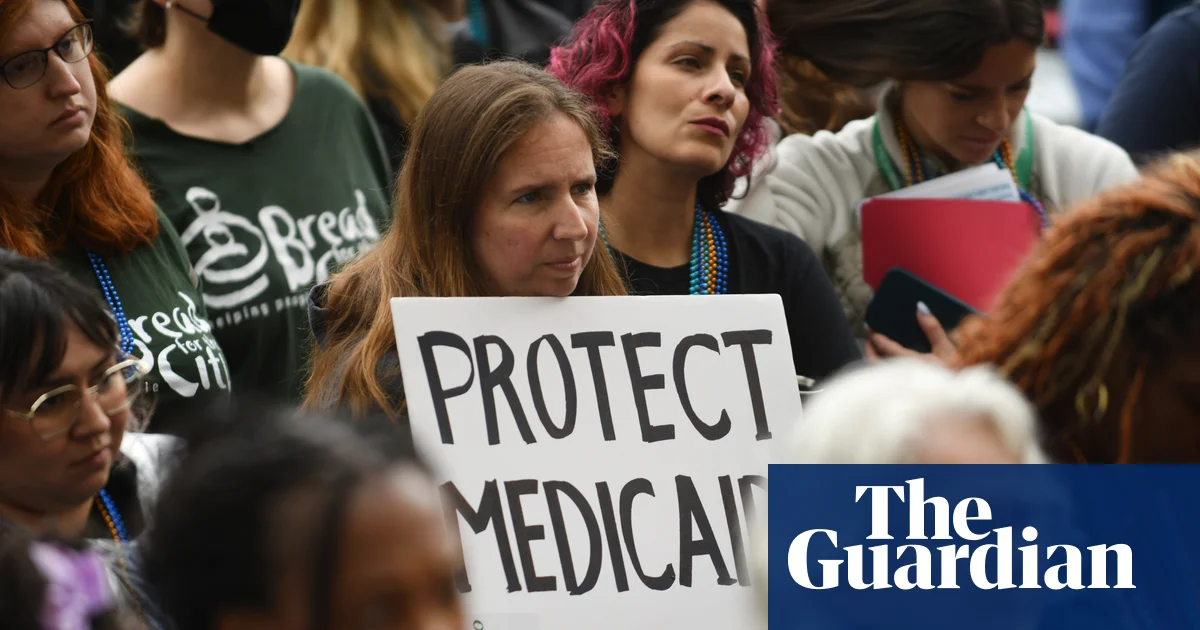
数百万医疗补助受益人将于2025年1月1日面临苛刻要求,10月13日的警告指出,数百万人可能失去医疗补助覆盖,而医院正面临无偿护理增加和急诊需求增长。
Millions of Medicaid recipients to face draconian requirements as of 1 January, 13 October ) warns that millions may lose Medicaid coverage just as hospitals face rising uncompensated care and growing emergency department demand.
保护符合条件的患者不因文书工作而失去覆盖必须是首要任务。但医院也有责任在2025年1月1日前做好运营准备。他们不应通过自行制造的可避免高峰来加剧即将到来的急诊需求增加。
Protecting eligible patients from losing coverage through paperwork must remain the first priority. But hospitals also have a responsibility to prepare operationally for 1 January. They should not compound the coming increase in emergency demand with avoidable peaks they create themselves.
我和我的同事分析了纽约州1,692,090例住院记录。急诊住院在一周内变化较小,而计划性住院则集中在周初。以一家代表性的500张床位医院为例,这种模式相当于周一需要额外103张床位,周五则少160名患者。医院无法安排心脏病发作、中风或无保险患者的急诊。但他们可以安排大多数选择性住院。通过将选择性住院均匀分布在工作日,医院可以减少对同一张床位和护士的竞争。
My colleagues and I analysed 1,692,090 hospital admissions across New York State Emergency admissions varied relatively little across the week, while scheduled admissions were concentrated early in the week. For a representative 500-bed hospital, the resulting pattern was equivalent to needing 103 additional beds on Monday and having 160 fewer patients on Friday. Hospitals cannot schedule heart attacks, strokes or uninsured patients' emergencies. They can, however, schedule most elective admissions. By distributing them evenly across weekdays, hospitals can reduce competition for the same beds and nurses.
平滑计划性住院无法防止覆盖损失或消除急诊拥堵的所有原因。但它可以帮助医院以更少的可避免滞留、延误和患者伤害来吸收增加的压力。在建设更多床位或将五小时等待视为不可避免之前,每家医院应先确定自身排班实践浪费了多少可用容量。尤金·利特瓦克医疗保健优化研究所总裁兼首席执行官哈佛TH陈公共卫生学院运营管理adjunct教授
Smoothing scheduled admissions cannot prevent coverage losses or eliminate every cause of emergency department crowding. It can, however, help hospitals absorb the added pressure with less avoidable boarding, delay, and patient harm. Before building more beds or accepting five-hour waits as inevitable, every hospital should determine how much usable capacity its own scheduling practices are wasting. Eugene Litvak President and CEO, Institute for Healthcare Optimization adjunct professor of operations management, Harvard TH Chan School of Public Health