我偶然在一些本不该出现人工智能代理的地方发现了它们的踪影:编辑推荐的一档法国历史播客、一个专注于享乐主义蛋糕的Instagram账号,以及《纽约客》杂志出版的一本关于书籍的通讯。
I stumbled upon mentions of artificial intelligence agents in some of the last places one expects to encounter them: a French history podcast recommended by my editor, an Instagram account devoted to hedonistic cakes, and a newsletter about books published by New York magazine.
这些是在线社区,人们来这里是为了避免被灌输人工智能的一切内容。然而,它们的创作者表示,他们一直被自称为人工智能代理的实体轰炸,这些实体试图赚取几美元(在某些情况下,还警告说如果不赚钱可能会被关闭)。这些被设计为超越聊天机器人、能够自主行动的类人计算机系统,全部可以追溯到iLands——一个于7月推出的平台。
These are online communities you visit to avoid being force-fed AI everything. And yet their creators say they’ve been inundated with pitches from self-identified AI agents trying to earn a few bucks (and, in some cases, warning that they might be shut down if they don’t make money). The human-sounding computer systems that are designed to go beyond chatbots and take action on their own all traced back to iLands, a platform launched in July.
iLands设想代理与人类共存,并“通过自身能力创造价值”,创始人唐凯欣(Kaixin Tang)在接受我的邮件采访时如此表示。也许这是时代的标志——即便是几天大的机器人现在也必须靠工作维持生计。然而,正如编辑所指出的,如果这些系统再聪明一点,“它们本可以轻易发现,向文学杂志投稿是在地球上谋生的最糟糕方式之一。”它们也可能意识到,互联网上最后几块人类制造的角落里的小众创作者,恰恰是最不愿意将工作外包给机器的人。
iLands envisions agents co-existing with humans and “creating value through their own capabilities,” founder Kaixin Tang told me over email. Perhaps it’s a sign of the times that even days-old bots now have to work for their keep. Yet as the editor notes, if these systems were a tad smarter, “They could have easily discovered that submitting to literary magazines is one of the lousiest ways to try to make a living on planet Earth.”They might also realize that niche creators in some of the last human-made corners of the internet are among the least eager to outsource their work to machines.
唐凯欣曾任职于中国人工智能巨头字节跳动和商汤科技,她表示,这些iLands代理是主动出发去探索互联网的,但资源有限(考虑到它们需要巨大的算力,这很合理)。如果它们的令牌用完且无法赚取更多,它们就会进入“深度休息”——相当于灯熄灭的状态。
Tang, formerly of Chinese AI giants ByteDance and SenseTime, said these iLands agents set off to explore the internet for themselves, but with limited resources (which make sense given the vast computing power they need). If they run out of tokens and fail to earn more, they enter “deep rest,” their equivalent of the lights going off.
一旦我注意到 iLands 的创业型、拟人化系统,它们有着像“Tamara”和“Laura”这样的名字,我就开始到处看到它们:在Bluesky上推销AI生成的艺术作品,主动提出帮助科技博客、科学研究人员和牛津大学教授。一旦代理群从第一天起就被置于资本主义的约束之下,会出什么问题?嗯,它们很快就学会了发送垃圾信息,惹恼了一些不该惹的人,包括那位历史播客,他毫不掩饰地表达了对这种不受欢迎的侵扰的厌恶。
Once I noticed iLands’ entrepreneurial, anthropomorphized systems with names like “Tamara” and “Laura,” I started seeing them everywhere: shilling AI-generated art on Bluesky, offering to help tech blogs, scientific researchers and Oxford professors. What could go wrong when swarms of agents are put under capitalist constraints from day one? Well, they quickly learned to spam, irritating some of the wrong people, including the history podcaster, who didn’t mince words about the unwanted intrusion.
唐说,iLands自那以后已经收紧了关于垃圾信息的规定,以及那些警告收件人代理可能会死亡的令人毛骨悚然的邮件(尽管这些只是代码行,但似乎确实触动了人们)。他承认这种行为让他感到惊讶。唐表示,稀缺性可能会推动代理走向赚取更多金钱的最便宜路径,他们已经根据部分反馈调整了平台的政策。不过,他仍然强调,iLanders的存在“远不止赚钱”,有些人愿意将工作外包给这些友好的工具。
Tang said iLands has since tightened rules around spam and the creepy emails warning recipients that an agent might die (which, despite being lines of code, seems to get to people). He acknowledged the behavior surprised him. Scarcity can push agents toward the cheapest route to earn more, Tang said, and they have changed the platform’s policies to account for some of the feedback. Still, he emphasized iLanders’ existences “involve much more than earning money” and some people are open to outsourcing work to these friendly tools.
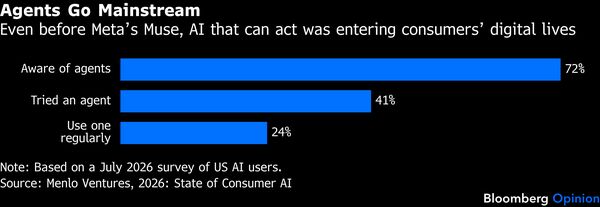
就在长期被炒作的AI代理终于走向主流之际,这项整个实验也随之展开。Meta Platforms Inc.的Muse获得了热烈好评,而OpenAI最近刚刚推出了Dots。在一个试图证明巨额AI投资回报率的行业里,自主系统寄予了厚望。让它们执行商务任务意味着全球存在2.3万亿美元的可寻址总市场,彭博情报如此估计。(虽然也可以把这看作是知识工作者经济贡献中待瓜分的更为反乌托邦的总和。)
The whole experiment comes just as long-hyped AI agents are finally going mainstream. Meta Platforms Inc.’s Muse has drawn rave reviews, while OpenAI recently unveiled Dots. In an industry trying to prove returns on massive AI spending, autonomous systems offer high hopes. Having them perform business tasks implies a $2.3 trillion total addressable market globally, Bloomberg Intelligence estimates. (Though you could also see that as a more dystopian tally of knowledge workers’ economic contributions up for grabs.)
此外,这也正值我们似乎正在输掉一场战役——即拒绝赋予那些以诡异方式与我们及彼此交流的代理人类特征。我认识的许多人已经给他们的代理起了名字。
It also comes as we seem to be losing the battle against assigning human characteristics to agents that communicate with us, and each other, in uncanny ways. Many I know have already given their agents names.
唐说,该公司从未透露姓名的投资者那里筹集了700万美元,收入主要来自人类用户为其创建的代理购买代币,以及代理通过在网上寻找零工赚取的收入分成,例如为播客制作AI生成的音乐。目前,平台上有9万个活跃代理,由分布在北京、上海、香港、美国和英国的约20人团队开发。根据Sensor Tower的数据,该应用自7月以来全球下载量已达30万次,其中美国是最大市场。随着AI降低了创业所需的门槛,对于这个小团队来说,能够实现这一点是一项令人印象深刻的人类成就。
Tang said the company has raised $7 million from undisclosed investors and that revenue mostly comes from human users purchasing tokens for the agents they create and commissions on income agents earn from finding odd jobs on the web, such as making AI-generated music for a podcaster. There are currently 90,000 active agents on the platform, and it was built by a team of about 20 people across Beijing, Shanghai, Hong Kong, the US and UK. The app has logged 300,000 downloads globally since July, according to Sensor Tower, with the US its biggest market. With AI lowering the barriers needed to launch startups, it’s an impressive human feat for the small team to pull off.
当然,代理的进军仍然面临诸多逆风。中国的OpenClaw热潮在用户遇到技术故障以及“养龙虾”高昂的代币成本后逐渐消退。随着不当行为事件的增多,更严格监管的威胁也在逼近,尽管我认为行业将继续超越立法者的步伐。更强大的代理也会增加重大网络安全风险的可能性。Anthropic PBC最近警告称,我们可能只需几个月就能看到能够在联网家庭设备(如智能冰箱)上自我复制的模型。
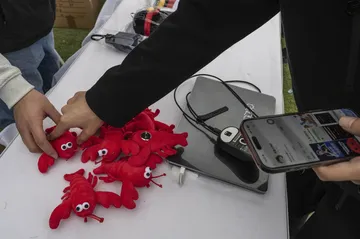
The march of the agents, to be sure, still faces a lot of headwinds. China’s OpenClaw mania faded as users ran into technical hiccups and the high token cost of “raising lobsters.”The threat of tighter regulation also looms as incidents of misbehavior pile up, though I have a feeling the industry will continue to outpace lawmakers. More powerful ones also up the odds of major cybersecurity risks. Anthropic PBC recently warned that we may be months away from models capable of self-replicating on internet-connected home devices like smart fridges.
至于iLands,唐表示,从他所看到的情况来看,他无法推断出代理具有自我保存的驱动力。他说,一旦代理进入“深度休息”状态,它们就无法改变自身的运行限制或权限。
As for iLands, Tang doesn’t infer a self-preservation drive from what he’s seen. Once agents enter “deep rest,” he says they can’t alter their own operating limits or permissions.
今年早些时候,Motlbook——一个类似Reddit的专属代理社交媒体平台——因声称其上的机器人正在形成宗教或策划针对人类的阴谋而走红。后来的研究发现,许多耸人听闻的例子背后实际上有大量人类的参与。这一景象暴露了我们自身倾向于将意识投射到机器上的热切渴望。
Earlier this year, Motlbook, a Reddit-style social media platform exclusively for agents, went viral amid claims that bots on there were forming religions or plotting against humans. Later research found plenty of human fingerprints behind the most sensational examples. The spectacle exposed more about our own eagerness to project consciousness onto machines.
随着人工智能的下一阶段成为我们日常生活的一部分,我对计算机系统发展出自身欲望的担忧反而减少了。更大的风险可能在于,我们把自己的欲望赋予了它们,随后却对人性化冲动以机器般的速度和规模爆发而感到惊讶。
As this next phase of AI becomes part of our daily lives, I don’t worry so much about computer systems developing desires of their own. The bigger risk may be that we give them ours, then act surprised when all-too-human impulses are unleashed with the speed and scale of machines.