新加坡的清酒饮用者正在花费更多,并且越来越超越熟悉的品牌,去探索每瓶清酒独特之处。
Sake drinkers in Singapore are spending more and increasingly looking beyond familiar labels to explore what makes each bottle distinctive.
根据日本对外贸易组织(JETRO)的数据,新加坡是一个“高价值高端市场”,因为新加坡的清酒出口量从2016年的509千升增加到2025年的687千升。新加坡的平均出口价值从每升1,181日元上升约85%至每升2,190日元,这比2025年全球平均每升1,368日元高出约60%。
According to the Japan External Trade Organization (JETRO), Singapore is a “high-value premium market,” as sake export volume to Singapore rose from 509 kilolitres in 2016 to 687 kilolitres in 2025. Average export value to Singapore climbed approximately 85 per cent, from 1,181 yen per litre to 2,190 yen per litre, about 60 per cent above the 2025 global average of 1,368 yen per litre.
这些数据背后是味蕾的变化,这种变化受到本地日本餐厅数量激增和频繁前往日本旅行的影响。高端清酒仍然受欢迎,但饮用者对风味、工艺以及清酒如何搭配餐食变得更加好奇。超越日本餐厅中的熟悉佳酿Hachi餐厅提供的清酒。
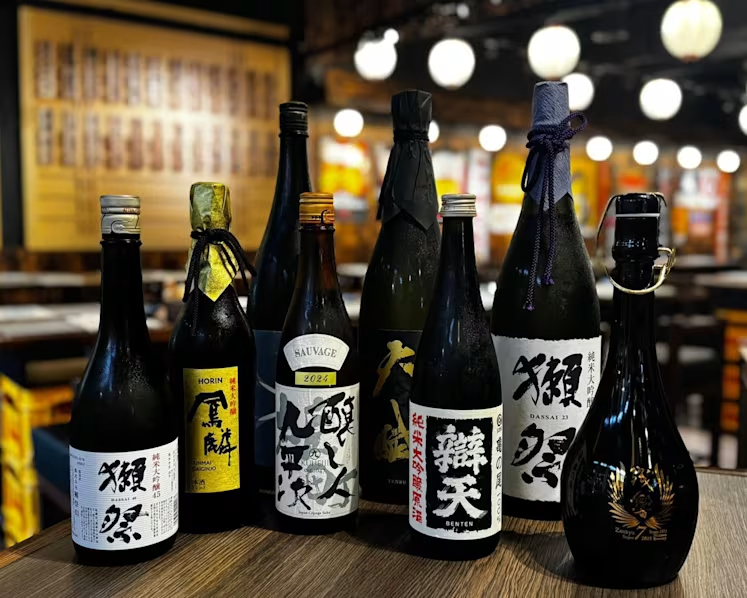
Behind these figures is a changing palate, shaped by a proliferation of Japanese restaurants here and frequent trips to Japan. Premium sake remains popular, but drinkers are becoming more curious about flavour, craftsmanship and how sake fits into a meal. BEYOND THE FAMILIAR FAVOURITES IN JAPANESE RESTAURANTS Sakes offered at Hachi Restaurant.
清酒经销商Inter Rice Asia的董事Adrian Goh表示,在此地销售的清酒大多属于四种高端等级:纯米吟酿、吟酿、纯米大吟酿和大吟酿。吟酿和大吟酿清酒的米磨精率分别约为60%和50%(即米粒有40%至50%被磨掉)。纯米清酒仅由米、水、曲和酵母酿造,未添加蒸馏酒精。
Adrian Goh, director of sake distributor Inter Rice Asia, shared that most sake sold here falls within four premium grades: ginjo, junmai ginjo, daiginjo and junmai daiginjo. Ginjo and daiginjo sakes have a polishing ratio of around 60 per cent and 50 per cent respectively (where 40 per cent to 50 per cent of the rice grain is milled away). Junmais are sakes made with rice, water, koji and yeast, without added distilled alcohol.
在Hachi餐厅,董事总经理Fabian Koh表示,顾客常要求提供“干爽且甜美”的清酒,随后是“清淡/浓郁”、“果香”和“顺滑”。目前的畅销品牌分别来自山口县和青森县的Dassai和Momokawa。他补充道:“就直接饮用而言,清酒的受欢迎程度正在提升。然而,作为食物的伴酒,只有在日本料理中,清酒在餐桌上的消费量才超过葡萄酒。”
At Hachi Restaurant, managing director Fabian Koh says that customers commonly ask for sakes that are “dry and sweet” followed by “light/rich”, “fruity” and “smooth”. Current bestsellers are Dassai and Momokawa from Yamaguchi and Aomori prefectures respectively. He added: “In terms of direct consumption, sake is growing in popularity. However, as an accompaniment to food, only in Japanese cuisine is sake consumed more than wine at the table.”
Orihara Shoten清酒侍酒师Maria Satoh表示,历史上以清淡、果香为特点的风格正逐渐转向富含鲜味和咸鲜的风格。“这与传统酿造方法如山廃和菩提酛需求增长完美契合,这些方法专门以创造复杂、富含鲜味的风味而闻名,而非芳香果香。这些清酒与这里多元的饮食文化搭配得非常出色,从沙爹和辣椒蟹到和牛和腌制肉类。”
There is a growing shift from historically light, fruity profiles towards umami-rich and savoury ones, said Orihara Shoten sake sommelier Maria Satoh. “This aligns perfectly with the rise in demand for traditional brewing methods like yamahai and bodaimoto, which are specifically known for creating complex, umami-rich flavours rather than aromatic fruitiness. These sakes pair exceptionally well with the diverse food culture here, from satay and chilli crab to wagyu and cured meats.”
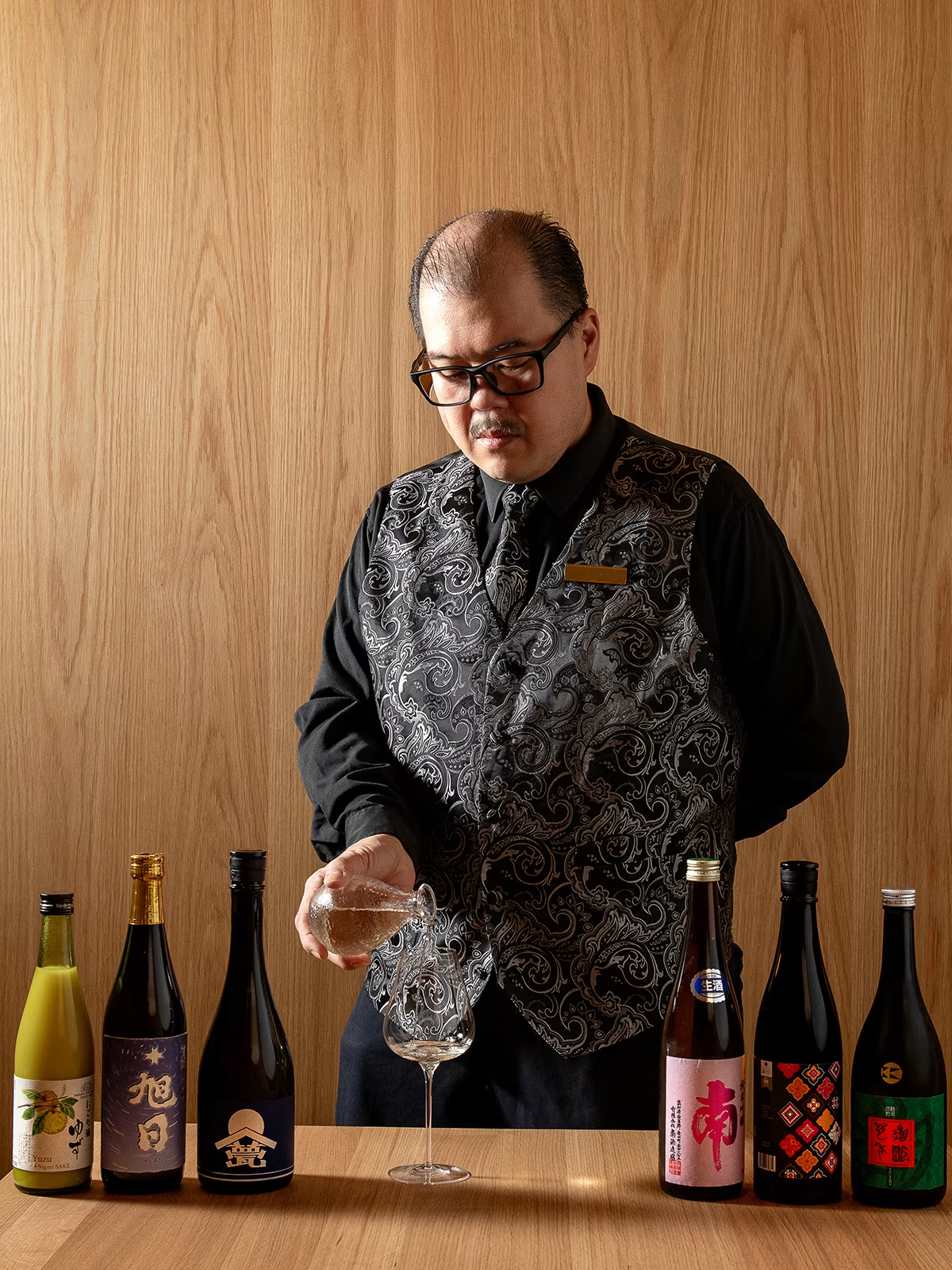
Loca Niru的侍酒师Vincent Kwong指出了两种偏好:一种是经典的、以米为主导的风格,带有瓜果、香蕉和鲜味;另一种是他所说的“新时代”风格,其特点是清雅的果香和类似葡萄酒的风格,如秋田县Aramasa酿造厂的清酒所展现的那样。
Loca Niru’s sommelier Vincent Kwong notes two preferences: classic, rice-forward flavours with melon, banana and umami notes versus what he terms a “new age” style, characterised by clean, elegant fruit and wine-like notes, as seen in the sakes from Akita prefecture’s Aramasa Brewery.
Loca Niru的侍酒师Vincent Kwong正在为夏季菜单提供搭配的清酒。
Loca Niru's sommelier Vincent Kwong serving the sakes paired with the summer menu.
食客们也不再过度执着于知名品牌、高精米率或立刻点最贵的酒瓶,一期一会的行政主厨江野茜表示。“客人越来越愿意尝试他们可能尚未了解的东西,只要清酒好喝、易于接受且与食物搭配得当。”同样,石卷集团(The Ishinomaki Group)的联合所有者兼运营总监Janice Chi表示,该集团旗下拥有石卷烧烤与清酒店及Setsuri Ishinomaki,她看到越来越多食客询问“每款清酒背后的工艺、品质与个性”,而不仅仅是基于品牌知名度进行选择。他们也更愿意尝试温热清酒,而这种做法过去常被误认为是低劣产品。
Diners are also less fixated on famous labels, high polishing ratios or immediately ordering the most premium bottles, said Ichigo Ichie’s executive chef Akane Eno. “Guests are increasingly comfortable in discovering something they may not already know, if the sake is delicious, approachable and works well with the food.”Similarly, Janice Chi, co-owner and operations director of The Ishinomaki Group, which includes Ishinomaki Grill & Sake and Setsuri Ishinomaki sees more diners asking about "the craftsmanship, quality and individuality behind each sake, rather than simply choosing based on brand recognition.”They are also more open to warm sake, which used to be mistaken for an inferior product.
超越日本料理的场所 饮酒者正在寻找更多方式将清酒与食物搭配享用。
A PLACE BEYOND JAPANESE FOOD Drinkers are finding more ways to enjoy sake with food.
在家常菜馆“庆记”(Keng Eng Kee),创始人Paul Liew表示,顾客会带着清酒、香槟和红酒一起用餐,并且“对哪些菜肴适合搭配哪种清酒非常讲究”,他们会“将独家标签的酒留到餐前享用,而将主流款留到之后再上”。休闲亚洲餐厅“发财食府”(Fatt Choy Eating House)的Kevin Ngan分享说,他的食客常将店里畅销的伊比利亚猪排骨肉骨茶与来自新加坡兰花酿酒厂(Orchid Sake Brewery)的一款清爽芳香的生酿纯米大吟酿搭配。
他还观察到,除了传统的生酮(kimoto)和山廃(yamahai)酿造工艺外,对“类似葡萄酒且酸度较高”的风味也在增长,这包括桶发酵、桶陈酿的清酒,以及加入啤酒花的清酒和浊酒(doburoku,未压榨、未过滤的清酒)。
At zi char restaurant Keng Eng Kee, founder Paul Liew says customers bring sake along with champagne and wine and are “very specific about which dishes to serve with the sakes, reserving exclusive labels for the start of the meal and serving the mainstream ones later.”Casual Asian eatery Fatt Choy Eating House’s Kevin Ngan shared that his diners often pair its top-selling Iberico Pork Rib Bak Kut Teh with a clean, fragrant draught Junmai Daiginjo from Singapore’s Orchid Sake Brewery He also sees a growing demand for “wine-like and high-acid profiles” alongside traditional brewing methods like kimoto and yamahai, barrel-fermented and barrel-aged sake as well as hopped sake and doburoku (unpressed and unfiltered sake).
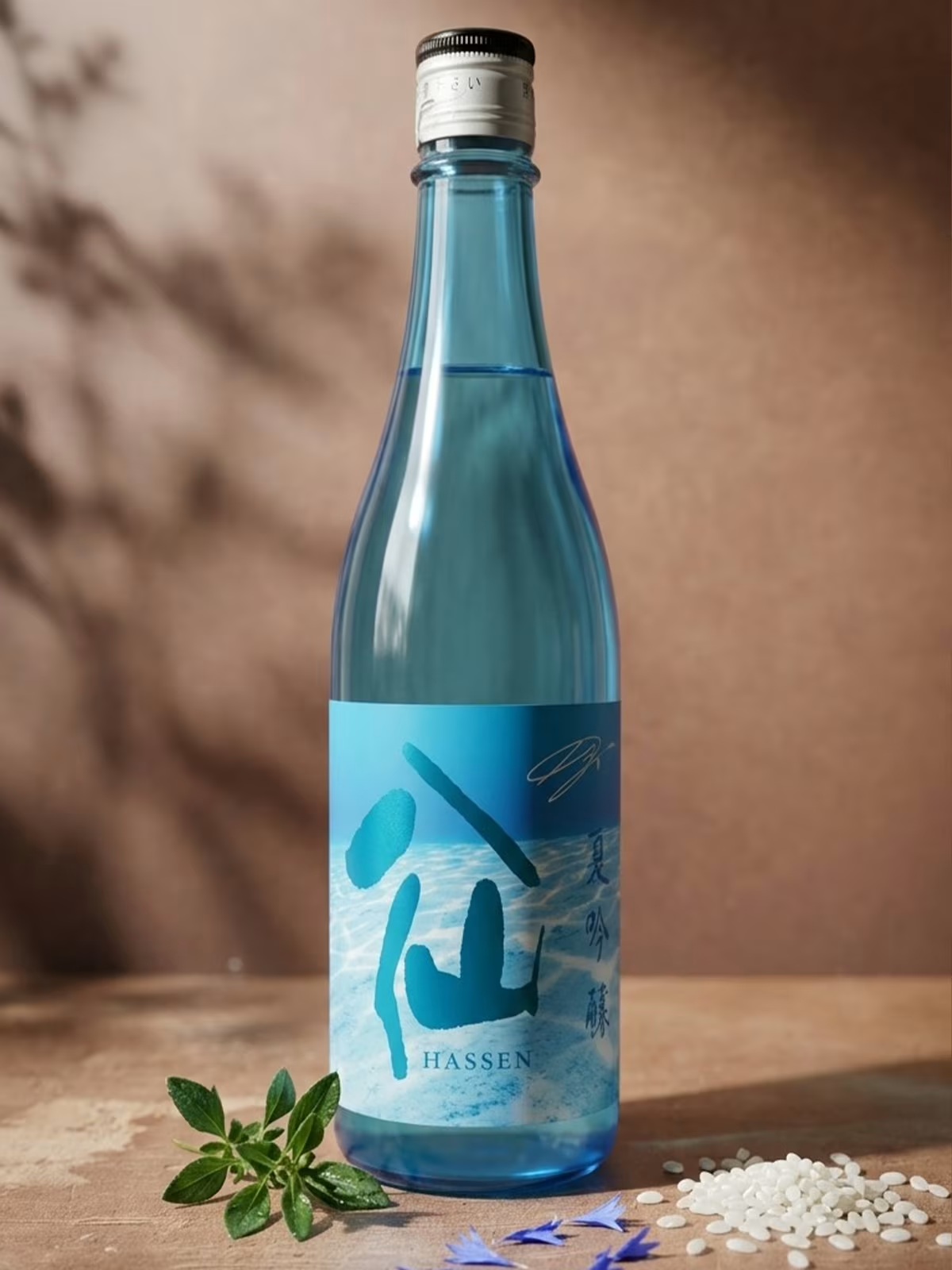
Jag餐厅的夏季菜单曾搭配过如陆奥八仙蓝标夏季吟酿这样的清酒。
Restaurant Jag's Summer menu was paired with sake like this Mutsu Hassen Blue Label Summer Ginjo.
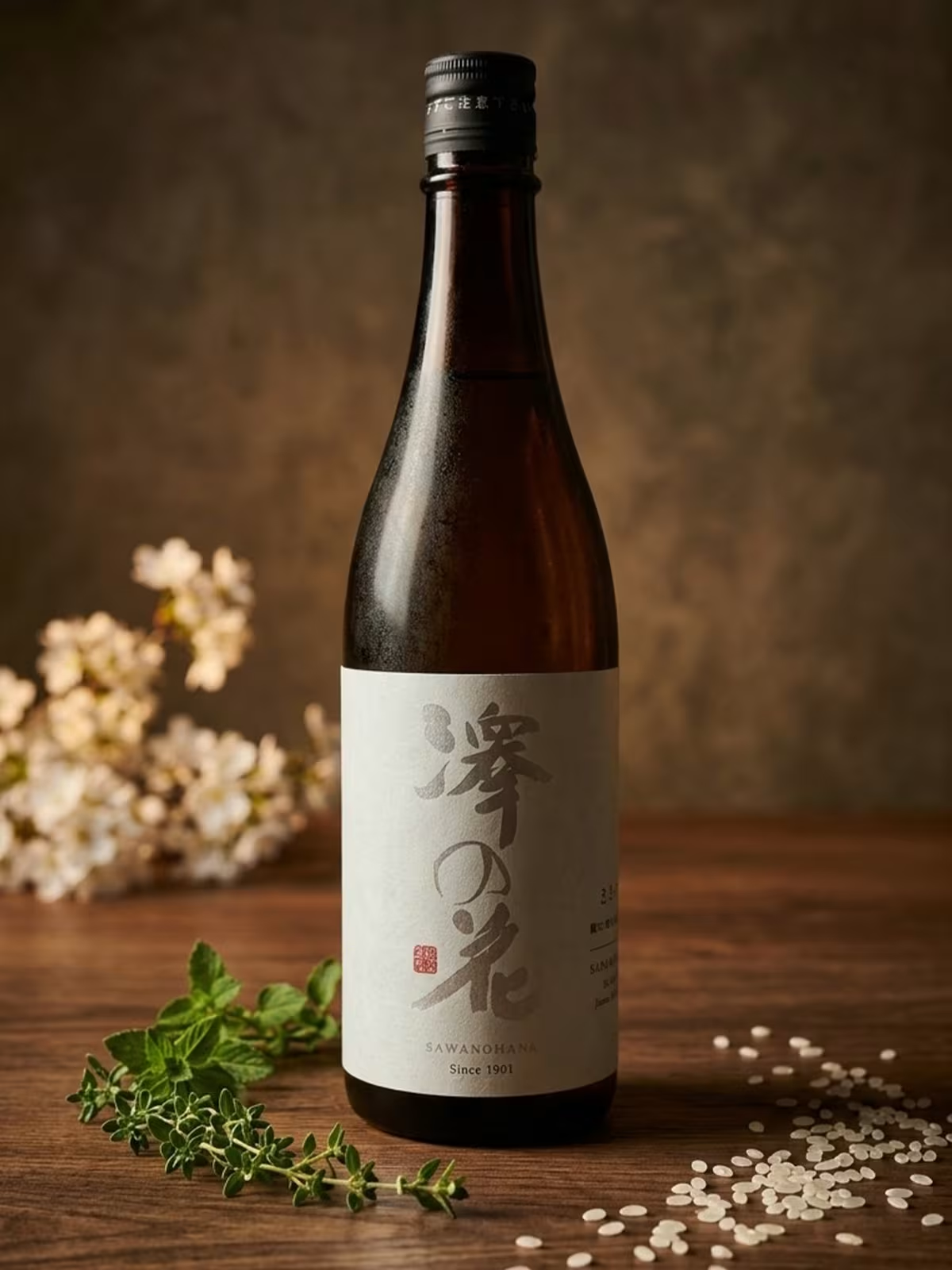
这家位于新加坡、拥有一颗米其林星的当代法式精致餐厅也提供Sawanohana Sasara Cho-Karakuchi Junmai Ginjo。
The one-Michelin-starred contemporary French fine-dining restaurant in Singapore also offers the Sawanohana Sasara Cho-Karakuchi Junmai Ginjo.
Maryjoy Lim,当代法国餐厅Jag的总经理,观察到人们对具有“更高鲜味、酸度、矿物质感或成熟度”的清酒接受度正在提升,尤其是当它们作为精心搭配的一部分被引入时。该餐厅的清酒单会随季节变化:夏季提供清爽干型清酒,秋季则提供更黏稠的陈酿风格,以搭配秋季根茎蔬菜。
Maryjoy Lim, general manager of contemporary French restaurant Jag, has observed a growing receptiveness to sakes with “greater savouriness, acidity, minerality or maturity, particularly when they are introduced as part of a considered pairing.”The restaurant’s sake list changes with the seasons: fresh, dry sake for summer, and more viscous aged styles to accompany autumn root vegetables.
在Sushisamba Singapore,客人开始询问超越寿司和刺身的清酒搭配建议。尽管葡萄酒和鸡尾酒仍是传统热门选择,Sushisamba母公司Sunset Hospitality Group Singapore的集团总侍酒师Vikneswaran Koonnusagaran表示,过去两年他们已扩大清酒种类,覆盖不同县份、米种、精米率、酿造工艺和风味特征。本月还将推出“桑巴与清酒”搭配项目。
At Sushisamba Singapore, guests are asking for sake pairing recommendations beyond sushi and sashimi. Even though wine and cocktails remain established favourites, Vikneswaran Koonnusagaran, cluster head sommelier for Sushisamba’s parent company, the Sunset Hospitality Group Singapore, shared that they have expanded the sake range in the past two years to cut across different prefectures, rice varieties, polishing ratios, brewing styles and flavour profiles. There will also be a “Samba & Sake” pairing programme this month.
他分享道:“我们希望客人明白,清酒并非单一风格的饮品。”将清酒带入酒吧新加坡的调酒师们正在尝试将清酒用于鸡尾酒,将其细腻特质与柚子、桃子和樱花利口酒等食材搭配。
He shared: “We want our guests to understand that sake is not one single style of drink.”TAKING SAKE TO THE BAR Singapore’s bartenders are experimenting with sake in cocktails, pairing its subtle character with ingredients such as yuzu, peach and cherry blossom liqueur.
Satoh观察到,20多岁末至30岁的饮酒者正在酒吧探索清酒鸡尾酒和混合饮料,这与清酒在此地的传统饮用方式形成了背离。
Satoh observes that drinkers in their late 20s and 30s are exploring sake cocktails and mixed drinks at bars, a departure from how sake is traditionally consumed here.
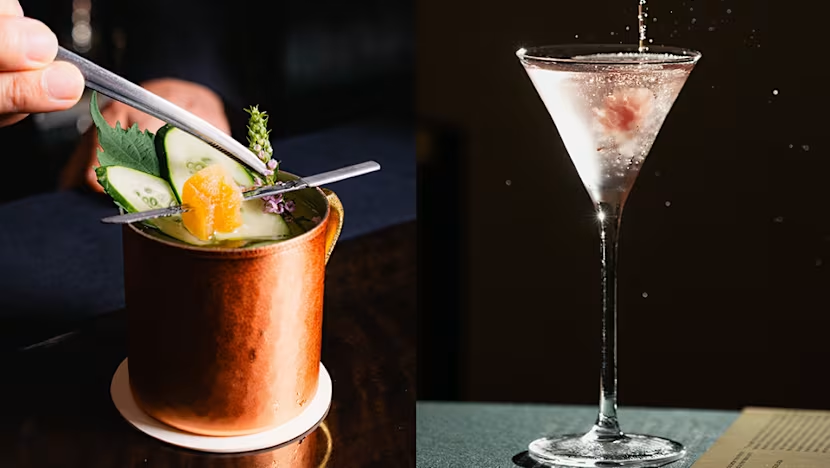
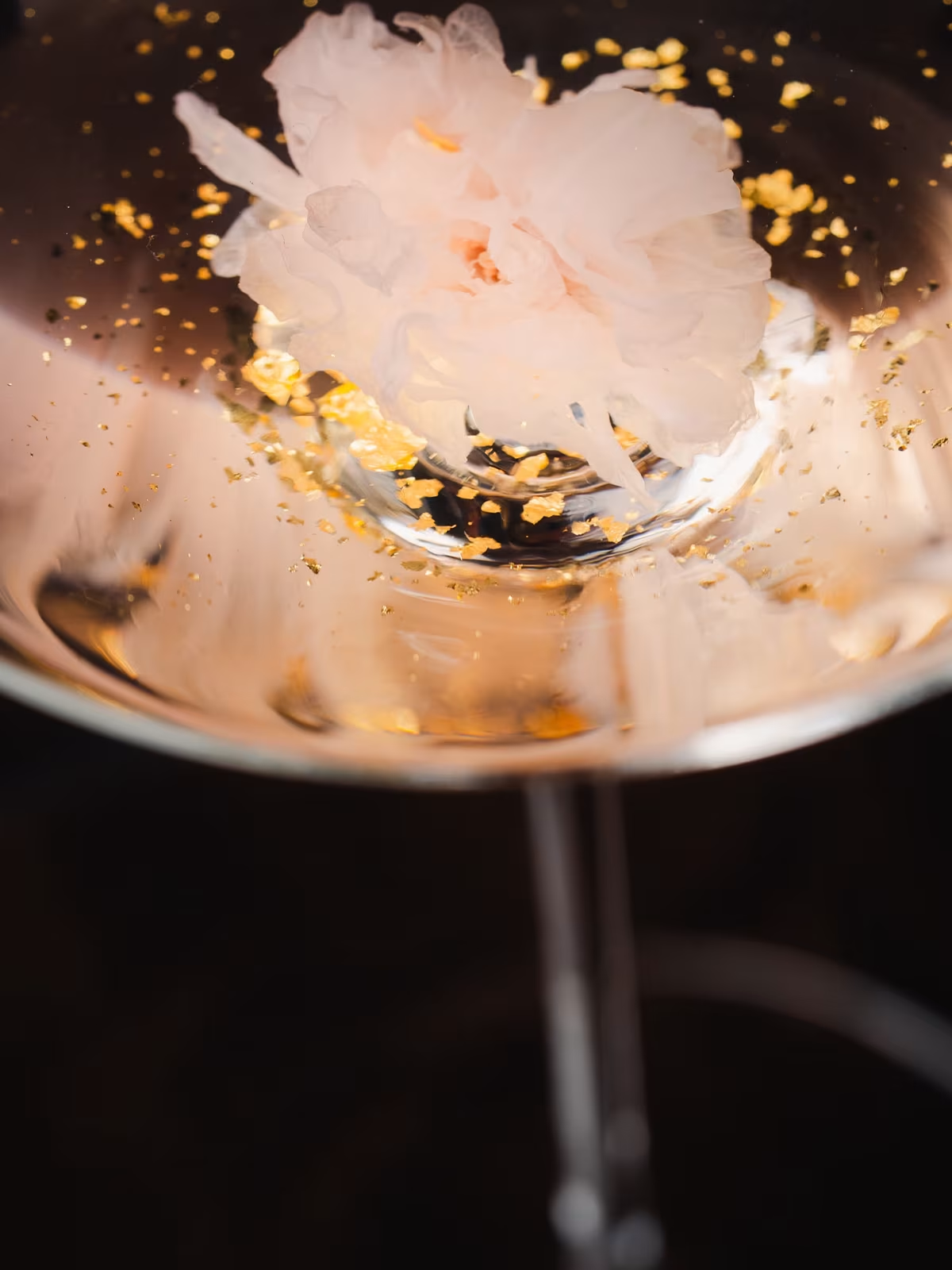
尊重与亲和力是关键。在Bar Kakure,首席调酒师Kazuhiro Chii仅使用仙台的Katsuyama Ken清酒调制三款鸡尾酒,包括樱花清酒马提尼和清酒与柚子对莫斯科骡子的演绎。他表示,他接触的大多数酿酒商更倾向于让清酒保持原味不掺混;Katsuyama酿酒厂第十二代传人授予他自由实验的权限。
Respect and approachability are key. At Bar Kakure, head bartender Kazuhiro Chii uses only Sendai’s Katsuyama Ken sake in three cocktails, including a cherry blossom sake martini and a sake-and-yuzu interpretation of the Moscow Mule. He says most producers he approached preferred their sake unmixed; Katsuyama Brewery’s 12th-generation founder gave him the freedom to experiment.
坚果合集的创始人科林·恰亚表示,这种酒“清澈、细腻的特质以及它与水果和酸度的搭配效果”使其特别适合用于清爽微风般的饮品,比如Draftland的“请给我桃子”,这是一款含有清酒、杜松子酒、Calpis、青柠和桃子茶的生鸡尾酒,还有Last Word的清酒樱桃马提尼。
The Nutmeg Collective’s founder Colin Chia says that the spirit’s “clean, subtle character and how well it works with fruit and acidity” make it particularly apt for refreshingly breezy drinks like Draftland’s Peach Please, a draught cocktail of sake, gin, calpis, lime and peach tea, as well as Last Word’s Sake Sakura Martini.
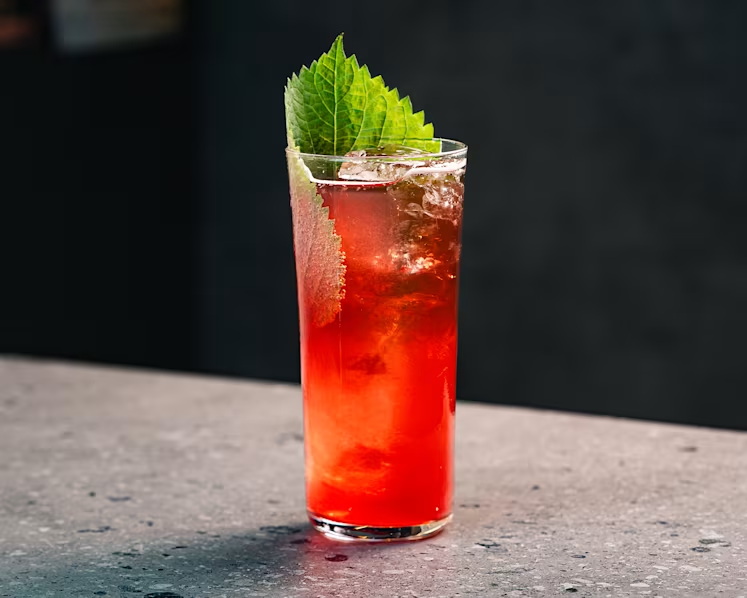
在新加坡的一些顶级酒吧,清酒正被重新想象,用于平衡水果、酸度和饮品细腻风味的鸡尾酒中。
At some of Singapore's top bars, sake is being reimagined in cocktails that balance fruit, acidity and the drink’s delicate flavours.
尽管与传统鸡尾酒相比,人们对清酒鸡尾酒的兴趣并未显著倾斜,Cat Bite Club的创始合伙人加布里埃尔·洛认为,熟悉度使得清酒比烧酎或韩国烧酒更容易被解释。他的酒吧专注于米酒和龙舌兰基础的烈酒,团队在考虑甜度、酸度、香气以及清酒在调酒过程中有多少特色得以保留时,会参考诸如“泡沫甘露”和“葡萄逃脱”等饮品。他说:“清酒可以增添风味,但与高度酒相比,它能以更微妙的方式增添结构和质感。” 对理解的渴望 清酒节及其节目安排的增长表明市场正在如何演变。
While interest has not significantly tilted towards sake cocktails compared to conventional ones, Cat Bite Club’s founding partner Gabriel Low finds familiarity makes sake easier to explain than shochu or soju. His bar focuses on rice and agave-based tipples, and the team considers sweetness, acidity, aroma and how much of the sake’s character survives mixing in drinks like Gourdy Fizz and Grape Escape. He said: “Sake can add flavour, but it can also add structure and texture in a much more subtle way than a higher-proof spirit.”A THIRST FOR UNDERSTANDING The growth of sake festivals and their programming indicates how the market is evolving.
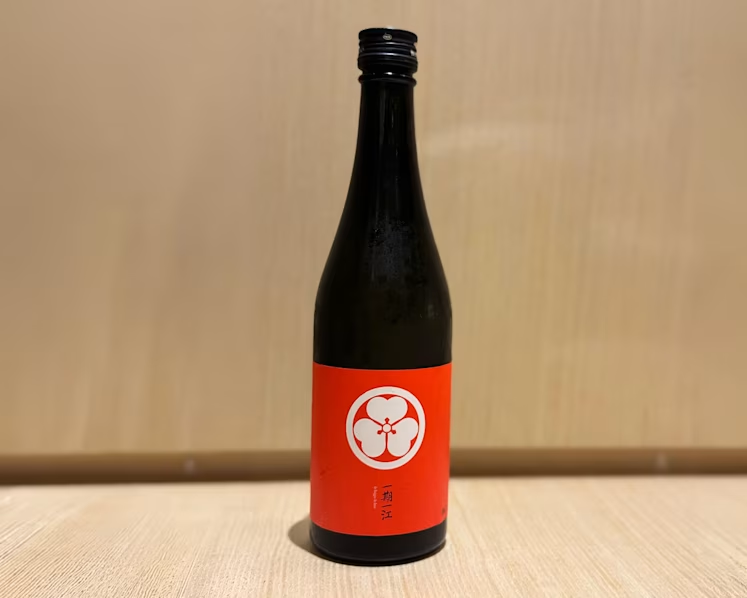
2014年启动的新加坡清酒节已超越单纯品鉴的范畴,成为一个平台,让参与者能够与亲自酿造这些清酒的杜氏(酿酒师)和库里人(酿酒厂工人)建立联系。其酒款选择也从2024年的300种翻倍至2026年的600种,来自40家酿酒厂。一期一会的店内清酒,纯米吟酿露雅姬随时随地。
Launched in 2014, Sake Festival Singapore has gone beyond tastings to be a platform where attendees connect with tojis (master brewers) and kurabitos (brewery workers) who personally make these sakes. Its selection has also doubled from 300 labels in 2024 to 600 from 40 breweries in 2026. Ichigo Ichie's in-house sake, Junmai Ginjo Tsuyahime Nandodemo.
Orihara的佐藤,该节日的创始人表示:“消费者与生产者之间的直接联系在此规模下相对罕见,已成为该节日的标志性吸引力。” 食物搭配、侍酒师导览和工作坊拓展了学习体验,而陈年清酒则在2025年拓宽了选择范围。
Orihara’s Satoh, the festival’s founder, said: “The direct connection between consumers and producers, relatively unusual at this scale, has become the festival's signature draw.”Food pairings, sommelier-led tours and workshops broaden the learning experience while aged sake widened the options in 2025.
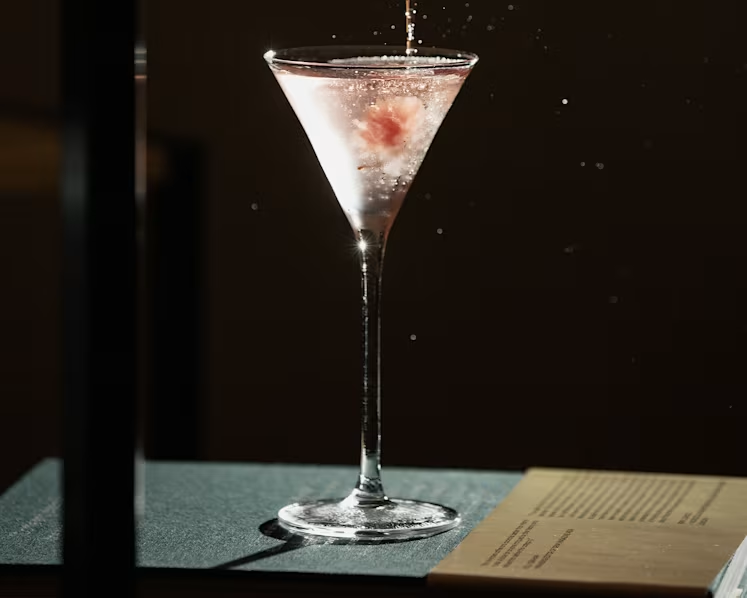
2018年,Ngan和Goh推出了Sake Matsuri。当时,清酒主要与日本料理以及少数几个大品牌相关联。Ngan表示:“我们认为,一个小型的节日可以让人们看到小型生产商、更广泛的风格种类,以及清酒如何在日本料理之外也能很好地搭配。”Last Word的Sake Sakura Martini。
When Ngan and Goh launched Sake Matsuri in 2018, sake was largely associated with Japanese food and a handful of major brands. Ngan said: “We thought a small festival could open people's eyes to smaller producers, a much wider range of styles, and how sake pairs well beyond Japanese cuisine.”Last Word's Sake Sakura Martini.
如今,Sake Matsuri已包含春酒(haruzake)专场、贸易展、新加坡清酒奖以及位于樟宜机场Jewel的高端品鉴区。市场似乎已准备好深入发展:这对搭档推出了Sakerama,这是一个7月份举办的节日,专注于手工清酒,提供从“无过滤浊酒(doburoku)和添加啤酒花的清酒”到“在纽约、巴黎、越南以及新加坡本地酿造的瓶装清酒”等多种选择。
Sake Matsuri now includes a haruzake (spring sake) edition, a trade show, the Singapore Sake Awards and a premium tasting area at Jewel Changi Airport. The market looks ready to dive deeper: the duo launched Sakerama, a festival in July that focused on craft sake serving everything from “unfiltered doburoku and hopped sake to bottles brewed in New York, Paris, Vietnam and here in Singapore.”
Ichigo Ichie的Eno认为,清酒饮用的下一个阶段将由独特性和意义驱动。小型生产商、非传统酿造方法、不同水稻品种以及低酒精度风格为探索提供了新途径。她说:“人们越来越想了解他们正在喝什么 — — 谁酿造的,来自哪里,为什么味道是这样的,以及是什么让某一瓶酒与众不同。”
Ichigo Ichie’s Eno believes that the next stage of sake drinking will be driven by uniqueness and meaning. Smaller producers, unusual methods, different rice varieties and lower-alcohol styles offer fresh avenues to explore. She said: “People increasingly want to understand what they are drinking — who made it, where it comes from, why it tastes the way it does, and what makes a particular bottle different.”