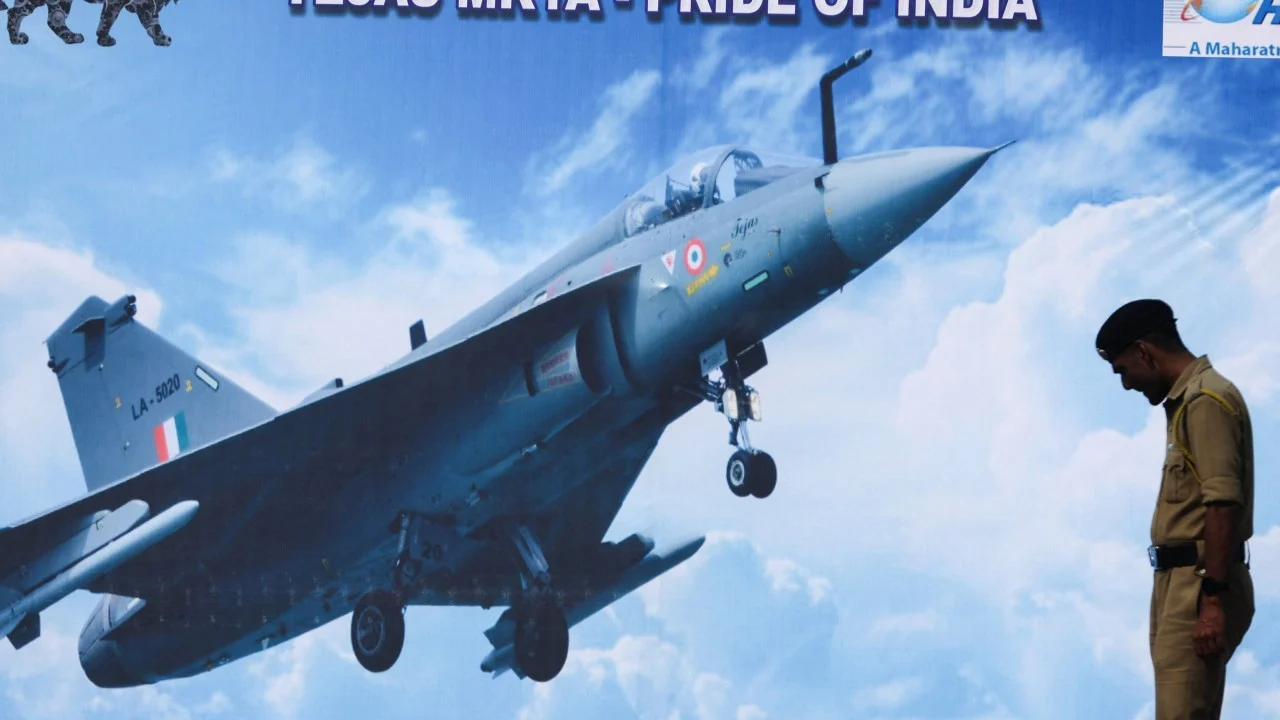
印度对现代化空军抱有雄心勃勃的目标,以国内研发的战斗机机队为核心。然而,这些飞机的生产受到发动机延迟和其他瓶颈的影响,国防分析人士表示,这可能限制其应对未来空中战争的能力。
India has a soaring ambition to modernise its air force, built around a fleet of domestically developed fighter jets. Yet production of these aircraft has been hampered by engine delays and other bottlenecks that defence analysts say could limit its ability to fight future air wars.
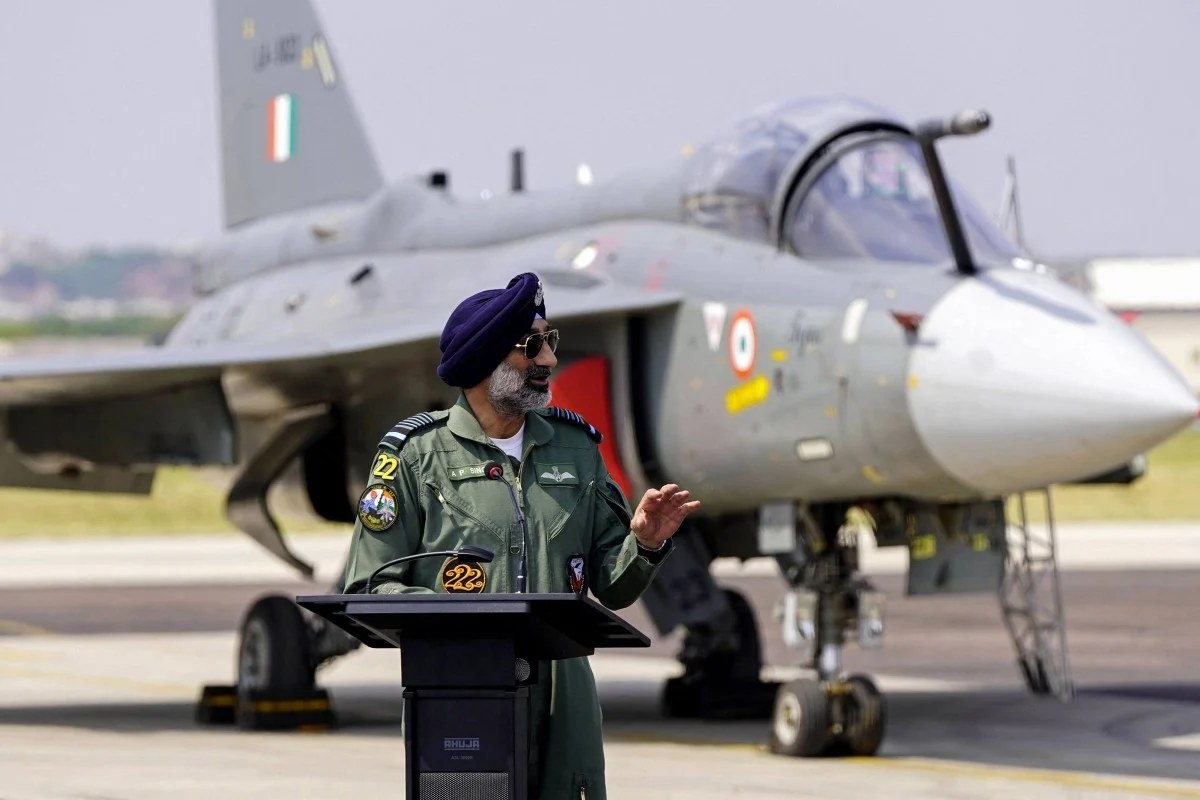
10月11日,在约德普尔的一个空军基地,空军上将A.P. Singh系好安全带,最后一次驾驶“塔吉斯”战斗机。这是他在本月晚些时候退役前的最后一次战斗机出击,他驾驶这架国产战机以示对国家国防工业的支持。
On October 11 at an airbase in Jodhpur, Air Chief Marshal A.P. Singh strapped into a Tejas jet for the last time. It was his final fighter sortie before retiring later this month and he flew it in an Indian-built jet to show support for the country’s domestic defence industry.
一周前,他曾警告印度空军(IAF)面临战斗机中队的严重短缺。“我们每年需要装备两个战斗机中队,”Singh于10月3日表示,并指出“为了实现印度拥有42个战斗机中队服役的目标,每年需要生产36至40架飞机”。“实际上,我们需要的甚至比这更多,”他说。
A week earlier, he had warned that the Indian Air Force (IAF) faced a critical shortage of fighter squadrons. “We need to induct two fighter squadrons every year,” Singh said on October 3, noting that “between 36 and 40 aircraft” would need to be produced annually to meet India’s target of having 42 fighter squadrons in service. “Actually, we need even more than that,” he said.
“塔吉斯”计划始于20世纪80年代,已成为印度发展国防工业的象征。去年,轻型战斗机的Mark 1A型号首次亮相,而Mark 2仍在开发中。
The Tejas programme, which dates back to the 1980s, has become emblematic of India’s drive to build up its domestic defence industry. A Mark 1A variant of the light combat aircraft was unveiled last year and a Mark 2 is still under development.
Mark 1A的装备工作如今终于即将开始,但已延迟了2年半。这是因为来自美国GE航空航天公司的F404发动机交付延迟,以及各种雷达、武器和软件系统的集成时间比计划更长。
Induction of the Mark 1A is only now about to begin, 2½ years late, after the F404 engines needed from US manufacturer GE Aerospace arrived late and the various radar, weapons and software systems took longer to integrate than planned.
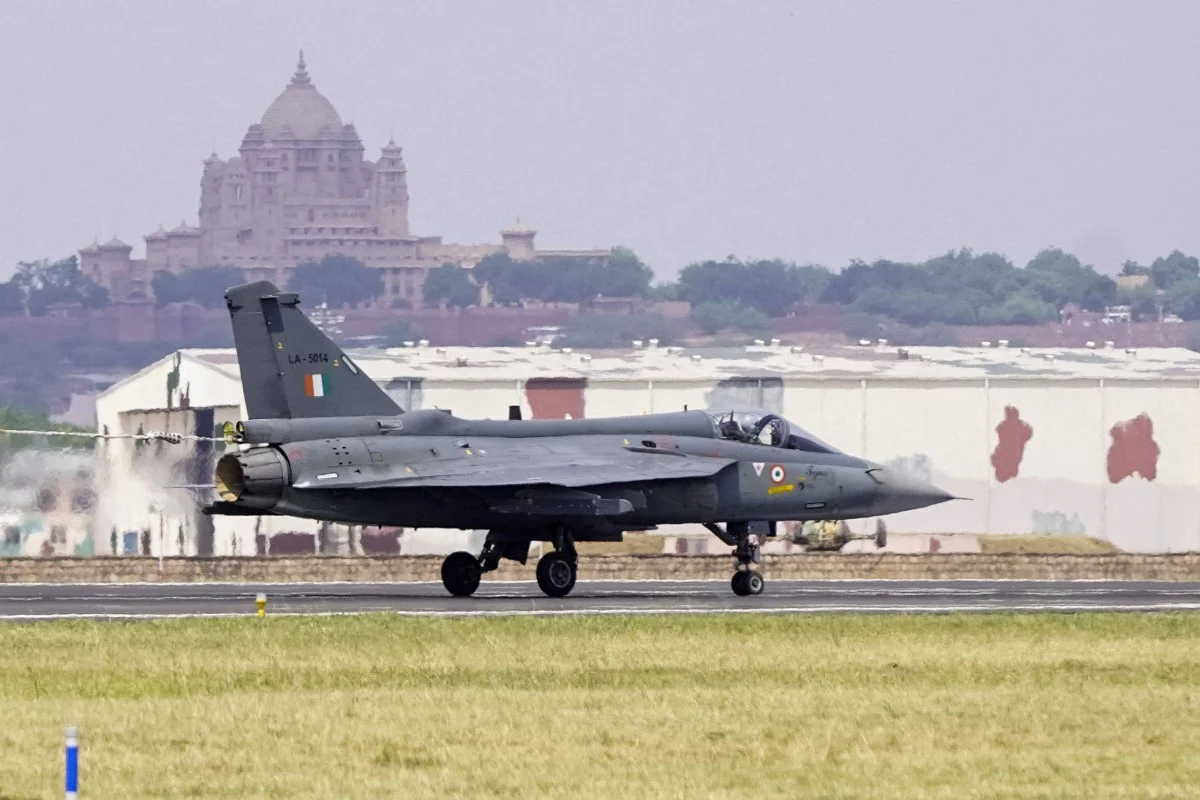
空军副参谋长、空军上将阿舒托什·迪克西特在9月下旬表示,装备工作预计将在一两个月内开始,这是在经历了漫长的开发周期和对飞机航电系统的全面作战评估之后。
Vice-Chief of the Air Staff Air Marshal Ashutosh Dixit said in late September that induction was expected to begin within one or two months, following a protracted development cycle and exhaustive operational evaluations of the aircraft’s avionics suite.
GE Aerospace是Tejas项目的唯一发动机供应商,近期加大了向主要制造商印度斯坦航空有限公司(HAL)的交付力度,8月交付三台F404-IN20发动机,9月又交付四台。迄今已交付14台发动机,而原计划本年底前交付20台。
GE Aerospace, the Tejas programme’s only engine supplier, recently stepped up deliveries to principal manufacturer Hindustan Aeronautics Limited (HAL), shipping three F404-IN20 engines in August and another four engines in September. That makes 14 engines delivered so far, against the 20 that are due to arrive by the end of this year.
国有的HAL计划每年生产24架Tejas战斗机。印度空军已订购83架Mark 1A型,计划再增加97架,并正在积极考虑Mark 2型号。
State-run HAL aims to produce 24 Tejas fighters annually. The IAF has already ordered 83 Mark 1As, wants to add 97 more and is also actively considering the Mark 2 variant.
预测显示,Tejas最终将至少建造350架,可能超过400架,该机预计将成为印度空军未来的中坚力量。
Projections indicate at least 350 – and potentially more than 400 – Tejas will eventually be built, with the aircraft expected to form the backbone of India’s air force in future.
然而,“认证、武器/雷达集成和发动机供应的反复延误表明,国产化仍需要执行,而不仅仅是政策”,退役印度空军空军中将古尔查兰·辛格·贝迪表示。
However, “repeated delays in certification, weapons/radar integration and engine supply show that indigenisation still needs execution, not just policy”, said Gurcharan Singh Bedi, a retired IAF air marshal.
“在获得生产该飞机的能力后,我们只是在谈论规模,规模是可以提升的。但这需要政府非常强烈的关注,以及HAL或任何生产这些飞机的单位做出非常坚定的承诺。”机队减少 印度空军急需替换即将退役的老旧飞机。
“Having acquired the capability to produce the aircraft, we are then just talking of scale, which can be boosted. But it will take a very strong focus by the government and a very hard commitment by HAL or whosoever produces these aircraft.”Fleet depletion India’s air force badly needs replacements for the ageing aircraft that are leaving active service.
印度空军去年9月正式退役了最后一批冷战时期苏联设计的米格-21战斗机,共计36架;另外六个中队的英法联合研制的“美洲豹”对地攻击战斗机计划在2028年至2031年间逐步退役。
The IAF officially retired the last of its Cold War-era Soviet-designed MiG-21 jets in September last year – 36 in total – with another six squadrons of Anglo-French Sepecat Jaguar ground-attack fighters due to be phased out between 2028 and 2031.
为保持其余“美洲豹”机队的飞行状态,印度正在购买英国皇家空军于2007年退役的九架该型飞机,用于提供备件。
To keep the remainder of its Jaguar fleet flying, India is buying nine of the aircraft that Britain’s Royal Air Force retired in 2007 to use for spare parts.
三个中队的米格-29和三个中队的法国设计的幻影2000也计划在2030年代中期至晚期退役。印度空军每个中队约有18架现役飞机,外加三到四架预备机。
Three MiG-29 squadrons and three squadrons of the French-designed Mirage 2000 are set to also be retired through the mid-to-late 2030s. Each IAF squadron contains about 18 active aircraft, plus three or four in reserve.
贝迪同意退役空军总参谋长辛格的评估,即每年大约需要两个新中队,仅仅是为了维持印度现役飞机的数量。
Bedi agreed with outgoing air force chief Singh’s assessment that roughly two new squadrons per year would be needed simply to maintain the number of aircraft India had in service.
印度斯坦航空有限公司(HAL)每年24架泰贾斯战斗机的目标将无法达到这一目标,但他表示,第二个计划可能有助于缩小差距。
HAL’s target of 24 Tejas fighters a year would fall short of that goal, but a second programme could help close the gap, he said.
2月,印度批准从法国购买114架阵风战斗机,作为其多用途战斗机计划的一部分,采取政府间交易方式。
In February, India cleared the purchase of 114 Rafales from France, under a government-to-government deal as part of its Multi-Role Fighter Aircraft programme.
贝迪表示,合计起来,这将使年度交付量接近所需的32架或36架飞机。
Taken together, Bedi said this would bring annual deliveries close to the 32 or 36 aircraft required.
关于阵风战斗机的价格和生产安排的最终谈判仍在进行中,尽管当地媒体报道称,制造商达索航空已同意为该飞机提供50%至60%的“印度制造”含量,以及技术转让和印度武器与系统的集成。
Final talks on price and production arrangements for the Rafales are still pending, though local media reports indicate manufacturer Dassault Aviation has agreed to 50-60 per cent “Make in India” content for the aircraft, as well as technology transfers and the integration of Indian weapons and systems.
贝迪表示,印度战斗机生产的“真正加速”将取决于HAL是否达到或超过每年24架战斗机的目标,来自法国的多用途战斗机是否按时交付,以及退役数量是否不超过引进数量。
Bedi said a “genuine acceleration” of India’s fighter jet production would depend on HAL meeting or beating its target of 24 combat aircraft per year, the timely delivery of multi-role fighters from France and retirements not outpacing inductions.
“总参谋长已经明确了需求,但在近期很难实现,”他谈到辛格的评估时说。“同时,我相信任何事情都是可能的。”“真正的制约”几架新飞机即将到来。泰贾斯Mark 2的首飞预计将在2027年6月至9月之间进行,如果开发进展顺利,首批引进计划定于2030年至2031年。
“The chief has spelled out the requirement, but it’s difficult to meet in the near future,” he said of Singh’s assessment. “At the same time, I believe anything is possible.”‘The real constraint’Several new aircraft are on the way. The first flight of the Tejas Mark 2 is expected between June and September 2027, with initial induction planned for 2030-31 if development stays on track.
印度还希望其第五代隐形战斗机——先进中型战斗机(AMCA)的原型机,在2028年9月前完成试飞。
India also wants to have a prototype of its fifth-generation stealth fighter, the Advanced Medium Combat Aircraft (AMCA), airborne for a test flight by September 2028.
印度塔塔先进系统公司以及由拉森与通博和巴拉特锻造公司领导的国内财团,已提交开发和生产AMCA原型机的投标,而法国赛峰集团则与印度依安斯集团和英国罗罗公司组成的合作伙伴竞争,为AMCA提供发动机。
Bids to develop and produce the AMCA prototype have come in from India’s Tata Advanced Systems and domestic consortiums led by Larsen & Toubro and Bharat Forge, while France’s Safran is competing with a partnership formed by India’s Reliance and Britain’s Rolls-Royce to supply AMCA’s engine.
退役印度陆军准将桑贾伊·伊耶尔表示,这些重叠的项目很可能会遇到另一个瓶颈:他们必须从同一批试飞员、认证人员和集成工程师的资源池中抽调人手。
Sanjay Iyer, a retired Indian Army brigadier, said these overlapping programmes were likely to hit another bottleneck: the fact that they had to draw from the same pool of test pilots, certification staff and integration engineers.
他说:“这是真正的限制,而不是车间空间。” “即使每条Tejas[生产]线满负荷运转,你仍然无法达到每年36到40架的产量。”伊耶尔认为,印度的飞机生产问题最好通过增加国内发动机制造、加强设计纪律以及提升私营企业的作用来解决。
“That is the real constraint, not shop-floor space,” he said. “And even if every Tejas [production] line ran flat out, you would still fall short of 36 to 40 a year.”Iyer argued that India’s aircraft production problems could best be tackled through increased domestic engine manufacturing, design discipline and boosting private industry’s role.
他说,由于设计变更,马克1A的研发耗费了大量时间,并补充道,私营企业——其中一些已经为HAL制造机身和机翼——也应被允许参与飞机的组装。
Much time was lost on the Mark 1A’s development because of design changes, he said, adding that private companies – some of which already made fuselages and wings for HAL – should also be allowed to assemble aircraft.
“只要有一家美国供应商决定你的战机何时起飞,你的产量数据实际上就是他们的产量数据,”伊耶尔谈到Tejas的GE发动机时说道。“而且地缘政治因素也很重要。如果美国的其他利益受到影响,它也不介意施压印度。”他补充说,储备发动机库存虽然昂贵,但可以作为一种临时应对措施。他还进一步指出,将AMCA的研发和制造向国内私营企业开放是一个“好迹象”。
“As long as one American supplier decides when your fighters fly, your output figures are really their output figures,” Iyer said regarding the Tejas’ GE engine. “And geopolitical considerations matter too. The US is not beyond twisting India’s arm if its other interests are affected.”Holding buffer stocks of engines could serve as a costly stopgap solution, he added, further calling the opening of AMCA development and manufacturing to domestic private industry a “good sign”.