2026年,美国和以色列针对伊朗的战争一直是能源领域的头条新闻,但从拉各斯到马尼拉的电网悄然改造,从长远来看可能更具重要意义。
The US and Israeli war against Iran has been the big energy story in 2026, but the quiet retooling of power grids from Lagos to Manila may prove to be of greater significance in the long run.
自2024年以来,亚洲、非洲、拉丁美洲以及中东部分地区的新兴经济体在关键清洁能源部件上的支出已超过世界其他地区,为进一步快速电气化奠定了基础。
Emerging economies across Asia, Africa, Latin America and parts of the Middle East have outspent the rest of the world since 2024 on key clean energy components, setting themselves up for further rapid electrification.
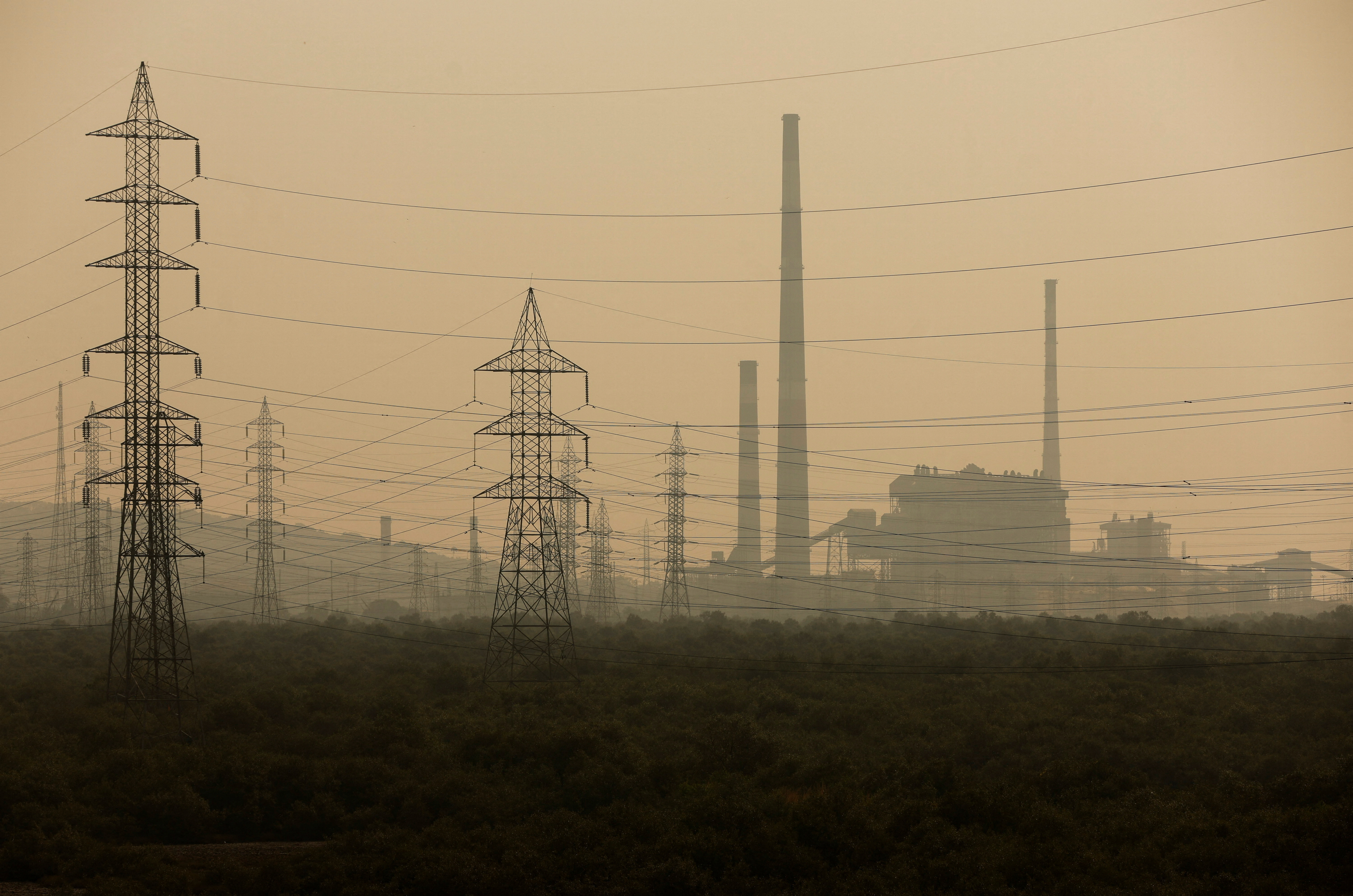
这些投资不仅限于太阳能系统,还包括构建电网所需的硬件,以便将廉价电力输送至家庭、企业和车辆。
And these investments extend beyond solar systems to the hardware needed to build power networks that can carry cheap electricity to homes, businesses and vehicles.
智库Ember的数据显示,自2024年初以来,全球南方国家在三类中国制造技术上的支出占全球总支出的一半以上:电网设备、制冷系统和太阳能阵列。
Since the beginning of 2024, the countries of the Global South have accounted for over half of the worldwide spending on three key sets of China-made technology: grid equipment, cooling systems, and solar arrays, data from think tank Ember shows.
电气化能源系统所需部件以及扩大电力分配投资的这种同步增长,表明新兴市场正在进行广泛的系统建设。
This synchronized climb in investments in the components needed to electrify energy systems and scale up electricity distribution indicates broad system-building across emerging markets.
电网全面升级反过来将使下一阶段的电气化更快、更便宜,因为这将使公用事业公司能够更好地纳入更多可再生能源供应,将电力接入扩展到更多客户,并改善全国电网的电力流动管理。
Network-wide grid upgrades in turn should make the next phase of electrification both faster and cheaper, as they will allow utilities to better incorporate even more renewable energy supplies, expand energy access to more customers, and allow for improved power flow management across national grids.
太阳能阵列价格低廉、安装简便,长期以来一直被认为是大多数新兴市场能源转型的全部范围。
Solar arrays are cheap and easy to install, and have long been assumed to be the extent of most emerging market forays into the energy transition.
但中国制造电网设备的进口趋势数据显示,新兴市场电力系统更深入、更广泛的建设正在进行中。
But data on import trends of China-made grid equipment reveal that a deeper and more widespread build-out of emerging market power systems is well underway.
Ember的数据显示,包括印度、巴基斯坦、菲律宾、巴西、南非和越南在内的经济体,自2024年初以来在进口变压器、开关设备和输电电缆上的支出已超过253亿美元。
Spending by economies including India, Pakistan, the Philippines, Brazil, South Africa and Vietnam on imported transformers, switch gear and transmission cables has topped $25.3 billion since the start of 2024, Ember data shows.
这与全球其他地区在同一时期对相同组件的238亿美元支出相比,意味着新兴经济体在过去三年中承担了电网升级支出的大部分。
That compares to $23.8 billion spent on the same components by the rest of the world over that same period, and means that emerging economies have accounted for the lion's share of spending on grid upgrades for most of the past three years.
对电网组件的如此大额支出表明,公用事业公司正在展示其在加强和延伸电力网络方面的系统层面雄心,并正在为进一步增长做好准备。
Such heavy spending on grid components means that utilities are signalling serious system-level ambition when it comes to strengthening and extending their power networks, and are readying them for additional growth.
电网基础设施的缺乏历来一直是可再生能源供应的瓶颈,因此升级后的电网可以更轻松地提高可再生能源输出水平,同时保持电力供应的连续性。
A lack of grid infrastructure has historically acted as a bottleneck for renewable energy supplies, so networks with upgraded grids can more easily dial up their renewable energy output levels while keeping electricity supplies flowing.
全球南方经济体在供暖和制冷设备上的支出也超过了世界其他地区,自2024年1月以来,新兴经济体在这些设备上的支出接近260亿美元,而世界其他地区的支出为210亿美元。
Global South economies have also outspent the rest of the world on heating and cooling equipment, with emerging economies spending close to $26 billion since January 2024 compared to $21 billion by the rest of the world.
在炎热且快速增长的城市中,空调需求是电力需求的一个主要且不断增长的来源。
In hot and fast-growing cities, demand for air conditioners is a major and rising source of electricity demand.
虽然这些设备的使用会增加来自清洁能源和化石燃料的总体电力需求,但底层电网的同步建设使公用事业公司能够提前应对负荷增长,并使整体系统具备容纳更多可再生能源发电的能力。
While the use of this equipment adds to overall power demand from both clean and fossil fuel sources, the simultaneous build-out of the underlying grid allows utilities to get ahead of that load growth and position the broader system to accommodate greater renewable energy generation.
全球南方自2024年以来在光伏太阳能系统上的支出达到近470亿美元,而世界其他地区的支出为370亿美元。
The Global South has spent nearly $47 billion on photovoltaic solar systems since 2024, compared to $37 billion by the rest of the world.
自2024年初以来,中国太阳能系统在全球支出中占比55.4%,这导致新兴市场电力系统中太阳能部署出现显著激增。
That 55.4% share of global spending on Chinese solar systems since the start of 2024 has resulted in a dramatic surge in the deployment of solar power within emerging market electricity systems.
每块太阳能板还代表一种无需为发电而进口的燃料量,并有助于提升当地对未来进一步可再生能源部署的支持。
Each panel also represents a quantity of fuel that never needs to be imported for power production, and helps boost local support for additional renewable energy deployment going forward.
全球南方经济体也大幅增加了对中国电动汽车的进口,这表明它们的交通系统也正以创纪录的速度实现电气化。
Global South economies have also rapidly increased their imports of Chinese EVs, which shows that their transportation systems are also being electrified at a record pace.
根据Ember的数据,富裕经济体继续占中国电动汽车进口的大多数,截至2026年前八个月,它们在该领域的支出达到1165亿美元。
Wealthier economies continue to account for a majority of Chinese EV imports, and over the first eight months of 2026 spent $116.5 billion on them, according to Ember.
但新兴市场正在赶上这一支出趋势,截至目前,它们今年在进口中国电动汽车上的支出已达732亿美元。
But emerging markets are catching up on that spending, and coughed up $73.2 billion so far this year on imported Chinese EVs.
与2023年同期仅6亿美元的支出相比,新兴市场的这一增长凸显了电动汽车成本快速下降以及充电基础设施日益普及如何推动各市场电动汽车的采用。
That emerging market spend compares to only $6 billion on Chinese EVs during the same months of 2023, and so highlights how rapidly declining EV costs alongside more accessible charging infrastructure is driving EV uptake in all markets.
全球南方在对中国储能电池系统的支出方面仍落后于世界其他地区。
The Global South lags the rest of the world in terms of spending on Chinese battery energy storage systems.
自2024年以来,发达经济体占中国储能电池总支出的71%,而新兴经济体仅占29%。
Developed economies have accounted for 71% of the total spend on Chinese batteries since 2024, with emerging economies accounting for only 29%.
如果没有电池,以太阳能为主的电网将面临广泛的弃电风险以及夜间电价飙升的问题,因为太阳能发电在夜间停止。
And without batteries, solar-heavy power grids run the risk of widespread curtailment and nightly power price spikes as solar production stops.
然而,即使在这种情况下,全球南方的投资也在快速增长:从2024年1月至8月的约90亿美元增至今年同期的210亿美元。
However, even here the Global South's investments are rising quickly, from around $9 billion during January to August of 2024 to $21 billion during those months this year.
进口数据的另一个重要方面是,其计价单位为美元,而近年来中国的清洁技术价格已大幅下降。
Another important aspect of the import data is that it is measured in US dollars, and China's clean tech prices have fallen sharply in recent years.
这意味着每美元的支出如今能购买到更多的容量,表明实际的建设规模可能甚至大于单纯的支出数字所显示的规模。
This means that each dollar spent buys more capacity than it did before, and indicates that the physical build-out is likely even larger than the spending figures alone suggest.
综合来看,自2024年初以来,全球南方经济体在进口中国清洁能源技术上的支出累计约达2350亿美元。
All told, the economies of the Global South have spent roughly $235 billion on imported Chinese clean energy technology since the start of 2024.
这些支出在伊朗战争的后续影响中被很大程度上忽视了,而这场战争仍在扰乱全球石油和燃料市场。
Those expenditures have been largely overlooked amid the fallout from the war with Iran, which continues to roil global oil and fuel markets.
但整个冲突期间 — — 事实上,就在冲突之前的几年里 — — 新兴市场一直在为更现代化的电力系统奠定基础,这些系统日常使用对进口燃料的依赖程度越来越低。
But throughout the entire conflict — and indeed during the years before it — emerging markets have been laying the foundations for more modern power systems that are less and less reliant on imported fuels for daily use.
如果储能容量、融资渠道和当地能源政策能够跟上已经到位的硬件设施,全球南方有望实现比任何地区都更快的电气化进程。
And if storage capacity, access to finance and local energy policies can keep pace with the hardware already arriving, the Global South has the chance to electrify faster than any region before it.
霍尔木兹海峡是否会完全重新开放尚不确定。但变压器不会去任何地方。此处表达的观点均为作者个人观点,作者为路透社专栏作家。
The Hormuz may or may not open fully again. The transformers aren't going anywhere.
喜欢这一专栏?请查看路透社公开利益(ROI),这是您获取全球金融评论的必备新来源。在领英上关注ROI。
The opinions expressed here are those of the author, a columnist for Reuters.