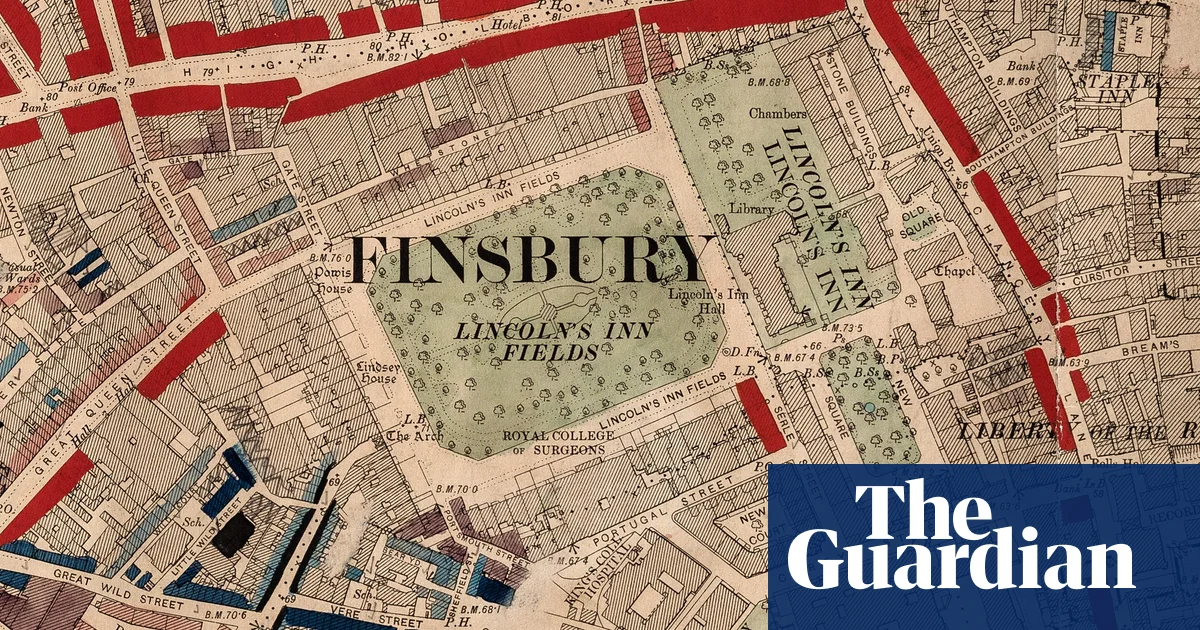
维多利亚时期伦敦的地图呈现出一个色彩鲜明的错综复杂的街道、小巷和贫民窟紧密聚集的区域。被标为黑色和深蓝色的街道被归类为“非常贫困”,定义为“长期匮乏”。浅蓝色的街道则属于贫困——“普通家庭每周收入18先令到21先令”。粉色街道住着那些“生活相当舒适”的人,而富人居住的地方则用黄色标出。
of Victorian London show a vivid colour-coded warren of streets, alleyways and slums tightly packed together. Those marked black and dark blue were classed as being "very poor", defined by "chronic want". The light blue ones were poor – "18s to 21s a week for a moderate family". Pink streets housed those who were "fairly comfortable", and those where the wealthy lived were marked in yellow.
这位英国社会改革家的地图相当于19世纪的现代剥夺指数,该指数按社会和经济劣势程度对英国的每个地理区域进行排名。将两者进行对比,既展示了过去150年里发生了多么巨大的变化,也展示了哪些方面没有改变。历史上的贫民窟已被清除,住房条件总体上也得到了改善,但极端贫困和极端财富继续在首都并存。
The maps by the British social reformer are the 19th-century equivalent of the modern-day indices of deprivation which rank every geographic area of the UK by its level of social and economic disadvantage. Comparing the two shows how much has changed in the past 150 years – but also what hasn't. Historical slums have been cleared away and housing conditions have generally improved, but extreme poverty and extreme wealth continue to live side by side in the capital.
布思的地图构成了参议院大厦图书馆一场名为《一个可以称之为家的地方》的新展览的核心,该展览记录了过去200年里伦敦住房和贫困的历史。学术图书馆员兼策展人穆拉·戈什表示:“我们可能不像维多利亚时代那样拥有那种贫民窟,但许多租房居住的人的居住条件仍然存在问题。这些问题是连续的——延续性和变化构成了整个展览背后的核心思考。”
Booth's maps form the backbone of a new exhibition at Senate House library titled A Place to Call Home which charts the history of housing and poverty in London over the past 200 years. "We may not have the same sort of slums that we used to in Victorian times but there are still issues with living conditions for many people living in rented accommodation," says academic librarian and curator Mura Ghosh. "These issues are on a continuum – continuity and change underline the whole thinking behind this exhibition."
这场展览由伦敦大学和伦敦政治经济学院合作举办,回顾了过去两个世纪中动荡的住房时间线,包括战时及战后重建、住宅区建设、住房政策的变更,以及驱逐和非法侵占。人们将能够把布思的地图与一台显示当前剥夺指数的笔记本电脑对照观看,从而了解他们自己邮政编码区域的条件随时间发生了怎样的变化。
A collaboration between the University of London and the London School of Economics (LSE), the exhibition looks at the turbulent timeline of housing over the past two centuries, including wartime and postwar redevelopment, the building of estates and changing housing policy, as well as eviction and squatting. People will be able to view Booth's maps alongside a laptop displaying the current indices of deprivation, so they can see how conditions in their own postcode have changed over time.
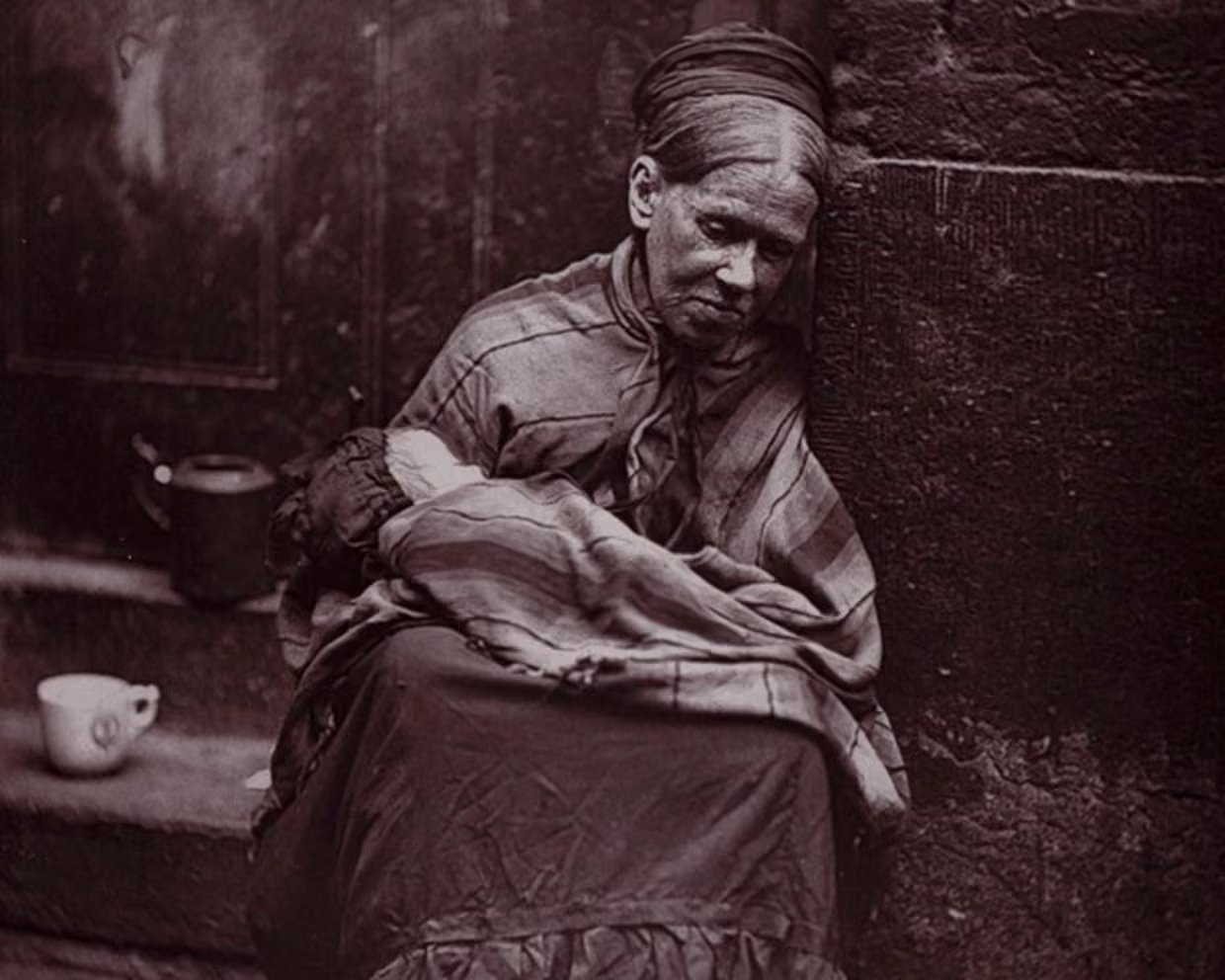
策展人还从布斯的笔记本中挑选出他对普通伦敦工作者进行访谈的个别故事,例如在德鲁里巷剧院工作的合唱女孩,她谈到了自己连裤袜的花费。“我们想要突出这些伦敦个人生活的故事,因为人们能够共情并产生共鸣。他们在谈论140年前的城市,但人们仍会发现其中有可亲之处,”LSE策展人印迪·布哈尔说。
The curators have also picked out individual stories from Booth's notebooks detailing interviews he conducted with ordinary working Londoners, such as a chorus girl working at Drury Lane theatre who talked about how much her tights cost. "We wanted to bring out these stories of individual lives in London because that's what people can empathise with and feel connected to. They're talking about a city 140 years ago, but there will still be things people find relatable," says LSE curator Indy Bhullar.
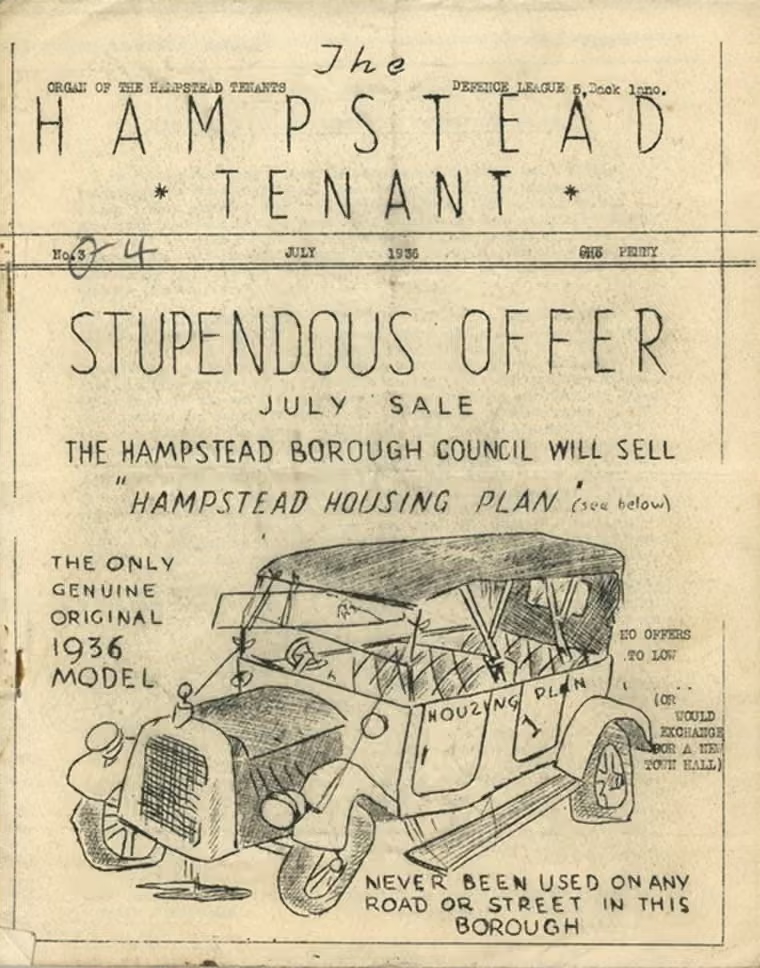
展览中最珍贵的展品之一是1936至1939年汉普斯特德租户防御联盟发行的一套宣传单。这些是最早的集体租户抵抗实例之一,记录了抗议活动、租金罢工、对清除贫民窟的反对以及对地方议会的挑战。“这是一段相当独特的历史,而且在学术图书馆中发现它也完全出乎意料,”戈什说。“它们插图精美,且由自制纸张和订书钉构成。”
One of the exhibition's rarest objects is a set of pamphlets from the Hampstead Tenants' Defence League from 1936-39. Some of the earliest examples of collective tenant resistance, they document protests, rent strikes, opposition to slum clearances and challenges to the local council. "It's quite a unique piece of history, and also utterly unexpected to find in an academic library," says Ghosh. "They're beautifully illustrated, and constructed from homemade paper and staples."
展览展示了这一新兴的集体抵抗运动在随后几十年中如何逐渐巩固。其中有一本1974年的占屋者手册,提供了实用和法律方面的建议,教人如何占屋,包括如何更换门锁、自行进行管道维修以及如何抵御法警。
The exhibition shows how the burgeoning collective resistance movement solidified over the subsequent decades. There's a 1974 squatters' handbook with practical and legal advice on how to squat, including how to change the locks, do your own plumbing and resist bailiffs.
“集体行动、租金罢工和抗议,以及鼓励人们不要对未来感到绝望 — — 这是一个重要的信息,因为人们常常觉得自己在住房问题上是孤立无援的,” 参议院图书馆的策展人兼学术图书管理员艾米莉·楚说。“展览表明,共同努力有时能产生更大的影响和更响亮的声音,政府能够听见。” 进入现代部分,展览将播放圣芒戈组织中曾经历无家可归者的访谈音频记录,并探讨高租金和恶劣住房条件如何持续至今。
"Collective action, rent strikes and protests, and encouraging people not to feel hopeless about the future – that's an important message because people often feel like they're alone in their housing situation," says Emily Chu, a fellow curator and academic librarian at Senate House library. "The exhibition shows that working together sometimes creates a much bigger impact and a louder voice the government can hear." Moving towards the present day, there will be audio recordings of interviews with people from St Mungo's who have experienced homelessness, and discussion of how high rents and poor housing conditions persist into the present day.
住房成本计入后,约27%的伦敦人处于相对贫困状态,这一比例在英格兰最高,高租金和住房开支是该地区贫困的主要驱动力。与英格兰其他地区相比,伦敦的社会住房中潮湿和霉菌问题发生率 disproportionately 高 — — 英格兰收到投诉量最高的10个地方当局中有8个位于首都。
About 27% of Londoners live in relative poverty after housing costs are factored in the highest rate in England, with high rent and housing expenses the primary driver of poverty in the region. London has disproportionately high rates of damp and mould in social housing compared with other English regions – eight of the 10 local authorities in England receiving the highest volume of complaints are in the capital.
策展人希望参观者能在留言墙上分享他们自身的经历。他们还呼吁当前正在就住房问题开展行动的团体保存并捐赠他们的资料,以便延续住房行动的历史。
The curators hope visitors will share their own experiences of this on the comment wall. They also call for groups who are campaigning on housing issues today to keep and donate their materials so the history of housing action can be continued.