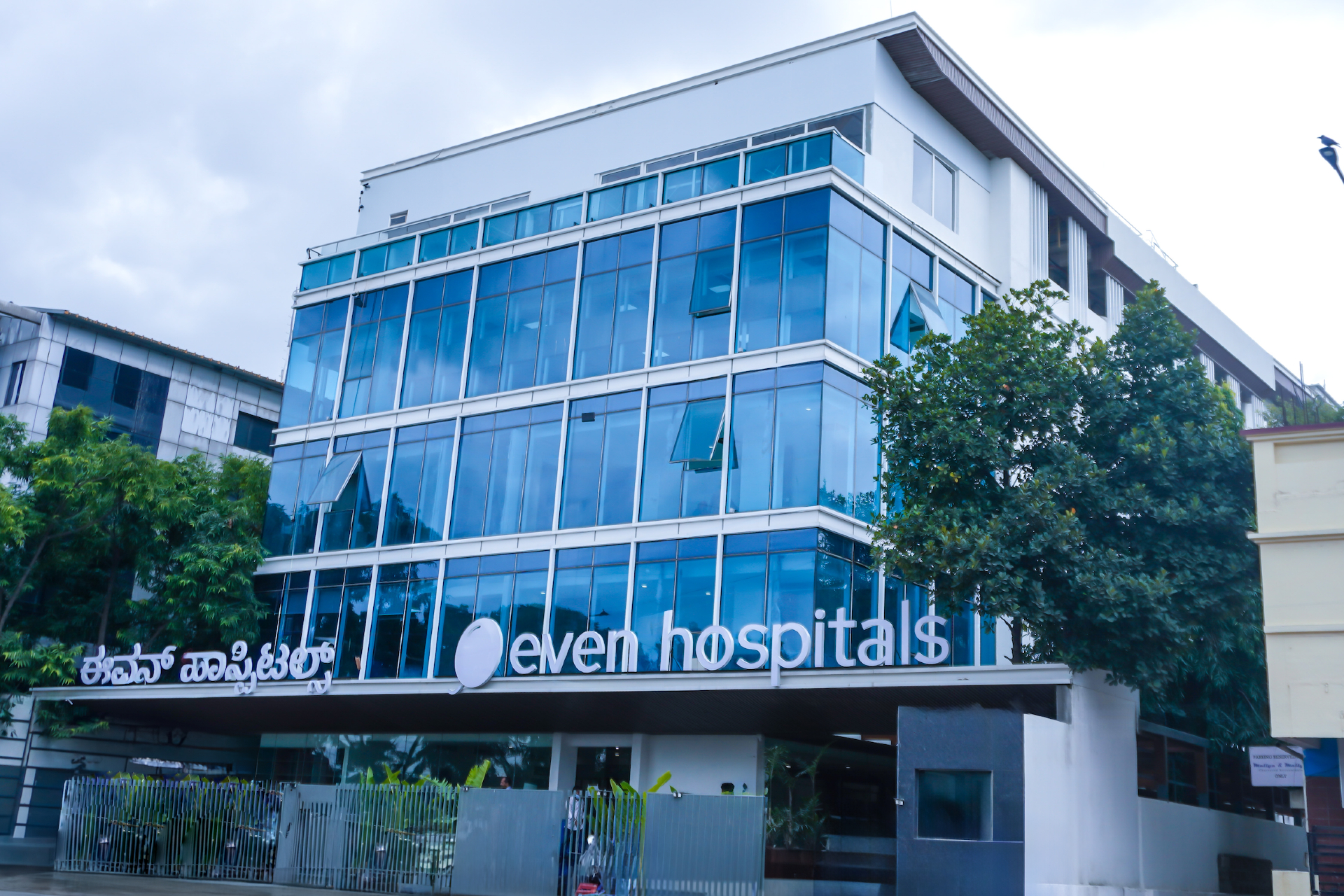
在Khosla Ventures领投的一轮融资中,Even Healthcare筹集了5000万美元。这家印度初创公司正试图改变这个世界人口第一大国的医院盈利方式以及医生的薪酬机制。
Even Healthcare has raised $50 million in a funding round led by Khosla Ventures, as the Indian startup seeks to change how hospitals in the world’s most populous country make money and how doctors are rewarded.
据Even称,这轮全股权的B轮融资还有Alpha Wave参与,使其估值达到3亿美元,是18个月前估值的三倍。最新融资使得Even筹集的资金总额超过1.2亿美元。
The all-equity Series B round also saw participation from Alpha Wave and valued it at $300 million, triple its valuation 18 months ago, according to Even. The latest funding brings Even’s total capital raised to more than $120 million.
印度的医院通常在患者接受额外的检查、程序或更长的住院时间时获得更多收入,哪怕这些并非患者所需。Even希望通过专注于患者护理,而不是推销会推高医疗费用的不必要治疗来改变这种状况。
Hospitals in India typically earn more when patients undergo additional tests, procedures, or longer stays, even when they may not need them. Even wants to change that by focusing on patient care rather than pushing unnecessary treatments that drive up medical bills.
这种方法继续吸引着Khosla Ventures,该风险投资公司自2021年Even的种子轮融资起便一直参与投资。随着Even着手建立和运营自己的医院,从而对患者护理和成本获得更大的控制权,这家硅谷风投公司正在加码投资。
That approach has continued to appeal to Khosla Ventures, which has invested in Even since its seed round in 2021. The Silicon Valley venture firm is doubling down as Even moves to build and operate hospitals of its own, giving it greater control over patient care and costs.
Khosla Ventures创始人维诺德·科斯拉(Vinod Khosla)表示,Even的方法通过将融资、技术和医疗服务交付结合起来,超越了对碎片化医疗系统各个部分的单点修复。他在一份准备好的声明中说,其目标是奖励更好的健康成果,而不是医疗服务的更多使用。
Vinod Khosla, founder of Khosla Ventures, said Even’s approach goes beyond fixing individual parts of a fragmented healthcare system by bringing financing, technology, and care delivery together. The goal, he said in a prepared statement, is to reward better health outcomes rather than greater use of healthcare services.
科斯拉说:“迄今为止的临床和经济成果让我们确信,这可以成为印度乃至其他地区医疗保健的一个重要新模式。”
“The clinical and economic results so far give us conviction that this can become an important new model for healthcare in India and beyond,” Khosla said.
最初,Even依赖合作医院来治疗其会员,但联合创始人马扬克·班纳吉(Mayank Banerjee)在接受采访时表示,在发现患者接受了被认为是不必要的检查或被建议进行手术后,这家初创公司开始对这种模式产生质疑。
Initially, Even relied on partner hospitals to treat its members, but co-founder Mayank Banerjee said in an interview that the startup began questioning that model after finding that patients had undergone tests or been recommended surgeries it considered unnecessary.
班纳吉告诉TechCrunch:“我们认为患者不仅体验糟糕,保险公司也没有得到合算的经济回报。因此,我们决定通过建立自己的医院来解决这个问题。”
“We think patients are getting not only a bad experience, but insurers are getting a bad economic deal. And as a result, we decided to fix it by building our own hospitals,” Banerjee told TechCrunch.
班纳吉表示,自那以后,Even在班加罗尔开设了两家医院,这两家医院都在开业一年内实现了运营盈利(不计折旧)。这家初创公司计划利用最新一轮融资,在未来六个月内在印度南部这座城市再开设五家医院。
Even has since opened two hospitals in Bengaluru, both of which reached operational profitability, excluding depreciation, within a year of opening, Banerjee stated. The startup plans to open five more hospitals in the southern Indian city over the next six months, funded by its latest round.
班纳吉告诉TechCrunch,Even以20年的协议租赁医院大楼,并将资金用于装修和购买医疗设备。
Banerjee told TechCrunch that Even leases hospital buildings on 20-year agreements and spends on fitting them out and buying medical equipment.
与那些医生可能有经济动力推荐更多医疗程序的医院不同,Even向医生支付固定薪水——不将他们的薪酬与他们执行的检查或手术数量挂钩,不过班纳吉表示,医生可以根据患者报告的临床结果获得奖金。
Unlike hospitals where doctors may have financial incentives to recommend more procedures, Even pays its doctors fixed salaries — not tying their compensation to the number of tests or surgeries they perform, though Banerjee said doctors can earn bonuses based on patient-reported clinical outcomes.
班纳吉告诉TechCrunch,同样的原则也适用于医院管理层,他们的薪酬与执行的医疗程序数量无关。他说,管理者获得薪水和公司层面的激励,而营销团队则专注于吸引患者,而不是这些患者产生的收入。此外,包括医生和其他医院员工在内的每一位员工都会获得Even的股权。其理念是让员工参与初创公司的长期业绩,而不是奖励他们产生更多的医疗账单。
The same principle extends to hospital management, whose compensation is not linked to the number of procedures performed, Banerjee told TechCrunch. Managers, he said, receive salaries and company-wide incentives, while marketing teams focus on bringing in patients instead of the revenue those patients generate. Moreover, every employee, including doctors and other hospital staff, receives equity in Even. The idea is to give employees a stake in the startup’s long-term performance, not to reward them for generating more medical bills.
班纳吉说,Even的大部分收入来自患者支付的治疗费用。这家初创公司还通过与保险公司的合作关系产生收入。它还与保险合作伙伴合作开发一种模式,该模式可以对它帮助预防的住院治疗进行补偿,而不仅仅是提供更多治疗。
Most of Even’s revenue comes from patients paying for treatment, Banerjee said. The startup also generates revenue through its relationships with insurers. It is also working with insurer partners on a model that could compensate it for hospitalizations it helps prevent, not simply for providing more treatment.
班纳吉告诉TechCrunch,Even使用既定的医疗评分系统追踪患者治疗后的康复情况。例如,在膝关节置换手术中,它使用牛津膝关节评分来测量疼痛和活动能力。该初创公司在其网站上公布结果,并附上来自其他医疗系统的数字以供对比。
Banerjee told TechCrunch that Even tracks how patients recover after treatment using established medical scoring systems. In the case of knee replacements, for instance, it uses the Oxford Knee Score to measure pain and mobility. The startup publishes results on its website, alongside figures from other healthcare systems for comparison.
Even表示,其医院的非计划再入院率不到1%,而行业基准为8%至15%。此外,它声称患者在医院的时间减少了40%,其方法为保险公司节省了超过5亿卢比(约合527万美元)。
Even says its hospitals have an unplanned readmission rate of less than 1%, compared with an industry benchmark of 8% to 15%. Furthermore, it claims patients spend 40% less time in the hospital and that its approach has saved insurers more than ₹500 million (about $5.27 million).
Khosla Ventures合伙人杰伊·萨杰纳尼(Jai Sajnani)告诉TechCrunch,Even医院的早期表现是该公司领投此轮融资的关键原因。他说:“我们期待帮助Even团队让班加罗尔以及全印度每个家庭都能获得优质医疗服务。”
Jai Sajnani, a partner at Khosla Ventures, told TechCrunch that the early performance of Even’s hospitals was a key reason the firm led the round. “We look forward to helping the Even team put quality care within reach of every family in Bengaluru and across India,” he said.
不过,Even仍在亏损。监管文件显示,在2025财年,Even的营收为2.72亿卢比(约合286万美元),净亏损达9.02亿卢比(约合950万美元),比上一年增加近25%。
Even is still losing money, though. The startup posted a net loss of ₹902 million (about $9.50 million) in fiscal 2025, nearly 25% more than the previous year, on revenue of ₹272 million (about $2.86 million), regulatory filings show.
据印度初创公司新闻网站Entrackr报道,8月份,Even还裁员约350人。班纳吉承认了这次重组,并称这是一个艰难的决定。他说,受影响的员工获得了遣散费、延长的健康保险以及加速的股权归属。
In August, Even also laid off about 350 employees, according to Indian startup-news website Entrackr. Banerjee acknowledged the restructuring and called it a difficult decision. He said the affected employees received severance, extended health insurance, and accelerated equity vesting.
班纳吉表示,Even目前拥有约650名员工,其中包括约300名全职医生。自2021年成立以来,该初创公司拥有约25万名会员,并记录了超过75万次患者互动,包括咨询、诊断测试和手术。G班纳吉告诉TechCrunch,如果Even停止在扩张上的支出,它可能会在几个月内扭亏为盈,但这家初创公司选择继续增长。他拒绝透露该初创公司预计何时能实现盈利。班纳吉说:“目前,我们正在投资于增长并服务更多患者。”
Even currently employs about 650 people, including around 300 doctors full-time. The startup has about 250,000 members and has recorded more than 750,000 patient interactions since its launch in 2021, including consultations, diagnostic tests, and surgeries, Banerjee said. Banerjee told TechCrunch that Even could turn profitable within months if it stopped spending on expansion, but the startup is choosing to grow instead. He declined to say when the startup expects to become profitable. “Right now, we’re investing in growth and serving more patients,” Banerjee said.