
珍娜·波斯特并不反对人工智能——事实上,作为科技行业从业者,她经常使用它。但作为一名家长,她对人工智能如何、何时以及为何被引入年轻人中深感担忧。
Jenna Poste is not opposed to artificial intelligence — in fact, she uses it all the time as someone who works in the tech industry. But as a parent, she’s highly concerned about how, when and why it’s being introduced to young people.
在新斯科舍省,没有全省统一的政策明确规定人工智能在课堂上应如何使用。省政府表示,由各地区教育中心自行制定关于该技术的规则。
In Nova Scotia, there is no provincewide policy explicitly stating how AI should be used in the classroom. The provincial government says it’s up to regional centres for education to make their own rules about the technology.
“我们需要一致性,”波斯特说,她是全国倡导组织“技能优先于屏幕”的成员。“我们真的应该采取谨慎的态度。
“We need to have consistency,” said Poste, a member of the national advocacy group Skills Before Screens. “We should really be taking a cautious approach.
“我们不应该像对待其他技术那样推进它。我们只是假设它对学习有帮助,却没有实际数据来支持这一点。”CBC新闻联系了各地区教育中心以及法语学校委员会,询问其人工智能政策。他们的做法各不相同。
“We shouldn’t be pushing forward like we have with our other technologies. We just assume it’s going to be helpful to learning without actually having the data that supports it.”CBC News reached out to the regional centres for education, as well as the francophone school board, to ask about their AI policies. Their approaches vary.
例如,哈利法克斯和奇格内克托-中央地区教育中心已制定书面指南,而在布雷顿角-维多利亚学区,人工智能的使用因年级而异,教师必须“自行判断”。曾被贴上“作弊机器”标签的人工智能,在哈利法克斯学校中被谨慎接纳。新不伦瑞克省正将人工智能融入其K-12课程,引来赞誉——也引来反对。安纳波利斯谷地区教育中心表示,它“遵循教育部的省级课程和指导”,并设有教育技术团队支持教师和学校工作人员。
For example, the Halifax and Chignecto-Central regional centres for education have guidelines in writing, while in the Cape Breton-Victoria district, use of AI varies by grade level and teachers must “use their judgement.”Once labelled a 'cheating machine,' AI cautiously embraced in Halifax schools New Brunswick is weaving AI into its K-12 curriculum, drawing praise — and pushback The Annapolis Valley Regional Centre for Education said it “follows provincial curriculum and guidance” from the Department of Education, and has an educational technology team to support teachers and school staff.
南岸和三县地区教育中心表示,他们专注于确保学生学习基础知识,同时他们“正在积极监控人工智能在教育领域的出现,以识别潜在机遇。”海峡地区教育中心正在制定计划,为学生和教职员工提供人工智能指南和资源。阿卡迪亚省教育委员会目前尚未制定政策,但已任命一个委员会来制定政策。
The South Shore and Tri-County regional centres for education said they are focused on ensuring students learn the fundamentals, while they are “actively monitoring the emergence of AI in education to identify potential opportunities.”The Strait Regional Centre for Education is finalizing a plan to provide AI guidelines and resources for students and staff. The Conseil Scolaire Acadien Provincial does not currently have a policy, but has appointed a committee to develop one.
教育部高级执行主任克里斯·博尔特表示,政府致力于确保全省学生无论居住何地都能获得相似的学习体验。
Chris Boulter, senior executive director for the Department of Education, said the government strives to ensure students across the province have similar experiences no matter where they live.
当被问及该部门是否将为全省课堂制定人工智能指南时,他说这是一场“持续的对话”。他表示,官员们正在监控其他司法管辖区的做法。
Asked whether the department will develop provincewide guidelines for AI in classrooms, he said it's an "ongoing conversation." He said officials are monitoring what other jurisdictions are doing.
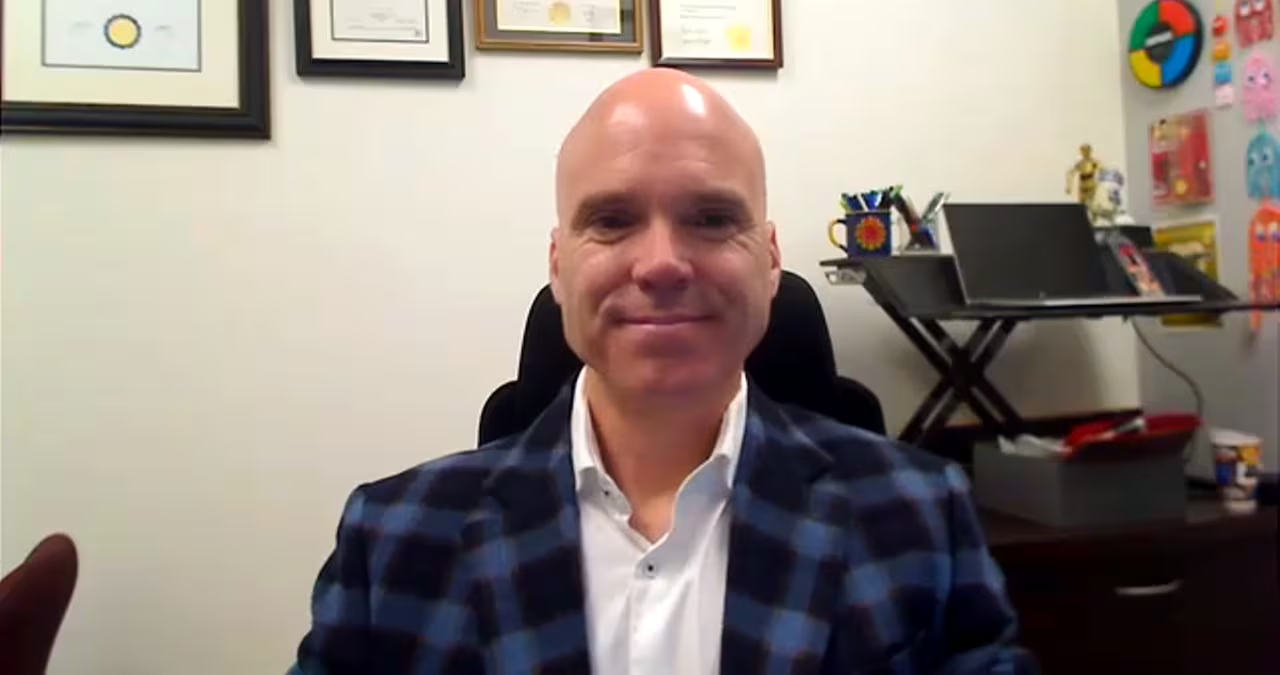
博尔特强调,该部门的首要重点是确保学生具备读写、数学和批判性思维能力。
Boulter emphasized the department's primary focus is to ensure students have literacy, math and critical thinking skills.
他说:“我们认为这能让他们很好地利用人工智能来提升学习。”但他补充道:“不过,我再次强调,这些基础技能并未因人工智能而消失。相反,这促使我们在努力上加倍投入。”
"We feel that sets them up very well to use artificial intelligence to improve their learning," he said. "But again, I can't stress enough, those foundational skills have not gone away because of AI. If anything, it's caused us to really double down on our efforts." Peter Day, president of the Nova Scotia Teachers Union, said many of his members have reverted to in-class assessments on paper because it’s not uncommon for students to hand in work that’s been obviously generated by a chatbot.
新斯科舍省教师工会主席彼得·戴表示,许多成员已恢复使用纸质课堂评估,因为学生提交明显由聊天机器人生成的作业并不罕见。他表示,如果没有防护措施,人工智能无法在学校系统中存在。
He said AI cannot exist in the school system without guardrails in place.
他将其比作在工业艺术课上先教学生如何安全使用带锯,然后才让他们自由尝试使用该工具。
He compared it to students being taught how to safely use a bandsaw in an industrial arts class before they're given free reins to try out the tool.
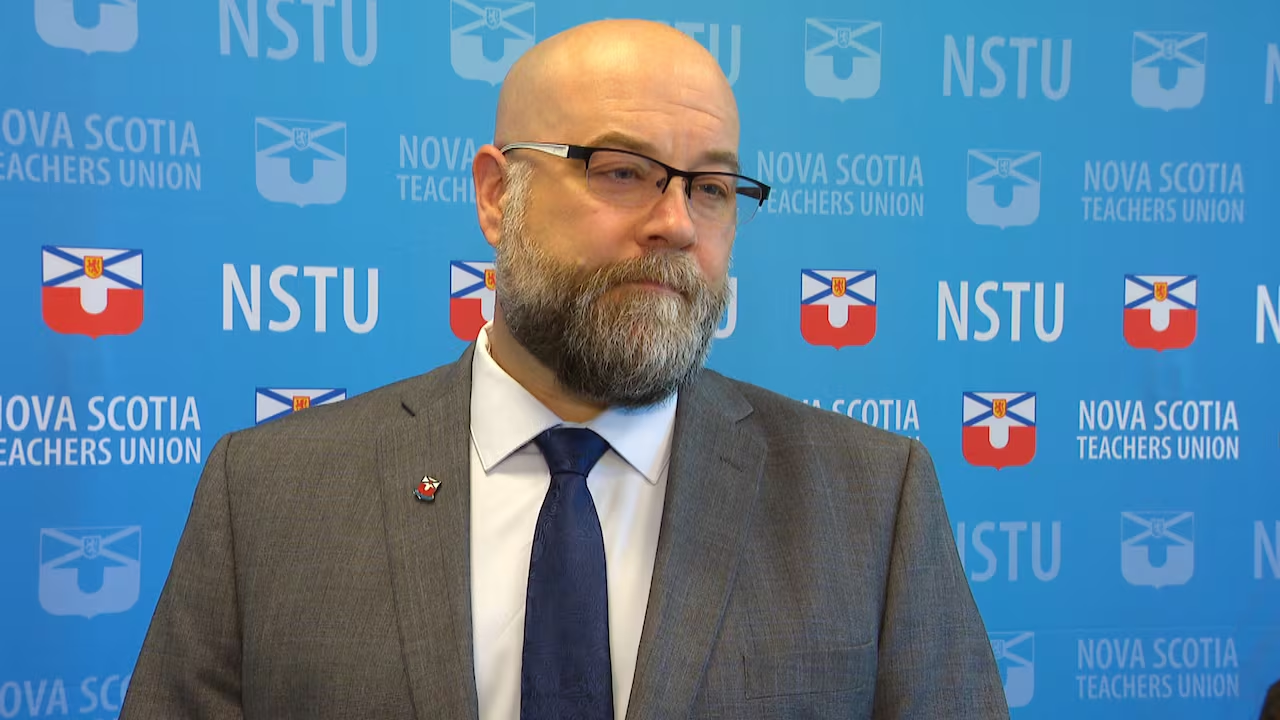
“我不认为人工智能有什么不同。我认为我们真的需要向学生展示人工智能是如何工作的,以及对它的适当用途是什么。”但为了教学生如何负责任地使用人工智能,戴说,教师必须对自己的技能有信心。他说,除了自愿参加的暑期技术夏令营外,目前没有针对教育工作者的全省范围内专门针对人工智能的专业发展计划。
“I don’t see AI as that much different. I think we really need to be showing students how AI works and what an appropriate use for it would be.”But in order to teach students how to use AI responsibly, Day said teachers have to feel confident in their own skills. Apart from a voluntary summer technology camp, he said there is no provincewide professional development focused solely on AI for educators.
曼尼托巴省禁止儿童使用社交媒体和人工智能聊天机器人可能从学校开始:教育部长 为什么新斯科舍省的家长希望课堂上减少屏幕时间 博尔特说,目前通过地区教育中心提供专业发展,但省内正在努力为教师开发更多学习机会。
Manitoba ban on social media, AI chatbots for kids could start in schools: education minister Why these parents want to see less screen time in N.S. classrooms Boulter said professional development is currently available through regional centres for education, but work is underway to develop more learning opportunities for teachers through the province.
蒙特圣文森特大学教育项目的助理教授约翰·伍德沃思教授人工智能融合与素养课程,他说,教育工作者在允许学生使用人工智能方面必须“审慎”。
Johan Woodworth, an assistant professor who teaches courses on AI integration and literacy at Mount Saint Vincent University’s education program, said educators have to be “judicious” with how they allow their students to use AI.
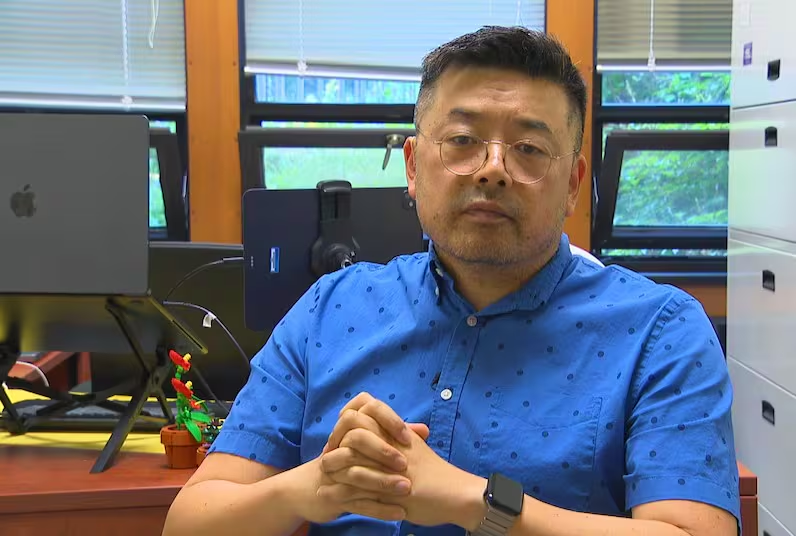
他说,人工智能不仅可以取代批判性思维并捷径式学习,还可能产生有偏见、误导甚至事实错误的输出。
Not only can it replace critical thinking and shortcut learning, he said, but it can also produce outputs that are biased, misleading or even factually incorrect.
伍德沃思还坚持认为,需要一项全省范围的政策。像戴一样,他说教师需要更多时间和资源来熟悉这些工具。
Woodworth also insists that a provincewide policy is needed. Like Day, he said teachers need more time and resources to become familiar with the tools.
“仅仅了解一项技术并不意味着你就能将其教学地融入课堂,”他说。
“Just knowing about a technology doesn’t mean that you could pedagogically integrate them into a classroom,” he said.
他指出,北美最大的学区所在地纽约市,官员最近对八年级及以下年级的生成式人工智能实施了一年的暂停令,而学校中的聊天机器人已被禁止用于所有年级。
He pointed to New York City — home to the largest school district in North America — where officials recently imposed a one-year moratorium on generative AI up to Grade 8, while chatbots in schools have been banned for all grades.
免费课程涵盖人工智能基础知识,将在今年年底前向所有加拿大人开放。人工智能真的会“杀死所有人”吗?剖析关于技术存在性风险的严峻警告。“科技行业希望我们相信,人工智能在早期教育中不仅是不可避免的,而且是必要的。我们并不这么认为,”纽约市市长佐兰·曼达尼在九月的新闻发布会上表示。
Free course covering basics of AI to be available to all Canadians by end of the year Could AI really 'kill all humans'? Breaking down the dire warnings about the technology's existential risk“The tech industry wants us to believe that AI in early education is not only inevitable, but that it is necessary. We do not see it that way,” New York City Mayor Zohran Mamdani said at a press conference in September.
伍德沃思认为,类似的方法也能惠及新斯科舍省居民,让教师有机会赶上蓬勃发展的技术,而政策制定者则评估最佳实践并制定规则。
Woodworth argues that a similar approach could benefit Nova Scotians, giving teachers an opportunity to catch up with the booming technology while policymakers evaluate best practices and develop rules.
波斯特正通过“技能先于屏幕”推动这种暂停,该组织已发起请愿,呼吁该省效仿纽约的做法。
Poste is pushing for that kind of pause through Skills Before Screens, which has launched a petition calling on the province to follow New York’s lead.
“我认为总有地方可以找到可能带来益处的机会。只是,这些益处是否大于风险?”波斯特说。
“I think there’s always a place you can find an opportunity where it could be beneficial. It’s just, do those benefits outweigh the risks?”Poste said.