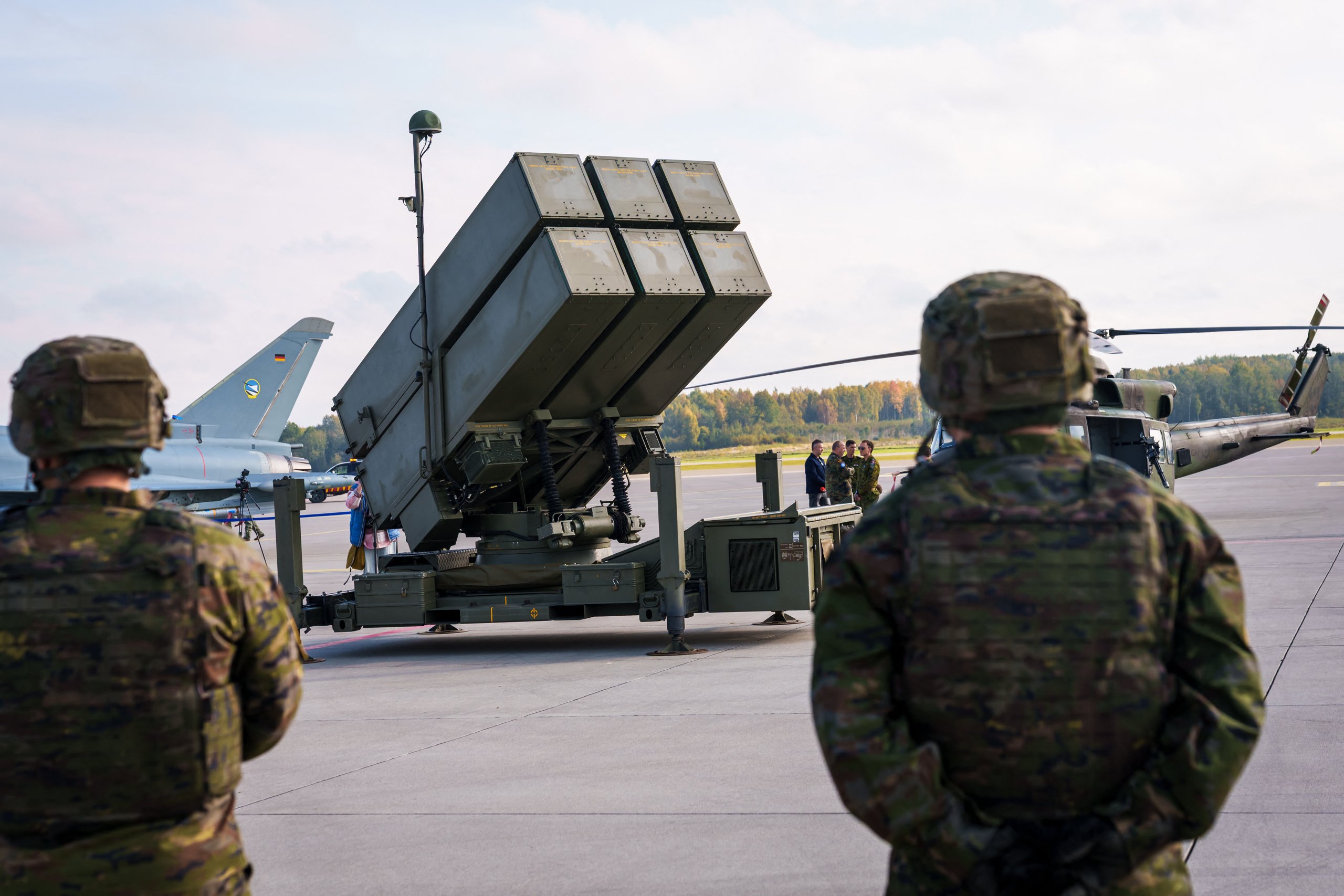
珀斯,澳大利亚 — 为了保护整个大陆,澳大利亚仅拥有一个团规模的NASAMS短程防空系统。认识到这远远不够,堪培拉已启动针对澳大利亚陆军的中程地基防空解决方案的正式招标。
PERTH, Australia — To protect a whole continent, Australia has only a regiment’s worth of NASAMS short-range air defense systems. Recognizing this is not nearly enough, Canberra has launched a formal tender for a medium-range, ground-based air defense solution for the Australian Army.
国防部于10月13日为该项目(命名为“陆地6504项目”)发布了行业征询。该潜在交易已吸引全球关注,来自欧洲、以色列、韩国、土耳其和美国的供应商正在关注澳大利亚的需求。
The Department of Defence launched an industry solicitation for the project, christened Project Land 6504, on Oct. 13. The potential deal has already attracted interest globally, with vendors from Europe, Israel, South Korea, Turkey and the United States eying the requirement Down Under.
填补澳大利亚防御漏洞的主要动力之一是中国军事实力的提升。令人担忧的是,中国人民解放军于2025年初派遣海军特遣部队环绕澳大利亚航行,随后中国于今年7月向南太平洋发射了一枚洲际弹道导弹。
A primary motivation for filling the gaping hole in Australian defenses is China’s rising military prowess. Alarming many, the People’s Liberation Army sent a naval task group to circumnavigate Australia in early 2025, and then China fired an intercontinental ballistic missile into the South Pacific in July this year.
鉴于中国拥有世界上最多样化的导弹库存,澳大利亚清楚地认识到需要更好的防御能力。因此,“陆地6504项目”正在寻找一种能够在弹道导弹飞行末端阶段将其击落,并应对次声速空气呼吸威胁的防御系统。
With China possessing the world’s most diverse missile arsenal, Australia knows it needs better defenses. Land 6504 is therefore looking for a defensive system capable of shooting down ballistic missiles in their terminal phase of flight, as well as address subsonic air-breathing threats.
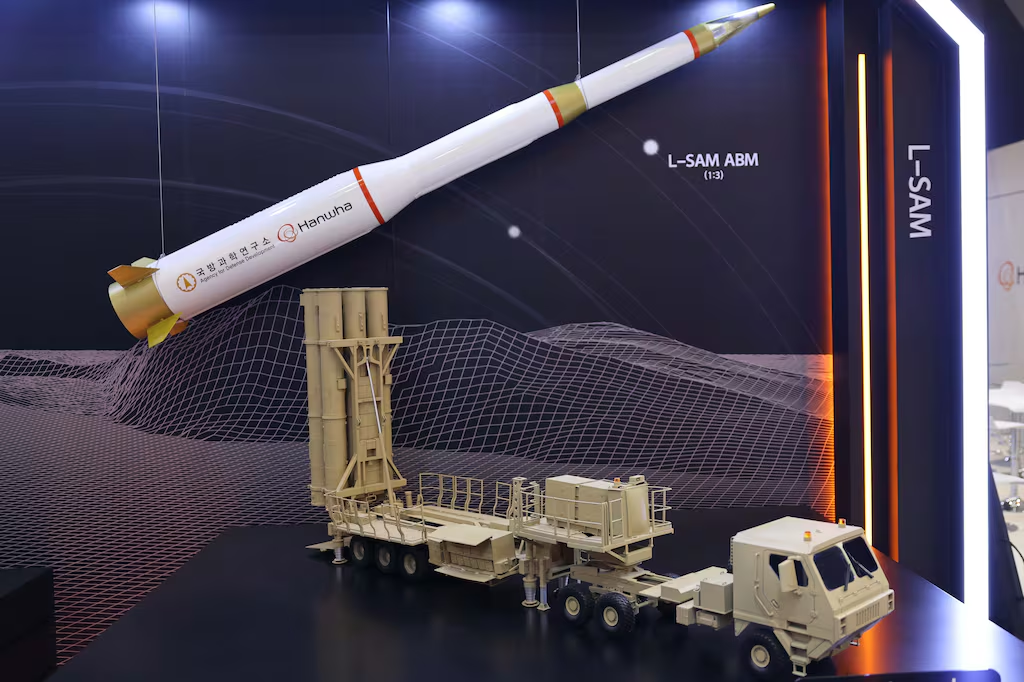
《2026年国防战略》将导弹防御列为优先事项,呼吁“通过投资导弹发射装置和弹药,并将其与澳大利亚国防军的指挥控制系统相结合,加速引入中程地基主动导弹防御。”该征询文件指出,设想中的现成系统应为“经过验证的能力”,有助于构建国家一体化系统。
The National Defence Strategy 2026 prioritized missile defense, calling for “accelerated introduction of medium-range, ground-based, active missile defense through investment in missile launchers and munitions and integrating them with the Australian Defence Force’s command-and-control systems.”This envisioned off-the-shelf system is expected to be a “proven capability,” contributing to a national, integrated system, the solicitation reads.
然而,资金始终是一个问题,因为AUKUS核动力潜艇正在消耗可用的国防经费。
Money is a perennial problem, however, as AUKUS nuclear-powered submarines soak up available defense funds.
但也许最大的风险在于这个澳大利亚项目推进的速度之快。供应商的最终选择将在2027年底前完成。该解决方案计划在2029年中进行实弹射击演练“泰利斯曼剑”,并在2030年代初实现初始作战能力。
But perhaps the greatest risk is the lightning speed at which this Australian project is moving. Final selection of the vendor is to occur by the end of 2027. The solution is to perform live-firing in Exercise Talisman Saber in mid-2029, and an initial operational capability achieved in the early 2030s.
重要的是,这一远程防空系统必须与CEA Technologies的雷达以及洛克希德·马丁澳大利亚公司正在开发的联合空中战场管理系统进行整合。
Importantly, the expeditionary air-defense system must integrate with radars from CEA Technologies and the Joint Air Battle Management System being developed by Lockheed Martin Australia.
由于时间紧迫,堪培拉正同时推进直接商业销售和美国对外军售(FMS)两条渠道。
Because of the time constraints, Canberra is pursuing direct commercial sale and U.S. Foreign Military Sales (FMS) avenues simultaneously.
招标的时间安排可能提升非美国导弹供应商的机会,因为美国在与伊朗的冲突中消耗了大量导弹,导致弹药库存枯竭。
The timing of the tender may boost the chances of non-American missile suppliers, as the U.S. grapples with depleted magazines after expending large amounts of missiles in its conflict with Iran.
一份最近的国会研究服务报告警告称:“美国有限的工业基础能力导致在履行FMS订单和补充美国储备之间出现权衡。FMS交付延迟可能导致订单取消,从而可能影响美国及其伙伴的互操作性和集成。”然而,其他选择仍然存在。例如,澳大利亚可以在其现有的NASAMS系统中增加AMRAAM-ER延程导弹。
A recent Congressional Research Service report warned, “Finite U.S. industrial base capacity introduces trade-offs between filling FMS orders and replenishing U.S. stockpiles. FMS delivery delays may result in cancellations, potentially affecting U.S. and partner interoperability and integration.”Other options are available, however. For example, Australia could add AMRAAM-ER extended-range missiles to its existing NASAMS.
康斯伯格澳大利亚公司总经理约翰·弗莱对《防务新闻》表示:“我们当然对这个项目感兴趣。我认为NASAMS架构的优势在于,康斯伯格和雷神正在将其发展为全谱系防空。”与此同时,洛克希德·马丁澳大利亚公司在6月曾从拖车式发射架发射了一枚SM-2导弹,使用了宙斯盾作战系统和CEA雷达。此次演示表明,混合式防空系统可以利用澳大利亚已有的组件。
John Fry, managing director of Kongsberg Australia, told Defense News: “We’re definitely interested in that program. I think the great thing with the NASAMS architecture is Kongsberg and Raytheon are evolving that into full-spectrum air defense.”Elsewhere, Lockheed Martin Australia fired an SM-2 missile from a trailer launcher in June, utilizing the Aegis combat system and a CEA radar. This demonstrated how a hybrid air defense system can make use of components already available in Australia.