数十年来,投资者一直处于“丰裕时代”,当时的世界被全球化供应链、准时交付以及关键资源在需要时总能供应的假设所定义。过去五年的供应中断和地缘政治冲突已经清楚表明,这个时代已经结束。
For decades, investors operated in an “era of abundance” in which the world was defined by globalized supply chains, just in time deliveries, and the assumption that critical resources would always be available when needed. The supply disruptions and geopolitical conflicts of the past five years have made it clear that this era is over.
我们认为,世界如今已进入“稀缺时代”,能源、金属和资源的结构性需求增长正与多年投资不足、脆弱的供应链和地缘政治紧张局势相碰撞。
In our view, the world has now entered an “era of scarcity” where structurally higher demand for energy, metals and resources is colliding with years of underinvestment, fragile supply chains and geopolitical tension.
这种转变的迹象已经显现。去年,铜和铝等关键工业金属价格飙升,而石油市场在中东地缘政治冲突中剧烈波动。这些冲击暴露了全球经济的脆弱性。过去40年对供应“效率和优化”的关注,如今已让位于中断和过度依赖带来严重经济风险的现实。
Evidence of this shift is already visible. Prices for key industrial metals such as copper and aluminum surged last year, while oil markets whipsawed amid geopolitical conflict in the Middle East. These shocks have exposed the global economy’s vulnerability. The prior 40-year focus on “efficiency and optimization” of supply has now ceded to the reality that disruptions and over-reliance create serious economic risks.
对实物资源的需求正在加速。全球中产阶级的快速扩张、人工智能和数据中心的能源需求增长、国防开支以及交通和工业的持续电气化,都在推动消费上升。根据国际能源署(IEA)的数据,仅全球数据中心的电力需求预计将在2030年相比2024年水平增加一倍以上,到2035年大约增加三倍。而需求增长正值“实体”经济供应端多十年去投资周期之后,资源生产高度集中且脆弱。
Demand for physical resources is accelerating. A rapidly expanding global middle class, the rise of AI and data center power needs, defense spending, and the ongoing electrification of transportation and industry are all pushing consumption higher. Electricity demand from global data centers alone is expected to more than double by 2030 and roughly triple by 2035 compared to 2024 levels, according to the International Energy Agency (IEA). And demand growth comes on the heels of a multi-decade disinvestment cycle in the supply side of the “real” economy with precariously concentrated resource production.
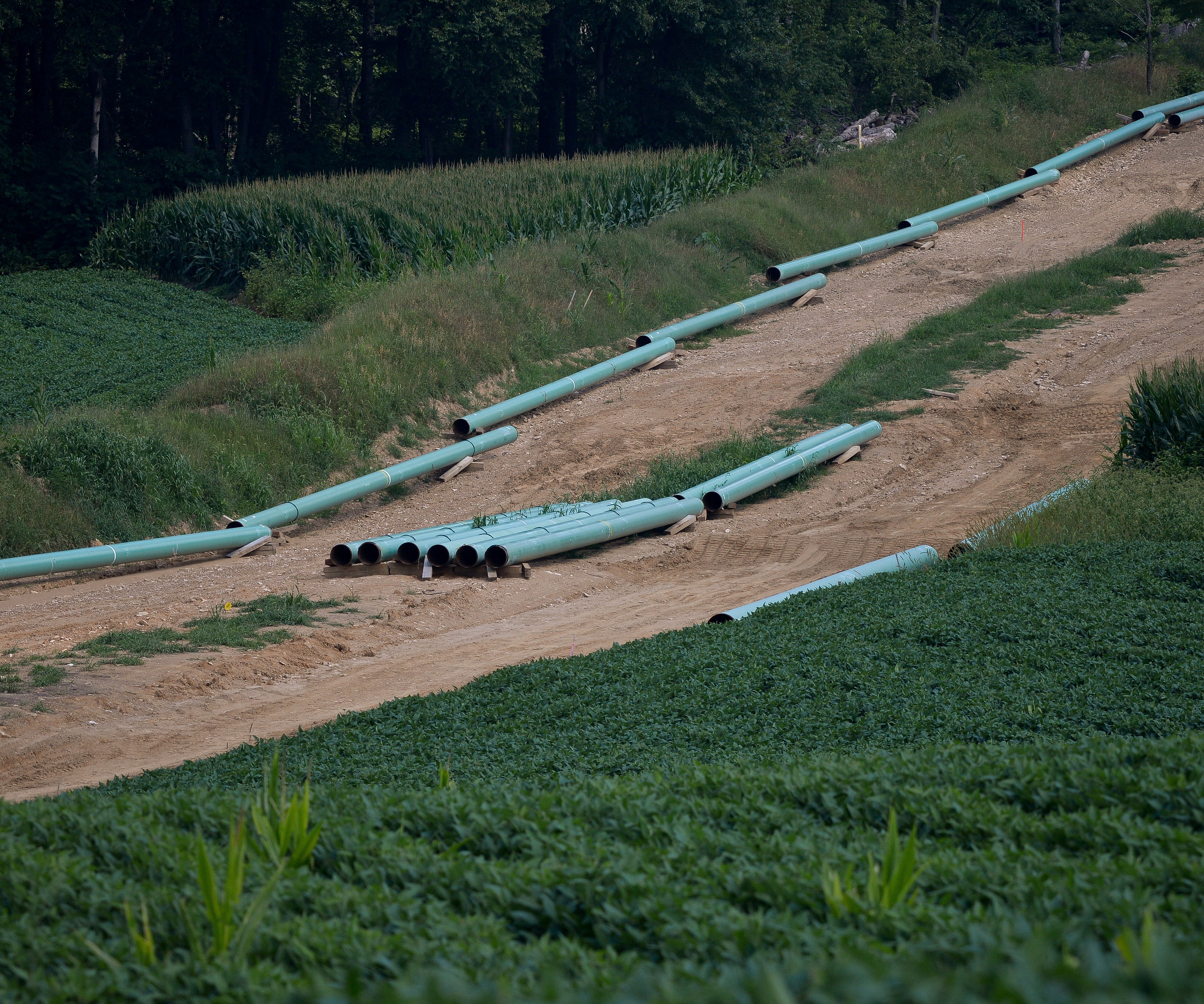
满足这一需求所需的许多资产还表现出吸引人的“HALO”特征,即高资产密集度与低过时风险的结合。电力输电网络、管道和铁路系统等基本基础设施可以服役数十年,提供持久的现金流和长期战略价值。
Many of the assets needed to meet this demand also exhibit attractive “HALO” characteristics, combining high asset intensity with low obsolescence risk. Essential infrastructure such as electric transmission networks, pipelines, and rail systems can remain in service for decades, providing durable cash flows and long-term strategic value.
加入能源与金融领域1500多位高级决策者,参加路透社活动能源LIVE 2026。
Join 1,500+ senior decision-makers across energy and finance atReuters Events Energy LIVE 2026.
全球能源系统正经历其历史上最重大的转型之一。但与可再生能源取代石油和天然气的流行叙事相反,这并非简单的从“旧”到“新”的转变。相反,我们认为这是一个能源叠加的故事。能源需求正在加速,能源的未来需要同时扩大传统能源和替代能源的供应,以以成本效益的方式满足增长需求。即使替代能源的市场份额预计在未来二十年内翻倍,我们预测传统能源(不含煤炭)的消费量将增长23%,以满足持续需求。
The global energy system is undergoing one of the most significant transformations in its history. But contrary to the popular narrative of renewable energy replacing oil and gas, this is not a simple transition from “old” to “new.”Rather, we believe it is an energy addition story. Energy demand is accelerating and the future of energy requires an expansion of both traditional and alternative energy sources to meet growth requirements in a cost-efficient manner. Even as alternative energy market share is projected to double over the next two decades, we project traditional energy (ex coal) consumption will rise 23% in order to meet sustained demand.
简而言之:世界需要更多的一切。此外,未来十年的能源价值链将与过去十年的价值链截然不同——投资策略必须适应并具有前瞻性。
Put simply: the world needs more of everything. Furthermore, the energy value chain of the next decade will look very different from the value chain of the last decade - investment strategies must adapt and be forward looking.
不同行业之间的供需动态差异凸显了主动投资管理的重要性。能源价值链之间的回报差距很大且正在扩大。一体化石油公司、液化天然气出口商、核能开发商、电池储能创新者和中游运营商各自面临不同的供需动态、监管环境和地缘政治风险。将能源视为单一整体的被动投资方式可能忽略其中的细微差别和机遇,且无法适应这一变化的格局。赢家和输家将在能源供应链的两端显现出来。
Distinct supply-demand dynamics between different sectors increases the importance of active investment management. The spread of returns across energy value chains is wide and growing. Integrated oil companies, LNG exporters, nuclear developers, battery storage innovators and midstream operators each face distinct supply demand dynamics, regulatory environments, and geopolitical exposures. Passive investment approaches that treat energy as a monolith risk missing the nuance and opportunity and fail to adapt to this changing landscape. Winners and losers will materialize across both sides of the energy supply aisle.
可再生能源及其他技术的部署将需要在电网基础设施、输电线路和储能技术方面进行巨额投资。国际能源署(IEA)在其《2026年世界能源投资》报告中表示,全球清洁能源投资预计将增至2026年的2.2万亿美元,发达经济体和中国的投资将按年增长7%。对于独家能源洞察,请订阅我们的新闻通讯。
The deployment of renewable energy and other technologies will require staggering investment in grid infrastructure, transmission lines and storage technologies. Global clean energy investment is expected to grow to $2.2 trillion in 2026 with investment in advanced economies and China rising by 7% year-on-year, IEA said in its World Energy Investment 2026 report. For exclusive energy insights,sign upto our newsletter.
基础负荷电力来源如核能正在经历复苏增长,因为不断上升的电力需求与可再生能源发电的间歇性相结合,增加了对可靠、全天候供电的需求,这种供电不依赖于特定的天气或气候条件。
Baseload electricity sources such as nuclear are seeing renewed growth as rising electricity demand combined with the intermittency of renewable energy generation increases the need for dependable, around-the-clock power not dependent on specific weather or climate conditions.
基础设施建设——包括电网、储能和天然气管道——代表了一些最具吸引力的机遇,鉴于对更具韧性的能源分配的迫切需求。随着全球消费的增长,基础设施公司提供了能源系统的支撑。
Infrastructure construction - including power grids, energy storage and gas pipelines - represent some of the most compelling opportunities given the dire need for more resilient energy distribution. As global consumption rises, infrastructure companies provide the backbone of the energy system.
创新并构建与能源未来、基础设施现代化和资源短缺相契合产品的投资经理,可能最能把握重塑全球经济的长期结构性转变,并规避陷阱。
Investment managers who innovate and build products aligned with the future of energy, infrastructure modernization and resource scarcity may be best positioned to capture long term structural shifts reshaping the global economy and sidestep the pitfalls.
实际上,我们认为一种结合传统能源和替代能源的方法能够最好地反映现实:没有单一燃料能够独自满足全球需求。这种“务实”的方法允许在未来能源经济的各个方面进行动态配置。
In practice, we believe an approach which combines traditional and alternative energy sources can best reflect the reality that no single fuel can meet global needs alone. This “pragmatic” approach allows dynamic allocation across all facets of the future energy economy.
稀缺时代是未来十年的一个显著特征,而非暂时阶段。供应限制、地缘政治碎片化和需求激增正在重塑自然资源、能源和基础设施领域的投资格局。在这种环境下,实物资产提供了多元化、抗通胀能力以及对强大长期趋势的敞口。但繁荣不会惠及所有人。对于希望分散投资组合的投资者,“HALO”经济中的主动管理从未如此重要。
The era of scarcity is a defining feature of the next decade rather than a temporary phase. Supply constraints, geopolitical fragmentation and surging demand are reshaping the investment landscape across natural resources, energy and infrastructure. In this environment, real assets offer diversification, inflation resilience and exposure to powerful long-term trends. But a rising tide won’t lift all boats. For investors looking to diversify their portfolios, active management in the “HALO” economy has never been more important.