虚拟现实技术目前正处于一个有点奇怪的阶段。在20世纪90年代经历了许多未能实现的承诺后,随着2016年Oculus Rift的发布,它重新焕发了活力。
Virtual reality is in a bit of a weird place right now. After a lot of unfulfilled promise in the 1990s, it came back strong with the 2016 release of the Oculus Rift.
有一段时间,人们认为VR、AR、XR或任何你想称呼的技术都会大放异彩。
For a while, it looked like VR, AR, XR, the metaverse, or whatever you wanted to call it, was going to be huge.
马克·扎克伯格对此深信不疑,就连苹果公司也推出了Vision Pro来参与这场热潮。
Mark Zuckerberg was certainly convinced, and even Apple got in on the hype with its Vision Pro.
然而,到那时为止,各种替代现实技术的发展势头已经在稳步下降,此后更是持续减弱。
But by then momentum for alternate realities of every acronym was already in steady decline, and it only dwindled from there.
新VR头显的研发速度放缓,许多公司(包括苹果)都缩减了相关投入或放弃了这些项目。
The rate of development of new headsets has slowed, with many companies (including Apple) scaling back or shelving their efforts.
虽然仍有Steam Frame和Pimax Dream Air等新产品的发布,但如今该领域最有趣的发展大多发生在爱好者群体中。
While new releases like the Steam Frame and Pimax Dream Air are still happening, many of the most interesting developments in the space these days are on the enthusiast front.
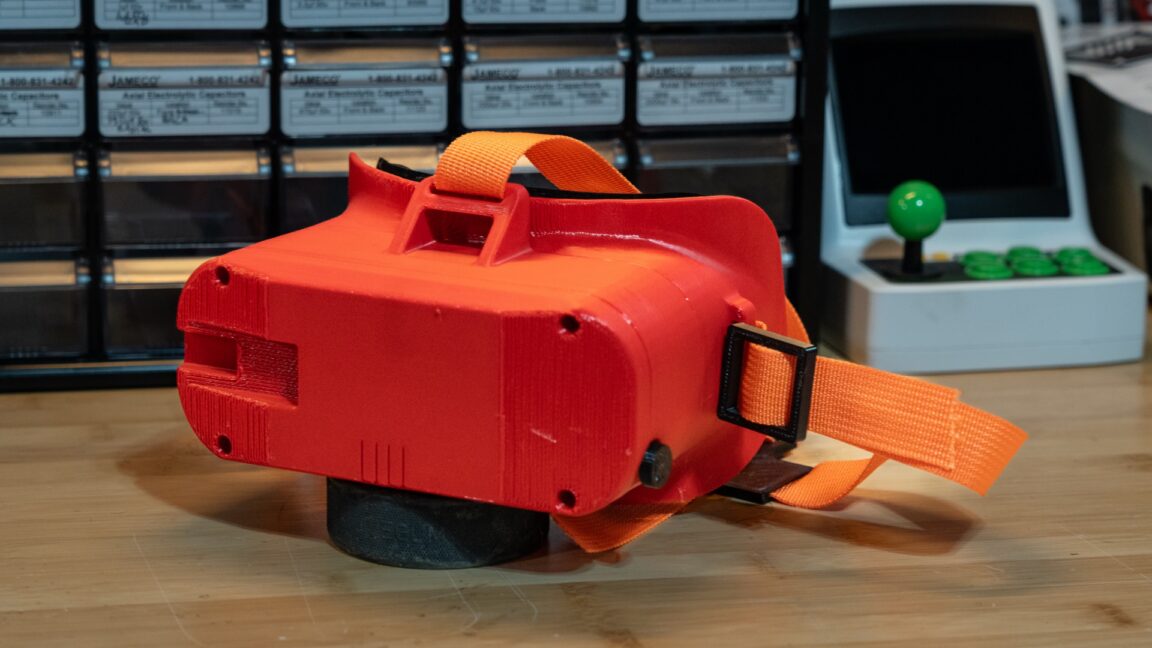
没错,DIY VR确实存在——只需花费几百美元购买零部件,再加上大量的时间,你也可以进入虚拟现实的世界,同时体验焊接、固件更新和3D打印等过程中的种种挑战。我自己也尝试过,最终明白了为什么这仍然是一个小众的爱好。
That's right, DIY VR is a thing, and with a couple hundred dollars in components, plus many hours of your time, you too can enter the immersive world of virtual reality while also experiencing the highs and lows of soldering, firmware flashing, and 3D printing. I rode that rollercoaster myself and learned why this is still a decidedly niche movement.