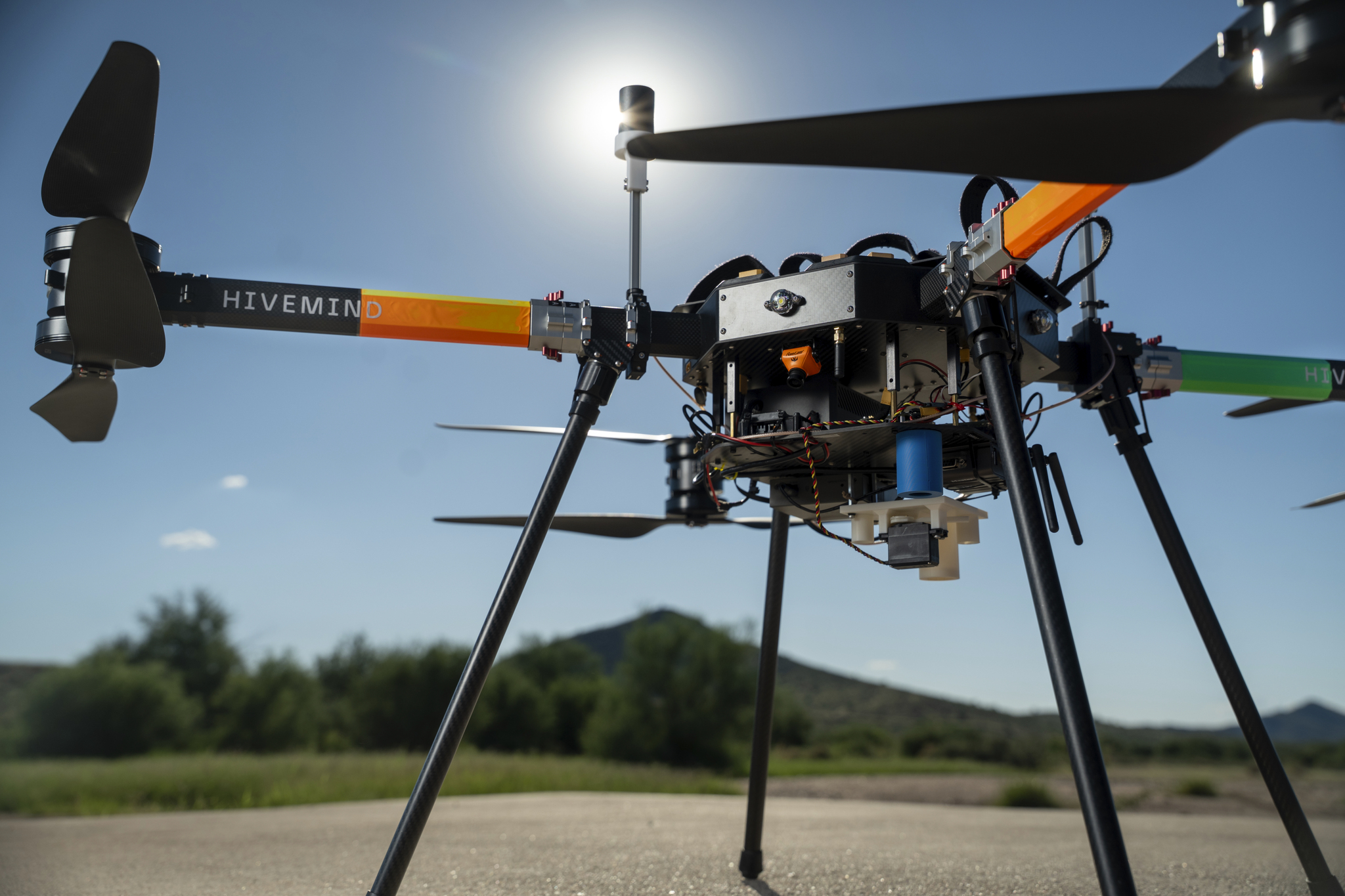
总部位于加利福尼亚州的国防公司盾牌人工智能(Shield AI)本周表示,其Hivemind软件帮助霍尼韦尔航空航天在六周的训练后实现了自主飞行,远低于原估计的54周,此次进展发生在两次飞行演示之前,根据周一发布的联合声明。
The California-based defense company Shield AI said this week that its Hivemind software helped Honeywell Aerospace achieve autonomous flight after six weeks of training, down from an estimated 54 weeks, ahead of two flight demonstrations, according to Monday’s joint statement.
“Hivemind Enterprise处理了自主飞行的基础,因此[霍尼韦尔工程师]可以将时间用于他们自己的检测和追踪模型,”盾牌人工智能Hivemind Enterprise副总裁汤姆·谢弗(Tom Schaefer)表示。“我们开发Hivemind正是为了让合作伙伴能够以这种方式工作。”
“Hivemind Enterprise handled the autonomy basics, so [Honeywell engineers] could spend its time on its own detection and tracking model,” said Tom Schaefer, vice president of Hivemind Enterprise at Shield AI. “We built Hivemind so partners can work this way.”
两家公司在7月宣布了合作,并签署了谅解备忘录,声明他们的目标是帮助“国防作战人员从演示更快地过渡到部署……而无需每次都要在新系统上重建信任”。
The companies announced their collaboration in July along with a memorandum of understanding, stating their goal was to help “defense operators move from demonstration to deployment faster… without having to rebuild confidence in each new system every time.”
盾牌人工智能解释称,Hivemind软件提供“诸如航线规划、任务管理和飞机间通信等核心能力”,使霍尼韦尔等公司能够“集成他们自己的AI模型、传感器和任务能力,并[将其]从仿真推进到实际飞行”。根据声明,霍尼韦尔的自主团队于4月下旬开始在Hivemind上进行训练,到6月中旬,他们首次使用新开发的自主堆栈对BFD-SE8多旋翼飞机进行了自主飞行。
Shield AI explained the Hivemind software provides “core capabilities such as route planning, mission management, and communication between aircraft,” so companies like Honeywell could integrate “their own AI models, sensors, and mission capabilities and [advance] them from simulation to flight.”According to the statement, Honeywell’s autonomy team began training on Hivemind in late April and by mid-June, they flew a BFD-SE8 multirotor aircraft autonomously for the first time using the newly developed autonomy stack.
该团队于7月8日在明尼苏达州普利茅斯举行了官方演示,当时飞机自主起飞,沿计划航线飞行,绕过禁飞区重新规划航线,并返回基地。
The team held the official demonstration on July 8 in Plymouth, Minnesota, where the aircraft took off on its own, followed a planned route, re-routed around a no-fly zone, and returned to base.
此后,该公司表示,团队立即开始着手第二次演示。为期三个月,他们训练并部署了他们自己的目标检测和追踪模型。
Afterward, the company said, the team immediately began working on the second demonstration. For three months, they trained and deployed their own target detection and tracking model.
10月8日,该团队举行了另一次演示,一架侦察机使用AI模型检测、识别并追踪目标。随后,它将信息传递给另一架飞机,该飞机自主导航至目标,投送有效载荷,然后与侦察机一起返回基地。
On Oct. 8, the team hosted another demonstration in which a scout aircraft used the AI model to detect, identify, and track a target. It then passed the information to another aircraft, which navigated autonomously to the target, delivered a payload, and then returned to base with the scout.
霍尼韦尔航空航天工程高级副总裁兼首席技术官托德·吉尔斯将“开放架构”——即使用公开标准进行软件开发——归功于“改变航空航天领域创新的步伐”以及其团队的成就。
Todd Giles, Honeywell Aerospace’s senior vice president of engineering and chief technology officer, credited “open architectures” — or the use of public standards for software development — for “changing the pace of innovation in aerospace” and his team’s accomplishment.
“通过将我们在航空电子、导航、传感和自主技术方面的专业知识相结合,我们正在帮助为下一代自主飞行器和任务系统创建一个可扩展的基础设施,”吉尔斯说。
“By combining our expertise in avionics, navigation, sensing, and autonomy, we are helping create a scalable foundation for the next generation of autonomous aircraft and mission systems,” Giles said.