启动人工智能试点相对简单。但将其可靠地、大规模地融入业务运营则是一个更大的挑战。麦肯锡2026年全球调查发现,只有37%的受访者表示人工智能提升了其公司的收益,这一比例与上一年持平。然而,十分之八的受访者表示人工智能帮助他们在工作中变得更高效。
Launching an AI pilot is relatively straightforward. But integrating it reliably and at scale into business operations is a far greater challenge. McKinsey’s global 2026 survey found that only 37% of respondents said AI had improved their company’s earnings, unchanged from the previous year. Yet eight in ten said AI had helped them become more productive at work.
人工智能工具在小规模测试时可能表现良好,尤其是当任务简单且数据干净时。但将其在公司范围内使用会带来新的挑战。它必须与现有软件集成,符合数据访问和安全要求,并具备处理故障的明确流程。同时,也必须有人对其性能负责。满足这些要求意味着需要在IT、运营、财务和风险团队之间进行协调。
An AI tool may work well during a small test, when the task is simple and the data is clean. But using it across a company brings new challenges. It must integrate with existing software, comply with data access and security requirements, and have a clear process for handling failures. Someone must also take responsibility for its performance. Meeting these requirements means coordinating across IT, operations, finance, and risk teams.
成本带来另一个挑战。公司习惯于为软件项目制定预算并估算员工时间。人工智能成本则更难以预测。它们取决于系统处理的信息量、所使用的模型以及人们使用的频率。如果没有明确的估算,财务团队可能难以判断一个项目是否值得投资。
Costs create another challenge. Companies are used to setting budgets for software projects and estimating staff time. AI costs can be harder to predict. They depend on how much information the system processes, which model it uses, and how often people use it. Without a clear estimate, finance teams may struggle to judge whether a project is worth the investment.
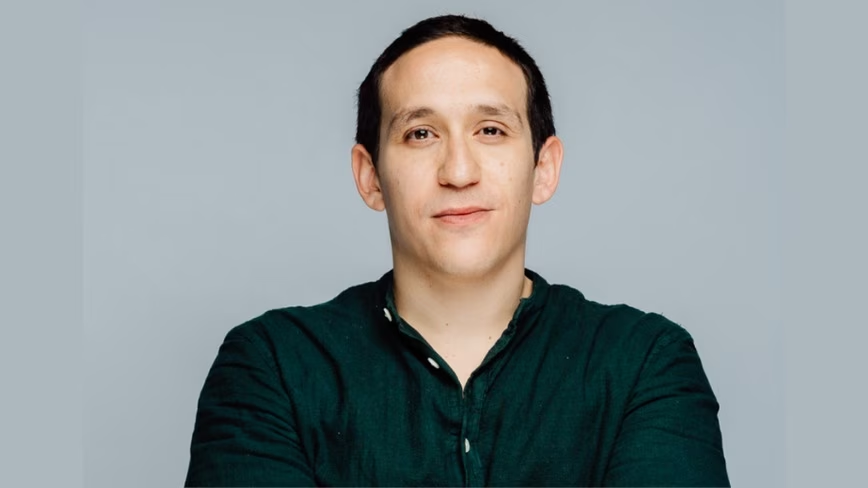
先评估每个用例的成本。埃利斯合伙公司创始人扎卡里·拉米建议,企业应逐项业务流程评估人工智能机遇。他拥有十年的技术经验,包括曾协助在法国推出monday.com。他的方法侧重于在测试之前先估算每个用例所需的成本和资源。
Cost each use case first Zacharie Lahmi, founder of Ellis Partners, recommends that companies assess AI opportunities one business process at a time. He has ten years of experience in technology, including work helping launch monday.com in France. His approach focuses on estimating the cost and resources required for each use case before testing it.
“企业需要了解一个用例的成本及其所需资源。投资回报的讨论应在试点之前进行,而不是之后。” 埃利斯合伙公司创始人扎卡里·拉米 每次人工智能测试都需要明确的目标和应对问题出现时的计划。拉米建议为使用情况、维护成本和错误设定可衡量的目标。
“Companies need to understand the cost of a use case and the resources it will require. The return-on-investment discussion should happen before the pilot, not after.”Zacharie Lahmi, founder of Ellis Partners Every AI test needs clear goals and a plan for when things go wrong. Lahmi recommends setting measurable targets for usage, maintenance costs, and errors.
“有用的试点项目才是我们真正希望看到投入生产的。我们应该事先就成功标准达成一致,这样在试点之后就不会出现关于它是否有效的争论。” 扎卡里·拉赫米拉赫米还呼吁企业在选择人工智能项目时,要超越销售和营销的范畴。虽然这些职能可能带来更容易与收入挂钩的好处,但他认为日常运营流程可以提供更大的机遇。
“Useful pilots are the ones we really want to see in production. We should agree on success criteria beforehand, so there is no debate after the pilot about whether it worked.”Zacharie Lahmi Look beyond sales and marketing Lahmi also urges companies to look beyond sales and marketing when choosing AI projects. While these functions offer benefits that may be easier to link to revenue, he believes everyday operational processes can offer greater opportunities.
“你们行业中最枯燥的运营任务、核心流程,才是你们应该用人工智能去思考的对象。要问自己如何从根本上改变行业的运作方式,而不仅仅是最大化短期收益。” 扎卡里·拉赫米根据拉赫米的说法,一些企业人工智能项目会在测试阶段停滞数月。通常情况下,没有人明确界定该项目必须达到什么目标才能证明其广泛应用的合理性。他建议根据人工智能项目所能解决的业务问题来进行评估。
“The most boring operational tasks, the core processes of your industry, are the ones you should be thinking about with AI. Ask yourself how you can fundamentally change the way your industry operates, rather than simply maximizing short-term gains.”Zacharie Lahmi Some enterprise AI projects remain in testing for several months, according to Lahmi. Often, nobody has defined what the project must achieve to justify wider use. He recommends assessing each AI project based on the business problem it would solve.
“企业随后应该将预期收益与实施所需的努力以及看到结果所需的时间进行权衡。一个能够快速见效的小型项目,可能比一个大型项目更适合作为起点。” 扎卡里·拉赫米他还建议审视日常业务运营。改进一个流程可以改变公司的运作方式,而不仅仅是帮助员工更快地完成任务。
“Companies should then weigh the expected benefits against the effort required to implement it and the time it would take to see results. A smaller project that delivers results quickly may be a better starting point than a larger one.”Zacharie Lahmi He suggests examining everyday business operations, too. Improving a process can change how a company works, rather than simply helping employees complete tasks faster.
规模改变节奏 公司规模也会影响人工智能项目的引入和调整难易程度。拉赫米指出,较小的企业通常审批层级较少,这使得它们能够更快地做出决策并调整方向。而大型企业可能面临更多障碍,因为变动可能影响多个团队和现有系统。
Size changes the pace Company size also affects how easily AI projects can be introduced and adjusted. Lahmi notes that smaller businesses often have fewer layers of approval, allowing them to make decisions and change direction more quickly. Large enterprises may face more hurdles because changes can affect multiple teams and existing systems.
无论公司规模大小,企业可能需要评估人工智能系统是否能够交付他们所期望的结果。他们可以追踪它节省了多少时间、是否减少了错误以及维护它的成本。这些指标可以帮助领导者决定是否继续推进项目、进行修改,或完全终止项目。仅凭一次成功的演示可能不足以证明更广泛采用的合理性。
Regardless of company size, businesses might need to assess whether an AI system delivers the results they expected. They can track how much time it saves, whether it reduces mistakes, and what it costs to maintain. These measures can help leaders decide whether to continue with a project, make changes, or stop it altogether. A successful demonstration alone might not be enough to justify wider adoption.
从实验到可靠工具 对于利益相关者而言,企业人工智能的最终试金石不仅仅是让事情做得更快,而是从根本上改变价值的创造方式。启动更多试点项目并不一定意味着公司正在取得进展。每个项目都需要明确的目标和现实的预算,同时还要设定企业愿意承担的风险上限。
From experiment to dependable tool For stakeholders, the final litmus test for enterprise AI is not just doing the same thing faster, but fundamentally changing how value is created. Launching more pilot projects does not necessarily mean a company is making progress. Each project needs a clear goal and a realistic budget, along with limits on the risks the business is willing to accept.
企业可以在项目启动后审查其表现,并确保有人拥有权力在出现问题时暂停并审计系统。这些步骤有助于将人工智能实验转化为企业可以依赖的工具。
Companies can review performance after launch and ensure someone has the authority to pause and audit a system if problems arise. These steps can help turn AI experiments into tools that businesses can depend on.