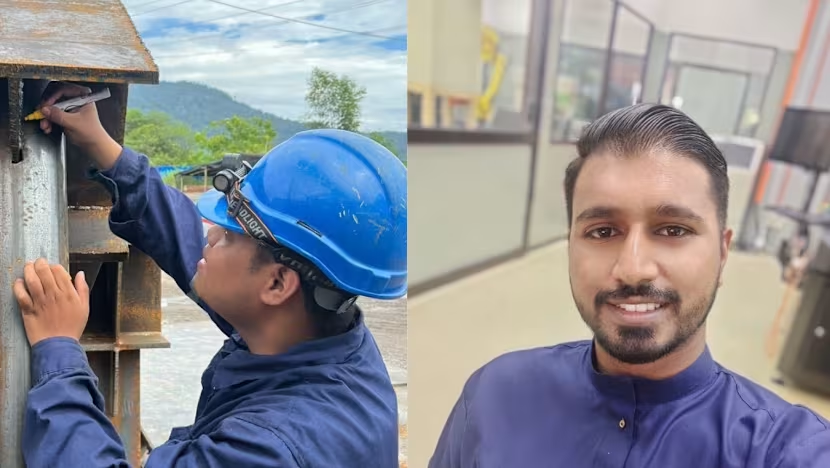
新加坡:马来西亚人努尔·阿德汉·沙姆斯扎曼完成马来西亚教育文凭(SPM,相当于新加坡的O水准考试)后,选择了技术与职业教育路径,而非进入大学。
SINGAPORE: After completing his Malaysian Certificate of Education (SPM), the equivalent of Singapore’s O Levels, Malaysian Nur Adham Syamsuzzaman opted for a technical and vocational path instead of going to university.
“我选择这条路,是因为我更喜欢实践性、动手操作的学习体验,而不是死记硬背理论。我也不认为自己擅长学术,”这位24岁的柔佛人说。
“I chose this route because I prefer practical, hands-on learning experiences as compared to memorising theories. I also don’t think I am academically inclined,” said the Johorean, 24.
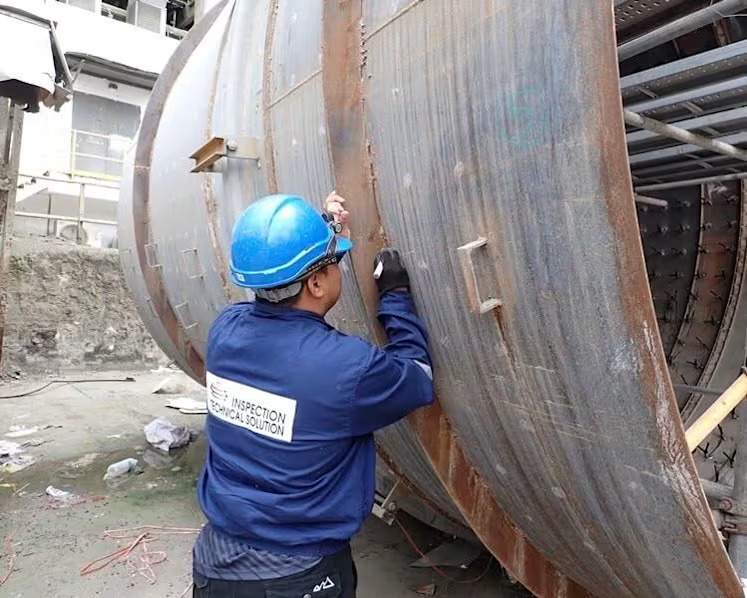
2020年至2023年间,他获得了马来西亚技能证书(SKM)并取得了焊接文凭。一年前,他开始担任焊接检查员。
Between 2020 and 2023, he obtained his Malaysian Skills Certificate (SKM) and got a diploma in welding. He began working as a welding inspector a year ago.
“家人起初对此持怀疑态度,但在看到我能在这个领域建立事业后,态度变得更加开放,”现居住在雪兰莪的努尔·阿德汉说。
“My family was sceptical about it at first but became more receptive after they saw that I could build a career in the field,” said Nur Adham, who now lives in Selangor.
他还表示,通过技能提升和在不同工作场所积累经验,他也有机会在职业上取得进步。
There were also opportunities for him to progress through upskilling and gain experience across different workplaces, he said.
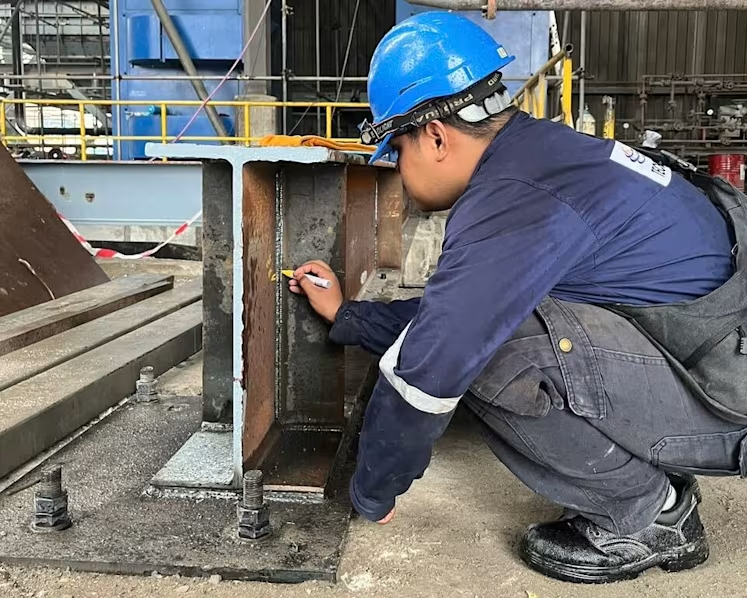
24岁的焊接检查员努尔·阿德汉·沙姆斯扎曼,完成中学教育后选择了技术与职业教育路径。
Welding inspector Nur Adham Syamsuzzaman, 24, opted for a technical and vocational path after completing his secondary education.
随着马来西亚的技术与职业教育培训(TVET)体系采取措施,为年轻人进入人工智能等面向未来的领域做好准备,越来越多的马来西亚年轻人正走上与努尔·阿德汉相同的道路。
More young Malaysians are taking the same path as Nur Adham as the country’s technical and vocational education and training (TVET) system takes steps to equip them for future-oriented fields such as artificial intelligence.
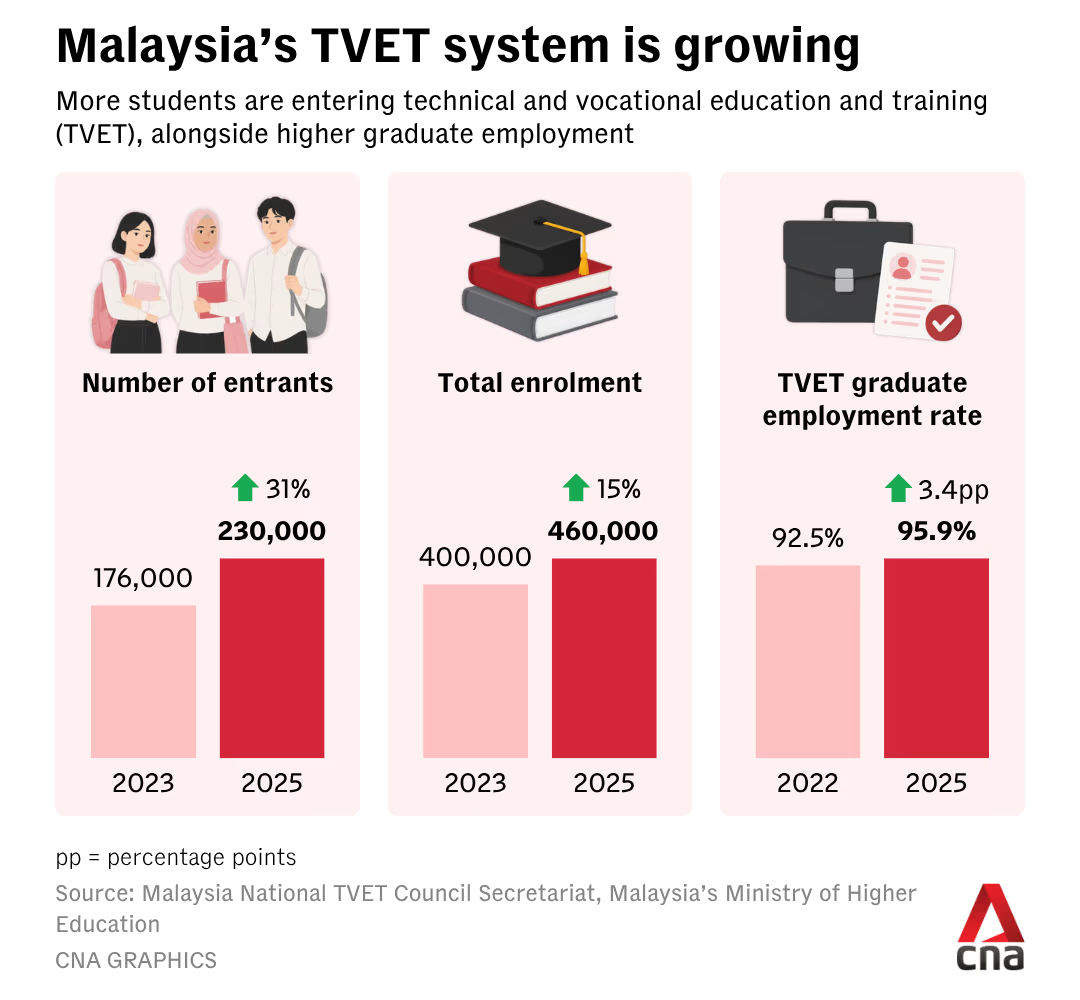
据国家TVET委员会秘书处负责人阿兹米尔·莫哈末尤努斯介绍,新增TVET入学人数从2023年的约17.6万人增加到2025年的23万多人,增幅约为30%。
The number of new TVET entrants has increased by about 30 per cent from around 176,000 in 2023 to more than 230,000 in 2025, according to Azmir Mohd Yunus, head of the National TVET Council’s secretariat.
同期,TVET机构的在校学生总数从约40万人增至近46万人。
The total number of students enrolled in TVET institutions rose from about 400,000 students to nearly 460,000 over the same period.
SPM及同等学历毕业生进入TVET体系的比例也从2023年的44%上升至2025年的57%。
The proportion of SPM and equivalent school leavers entering the TVET system also increased from 44 per cent in 2023 to 57 per cent in 2025.
国家TVET委员会委员会主席、副首相阿末扎希·哈米迪表示,政府的目标是到今年底实现TVET总在校人数达到65万人。
The government is targeting a total TVET enrolment of 650,000 by the end of this year, said Deputy Prime Minister Ahmad Zahid Hamidi, who is chairman of the National TVET Council Committee.
“我们希望职业教育和培训(TVET)成为学生的首选,同时也认识到学术途径通过公立和私立高等教育机构继续存在,而TVET则专注于强烈满足国家劳动力市场的需求。”扎希德在6月5日的国家TVET日2026活动上对记者表示。
"We are aiming for TVET to become the first choice for students, while recognising that academic pathways continue through public and private higher education institutions, with TVET focusing strongly on meeting the demands of the national labour market," Zahid told reporters on Jun 5 at a National TVET Day 2026 event.
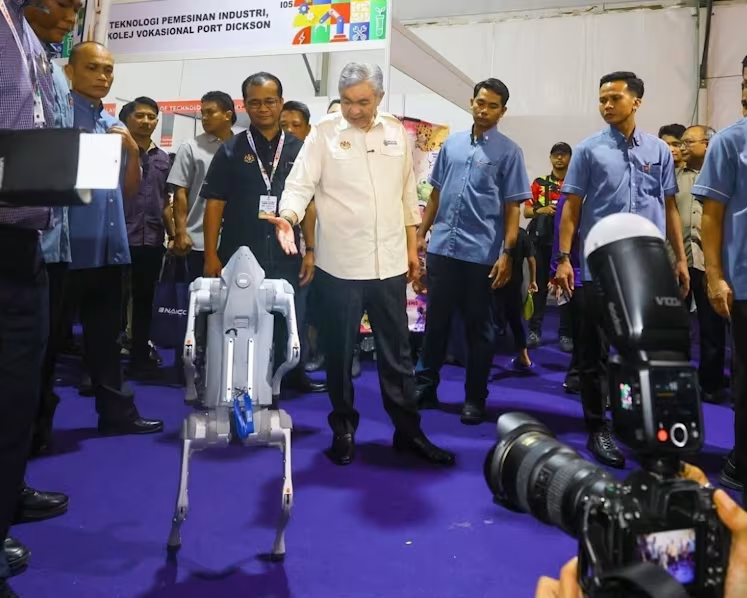
马来西亚副首相阿末扎希德·哈米迪在布城参观了与国家TVET日庆祝活动同步举办的展览。
Malaysia Deputy Prime Minister Ahmad Zahid Hamidi visits an exhibition held in conjunction with National TVET Day celebrations in Putrajaya.
同月,马来西亚启动了TVET 2.0,更加聚焦于密码学和可再生能源等新兴领域。TVET还涵盖了从汽车和电气工作到烹饪艺术、酒店业、时尚和设计等更传统的领域。
That same month, Malaysia launched TVET 2.0 with a stronger focus on emerging fields like cryptology and renewable energy. TVET also covers more traditional fields ranging from automotive and electric work to culinary arts, hospitality, fashion and design.
首相安瓦尔·易卜拉欣表示,国家高影响力计划基金下属的技能发展基金公司可提供高达5000万令吉(约合1230万美元)用于加强TVET 2.0的实施。
Prime Minister Anwar Ibrahim said up to RM50 million (US$12.3 million) from the country’s High-Impact Programme fund, which is under the Skills Development Fund Corporation, could be used to strengthen TVET 2.0’s implementation.
行业代表表示,雇主认为技术培训人才在马来西亚的作用日益重要。TVET培训必须更贴合雇主实际需求,并为学生提供通往更高薪工作和职业发展的清晰路径,他们如是说。
Industry players said employers see an increasingly important role for technically trained workers in Malaysia. TVET training must become more responsive to what employers actually need, and offer students clear pathways to better-paying jobs and career progression, they said.
“马来西亚在提升TVET方面已取得相当进展,但下一阶段必须聚焦于质量、相关性和产业主导,而不仅仅是增加项目或毕业生的数量,”马来西亚雇主联合会(MEF)主席赛义德·胡赛因·赛义德·胡斯曼如是说。从“第二选择”到首选?
“Malaysia has made considerable progress in elevating TVET but the next stage must be about quality, relevance and industry ownership rather than simply increasing the number of programmes or graduates,” said Malaysian Employers Federation (MEF) president Syed Hussain Syed Husman. FROM "SECOND CHOICE" TO FIRST?
在马来西亚,技术与职业教育长期被视为学生——以及他们的父母——相比上大学的“第二选择”。
In Malaysia, technical and vocational education have long been perceived as the “second choice” for students – as well as their parents – compared to going to university.
这种情况在一些其他国家也存在,包括新加坡和美国,在那里大学学历被视为通往通常收入高于蓝领工作的白领职业的途径。
This is similar to some other countries including Singapore and the United States, where college degrees are seen as the path to white-collar jobs that typically pay more than blue-collar ones.
“就像很多人一样,我的家人和朋友认为传统大学学位是最安全的选择,”30岁的职业教育与培训(TVET)毕业生穆罕默德·法伊兹·阿卜杜勒·哈里姆说,他于2017年在槟城技能发展中心(PSDC)获得精密加工文凭。
“Like many people, my family and friends regarded a traditional university degree as the safest route,” said Muhammad Faeez Abdul Halim, 30, a TVET graduate who got his diploma in precision machining at Penang Skills Development Centre (PSDC) in 2017.
“但我告诉他们,工业部门有很好的就业机会,而且雇主往往更倾向于选择TVET毕业生而非大学毕业生,因为他们具备实用技能,”他对《海峡时报》(CNA)表示。
“But I told them that there were good job opportunities in the industrial sector and that employers often prefer TVET graduates over university graduates for their practical skills,” he told CNA.
尽管政府一直在努力提升TVET的声望,但这种看法并未完全消失,专家们表示。
That perception has not entirely disappeared even as the government has sought to raise the prestige of TVET, experts said.
马来西亚人力资源论坛(Malaysia HR Forum)人力资源咨询公司首席执行官阿鲁尔库马尔·辛格拉维卢说,虽然兴趣有所增长,但它“尚未完全成为主流首选”。
Arulkumar Singaraveloo, chief executive of human resource consultancy Malaysia HR Forum, said that while interest has grown, it has “not fully become a mainstream first choice”.
他补充说,TVET也尚未吸引成绩优秀的中学毕业生,原因是学生和家长对就业前景、职业发展和社会认可度的担忧仍然存在。
TVET has also yet to attract high-performing school leavers, he added, due to concerns over employment prospects, career progression and social recognition persisting among students and parents.
根据政府的TVET门户网站,马来西亚全国共有1,996所TVET机构。其中包括897所公立机构、44所州政府和法定机构下属的机构以及1,055所在技能发展部门注册的私立机构。这些机构包括职业学院、理工学院、社区学院和技能培训学院。
Malaysia has 1,996 TVET institutions nationwide, according to the government’s TVET portal. They include 897 public institutions, 44 under state governments and statutory bodies and 1,055 private institutions registered under the Department of Skills Development. The institutions include vocational colleges, polytechnics, community colleges and skills training institutes.
穆罕默德·法伊兹·阿卜杜勒·哈里姆(前排左)与他在槟城技能发展中心(PSDC)的学生们合影,他当时已返回该中心担任讲师。
Muhammad Faeez Abdul Halim (front left) together with his students at Penang Skills Development Centre (PSDC), where he returned as an instructor.
但尽管有报道称一些大学毕业生也因AI重塑招聘和工作流程而面临就业不安全感,培训机构表示,他们正看到态度逐渐转变的迹象。
But amid reports that some university graduates are also facing job insecurity as AI reshapes hiring and work processes, training providers said they are seeing signs of attitudes gradually shifting.
PSDC首席执行官哈里·纳拉亚南表示,该中心正收到来自中学毕业生及其家长的更多TVET咨询,尽管这种转变尚未显著。
PSDC chief executive officer Hari Narayanan said it is receiving more enquiries about TVET from both school leavers and their parents, although the shift has not been dramatic.
“绝大多数学生来自B40群体,他们既想学习,又需要谋生,”纳拉亚南说,指的是按收入划分的家庭底层40%。
“Most of the students are from the B40 category who want to learn but at the same time earn a living,” Narayanan said, referring to the bottom 40 per cent of households by income.
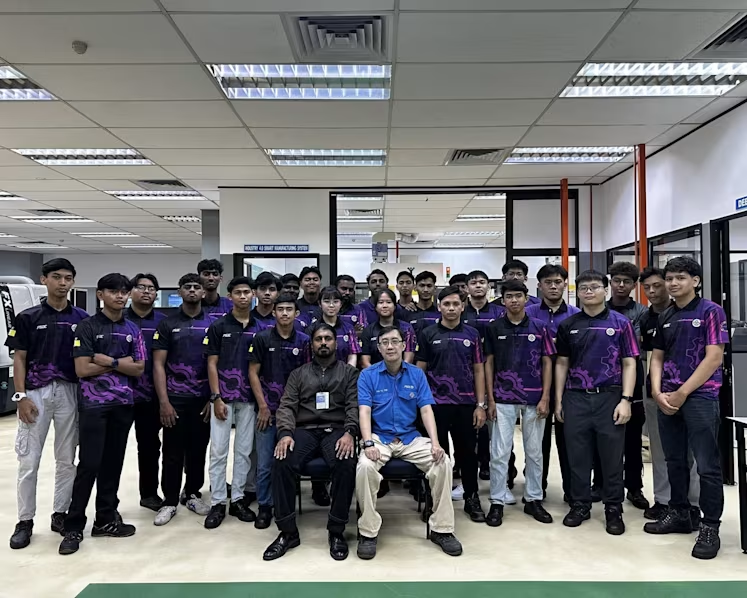
槟城培训机构PSDC提供的课程中,70%的培训在企业内进行,使学生在获得津贴的同时积累实践经验。
Penang-based training provider PSDC offers programmes where 70 per cent of training takes place within companies, allowing students to gain experience while receiving an allowance.
吉隆坡英国马来西亚学院(UniKL-BMI)也观察到类似的转变。
Universiti Kuala Lumpur British Malaysian Institute (UniKL-BMI) has observed a similar shift.
“学生们不仅仅在寻找一份文凭,他们更关注这份文凭能为他们带来什么,”雪兰莪州的职业教育与培训(TVET)提供者表示,该机构也在学士、硕士和博士层面提供部分技术教育课程。
“Students are not simply looking for a qualification, they are looking at where that qualification can take them,” said the TVET provider based in Selangor, which also offers some technical education programmes across bachelor’s, master’s and doctoral levels.
基于其观察,UniKL-BMI指出,青年及其父母正在考虑诸如就业前景、专业认证、薪酬潜力和行业曝光等因素。
Based on its observations, UniKL-BMI said that youths and their parents are considering factors such as employment prospects, professional certification, salary potential and industry exposure.
这使得半导体、电气与电子以及数字技术等领域的技术路径更具吸引力,UniKL-BMI表示。学生们在UniKL-BMI参加职业课程。
This makes technical pathways in areas such as semiconductors, electrical and electronics and digital technologies more attractive, it said. Students take part in a vocational class at UniKL-BMI.
在雇主方面,对TVET资历的看法已“显著改善”,因为企业在招聘具备所需实用技能的工人时遇到困难,雇主联合会的赛义德·胡赛因如是说。
Among employers, perceptions of TVET qualifications have “improved significantly” as companies face difficulties recruiting workers with the practical skills needed, said Syed Hussain of the employers federation.
“对许多雇主而言,关键考量不再是候选人是否持有大学学历或TVET资历,而是该个体是否具备有效履行工作所需的能力,”他说。
“For many employers, a key consideration is no longer whether a candidate holds a university degree or TVET qualification, but whether the individual possesses the competencies required to perform the job effectively,” he said.
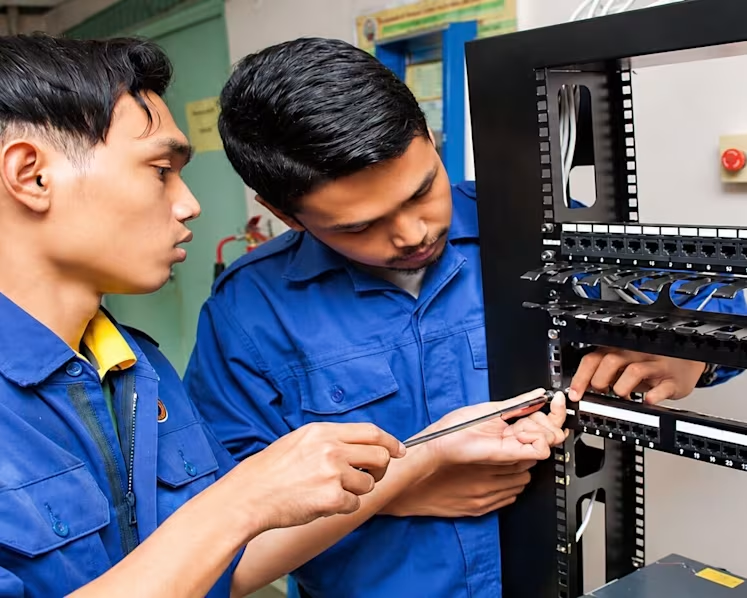
在制造、电气与电子、机电一体化和自动化等领域,TVET毕业生可能因其实践培训和对职场实践的熟悉而具有“明显优势”,赛义德·胡赛因补充道。推动职业培训也与马来西亚更广泛的工业雄心紧密相关。
In fields such as manufacturing, electrical and electronics, mechatronics and automation, a TVET graduate could have a “distinct advantage” because of their hands-on training and exposure to workplace practices, Syed Hussain added. The push for vocational training is also closely linked to Malaysia’s broader industrial ambitions.
政府近年来加大了对职业教育和培训(TVET)的力度,包括在2020年成立国家TVET委员会以加强协调。
The government has stepped up efforts on TVET in recent years, including through the establishment of the National TVET Council in 2020 to strengthen coordination.
2026年预算案中,TVET获得79亿令吉的拨款,较去年的75亿令吉有所增加。吉隆坡市区天际线。
Under Budget 2026 RM7.9 billion was allocated to TVET, up from RM7.5 billion the previous year. The Kuala Lumpur city skyline.
马来西亚于2023年9月推出的《新工业总蓝图》(NIMP)2030也指出,将在关键领域扩大针对高技能岗位的TVET项目。人力资源部下属机构人才公司(TalentCorp)指出,存在66个需求量大且招聘困难的关键职业,国家TVET委员会的阿兹米尔如是说。
Malaysia’s New Industrial Master Plan (NIMP) 2030 launched in September 2023 also identifies expanding TVET programmes for high-skilled jobs in critical sectors TalentCorp, an agency under Malaysia’s Ministry of Human Resources, identified 66 critical occupations where demand is high and vacancies are relatively difficult to fill, said Azmir of the National TVET Council.

这些职业包括工业和生产技术员、机械工程技术员和焊工,以及数据和网络安全专业人员。
They include industrial and production technicians, mechanical engineering technicians and welders, as well as data and cybersecurity professionals.
根据国家半导体战略,马来西亚计划到2030年培养和提升6万名高技能本地工程师。
Under the National Semiconductor Strategy, Malaysia aims to train and upskill 60,000 highly skilled local engineers by 2030.
马来西亚-德国工商会职业教育与培训主管库马兰·奈尔·尚穆加姆表示,马来西亚对技术与职业教育的“重新强调”反映了一个经济现实:该国已“达到以低成本劳动力为基础的增长模式的极限”。
Malaysia’s “renewed emphasis” on technical and vocational education reflected an economic reality that the country has “reached the limits of a growth model built on low-cost labour”, said Kumaran Nair Shanmugam, head of vocational education and training at the Malaysian-German Chamber of Commerce and Industry.
“马来西亚自20世纪90年代初以来一直是中上等收入经济体,但尚未跻身高收入行列,而如今缩小这一差距的关键在于转向高价值产业,”他对《亚洲新闻台》(CNA)表示。
“Malaysia has been an upper-middle income economy since the early 1990s yet it has not crossed into the high-income status, and closing that gap now depends on moving into higher-value industries,” he told CNA.
库马兰还说,熟练的本地劳动力供应是企业决定在何处进行重大投资时考虑的因素之一。
The availability of skilled local workers is one of the factors companies consider when deciding where to locate major investments, Kumaran said.
这就是为什么确保一个可信的TVET体系能够提升马来西亚的竞争力,他补充道。
That is why ensuring a credible TVET system could improve Malaysia’s competitiveness, he added.
从供给驱动转向产业驱动的TVET 尽管政府对TVET的支持力度有所加强,但观察人士和业界人士表示,该体系仍可通过更加以产业为导向来实现改进。
FROM A SUPPLY-DRIVEN TO INDUSTRY-DRIVEN TVET Despite strengthened government support for TVET, observers and industry players said the system can be improved by being more industry-driven.
马来西亚的现有职业教育和培训(TVET)模式仍然过于以供给为主导,泰勒大学马来西亚分校教育学院教授万昌达如是说。
Malaysia’s current TVET model remains too supply-driven, said Wan Chang Da, a professor at the School of Education at Taylor’s University Malaysia.
它仍然“在很大程度上遵循高等教育模式”,即培训机构决定所提供的课程及其课程设置,他说。
It still “largely follows a higher education model”, where training institutions determine the programmes offered and their curricula, he said.
“虽然(机构)会说有行业投入,但行业(参与者)通常只是担任顾问角色,并未直接参与学生的培养,”万昌达说。
"Although (institutions) will say that there is industry input, the industry (players) are usually just taking an advisory role, not directly involved in the development of the students,” Wan said.
这与需求驱动型TVET不同,在需求驱动型TVET中,行业和企业直接参与学生招聘、课程设定、培训,最终还负责雇佣他们。
This differs from a demand-driven TVET, where industries and businesses are directly involved in recruiting students, determining the curriculum, training and, finally, hiring them.
马来西亚雇主联合会认同该国需要转向“以行业需求为驱动的模式”。
The Malaysian Employers Federation agreed the country needs to move to an “industry demand-driven model”.
“雇主应直接参与课程开发、设备选择、评估、实习和认证,”赛义德·侯赛因说。“学生应在实际工作场所度过有意义的学习时间,而非主要接受机构为基础的培训。”行业参与应超越谅解备忘录的范围,而TVET教师也需要持续接触行业,以应对技术和工作场所需求的变化,他说。
“Employers should be involved directly in curriculum development, equipment selection, assessment, internships and certification,” said Syed Hussain. “Students should spend meaningful periods learning in actual workplaces rather than receiving predominantly institution-based training.”Industry participation should go beyondg memoranda of understanding, while TVET instructors also need continuous exposure to industry as technologies and workplace requirements evolve, he said.
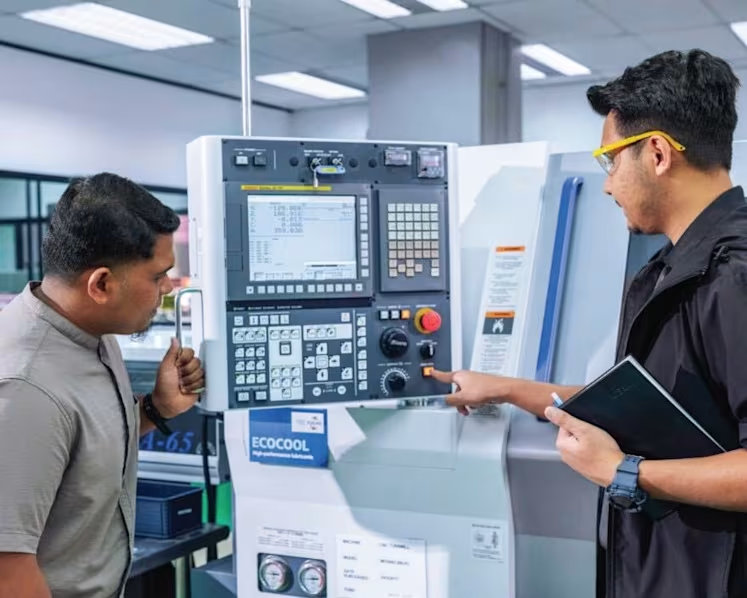
根据政府的TVET门户网站,马来西亚全国共有1996所TVET机构。
Malaysia has 1,996 TVET institutions nationwide, according to the government’s TVET portal.
在某些领域,技术变革的速度可能快于认证和课程审查,机构表示。
In some fields, technology can change faster than accreditation and programme reviews, institutions said.
例如,槟城技能发展中心(PSDC)正努力使其培训内容与槟城日益先进和自动化的制造业需求保持一致。“需求正在变化……(行业)现在更倾向于让具备一定技术准备的初级技术员或受访装配工进入制造环境,”PSDC的纳拉亚南说。
For instance, PSDC is working to keep its training aligned with the needs of Penang’s increasingly advanced and automated manufacturing sector“The requirements are changing … (The) industry would now prefer a junior technician or a trained assembler to step into the manufacturing environment with some level of technical preparation,” Narayanan of PSDC said.
他补充道,机电一体化和自动化技能的需求也正日益得到数据分析、传感器、物联网和人工智能等领域要求的补充。
The demand for mechatronics and automation skills is also increasingly being complemented by requirements in data analytics, sensors, the Internet of Things and AI, he added.
然而,过早向学生引入新技术可能会以牺牲技术基础为代价,他说。
Yet, introducing new technologies too early to students may come at the cost of technical fundamentals, he said.
以精密加工为例,具备人工智能功能的系统可以自动开发数控程序。但“我们不希望的是,学生在不理解基础知识的情况下盲目使用这些工具,更重要的是,他们没有能力质疑人工智能给出的结果,”纳拉亚南说。
In precision machining, for example, AI-enabled capabilities could develop computer numerical control programmes automatically. But “what we do not want is students to use these tools blindly without understanding the fundamentals and, importantly, without having the ability to question what AI is giving them,” Narayanan said.
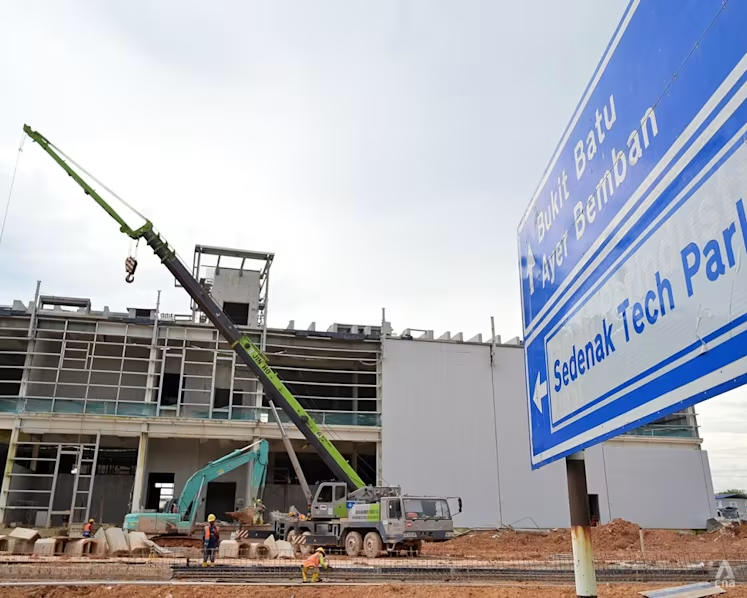
2024年,柔佛古来县斯德纳克科技园正在建设中的文件照片。该园区将成为马来西亚最大的数据中心。行业内部人士表示,可以借鉴其他国家的经验。
A file photo of Sedenak Tech Park in Johor's Kulai district under construction in 2024. It is set to be the biggest data centre in Malaysia. There is room to learn from the experiences of other countries, industry insiders said.
马来西亚-德国工商会的库马兰表示,新加坡“在区域内脱颖而出,成为标杆”,因为它拥有“将技术教育与职场学习和行业参与紧密衔接的强有力体系”。
Kumaran of Malaysian-German Chamber of Commerce and Industry said Singapore “stands out as a regional benchmark” with a “strong system linking technical education with workplace learning and industry participation”.
一个例子是新加坡技术教育学院(ITE)提供的工作-学习文凭课程,该学院是一所高等教育机构。在此课程中,雇主通过在岗位培训承担约70%至80%的课程内容,而学生仍是合作公司的员工,并在工作中努力获得文凭。
One example is the Work-Study Diploma offered by Singapore’s Institute of Technical Education (ITE) a post-secondary institution. Under the programme, employers deliver about 70 to 80 per cent of the curriculum through on-the-job training, while students remain employees of the partner companies and work towards their diploma.
与马来西亚涉及12个部门的技职教育培训(TVET)模式不同,新加坡教育部(MOE)对高等职业培训承担总体责任。
Unlike Malaysia’s TVET model which involved 12 ministries, the Ministry of Education (MOE) has overall responsibility for post-secondary vocational training in Singapore.
“虽然结构和模式相当相似,但新加坡与产业的互动远比马来西亚更紧密和更强,”泰勒大学的万说,并补充说,马来西亚的TVET体系“比新加坡的更复杂”。东南亚以外,德国提供了雇主直接承担职业培训责任的例子。
“Although the structure and model is quite similar, the engagement with industries is much closer and stronger than in Malaysia,” said Wan of Taylor’s University, adding that Malaysia's TVET system is “more complex” than Singapore’s. Outside Southeast Asia, Germany offers an example of employers taking direct responsibility for vocational training.
在其双元制职业培训体系下,学徒通常在公司和职业学校之间分配时间,雇主直接参与他们希望雇佣的工人的培养。
Under its dual vocational training system, apprentices usually divide their time between companies and vocational schools, with employers directly involved in developing the workers they want to hire.
“德国双元制之所以有效,根本原因在于:行业不仅仅是提供培训建议,而是直接运行培训,”马来西亚-德国商会的库马兰说。
“The German dual system works for one fundamental reason: (The) industry does not merely advise on training, it runs it,” said Kumaran of the Malaysian-German Chamber.
但库马兰指出,德国的模式“建立在数十年来强大的雇主协会、工会以及文化认同的基础上”,并表示,只有当“工作场所方面与课堂方面同样强大”时,双元模式才能发挥作用。
But Kumaran noted Germany’s model “rests on decades of strong employer associations, unions and cultural buy-in”, and said the dual model only works when the “workplace side is as strong as the classroom side”.
对于马来西亚,“当前的关键问题是执行:我们如何有效地将这种雄心和资金转化为真正由行业思维驱动、能够满足雇主实际需求的培训,”他说。
For Malaysia, “the key question now is delivery: How effectively we translate that ambition and funding into training that is genuinely driven by industry mindset and produces the skills employers actually need,” he said.
政府承认,马来西亚的职业教育培训(TVET)体系在很大程度上仍以机构为基础。
The government acknowledged that much of Malaysia’s TVET system remains institution-based.
国家职业教育培训委员会的阿兹米尔将此描述为一种“结构性挑战”,因为学生主要在TVET机构内接受培训,而行业参与者仅通过实习或工业培训介入。
Azmir of the National TVET Council described this as a “structural challenge” as students are mainly trained within TVET institutions, with industry players entering the picture only through internships or industrial training.
“下一步是超越实习,迈向更强的工作场所导向型TVET,特别是学徒制项目,在这些项目中,学习的相当一部分在企业内进行,并最终获得被认可的职业资格证书,”他说。
“The next step is to move beyond internships towards much stronger workplace-based TVET, particularly apprenticeship programmes where a substantial part of the learning takes place within a company and leads to a recognised vocational qualifications,” he said.
根据TVET委员会的数据,目前学徒制仅占马来西亚TVET总入学人数的3%至4%。
Apprenticeships currently account for only around 3 to 4 per cent of Malaysia’s total TVET enrolment, according to data from the TVET Council.
因此,扩大工作场所导向的学习是TVET 2.0的主要转变之一,阿兹米尔对《亚洲新闻台》(CNA)表示。
Expanding workplace-based learning is hence one of the major shifts under TVET 2.0, Azmir told CNA.
“长期目标不是取代以机构为基础的TVET,而是实现更好的平衡,使机构和行业共同承担培养马来西亚技能型劳动力的责任,”他说。
“The long-term objective is not to replace institution-based TVET. It is to create a better balance, where institutions and industry share responsibility for developing Malaysia's skilled workforce,” he said.
然而,让更多企业参与TVET仍是一个障碍,马来西亚中小企业(SMEs)的参与度仍然有限。
Getting more companies involved in TVET remains an obstacle, however, with participation among Malaysia’s small and medium-sized enterprises (SMEs) remaining limited.
纳拉亚南建议引入激励措施,以帮助更多中小企业参与,而马来西亚雇主联合会则建议简化行政安排。
Narayanan suggested introducing incentives to help more SMEs participate, while the Malaysian Employers Federation suggested having simpler administrative arrangements.
TVET毕业生和机构也表示,更清晰的经济回报将进一步提升职业培训的吸引力。
TVET graduates and institutions also say clearer economic payoffs will further boost the appeal of vocational training.
“我认为TVET毕业生的起薪可以更好,”Adham告诉CNA。
“I think the starting salary for TVET graduates can be better,” Adham told CNA.
“如果一名年轻的马来西亚人投入额外的时间和精力获得一张被认可的TVET证书,但进入劳动力市场后的薪水与SPM毕业生相比没有显著差异,那么就很难证明这种额外技能的经济价值,”UniKL-BMI表示。
“If a young Malaysian invests additional time and effort to obtain a recognised TVET certificate but enters the labour market at a salary that is not meaningfully different from an SPM leaver, it becomes difficult to demonstrate the economic value of that additional competency,” said UniKL-BMI.
焊接检查员努尔·阿达姆·沙姆斯扎曼希望TVET毕业生的起薪能有所提高。
Welding inspector Nur Adham Syamsuzzaman hopes for better starting salaries for fellow TVET graduates.
DPM Zahid去年表示,90%的TVET毕业生的平均起薪约为2000马来西亚令吉。这个数额比马来西亚每月1700令吉的法定最低工资高出不到20%。
The average starting salary for 90 per cent of TVET graduates is around RM2,000, DPM Zahid said last year. This amount is less than 20 per cent higher than Malaysia’s statutory minimum wage of RM1,700 per month.
已出现改善迹象。根据马来西亚高等教育部每年进行的毕业生追踪调查数据,该调查旨在追踪毕业生的就业状况和职业发展,拥有学士学位水平TVET课程的毕业生中,月收入2001令吉或以上的比例从2020年的45.7%上升至2025年的76.9%。
There have been signs of improvement. Among graduates from bachelor’s-level TVET programmes, the proportion earning RM2,001 or more a month rose from 45.7 per cent in 2020 to 76.9 per cent in 2025, according to the Graduate Tracer Study data, an annual survey by Malaysia’s Ministry of Higher Education to track graduates’ employment status and career outcomes.
PSDC表示,其毕业生通常以每月约2200至2500令吉的基本薪金进入职场,具体取决于公司和职位,此外还可能获得津贴。
PSDC said its graduates typically enter the workforce on monthly base salaries of around RM2,200 to RM2,500, depending on the company and role, with allowances potentially paid on top of that.
马来西亚人力资源论坛的阿尔库马尔表示,年轻人必须看到能够晋升至专家、主管、工程师和管理职位的清晰机会,技术教育才能成为一个更具吸引力的长期选择。
Arulkumar of Malaysia HR Forum said young people must see clear opportunities to advance to specialist, supervisory, engineering and management positions if technical education is to become a more attractive long-term proposition.
TVET毕业生法伊兹表示同意。拿到文凭后,他在一家制造公司工作了大约一年,随后前往马来西亚玻璃市大学攻读机械技术学士学位。他现在回到了起点:在PSDC,不过是以讲师的身份。
TVET graduate Faeez agreed. After getting his diploma, he worked at a manufacturing firm for about a year before pursuing a bachelor’s degree in mechanical technology at Universiti Malaysia Perlis. He is now back where he started: At PSDC, albeit as an instructor.
他说,选择职业教育路线不仅教会了他如何操作机械,“它让我获得了一项专业的终身职业,我可以不断解决问题并指导他人也这样做。”
Taking the TVET route, he said, has not only taught him to operate machinery. “It has given me a specialised lifelong profession where I can continuously solve problems and guide others to do the same,” he said.