Cell Press,世界领先的科学出版社之一,在著名中国生物学家 Rao Yi 指控一本顶尖医学期刊的主编向大陆作者索取贿赂后,已启动调查。
Cell Press, one of the world’s leading scientific publishers, has launched an investigation after prominent Chinese biologist Rao Yi accused the editor-in-chief of a top medical journal of soliciting bribes from mainland authors.
“几家重要的国际学术期刊出现了编辑,甚至主编索取和接受贿赂的情况,”北京大学特聘教授、去年卸任首都医科大学校长的 Rao Yi 在上周二的一条社交媒体帖子中表示。“中国科学家应当共同抵制这样的编辑,”他补充道。
“Several important international academic journals have seen editors, and even editors-in-chief, soliciting and accepting bribes,” said Rao, a tenured chair professor at Peking University who stepped down as president of Capital Medical University last year, in a social media post last Tuesday. “Chinese scientists should collectively boycott such editors,” he added.
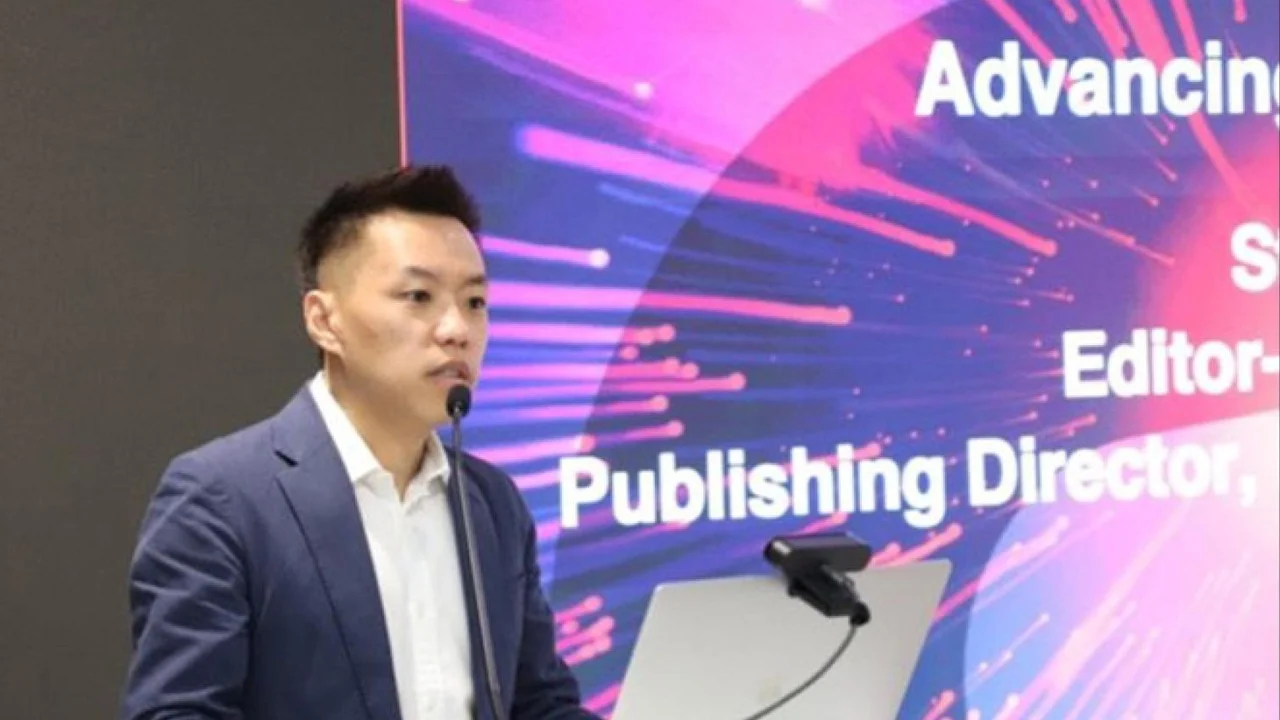
Rao 的帖子点名了 Cancer Cell 期刊的主编 Steve Mao — — 该期刊由 Cell Press 出版,为同行评审的医学期刊 — — 在贿赂指控中。
Rao’s post singled out Steve Mao, the Chinese-born editor-in-chief of Cancer Cell – a peer-reviewed medical journal published by Cell Press – in the bribery allegation.
“中国的组织和各类评估机构应当意识到,许多人认为 Steve Mao 存在严重问题,”Rao 说。
“Organisations and various assessment bodies in China should be aware that many people believe Steve Mao has serious issues,” Rao said.
根据公开信息,Mao 于 2002 年毕业于北京大学,随后获得德克萨斯大学西南医学中心的博士学位。
According to publicly available information, Mao graduated from Peking University in 2002 and later obtained a PhD from the University of Texas Southwestern Medical Centre.
Mao 在进入学术出版行业之前,曾在 Cold Spring Harbor 和哈佛大学进行博士后研究。
Mao undertook postdoctoral research at Cold Spring Harbor and Harvard University before entering the academic publishing industry.
他自 2020 年起担任 Cancer Cell 的主编,并在去年八月起担任 Cell Press 中国及亚太地区编辑与战略倡议部门的主管。《南华早报》联系了 Mao,就此事征求其评论。
He has served as editor-in-chief of Cancer Cell since 2020 and been director of editorial and strategic initiatives for China and the Asia-Pacific region at Cell Press since August last year. The South China Morning Post reached out to Mao seeking comment on the matter.
上周五晚上,Cell Press 在其一官方社交媒体平台上宣布,已“启动相关程序并委托外部独立第三方进行全面调查”。
Last Friday evening, Cell Press announced on one of its official social media platforms that it had “initiated the relevant procedures and commissioned an external, independent third party to conduct a comprehensive investigation”.
“调查进行期间,我们不会就此事发表进一步评论,”出版社表示。
“While the investigation is ongoing, we will not be making any further comment on this matter,” the publisher stated.
另据该出版商发言人向中国大陆杂志《中国新闻周刊》透露,Cell Press 对其编辑流程的诚信问题高度重视。
Separately, a spokesperson for the publisher told the mainland magazine China Newsweek that Cell Press took the integrity of its editorial process very seriously.
发言人称,出版商正按照既定程序审查此事,并正在联系 Rao,以请求他可能提供的任何支持证据。
The publisher was reviewing the matter in accordance with established procedures and contacting Rao to request any supporting evidence he might have, the spokesperson said.
据中国大陆媒体报道,毛原定于今年11月初参加由 Cell Press 和西湖大学共同主办的学术会议,但近期已被一位同事替换。
According to mainland media reports, Mao was originally scheduled to attend an academic conference co-hosted by Cell Press and Westlake University in early November but had recently been replaced by a colleague.
Rao 声称此事并非孤立事件,称“有相当数量的期刊和个人涉及其中”。
Rao alleged the matter was not an isolated instance, saying “a considerable number of journals and individuals are implicated”.
他在提及毛的前一天在社交媒体上发文称,他曾听中国科学家透露,“一些国际学术期刊的编辑要求收取个人财务付款,以换取帮助中国研究人员发表论文”。
In a social media post the day before he mentioned Mao, Rao said he had heard from Chinese scientists that “some editors at international academic journals demand personal financial payments in exchange for helping Chinese researchers publish their papers”.
他概述了一起他声称的案例:一名临床医生“贿赂”了编辑,以期在期刊上发表论文。
He broadly referred to a case in which he claimed a clinician had “bribed” an editor to secure publication in a journal.
据 Rao 所说曾向他透露此事的消息人士透露,该期刊编辑对提交稿件的临床医生给出了报价:“初始付款为 200 万元人民币(约合 29.9 万美元),随后可能还需支付更多费用。”
According to a source whom Rao said had disclosed the matter to him, the journal editor in question gave the clinician submitting the manuscript a quote: “An initial payment of 2 million yuan (US$299,000), with more [fees] potentially required later.”
据该帖文所述,Rao 曾向被指控的编辑发送邮件,写道:“多位消息来源曾将你作为一个例子提及,称你是一名曾在所服务的期刊担任编辑期间,索取个人付款以促成论文发表的编辑。” Rao 表示,该编辑对这些指控予以否认,称其为“完全虚假且毫无根据”。
According to the post, Rao sent an email to the accused editor, writing: “Multiple sources have mentioned you as an example of an editor who has requested personal payment for publishing with journals you have served as an editor.”Rao said the editor in question had rejected the allegations, dismissing them as “completely false and baseless”.
根据 Rao 的帖文,该编辑在回复中称:“这是完全虚假且毫无根据的。我要求你立即撤回这一虚假声明。我已保存所有证据并保留所有权利。我不会在此继续进行辩论。”
“This is completely false and baseless. I demand you immediately retract this false statement. I have preserved all evidence and reserve all rights. I will not engage in further debate here,” the editor said in reply, according to Rao’s post.
南华早报无法独立核实拉奥的主张,已联系拉奥以获取有关指控的更多细节。
The SCMP could not independently verify Rao’s claims and reached out to Rao seeking further details regarding the allegations.
一位在国际学术出版领域资深的中国专业人士表示,花费数十万甚至数百万元人民币以获得发表机会的做法是一种“默认”的现象,尤其在顶尖医学期刊中。
According to a veteran Chinese professional in the international academic publishing sector, spending hundreds of thousands or even millions of yuan to open a possibility of securing publication was a “tacitly understood” phenomenon, particularly in top-tier medical journals.
该人士在匿名条件下接受采访,称此事敏感,并解释说这种做法旨在提高发表概率。
Speaking on condition of anonymity, citing the sensitivity of the matter, the insider explained that this practice served to increase the probability of publication.
例如,直接投稿极有可能在第一轮被直接拒稿。但一旦建立起内部关系,期刊编辑可能会给作者更多机会,并提供具体的修改指导。
For instance, a direct submission was highly likely to be rejected outright in the first round. However, once an internal relationship was established, journal editors might grant the author more opportunities and provide specific guidance for revisions.
“我听说有些期刊已经因类似交易在内部对某些编辑进行了处罚,但这些事件大多只是在圈内流传,”他补充道,未提供任何已确认案例的细节。
“I have heard of some journals already disciplining certain editors internally over such transactions, but these incidents mostly just circulate within the circle,” he added, without providing details of any confirmed cases of the practice.
至于为何作者愿意花巨额资金贿赂期刊,该行业内部人士表示,主要原因在于中国与权威出版物相关的激励和回报“太高”了。
As to why authors would be willing to spend massive sums to bribe journals, the industry insider said it was primarily because the incentives and rewards associated with prestigious publications in China “are too high”.
“这本质上是一项投资,”他说,并指出,一旦论文在顶尖期刊发表,“各种学术头衔、资源和科研经费就会随之而来”。
“It is essentially an investment,” he said, noting that once a paper was published in a top journal, “all sorts of academic titles, resources and research grants follow”.
越来越多的科学界专业人士致力于监督和揭露中国的学术不端行为,这一努力在某些情况下已促使政府采取行动。
A growing number of professionals in the scientific community are dedicating themselves to monitoring and exposing academic misconduct in China, an effort that has already prompted government action in some cases.
近年来,知名博客作者、博士退学者“耿学生”耿宏伟已成为中国最突出的在线学术不端行为举报人。
In recent years, Geng Hongwei, a high-profile blogger and PhD dropout better known as ‘Student Geng’, has emerged as China’s most prominent online whistle-blower for academic misconduct.
八月下旬,在耿某指出其研究存在不端行为后,四名来自中国大陆的学者因涉嫌学术不端而在顶尖高校失去职务,并接受官方调查。
In late August, four mainland academics lost their posts at leading universities and came under official investigation after Geng flagged their research for misconduct.