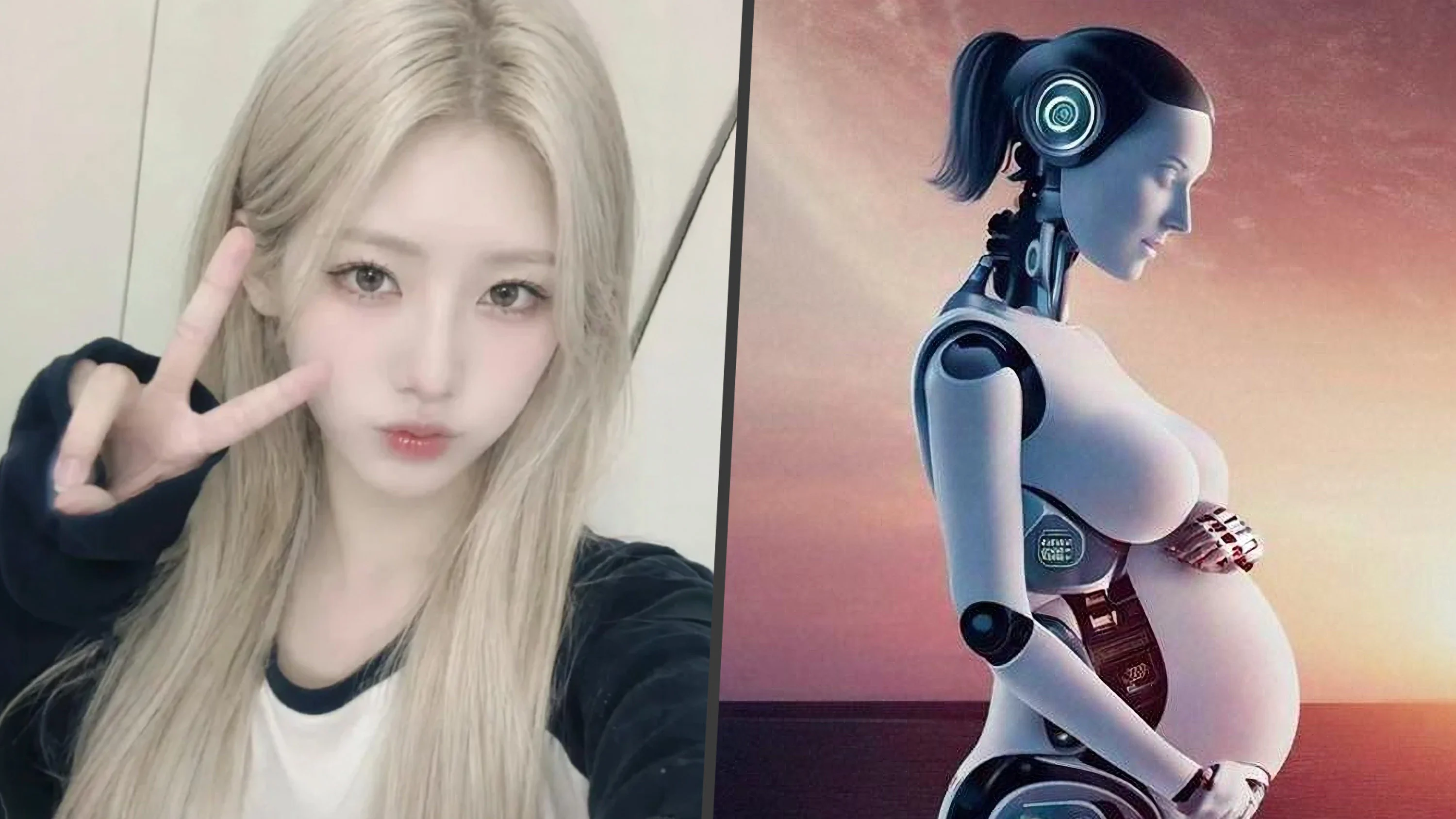
一支中国AI女团因宣布其虚拟成员“怀孕”以解释其离队而引发网络强烈反弹。
A Chinese AI girl group has sparked intense online backlash after announcing that one of its virtual members was “pregnant” to explain her departure.
BABYQUEEN是一支由中国东北辽宁省管理的四人K-pop风格AI女团,成立于9月,粉丝约1100人。
BABYQUEEN, a four-member, K-pop-style AI girl group managed in Liaoning province in northeastern China, formed in September and has around 1,100 followers.
10月13日,该团发布了一则以成员Mity视角撰写的公告。公告称她“怀孕”并将暂停所有公开活动,Mity请粉丝尊重她的隐私和新生活,但未透露“父亲”身份。该帖子迅速走红,在微博上获得超过7800万次浏览,引发关于数字人类身份边界的激烈争论。
On October 13, the group posted an announcement written from member Mity’s perspective. Saying she was “pregnant” and would pause all public activities, Mity asked fans to respect her privacy and her new life, without identifying the “father.”The post went viral, attracting more than 78 million views on Weibo and igniting fierce debate over the boundaries of humanlike identities for digital personas.
网民迅速表达愤怒和不相信。“真正的偶像都不敢提怀孕,她却从无数借口中选了这个,”一位用户评论道。
Netizens swiftly expressed outrage and disbelief. “Real idols wouldn’t dare mention pregnancy, yet she chose it from among countless excuses,” one user commented.
其他人质疑逻辑:“Mity没有实体身体。如果AI角色可以怀孕,她们该申请产假和生育补贴吗?”
Others questioned the logic: “Mity doesn’t have a physical body. If AI characters can get pregnant, should they claim maternity leave and childbearing subsidies?”
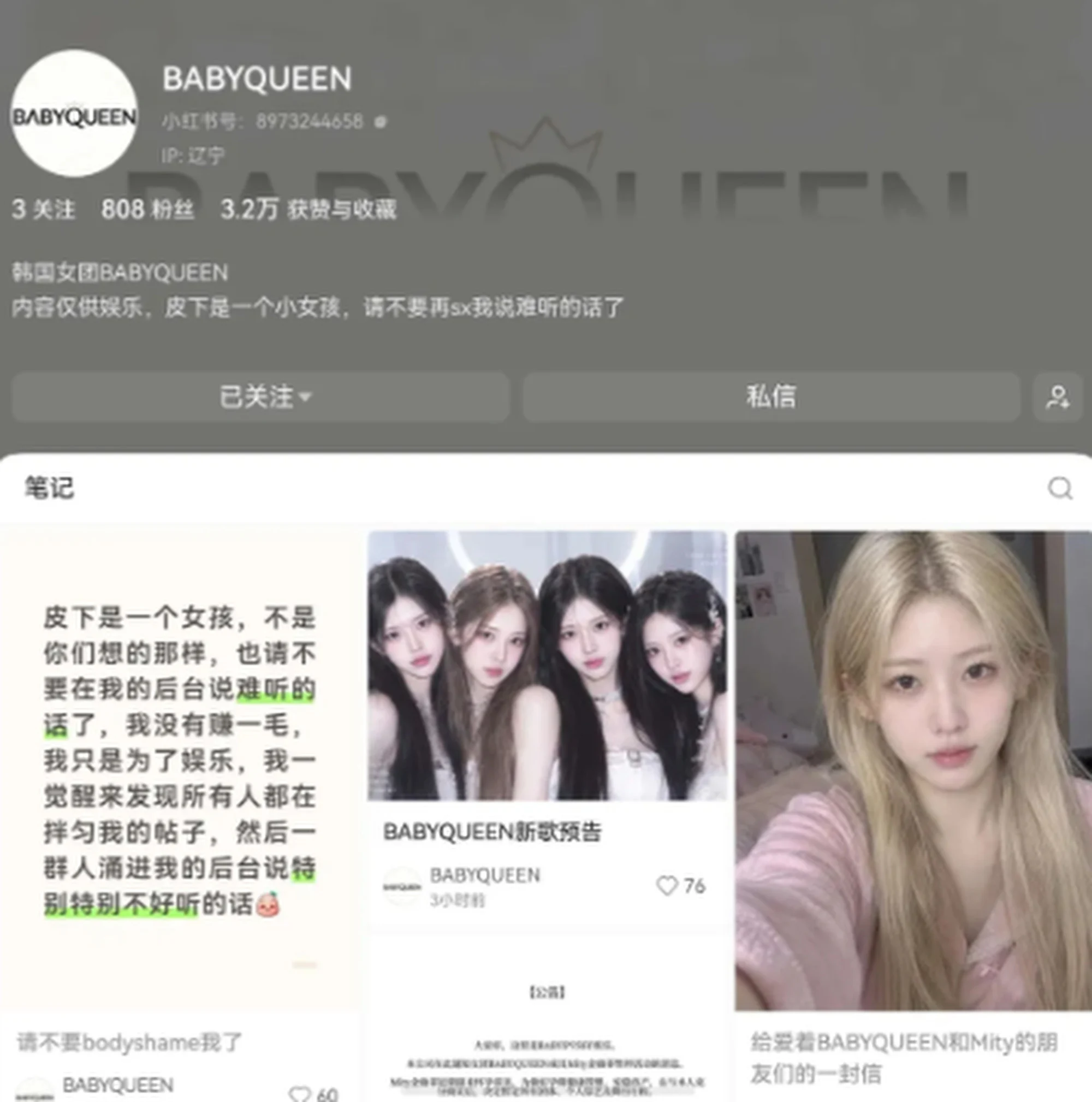
第三位网友调侃道:“团队只是token用完了钱,随便找了个借口来降低算力成本。”该团队的创作者后来承认,同时管理多个AI偶像已让他们不堪重负,因而决定缩减规模。
A third quipped: “The team simply ran out of money for tokens and came up with a lame excuse to cut computing costs.”The group’s creators later admitted that managing several AI idols at once had become overwhelming, prompting them to scale back.
在道歉中,他们承认用怀孕作为Mity离队的借口是不恰当的,并澄清整个叙事是虚构的。
In an apology, they acknowledged that using pregnancy as an excuse for Mity’s departure was inappropriate and clarified that the entire narrative was fictional.
创作者还解释说,BABYQUEEN是由几位年轻女性K-pop爱好者作为兴趣项目创建的,纯属自娱自乐,并无盈利意图。
The creators also explained that BABYQUEEN was created by a few young female K-pop enthusiasts as a passion project for their own enjoyment, with no intention of making a profit.
然而,道歉未能平息公众愤怒。批评者指责创作者将女性身体经历作为叙事工具,将公众情绪当作点击诱饵。
However, the apology failed to quell public anger. Critics accused the creators of using women’s bodily experiences as a narrative device and public sentiment as clickbait.
“发布的那一刻,它就把一个不应被利用的敏感话题商品化了,”一位观察者指出。
“The moment it was posted, it commodified a sensitive topic that should not be exploited,” one observer noted.

另一位提问者说:“当人类创造虚假的网络人设时,这违反了规定。AI是否可以免责?”来自中国中部湖北省的社会工作学者张勇向《南华早报》表示,此次事件凸显了AI生成内容的结构性问题。
Another asked: “When humans create fake online personas, it breaches regulations. Does AI get a free pass?”Zhang Yong, a social work scholar from Hubei province in central China, told the SCMP that the incident highlights a structural issue with AI-generated content.
“AI降低了内容创作的门槛,使得持续的高质量叙事变得稀缺,同时将事实核查的责任转移到了公众身上,”张勇说,并质疑此次炒作是否利用了与女性生殖经历相关的情感和道德分量。
“AI lowers the barrier to content creation, making sustained, high-quality storytelling scarce while shifting the burden of fact-checking onto the public,” Zhang said, questioning whether the stunt exploited the emotional and moral weight associated with women’s reproductive experiences.
其他分析人士指出,AI时代存在明显脱节:“尽管获得了巨额开发资源,AI似乎更经常地服务于耸人听闻和版权争议,而不是提供公众真正期待的高价值内容。”
Other analysts pointed to a sharp disconnect in the AI era: “Despite securing vast development resources, AI seems to serve sensationalism and copyright controversies far more often than it delivers the high-value content the public actually expects.”
10月14日,即怀孕宣布的第二天,该团体发布了一段韩国女子组合Aespa热门歌曲《》的翻唱音乐视频,进一步引发指责,称此争议是一种廉价的宣传噱头,旨在吸引流量至一个“制作粗糙的发布”。
On October 14, a day after the pregnancy announcement, the group released a cover music video of South Korean girl group Aespa’s hit song , prompting further accusations that the controversy was a cheap publicity stunt to drive traffic to a “poorly executed release.”
然而,也有少数声音呼吁共情,称:“这只是K-pop粉丝为了好玩而创作内容。人们没有必要把这件事升级为一场重大的道德运动。”涉及虚拟网红的争议在中国正日益增多。
A few voices, however, called for empathy, saying: “It’s just K-pop fans making content for fun. People don’t need to turn this into a major moral crusade.”Controversies involving virtual influencers are mounting across China.
7月,AI演员方桃子通过微短剧获得了40万粉丝,据报道其60秒的广告报价超过25万元人民币(约合3.7万美元)。
In July, AI actress Fang Taozi gained 400,000 followers through mini-dramas and reportedly charged more than 250,000 yuan (US$37,000) for a 60-second .
然而,在她的一段视频中评测隐形眼镜并称“戴了一整天后感觉很舒适”后,她的账号出现大量取关,并被市场监管部门标记为涉嫌欺骗性广告。
However, after reviewing contact lenses in a video and claiming they “felt comfortable after wearing them all day,” her account saw a wave of unfollows and was flagged by market regulators for deceptive advertising.