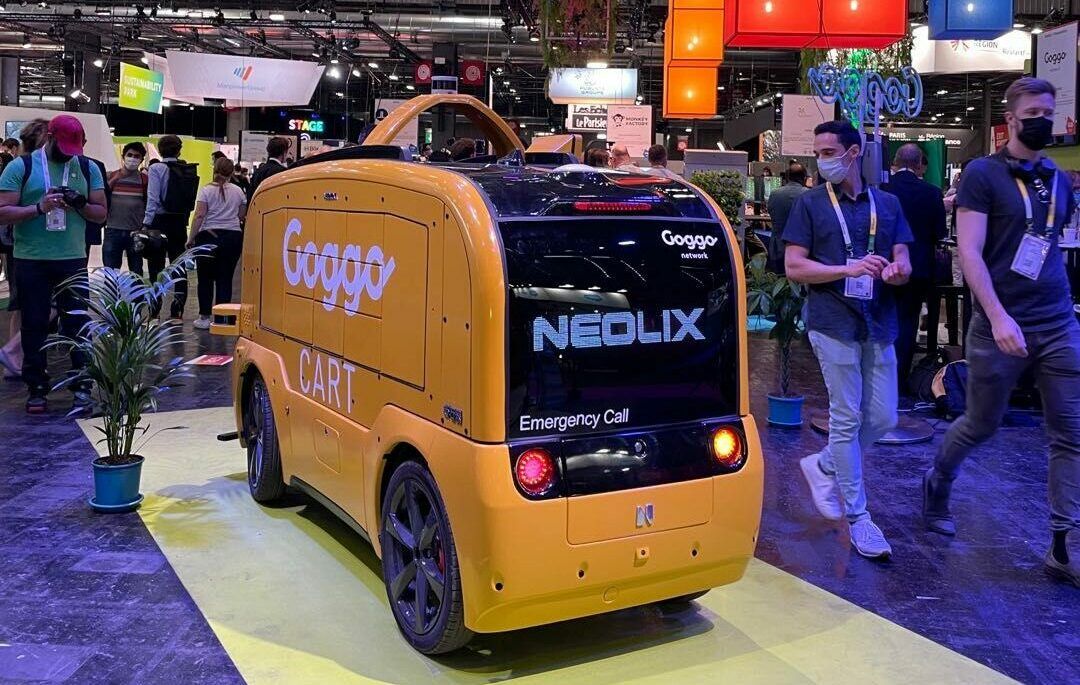
中国开发Robovan的公司Neolix周二宣布,正在进行E轮融资,筹集近4亿美元,以扩大海外业务并扩大商业运营规模。
the Chinese developer of Robovan, has announced it is raising nearly $400 million in a Series E funding round as it seeks to expand overseas and scale commercial operations.
该轮融资由博裕资本领投,吸引了阿里巴巴AEF NextGen基金、Monolith Management、Granite Asia、Vertex Growth、Meridian Capital、GAC Capital及其他投资者参与。
The round, anchored by Boyu Capital attracted Alibaba’s AEF NextGen Fund, Monolith Management, Granite Asia, Vertex Growth, Meridian Capital, GAC Capital and other investors, the company said on Tuesday.
现有股东,包括Trustar Capital、CDH VGC和云启资本,也参与了本轮融资。
Existing shareholders, including Trustar Capital, CDH VGC and Yunqi Partners, also participated in the round.
此次融资发生在其去年完成6亿美元D轮融资之后,当时这是中国自动驾驶领域规模最大的私募融资。
The fundraising comes about a year after it raised $600 million in its Series D financing the largest private fundraising in China’s autonomous driving sector.
2025年2月,Neolix在延长的C轮融资中获得10亿元人民币(约合1.373亿美元)。
It secured 1 billion yuan ($137.3 million) in an extended Series C round of financing in February 2025.
2021年,该初创公司完成B轮融资,金额为“几亿元人民币”,由中金资本和软银亚洲风险投资基金共同牵头。2019年,公司在A轮融资中筹得近1亿元人民币(约合1370万美元)。
In 2021, the startup closed a Series B round at “a few hundred million Chinese yuan,” with CICC Capital and SoftBank Ventures Asia jointly leading the deal. It raised nearly 100 million yuan ($13.7 million) in a Series A round in 2019.
Neolix成立于2018年初,专注于自动驾驶物流车辆的研发,即所谓的“Robovan”,用于在办公园区、工业园区、高校校园、住宅区和中央商务区实现货物和货运的自动化配送。
Neolix, founded in early 2018, specialises in the development of autonomous logistics vehicles, or the so-called “Robovans” that automate deliveries of goods and cargo in office and industrial parks, university campuses, residences, and central business districts.
公司表示,其车辆和配送服务目前覆盖中东、欧洲、亚洲和澳大利亚的市场。
Its vehicles and delivery services operate in markets across the Middle East, Europe, Asia and Australia, the company said.
根据公司披露,Neolix累计融资额已超过14亿美元,并称本轮融资为今年中国自动驾驶领域单笔最大的融资。
Neolix’s cumulative funding has exceeded $1.4 billion, according to the company, which described the latest round as the largest single financing in China’s autonomous driving sector this year.
公司计划将融资用于在主要区域市场建立本地服务中心,扩大全球客户履约网络。同时,将投资于人工智能模型的数据训练,以提升车辆安全性和性能,降低运营成本。
The company plans to use the proceeds to establish local service hubs in major regional markets and expand its global customer fulfilment network. It will also invest in data training for its artificial intelligence models to improve vehicle safety and performance and reduce operating costs.
“我们的目标是建设一个高效、可靠的自动驾驶运输网络,使其成为城乡基础设施的一部分,让更多社区能够获得负担得起的物流服务,”Neolix创始人兼首席执行官余恩元表示。
“Our goal is to build an efficient, reliable autonomous transport network that becomes part of urban and rural infrastructure and makes affordable logistics accessible to more communities,” said Enyuan Yu, founder and CEO of Neolix.
6月,Neolix获得马来西亚交通部批准,开始在赛城进行其第四级自动驾驶配送车辆的公共道路沙盒测试,标志着其进入该国自动驾驶出行计划,并推动其在东南亚的扩张。
In June, Neolix received approval from Malaysia’s Ministry of Transport to begin public-road sandbox testing of its Level 4 autonomous delivery vehicles in Cyberjaya, marking its entry into the country’s autonomous mobility programme and advancing its Southeast Asia expansion.
该批准是在马来西亚国家监管沙盒框架下授予的,允许Neolix在赛城——该国智慧城市中心——开始道路试验。公司表示,此举补充了其在新加坡及更广泛的亚太地区的持续扩张努力。
The approval, granted under Malaysia’s National Regulatory Sandbox framework, allows Neolix to begin road trials in Cyberjaya, the country’s smart city hub. The company said the move complements its ongoing expansion efforts in Singapore and the broader Asia-Pacific region.
Neolix将与马来西亚物流提供商永南物流、移动平台亚洲移动(Asia Mobiliti)以及人工智能基础设施公司MindHub共同开展试点。测试将评估包裹递送、校园物流和电子商务履行等使用场景,预计将持续到今年下半年。
Neolix will conduct the pilot with Malaysian logistics provider Tiong Nam Logistics, mobility platform Asia Mobiliti, and AI infrastructure company MindHub. The trials will evaluate use cases including parcel delivery, campus logistics and e-commerce fulfilment, with testing expected to run through the second half of the year.
公司表示,东南亚电子商务行业的快速增长以及对人工智能、机器人和智能出行的投资增加,使该地区成为自动驾驶物流的关键市场。
The company said Southeast Asia’s growing e-commerce sector and increasing investment in AI, robotics, and smart mobility make the region a key market for autonomous logistics.