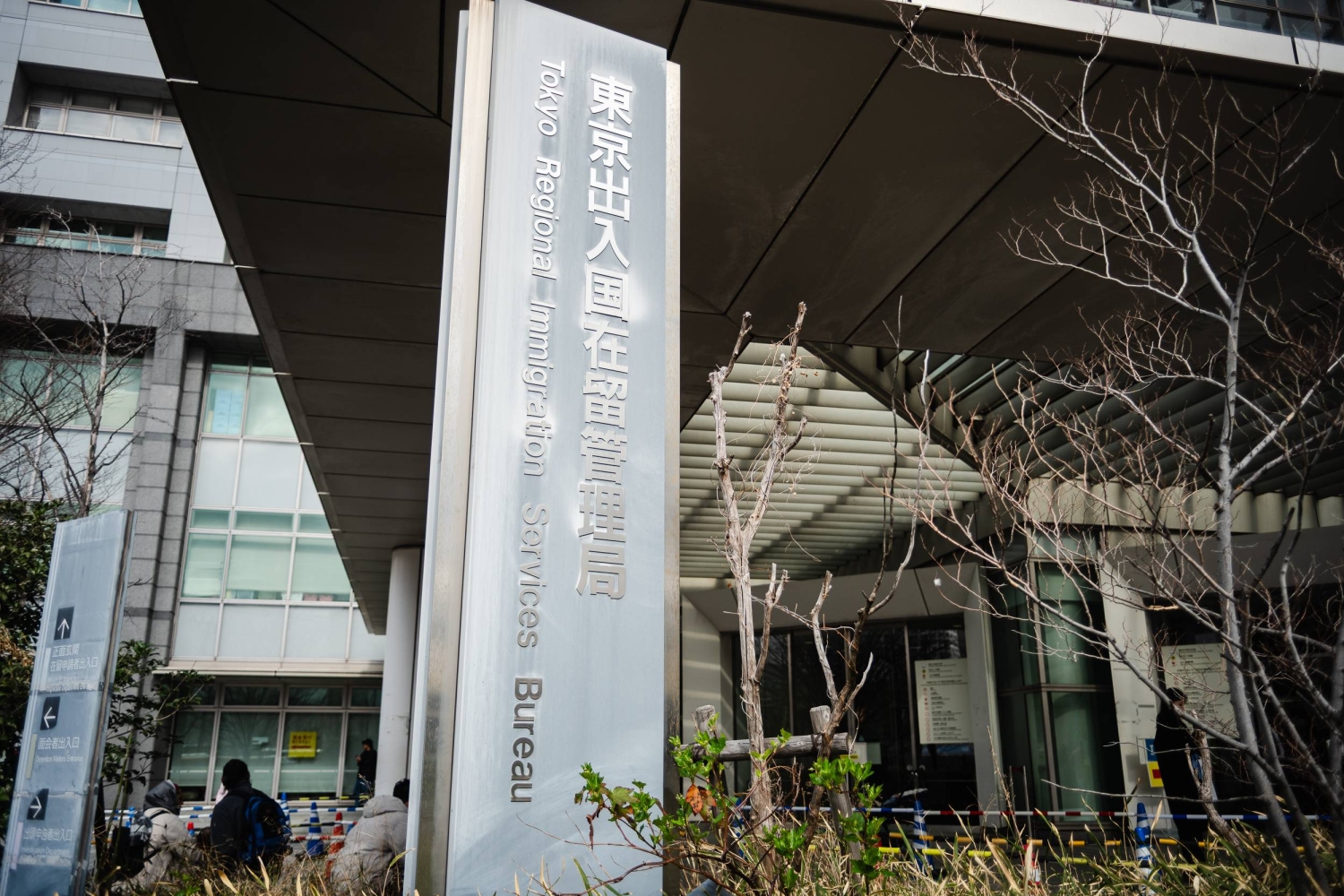
把语言要求置于基础设施之前是一个失误日本的移民改革存在风险,因为在明确的评估标准和配套基础设施到位之前,就把永久居留权与语言能力更紧密地挂钩,这可能造成不确定性。约翰·布鲁克斯日本入国管理局于10月1日修订了永久居留权的指南,将日语水平作为审查过程中的一个明确考虑因素。
Japan’s permanent residency reform has a glaring blind spot Putting language requirements before infrastructure is a blunder Japan's immigration reforms risk creating uncertainty by tying permanent residency more closely to language proficiency before clear assessment standards and supporting infrastructure are in place. | Johan Brooks Japan’s Immigration Services Agency on Oct. 1 revised its guidelines for permanent residency, introducing Japanese-language proficiency as an explicit consideration in the screening process.
根据修订后的指南,该指南将一般适用于2027年4月以后提交的申请,申请人可能会根据政府《日语教育参考框架》所对应的B1级水平进行评估。
Under the revised guidelines, which will generally apply to applications submitted from April 2027, applicants may be evaluated against a benchmark broadly associated with B1-level proficiency under the government’s Reference Framework for Japanese Language Education.
期望长期居住的外国人发展日语能力本身并没有什么不合理。语言能力可以促进社会参与、获取信息以及与当地社区的互动。
There is nothing inherently unreasonable about expecting long-term foreign residents to develop Japanese-language skills. Language proficiency can facilitate social participation, access to information and engagement with local communities.