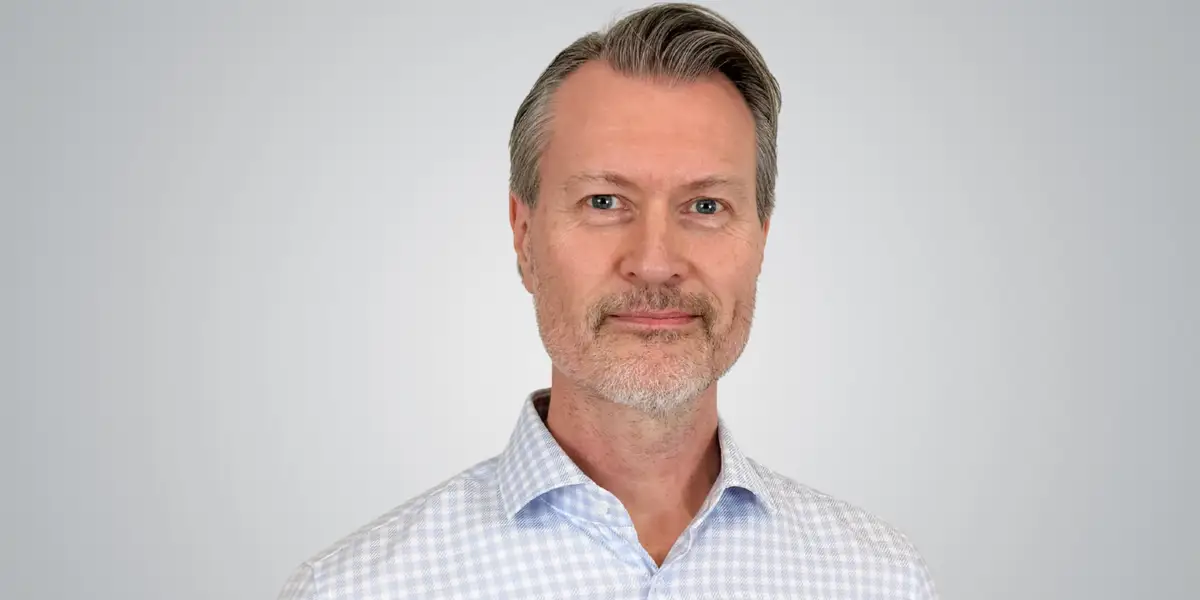
这篇口述文章基于笔者与汉斯·哈塞尔比-安德森的对话整理而成。现年56岁的他是丹麦半导体初创企业Lotus Microsystems的首席执行官,也是Merus Audio的联合创始人;后者于2018年被英飞凌收购。为控制篇幅并提升行文清晰度,内容经过适当编辑。
This as-told-to essay is based on a conversation with Hans Hasselby-Andersen, 56, CEO of Danish semiconductor startup Lotus Microsystems and cofounder of Merus Audio, which was acquired by Infineon in 2018. The following has been edited for length and clarity.
2008年9月,我辞去德州仪器的工作准备创办一家半导体公司,当时我的四个孩子年龄介于5岁到14岁之间。当时正值金融危机高峰期:美国雷曼兄弟公司轰然倒闭,整个信贷市场几乎陷入停滞。在这种大环境下决定创业并着手融资,确实是个极为冒险的举动。我的上司当时看我的眼神简直就像在看个疯子。如今回想起来,或许我应该再等一年左右,先冷静一下再行动。不过问题在于:一旦有了创业念头且动力十足,就实在等不下去了,必须立刻付诸行动。
When I quit my job at Texas Instruments in September 2008 to start a semiconductor company, I had four children between the ages of 5 and 14. It was almost the height of the financial crisis. You had Lehman Brothers going down in flames in the US, and the whole credit market was just freezing up. So to jump out at that point and go into fundraising was a big, big step. My manager was looking at me like I was crazy, basically. Thinking back, probably I should have waited a year or so and just cooled off a little bit. But the thing is, once you have an idea and you're really motivated, you can't really wait. You have to go do something about it.
我是一名电气工程师。职业生涯早期,我曾加入一家初创企业,结果入职仅五六个月后这家公司就被德州仪器收购了。对于企业被收购、实现“退出”这类概念,我当时完全陌生。这件事在我心中埋下了种子:如果条件合适,这同样是一条值得选择的职业路径,而不必非要在大公司里打拼。此后我便留在德州仪器,从事音频半导体相关业务。
I'm an electrical engineer by training. Earlier in my career, I joined a small startup that was acquired by Texas Instruments about five or six months after I arrived. The whole concept of a company being acquired, an exit and all that, was all new to me. It planted a seed in my head that, if the circumstances were right, this was also a path I could take, and not just build my career in a large company. I stayed at Texas Instruments and worked in the audio semiconductor business.
在与市场的互动中我逐渐意识到:在便携式音箱、回音壁这类产品中,确实需要一种能效更高的扬声器驱动方案。我看到了市场需求,却缺乏相应的技术解决方案,因此首要任务就是找到一位能为此提供技术支撑的联合创始人。我觉得这种做法在科技初创企业里其实相当少见:通常都是有人先研发出某项技术,再去寻找它的应用场景,而我走的是完全相反的路。
I was picking up things from my interactions in the market where I thought there was actually a need for a much more energy-efficient way to drive speakers in products like portable speakers and soundbars. I saw a market need, but I didn't have the technical solution, so my first task was to go out and find a cofounder who could come up with a technical solution for that market. I think that's actually quite unusual for tech startups. Normally, somebody comes up with some technology, and then they go out and try to see where it can be applied. This was the opposite approach.
就在我辞职前,我给银行打电话,询问能否开通基本的透支服务,好让我手头有多些资金维持生活。说实话,我觉得要是再等两周,恐怕就申请不下来了。当时正是金融危机全面爆发的时期,我实在怀疑自己还能不能获得那笔信贷额度。获得第一笔资金花了将近一年时间。期间我大概接触了50到100位不同的投资者。这过程真的就像相亲一样——你得努力让公司显得有吸引力、值得投资,但大多数时候都会遭到拒绝,原因可能是投资者不涉足你所在的行业、时机太早或太晚,又或者你不符合他们的投资标准。
Just before I resigned, I called my bank and asked if I could get a basic bank overdraft facility just to give me some extra headroom to live on. Honestly, I think if I had waited two weeks, I wouldn't have gotten it. It was just when the financial crisis started to really kick in, and I seriously doubt I would've gotten that line of credit. Getting the first funding took the better part of a year. I probably spoke to between 50 and 100 different investors. It's really a dating game. You try to look appealing and interesting from a company point of view, but you mostly get rejections because the investor doesn't invest in your domain, you're too early, you're too late, or you don't fit their profile.
为了寻找潜在客户,我自掏腰包前往日本、韩国和新加坡。我想借此验证自己的创业想法是否可行,了解客户面临的难题与需求,从而完善商业计划。最终,我筹集到了约合15万至20万美元的资金。这笔钱数额有限,不到半年就花光了。拿到钱后我们立刻意识到,必须马上继续筹资。当时我的妻子还是一名教师,她始终给予我极大的支持。
I paid out of my own pocket to travel to Japan, South Korea, and Singapore to meet potential customers. I wanted to pressure-test my idea, understand what they were struggling with, what their requirements were, and help mature my business case. Eventually, I raised the equivalent of about $150,000 to $200,000. It was a very small amount, and we spent it in about six months. The minute we got the funding, we knew we had to continue fundraising immediately. My wife, who was a school teacher at the time, has been very, very supportive.
她从未说过“这想法很愚蠢,快去找份工作吧”之类的话。家里有四个孩子,这种决定可不是一个人能拍板的。公司终于起步后,我和妻子采取了一些措施来降低家庭风险:趁还能卖个好价钱,我们卖掉了公寓改租房住,这样即便公司倒闭也不至于亏本出售;我们还卖掉了自己的车,改租一辆使用。此外,我动用了自己的养老金,把钱全部取了出来。
She never told me, "This is a stupid idea, go back and find a job." With four kids, you can't just make that decision on your own. When we finally got the company off the ground, my wife and I made some adjustments to minimize the risk for my family. We sold our apartment while we could still make a little money from it and rented instead, so we wouldn't risk having to sell at a loss if the company failed. We also sold our car and leased one instead. I slaughtered my pension and took out the money.
我当时想:“现在就需要这笔钱,反正我也没打算马上退休。”一家初创企业从创立到运营,几乎全程都处于筹资状态。
I thought, "I need it now. I'm not about to be retired anyway." Throughout the life of a startup company, you're more or less in fundraising mode all the time.
你必须时刻留意自己手头的资金还能维持多久,以及下一笔资金将从何处获得。最糟糕的情况就是资金耗尽。如果要给初次创业的人一个建议,那就是要做好事情进展比预期缓慢的心理准备——实际情况往往如此。如果你预计某项工作能在两三年内完成,那至少要把这个时间翻倍来算。如果你仅仅按照原定计划来安排资金,那么很可能会陷入困境:因为还没实现既定目标,资金就已经用光了。
You always have to keep your eye on how long you have cash and where you're going to get your next funding. The worst thing that can happen is that you run out of cash. If there's one recommendation I would give first-time founders, it's to prepare for things to take longer than they expect because they always do. If you think you can do something in two years or three years, multiply that by two, at least. If you plan financially for your cash to fund your plan as you lay it out, then you're going to be in a difficult situation because you're going to run out of cash before you've achieved the milestones you set out to achieve.
40岁左右创业让我成为了一名与众不同的创业者。这段经历确实让我学到了许多以前学不到的东西:我学会了如何与客户沟通,如何了解市场需求,以及如何清晰地阐述自己的业务理念及其优势。很多工程师在技术上固然出色,但在向他人解释自己的工作内容时却面临很大困难。当你站在投资人面前时,只有三分钟时间来说明自己的项目,因此必须反复练习才能做好这种“电梯演讲”。
Starting a company around 40 made me a different kind of founder. There were definitely things I had learned that I wouldn't have been without. I had learned how to communicate with customers, how to find out what the market needed, and how to explain what I was doing and why it was a good idea. Many engineers are obviously good at what they do technically, but they can have a big challenge explaining that to others. When you're standing in front of investors, you have three minutes to explain what you're doing. You have to train to do that elevator pitch.
九年后,我参与创立的Merus Audio公司被英飞凌收购。我留任协助公司整合工作,但其实并不想再回到传统企业环境中去——那种经历我已经体验过了,而我如今更钟情于创业生活。如今,我担任另一家半导体初创企业Lotus Microsystems的首席执行官兼投资人。这次我并非创始人,却依然有着强烈的归属感与责任感。
Nine years later, the company I cofounded, Merus Audio, was acquired by Infineon. I stayed on to help with the integration, but I was really not looking to go back into the corporate world. I had already had that experience and I had really come to like the startup life. Today, I'm CEO and an investor at Lotus Microsystems, another semiconductor startup. I'm not a founder this time, but I feel ownership. I feel invested in the company.
如果现在让我重新做出选择,我还会像当初创办Merus那样去承担风险吗?我的答案是肯定的。那种想要独立尝试、亲手创造事物的心态,会成为内心最强大的驱动力,赋予你无穷的能量与动力。只要坚持去做,就一定能取得不俗的成果。
Would I take that same risk again today as I did with Merus? I think the answer is yes. If you have that mentality of wanting to try something on your own, to build something, that is a major driver inside you. It gives you an enormous amount of energy and motivation. When you do that, you can actually achieve a lot.