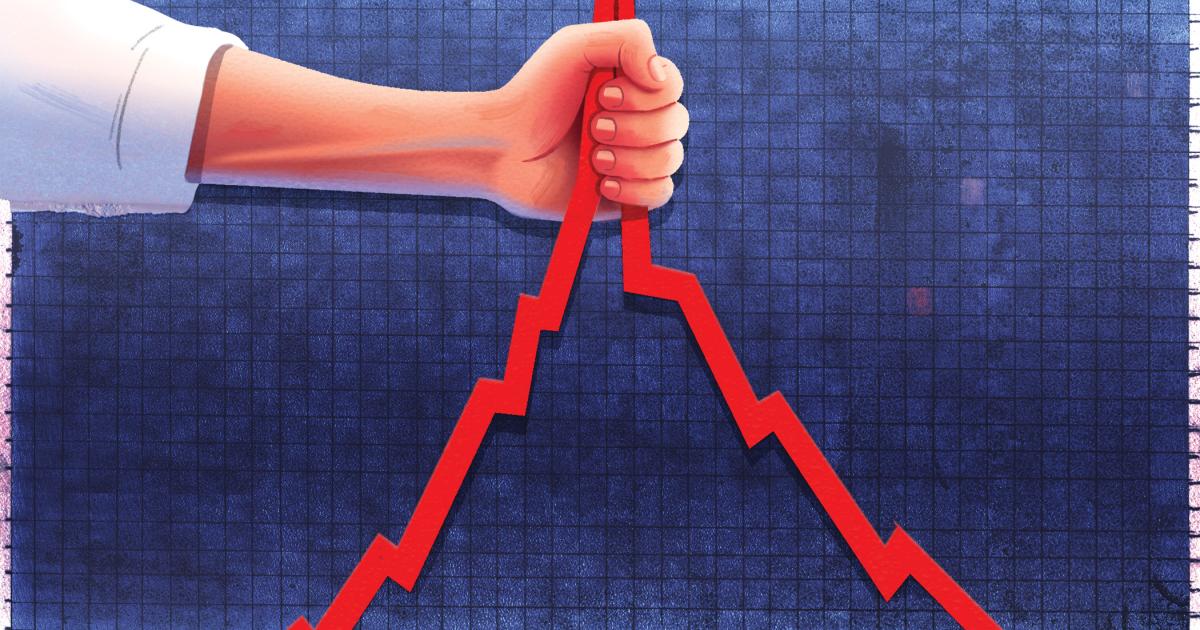
过去,政策制定者往往忽视所谓的“关键节点”问题。如今,他们却几乎只关注这一点。美国总统唐纳德·特朗普政府一方面警告盟友切勿过度依赖中国,另一方面又试图利用这些盟友对美国市场的依赖——包括对其市场、技术、金融体系以及安全保障的需求。与此同时,北京方面指责华盛顿实施经济胁迫,并借助自身在关键供应链上的主导地位向美国和欧洲施压。
Policymakers used to ignore chokepoints. Now they have trouble seeing anything else. U.S. President Donald Trump’s administration warns allies against dependence on China while it hunts for ways to exploit those allies’ own dependence on the United States—on its market, technologies, financial system, and security umbrella. Beijing, meanwhile, accuses Washington of economic coercion while leveraging its dominance over critical supply chains to press the United States and Europe.
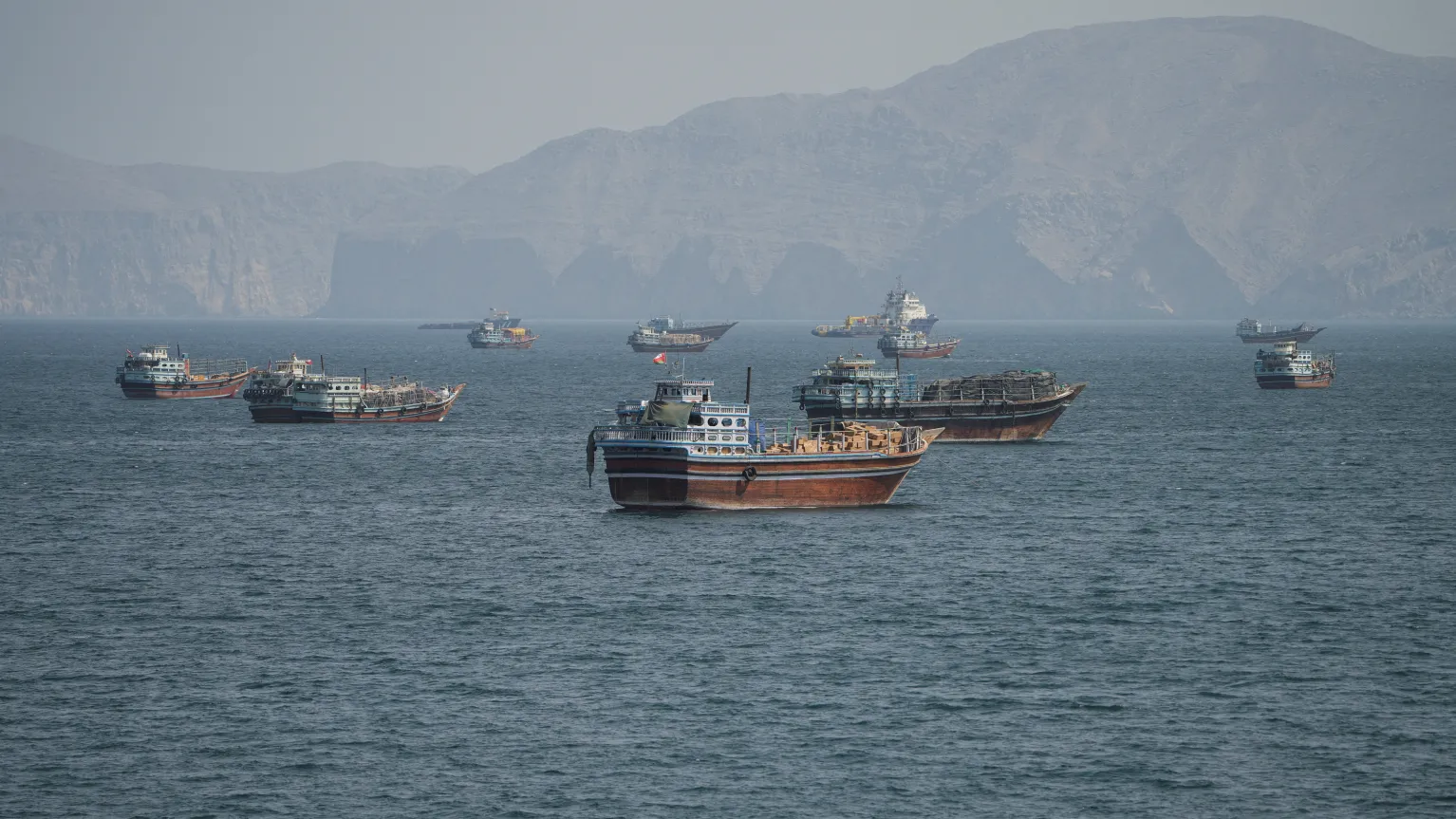
欧洲则希望将欧元打造为另一种全球性货币,以摆脱美元的强势控制。一些小国也纷纷加入这场博弈:伊朗试图利用对霍尔木兹海峡的控制权来制约全球石油贸易。
Europe hopes to build the euro into an alternative global currency to evade the dollar’s iron grip. Smaller players, too, have gotten into the act, as Iran tries to leverage its control over the Strait of Hormuz to put a stranglehold on the global oil trade.
这种对掌控或反制关键节点力量的热衷看似突如其来,实则是过去25年间全球化进程的必然产物。随着各国经济日益融合,关键节点也不断增多:制造商将供应链延伸至境外,银行为降低成本和减少延误而通过美元体系处理交易,数字服务则借助规模经济效应迅速扩张,最终导致少数平台垄断了整个市场。2001年“9·11”事件后,美国一方面倡导自由市场,另一方面则愈发着力利用自身在这些网络中的主导地位——对全球通信实施监控,并借助对全球银行的影响力切断对敌对国家的资金流动。即便如此,大多数政界人士与企业领袖当时仍只关注全球化带来的经济效益。
This obsession with wielding and countering chokepoint power may seem sudden, but it has evolved over the last quarter century as a byproduct of globalization itself. As economies integrated, chokepoints proliferated: manufacturers extended supply chains across borders, banks routed transactions through the U.S. dollar system to minimize costs and delays, digital services took advantage of economies of scale, leading the market to become dominated by a handful of platforms. After the September 11, 2001, attacks, the United States combined its advocacy for free markets with an increasingly ambitious effort to exploit its dominant position in these networks, surveilling global communications and using its influence over banks worldwide to cut off financial flows to its adversaries. But even as it did so, most politicians and business leaders continued to focus on globalization’s economic efficiencies.
然而,特朗普第一任期的举动让世界领导人更加关注咽喉要道。新冠疫情加剧了各国对外部依赖的担忧。随后,在特朗普第二任期期间,中国认识到,阻止他的最佳方式是掐住咽喉要道。美国傲慢地侵蚀基本约束规范,导致包括伊朗在内的其他国家开始探索他们此前从未敢利用的选项。
Moves by Trump in his first term, however, caused world leaders to take more notice of chokepoints. The COVID-19 pandemic heightened countries’ fears of external dependence. Then, during Trump’s second administration, China learned that the best way to stop him is to squeeze a chokepoint. The United States’ hubristic erosion of basic norms of constraint led other countries, such as Iran, to explore options they had never previously dared to exploit.
与过度乐观的强调相互依赖效率的全球化愿景相比,现在看来,将世界经济视为各国可以利用或被其利用的咽喉要道体系,似乎颇为明智。但咽喉要道观也有其致命的盲点。它正导致决策者关注能力而非策略——执着于自己拥有什么杠杆,以及别人对自己拥有什么杠杆,而不考虑当许多国家同时增强其咽喉要道力量时会发生什么。
Compared with an excessively rosy vision of globalization that emphasized the efficiencies of interdependence, it may now seem savvy to view the world economy as a system of chokepoints that countries can either turn to their advantage or see turned against them. But the chokepoint view has its own deadly blind spot. It is leading policymakers to focus on capabilities rather than strategy—to fixate on what leverage they have, and what leverage others have over them, rather than considering what happens when many countries build up their chokepoint power all at once.
结果是一种熟悉但危险的动态:安全困境,即一个国家为自身安全所做的努力会让其他国家感到受到威胁并做出同样的回应,最终让所有人都更不安全。各国越是加强对咽喉要道的控制或保护自己免受胁迫,就越可能让对手感到自身经济安全受到破坏,并引发报复。正如大卫·布尔曼和马特·费钦等经济学者所指出的,每个国家的单边行动都在构建一个集体陷阱。
The result is a familiar but dangerous dynamic: the security dilemma, in which one country’s efforts to secure itself make others feel threatened and respond in kind, leaving everyone less safe. The more that countries strengthen their control over chokepoints or protect themselves from coercion, the more they can make rivals feel that their own economic security has been undermined and provoke retaliation. As economic scholars such as David Bulman and Matt Ferchen have pointed out, each country’s individual actions contribute to the construction of a collective trap.
例如,美国试图牵制中国科技公司的努力,导致中国加速其技术发展,进而激发了美国对中国主导地位的担忧——这是一个自我延续的螺旋。各方试图让自己更安全的尝试,会让其他人感到更不安全,从而推动进一步升级。
The United States’ efforts to hamstring Chinese technology firms, for instance, led China to accelerate its technological development, which in turn spurred American fears of Chinese domination—a self-perpetuating spiral. Each side’s attempt to become safer makes others feel less secure, driving further escalation.
摆脱“瓶颈陷阱”极为困难,原因就在于这是一种集体性现象。任何选择克制的政府都可能沦为受害者。虽然“瓶颈陷阱”在形式上类似安全困境,但在冷战时期,直到古巴导弹危机带来的致命威胁促使各国领导人警醒,才最终采取了措施来遏制军事挑衅行为的不断升级。过度关注“瓶颈陷阱”可能引发集体性灾难,但各国要跳出这一恶性循环,在发出可信的威胁与提供可靠的保障之间取得平衡、并达成集体共识,也绝非易事。
Escaping the chokepoint trap will be difficult precisely because it is collective. Any government that exercises restraint risks becoming a victim. And although the chokepoint trap may resemble the security dilemma, during the Cold War the measures that ultimately contained a runaway cycle of military provocations were implemented only after the deadly threat of the Cuban missile crisis focused leaders’ attention. An obsessive focus on chokepoints might lead to collective disaster, but it will be remarkably hard for states to jump off the escalator and balance making credible threats with offering credible assurances and seeking collective understandings.
最可能出现的结果是一个四分五裂的世界:各国政府及民间力量都将面临更大的动荡,甚至有可能升级为更严重的后果——经济冲击、连锁性混乱乃至战争。
The most likely outcome is a fragmented world in which governments and private actors alike face increased volatility and the risk of escalation into something much worse: economic shocks, cascading disruptions, and even war.
单向升级机制:在传统的安全困境中,一国的防御举措在另一国看来可能具有进攻性质。某国或许希望与邻国保持和平关系,但又担心邻国某天会出现好战型领导人。为防范这一虽小却真实存在的风险,该国可能会研发新型武器系统或适度扩充军队规模。邻国自然也会感到不安:这种军备扩张难道是为发动入侵做准备?于是它也会加大自身的国防投入。这一举动又会让最初的国家更加疑心,进而进一步扩充军备,如此便形成了不断升级的恶性循环。
ONE WAY RATCHET In the traditional security dilemma, one country’s defensive move can appear offensive to another. A state may seek peaceful relations with a neighbor but worry that a belligerent leader could someday come to power next door. To hedge against that small but real risk, it might invest in a new weapons system or modestly increase the size of its army. Its neighbor could reasonably become alarmed. What if the buildup is preparation for an invasion? It may respond by ramping up its own defense spending, leading the first country to grow more suspicious and build up its military further, setting off an escalatory spiral.
当然,有时候各国政府确实怀有好战的意图。但即便所有国家都真心渴望和平,它们仍可能彼此产生强烈的不信任感,进而着手组建规模庞大且耗资巨大的军队。在这种充满猜忌的氛围下,一些无意的失误也极易被曲解。在1978年一篇关于“安全困境”的经典文章中,政治学家罗伯特·杰维斯指出:各国可通过确保自身为提升安全水平而采取的举措明显属于防御性质而非进攻性质,从而降低误判风险——例如,在本国境内修建防御工事,而非向前沿基地派驻军队。
Sometimes, of course, governments do have genuinely belligerent intentions. But even if all countries genuinely want peace, they can end up violently distrusting each other and seeking to field massive, expensive armies. In such a mistrustful atmosphere, innocent mistakes can easily be misinterpreted. In a classic 1978 essay about the security dilemma, the political scientist Robert Jervis argued that countries can mitigate the risk of misinterpretation by ensuring that the acts they undertake to enhance their security are obviously defensive rather than offensive—for example, by investing in fortifications deep inside their own territories instead of deploying troops to forward bases.
然而即便是这种被动式的防御措施也可能加剧紧张局势:若某国觉得自己更能抵御报复,其对手则可能担心该国实施侵略行为的风险会随之降低。
But even passive defenses can heighten tensions: if a country feels better protected against retaliation, its rivals may fear that it will find aggression less risky.
在后来的著作中,杰维斯提出类似的模糊性同样可能危及经济与技术安全。事实上,相较于传统的安全困境,经济领域的冲突更有可能引发意料之外的局势升级。与军事投入不同,经济政策往往难以被简单归类为进攻性或防御性举措。中国大力发展半导体产业,究竟只是为了保护本国经济,还是意在增强自身的胁迫能力呢?
In later writing, Jervis suggested that similar ambiguities might undermine economic and technological security, too. But economic warfare is even likelier to generate unintended escalation than the traditional security dilemma. Unlike military investments, economic policies can be difficult to classify as offensive or defensive. When China builds up its semiconductor sector, is it merely protecting its domestic economy or augmenting its capacity to coerce?
制定产业政策或许纯粹出于防御目的——即增强抵御地缘政治冲击的能力。但一旦此类政策成功实现了规模经济效应,其他国家便有理由担忧:这种产业优势有可能被转化为胁迫性工具。所谓“关键节点战”正是全球化进程的副产品。
Industrial policy can be enacted for a purely defensive reason—to establish resilience against geopolitical shocks. But if such a policy succeeds in building economies of scale, other states might reasonably fear that industrial dominance might be converted into coercive tools. Chokepoint warfare is a byproduct of globalization itself.
经济安全领域的官员通常更注重提升自身的能力(即增强自身的实力或影响力),而非采取限制性的措施;而传统的经济政策制定者则更习惯于安抚本国的市场,而非缓解竞争对手(甚至是对立方的)担忧。国防部门之所以拥有严格的指挥与控制体系,是有其原因的:缺乏纪律的沟通方式以及决策上的不一致可能会导致灾难性的后果。
Economic security officials are usually more interested in building capacity than in restraint, whereas traditional economic policymakers are more accustomed to soothing their own markets than to assuaging the concerns of competitors, let alone adversaries. Defense bureaucracies have strong command-and-control structures for a reason: ill-disciplined communications and misaligned decisions can have disastrous consequences. The institutions that make economic policy, by contrast—including central banks and departments of commerce—are usually not set up to speak with one voice.
相比之下,那些负责制定经济政策的机构(包括中央银行和商业部门)通常并未被设计成能够“统一发声”的机构。这些机构的协调性往往较差,许多重要决策权都被下放给了地方层面的投资和贸易机构。有时,就像美国财政部与联邦储备系统在今年关于债券收益率问题上的分歧所显示的那样,机构内部的普通争斗也可能演变成公开的冲突。
Many are weakly coordinated, and significant authority is delegated to local-level investment and trade agencies. Sometimes, as with central banks, their autonomy is deliberately protected. Whereas military units deployed on discrete missions cannot act without explicit authorization, most economic agencies enjoy wide freedom to act without being accused of going rogue. As this year’s disagreements between the U.S. Department of the Treasury and the Federal Reserve over bond yields illustrate, standard bureaucratic infighting can shade into visible conflict.
当政府实施咽喉要道战时,这些制度模糊性所造成的问题会变得更加严重。2025年9月,在美中高层官员为稳定双边关系而进行的一系列高层经济谈判之后,美国商务部工业与安全局颁布了所谓的“关联方规则”,将出口管制扩大到涵盖两个美国政府观察名单上实体所拥有的更多子公司。该局公开称此举是为了堵住一个漏洞并减轻行政负担;此后该规则已被暂停。
When governments pursue chokepoint warfare, the problems these institutional ambiguities create get much worse. In September 2025, on the heels of a series of high-level economic negotiations between top U.S. and Chinese officials aimed at stabilizing the bilateral relationship, the U.S. Commerce Department’s Bureau of Industry and Security enacted the so-called affiliates rule, which expanded export controls to cover more subsidiaries owned by entities on two U.S. government watch lists. The bureau publicly described the measure as an attempt to close a loophole and lighten administrative burdens; it has since suspended the rule.
但这一时机让外界难以判断其更广泛的战略含义。商务部究竟只是在作为持续官僚进程的一部分而收紧现有出口管制的执行,还是如中国官员所暗示的那样,美国是在两轮双边会谈之间故意采取“极限施压”策略?
But the timing made outsiders unsure how to discern its broader strategic meaning. Was Commerce merely tightening the enforcement of existing export controls as part of an ongoing bureaucratic process, or was the United States, as Chinese officials suggested, deliberately engaging in “maximum pressure” tactics in between rounds of bilateral talks?
解读专制政权的意图可能更加困难,因为此类政权中的政策制定者受公众监督的程度较低。例如,即便中国在2025年7月承诺放宽对稀土矿物和磁铁出口的限制,申请出口许可证的公司仍遭遇了无法解释的延误。目前尚不清楚中国是在故意展示其控制关键供应链的能力,还是仅仅难以通过一个新设立的出口管制官僚机构高效地处理申请。
It can be even harder to interpret what autocracies intend, since policymakers in such regimes are more insulated from public scrutiny. For example, even after China promised to relax its restrictions on the exports of rare-earth minerals and magnets in July 2025, companies that applied for export licenses experienced unexplained delays. It was unclear whether China was deliberately signaling its ability to control critical supply chains or simply struggling to channel requests efficiently through a newly created export-control bureaucracy.
参与经济战的政府往往故意以模糊的方式制定或执行法规,以促使私营行为体过度合规。这种行为使其他人更有可能把即便是笨拙的官僚失误、延误和无意的越权行为,也解读为恶意且蓄意的阴谋。此类失误加深了大国之间的不信任,而大国本来就倾向于高估蓄意威胁的可能性。
Governments engaging in economic warfare often intentionally write or enforce regulations ambiguously to prompt private actors to overcomply. This behavior makes others much more likely to interpret even hapless bureaucratic mistakes, delays, and unintentional overreach as malign and deliberate plotting. Such mistakes deepen mistrust among great powers, which are already inherently inclined to overrate the possibility of deliberate threats.
相反,决策者们往往对自身能够精准地对目标国家施加经济压力的能力抱有过度乐观的态度。然而,商业活动的流向难以像操控无人机轰炸武器工厂那样精确控制。即便是诸如将特定企业列入出口管制名单这类看似精准的措施,也未必奏效——受管制商品最终仍可能落入相关企业的子公司或秘密中间商手中。而那些试图全面堵住漏洞的举措则可能矫枉过正,致使成千上万家股权结构复杂的企业都成为经济安全管控的针对对象。
Conversely, leaders are often excessively optimistic about their ability to surgically inflict economic pain on target countries. The flow of commerce cannot be steered as carefully as drones can be guided to bomb weapons factories. Even precision measures, such as putting specific firms on export-control lists, can be ineffective. Controlled goods may end up in the possession of subsidiaries or clandestine intermediaries. Broad attempts to close loopholes can go too far, putting thousands of firms with complex ownership ties in the cross hairs of the economic security state.
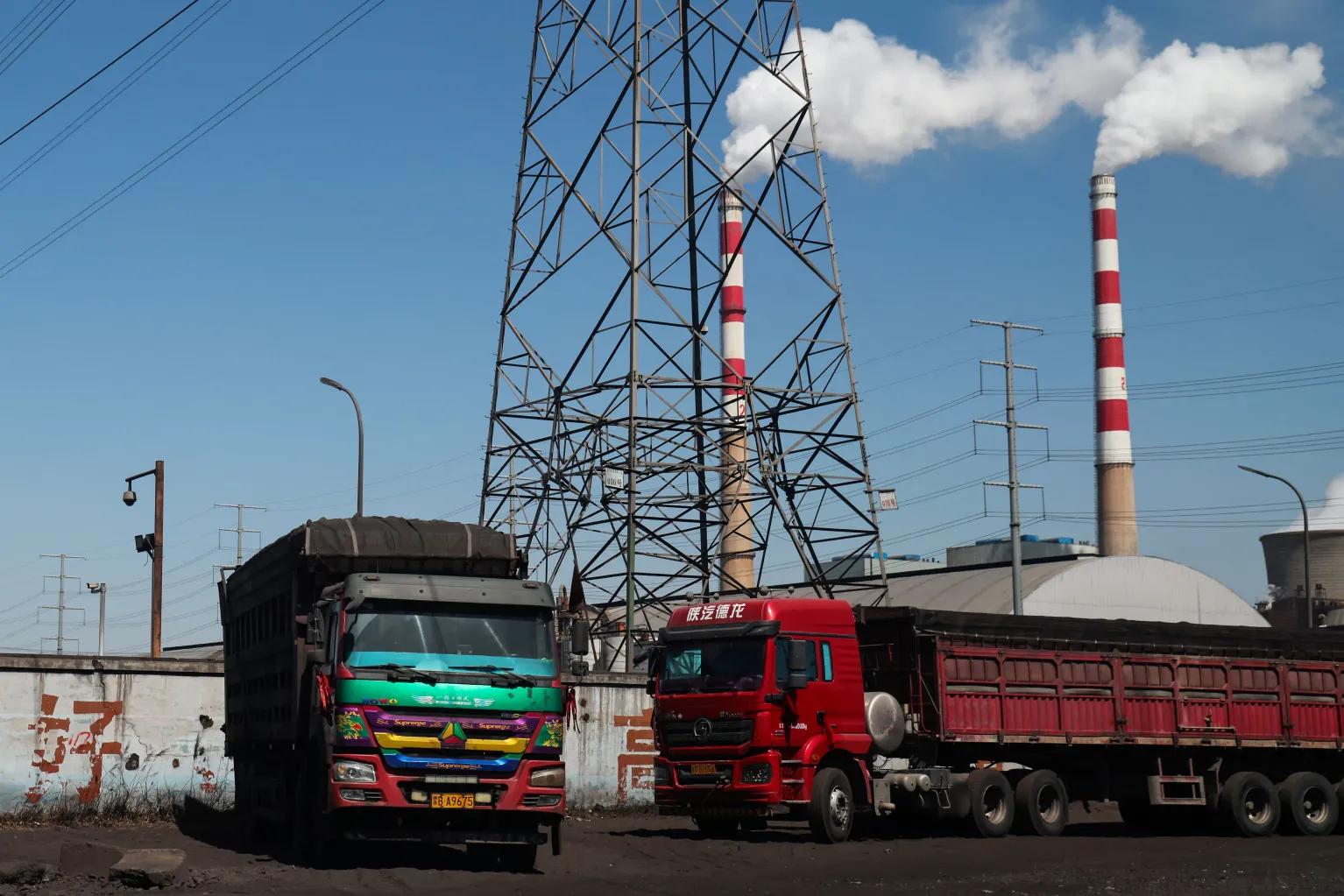
2025年10月,为回应美国实施的“关联企业规则”以及限制中国企业获取美国技术的种种举措,中国再度扩大稀土出口管制范围。倘若这些措施没有在次月被暂停实施,必将波及欧洲、亚洲乃至美国各地的产业链。那些幻想通过精准的经济打击手段来达成战略目的的决策者们,往往会发现自己使用的工具其实像一把霰弹枪——弹丸四处飞散,造成的附带损害只会进一步加剧报复性连锁反应的风险。
In October 2025, China again expanded the reach of its rare-earth export controls to retaliate against the affiliates rule and further efforts by Washington to restrict Chinese firms’ access to U.S. technologies. If these measures had not been suspended the following month, they would have affected production chains throughout Europe and Asia as well as in the United States. Officials who dream of an optimized form of chokepoint warfare in which they can fire an economic sniper rifle at judiciously selected targets regularly discover they are wielding a blunderbuss whose pellets fly in all directions—and the collateral damage only increases the risk of retaliatory spirals.
随着越来越多的国家着手管控各类关键经济节点,其他国家也会愈发担忧这些节点被用作武器,进而试图强化自身的管控能力。最终形成的局面便是:全球各地遍布着各类管控节点与防御措施,但各国依然深感自身安全毫无保障。就连最普通的相互依赖关系,也可能被视作关乎国家存亡的安全隐患。换言之,在一个万物互联的世界里,几乎任何环节都可被视为潜在的“经济节点”。例如,2025年美国参议院与2026年众议院分别提出的法案,甚至将智能烤箱与烘干机也列为潜在的安全威胁。
ALL CHOKED UP The more some countries move to control key chokepoints, the more others will worry about how those chokepoints may be weaponized and seek to leverage their own. The result is a world bristling with chokepoints and defenses in which every power still feels completely insecure. Even the most ordinary kinds of mutual dependence can begin to look like existential security risks. Put another way, in a world in which everything is connected, nearly everything could be considered a chokepoint. A piece of legislation introduced in the U.S. Senate in 2025 and the House in 2026, for instance, identifies even smart ovens and clothes dryers as potential security threats.
以往那些能有效遏制贸易争端的手段,在“关键节点战”中可能不再奏效。在传统的关税战中,各国政府通常会采取对等措施——比如针对对方征收黄油关税,本国也相应提高鸡蛋的进口关税。然而,当经济安全风险呈现多样化特征、不同关键节点能带来的影响力也各不相同,且那些想要反击他国滥用关键节点手段的国家不得不借助其他节点来实施反制时,维持这种对等性便变得极为困难。
Historically effective ways of limiting trade disputes may fail in chokepoint warfare. In traditional tariff wars, governments often try to match like with like, responding to a butter tariff with a countertariff on eggs. Maintaining proportionality is much harder when economic security risks are diverse, when different chokepoints confer different kinds of leverage, and when countries that want to retaliate against the weaponization of one network have to turn to different networks to respond.
2025年4月,美国对中国挥舞高额关税大棒并加强半导体出口管制,但中国因无法掌控同类关键节点,无法以对等的半导体限制措施予以回击。于是中国转而利用自身在稀土这一关键节点上的优势进行反制。不过,当各国纷纷将各自掌控的不同关键节点作为施压工具,而这些节点又处于错综复杂的全球供应链体系之中时,便很难准确判断某种反制措施能否与对方行为的经济影响程度相匹配。那种认为敌对双方可以沿着一条简单的升级阶梯来回较量的想法,纯属幻想罢了。
In April 2025, when the United States threatened China with sweeping tariffs and boosted its export controls on semiconductors, China could not retaliate by imposing an equivalent restriction on American semiconductors because it does not control the same chokepoint. Instead, it used its advantage over a different bottleneck, rare earths. But when countries weaponize entirely different chokepoints that sit at the center of complex and global supply chains, there is no easy way to judge whether a reaction will match the economic magnitude of the original act. Any notion of a simple escalation ladder that adversaries can climb up and down becomes a fantasy.
迅猛且难以预测的技术变革使得这一局面愈发危险。正如杰维斯所警告的那样,各国始终担心技术创新会让对手获得长期优势。这种担忧会进一步加剧“瓶颈陷阱”效应,促使各国试图阻碍竞争对手的发展,并竞相提升自身的技术自主性。拜登政府预见到人工智能可能迅速推动军事及民用领域的进步,于是通过限制中国获取专用半导体来遏制中国人工智能的发展。
Rapid and unpredictable technological change makes this dynamic even more dangerous. As Jervis warned, countries persistently worry that technological innovation will create enduring advantages for their adversaries. Such anxieties can worsen the chokepoint trap, inspiring countries to try to impede their rivals’ progress and race to beef up their own autonomy. The Biden administration, anticipating that AI might swiftly accelerate advances in a variety of military and civilian domains, sought to impede Chinese AI development by restricting the country’s access to specialized semiconductors.
政府官员强调其举措目的有限,并将对华政策形容为“小院子、高围栏”。不出所料,中方拒绝接受这种看似善意的说辞,视这些举措为对其长远发展的威胁。中国加快了半导体产业的研发步伐,并鼓励本国企业摆脱对美国产品的依赖,这导致美国对中国技术发展的影响力日益减弱,同时也让美国更加担忧中国未来的潜在威胁。
Administration officials stressed that their goals were limited, describing their approach to China as “small yard, high fence.”Unsurprisingly, Beijing rejected this benign framing and saw the moves as a threat to its long-term future. China accelerated its own semiconductor development and is encouraging its companies to wean themselves from U.S. products, leaving the United States with less influence over Chinese technological development and more reason to worry about future Chinese aggression.
先行者:2001年“9·11”事件后,美国开始更加系统地利用经济与技术领域的“瓶颈”手段:既监视对手也监控盟友,同时借助美元的主导地位调查并制裁外国银行与企业。美国官员逐渐将全球经济的相互关联性视为可加以操控的工具,用以威慑美国的对手或强迫盟友服从。小布什与奥巴马政府均通过扩大制裁力度来压制伊朗经济,迫使德黑兰坐到谈判桌前。特朗普第一任期内,美国又出台新的技术管制措施,限制中国企业获取先进半导体,为拜登政府后来全面遏制中国人工智能发展埋下了伏笔。
FIRST MOVER After the attacks of September 11, 2001, the United States began to make much more systematic use of economic and technological chokepoints: snooping on both adversaries and allies, and exploiting the dollar’s dominance to investigate and impose sanctions on foreign banks and companies. American officials came to see the global economy’s interconnectedness as something to manipulate—to deter U.S. opponents or strongarm allies into compliance. The George W. Bush and Obama administrations expanded sanctions to squeeze Iran’s economy, forcing Tehran to the negotiating table. The first Trump administration introduced new technological controls to limit Chinese companies’ access to advanced semiconductors, setting the precedent for the Biden administration’s efforts to impede Chinese AI more broadly.
然而在这一时期,美国官员通常对由此产生的累积性负面影响漠不关心。以金融制裁为例,这种手段颇具吸引力,因为大部分代价都由被制裁的外国实体以及那些希望与这些实体开展业务往来的其他国家承担。对各类“关键节点”的操控逐渐演变成一种自我维持的循环模式,其目的仅仅是维持自身运作而已。2024年的一项分析显示,美国对全球三分之一的国家实施了针对个人、资产或组织的制裁措施。
But during this period, American officials usually paid little attention to the cumulative downside. Financial sanctions, for example, were attractive because most of the costs fell on the foreigners they targeted and foreigners who wanted to do deals with the targets. Exploiting chokepoints became a self-perpetuating enterprise with little purpose beyond sustaining itself. A 2024 analysis found that the United States was sanctioning people, properties, or organizations in a third of all countries.
前商务部官员比尔·莱因施在接受报纸采访时称,此类制裁已然成为“美国外交政策工具库中最重要的一环”,但“政府内部无人能确定这一战略是否真正奏效”。然而,美国越是频繁利用这种方式掌控关键节点,就越容易引发其他国家的反制措施与效仿行为。如今,其他大国也开始着力发展自身在关键节点领域的控制能力,且表现得同样毫不谨慎。
Bill Reinsch, a former Commerce Department official, told the newspaper that such sanctions had become “the most important foreign policy tool in the U.S. arsenal,” but “nobody in government is sure this whole strategy is even working.”Yet the more the United States exploited chokepoints in this way, the more it provoked countermeasures and imitation. And as other powers have begun to develop their own chokepoint capabilities, they are proving no more cautious.
中国向来不吝使用经济施压手段来达成目的,不过过去它更多是通过限制他国进入本国市场来施压,而非控制全球范围内的关键节点。有两个关键事件改变了这一策略:2013年,前美国国家安全局承包商爱德华·斯诺登泄露的信息揭示了美国在全球信息网络中所拥有的巨大影响力;随后,特朗普第一任期内对中国电信企业中兴和华为实施的严厉制裁,则充分显示出华盛顿采取强制手段的意愿。美国官员将全球经济的相互关联性视为可加以操纵的工具。
China has never hesitated to use economic pressure to get its way. But it used to threaten countries’ access to its domestic market rather than control global bottlenecks. Two key events altered this playbook. In 2013, leaks made by the former U.S. National Security Agency contractor Edward Snowden revealed the extraordinary reach the United States had in global information networks. Then, the first Trump administration’s punishing campaigns against the Chinese telecommunications companies ZTE and Huawei demonstrated Washington’s willingness to coerce. American officials saw the global economy’s interconnectedness as something to manipulate.
在这些冲击之后,中国的技术辩论开始强调诸如“信息安全”和“脱钩”等主题。中国领导人习近平的讲话曾经侧重于直接的工业化,但他越来越强调经济发展不能脱离国家安全。他的“双循环”战略既旨在减少对海外市场的依赖,也旨在降低中国面临的外部经济压力。随着北京更加意识到其对美国技术和金融的脆弱性,它不仅加快了技术自立的步伐,还建立了新的政府结构,模仿华盛顿用于针对其他国家的做法,例如出口管制制度以及对进出口投资的安全审查。
After these shocks, China’s technological debates began to emphasize themes such as “information security” and “decoupling.”Chinese leader Xi Jinping whose speeches once focused on straightforward industrialization, increasingly stressed how economic development could not be separated from national security. His “dual circulation” strategy both sought to reduce dependence on overseas markets and reduce China’s exposure to foreign economic pressure. As Beijing became more conscious of its vulnerability to U.S. technology and finance, it not only accelerated technological self-reliance but created new government structures that mimicked those that Washington used to target other countries, such as an export control regime and security screening for inbound and outbound investment.
中国将这些措施视为自卫。但它已经从比例性的回应迅速转向了戏剧性的升级。2025年4月,特朗普宣布他的“解放日”关税时,中国不仅对稀土出口实施了许可限制,而且几个月后还暗示,其在稀土加工方面的主导地位赋予了其对整个半导体供应链的监管权。中国还禁止了一些双用途商品对美国国防承包商和民用科技公司的出口,制裁了其声称正在与台湾军方进行武器销售或技术合作的美国公司,并对谷歌、英伟达和杜邦发起了反垄断调查。
China justifies these measures as self-defense. But it has rapidly moved from proportionate responses to dramatic counterescalation. When, in April 2025, Trump announced his “Liberation Day” tariffs, China not only imposed licensing restrictions on rare-earth exports but also suggested, a few months later, that its dominance over rare-earth processing gave it regulatory authority over the entire semiconductor supply chain. China also barred some exports of dual-use goods to U.S. defense contractors and civilian technology companies, sanctioned U.S. firms it claimed were engaging in arms sales or technology cooperation with Taiwan’s military, and launched antitrust investigations into Google, Nvidia, and DuPont.
尽管一些措施随后因与美国的谈判而被暂停或终止,但中国此后多次展示了其打击其认为的外国经济胁迫的能力。
Although some of these measures were subsequently suspended or terminated as a result of negotiations with the United States, China has since repeatedly demonstrated its ability to hit back against what it perceives as foreign economic coercion.
在另一场反制中,北京开始建立“封锁”体制,惩罚遵守其他国家经济安全限制的公司。外国银行若遵循美国法律,停止与一家受制裁中国炼油厂的业务往来,未来可能在中国法院被起诉。今年8月颁布的规定使中国企业向六家对供应链进行尽职调查和风险评估并推动劳工权益的组织提供信息或与其开展业务属于违法行为,这使得这些组织更难产生帮助全球企业遵守美国法律的取证材料。
In another counteroffensive, Beijing has begun creating a “blocking” regime to punish companies that comply with other countries’ economic security restrictions. Foreign banks that follow U.S. law and stop doing business with a sanctioned Chinese refinery could well be sued in Chinese courts in the future. Rules promulgated in August of this year make it illegal for Chinese firms to provide information or do business with six organizations that do due diligence and risk assessment on supply chains and promote labor rights, making it harder for them to generate the forensics that help companies worldwide comply with American laws.
跟随领导者 如今,中国已将其经济政策围绕对国家安全关切的狭隘看法重塑。正如美国的“卡脖子”利用行为一样,中国将越来越大部分经济领域封闭起来的举措,将引发破坏性的反应和模仿。对独立监测机构全球贸易警报(Global Trade Alert)数据的考察显示,各国政府越来越愿意切断贸易。该机构追踪影响国际贸易流动的政府政策变化。
FOLLOW THE LEADER By now, China has reshaped its economic policy around a narrow view of its national security concerns. And just like the United States’ chokepoint exploitation did, China’s moves to fence off ever larger parts of its economy will prompt destabilizing counterreactions and imitations. An examination of data from the Global Trade Alert, an independent monitor that tracks government policy changes affecting international trade flows, captures governments’ growing willingness to choke off trade.
自2020年以来,各国每年实施的出口限制平均数量是2010年至2019年间的七倍。“卡脖子”陷阱正在各国政府身上合拢,它们发现自己陷入了越来越复杂的经济和技术冲突网络之中。
Since 2020, countries have, on average, enacted seven times as many export restrictions per year as they did between 2010 and 2019. The chokepoint trap is closing on governments as they find themselves entangled in an ever more complicated web of economic and technological conflicts.
在这一复杂的局势下,经济规模名义上大于中国的欧洲却始终处于被动适应的境地。虽然欧洲在制定连贯的经济安全战略及设计相关政策工具方面比北京和华盛顿更为成熟,但多年来却难以将这些规划转化为实际影响力。过去几年里,欧洲推出了有望成为强力反胁迫手段的政策工具,用以应对各类经济施压;制定了旨在防范“关键节点战争”风险的经济安全战略;还出台了《芯片法案2.0》,力求维持欧洲在全球供应链中“不可或缺的角色”地位。
In this dynamic, Europe—whose economy is nominally larger than China’s—finds itself perpetually forced to accommodate. Its ability to formulate coherent economic-security strategies and design policy tools is better developed than those of Beijing and Washington. Over the past few years, it has delivered what could be a powerful anti-coercion instrument that would allow it to retaliate extensively against economic pressure, an economic security strategy that identifies the risks of chokepoint warfare, and a Chips Act 2.0 that calls for maintaining Europe’s position as an “indispensable player” in supply chains.
然而,这些举措始终未能转化为实际影响力。欧洲至今仍严重依赖美国的技术与安全保障;一旦面临华盛顿可能违背北约承诺的风险,欧洲自主掌控关键供应链节点的愿景便化为泡影。尽管特朗普政府屡次对欧洲施加压力,但欧洲至今甚至未曾尝试动用上述反胁迫工具来应对美国。
But it has struggled to turn words into leverage. It remains deeply dependent on U.S. technology and security guarantees; its dreams of controlling its own chokepoints dissipate in the face of the risk that Washington could tear up its NATO commitments. So far, Europe has not even attempted to deploy its anti-coercion instrument against the United States, despite the Trump administration’s repeated coercion.
与此同时,欧洲对中国的依赖也日益成为其发展的掣肘。欧盟曾对被认定获得不当补贴的中国电动汽车征收反补贴税,结果中国迅速对欧盟成员国的重要产业实施针对性限制,迫使欧盟委员会主席乌尔苏拉·冯德莱恩耗费大量政治资源才得以维持柏林与马德里对欧盟统一政策的支持。2025年9月,荷兰政府试图行使主权权力,对一家被中国企业收购的本土芯片制造商恩智浦实施管控,结果北京方面阻止该公司在华完成芯片生产,引发了整个欧洲汽车行业的供应链危机。
Europe is increasingly constrained by dependence on China, too. When the EU imposed countervailing duties on Chinese electric vehicles it found were unfairly subsidized, China was quick to target vital sectors in EU member states, forcing European Commission President Ursula von der Leyen to spend precious political capital keeping Berlin and Madrid behind a common EU policy. In September 2025, when the Dutch government attempted to assert its sovereign authority over Nexperia, a Dutch chip manufacturer that was purchased by a Chinese company, Beijing prevented the firm from finishing the chips in China, creating a supply chain crisis across the European car industry.
根据欧洲对外关系委员会高级政策分析师托比亚斯·盖尔克于2026年中发布的报告,中国的种种威胁使得欧盟各成员国根本不敢考虑采取那些减少对华依赖所需的全面措施。
According to a mid-2026 report by Tobias Gehrke, a senior policy analyst at the European Council on Foreign Relations, Chinese threats are preventing European member states from even contemplating the comprehensive actions they would need to reduce their dependence.
每个欧洲国家主张战略自主的愿望都受到美国或中国将分裂其团结的预期所限制。而国家安全决策仍是成员国的专属领域,这阻碍了欧盟利用潜在的战略要冲。欧洲在共同行动以对俄罗斯实施制裁方面取得了巨大进步,但执行仍在很大程度上依赖各国政府。结果是,欧盟比美国或中国更清楚升级的危险,但却无法有效避免这些危险。
Every European wish to assert strategic autonomy is hemmed in by the expectation that the United States or China will split its solidarity. And national security decisions remain the domain of member states, preventing the EU from leveraging potential chokepoints. Europe has made huge strides in acting collectively to impose sanctions against Russia but enforcement still largely depends on national governments. The result is a bloc that understands the dangers of escalation better than the United States or China but cannot do much to avoid them.
与此同时,日本早在早期就开始思考中国胁迫所构成的威胁,并更好地调整了其应对方式,在战略自主和韧性之间取得平衡,同时控制关键技术要冲以抵御潜在的外部胁迫。日本已经建立了国家稀土储备,以减轻中国施压其经济的努力,同时使其自身成为美国军事供应链中不可或缺的一环。但即使日本也表现出它可能屈服于要冲政治的诱惑:2019年,日本限制了韩国对关键半导体化学品的获取,作为对韩国追求二战赔偿的回应。
Japan, meanwhile, began to think about the threat posed by Chinese coercion early and has better tailored its approach, balancing strategic autonomy and resilience against potential external coercion with control over vital technological chokepoints. It has created a national stockpile of rare earths to mitigate Chinese efforts to pressure its economy while making itself indispensable to U.S. military supply chains. But even Japan has shown it can succumb to the seduction of chokepoint politics: in 2019, it limited South Korea’s access to key semiconductor chemicals in response to the country’s pursuit of reparations for World War II harms.
如今,就连那些规模更小、经济更贫困的国家也陷入了这一恶性循环之中。有些国家在短期内从这种“扼制性手段”的使用中获得了利益:例如,当美国试图迫使盟国禁止华为进入其电信基础设施时,菲律宾就从美国那里获得了数百万美元的援助资金。然而,另一些国家则只是被进一步挤压在困境之中。缅甸的克钦独立军为了维持与军政府的内战,不得不出售用于制造工业磁体的镝和铽等稀有金属;由于中国是这些金属的主要买家,这反而让中国在冲突中拥有了更大的影响力。
And now, even smaller, poorer countries have been caught up in the spiral. Some have benefited from the spread of chokepoint warfare in the short term: the Philippines, for instance, won millions in grants from the United States when Washington attempted to press allies to block Huawei from their telecommunications infrastructures. Others are simply getting squeezed. The Kachin Independence Army in Myanmar is selling dysprosium and terbium, which are used in industrial magnets, to fuel its civil war against the military junta—giving China, the main buyer, greater leverage over the conflict.
拥有丰富自然资源的格陵兰岛也多次遭到特朗普政府的军事威胁。随着时间的推移,即使那些获得了一些额外收益的国家,所付出的代价也很可能远远超过他们所获得的利益。这些较小、较贫困国家的政府渴望获得自主权,以便为自己的公民谋求更大的繁荣;然而,全球对经济安全的过度关注使得他们寻找这样的发展道路变得更加困难。
Greenland, with its vast supply of natural resources, has faced repeated military threats from Trump. As time goes on, the costs are likely to heavily outweigh the benefits, even for countries receiving some side payments. Governments in smaller, poorer countries want the autonomy to chart a path toward greater prosperity for their citizens. The global obsession with economic security makes finding that path harder.
没有出路:目前,美国和中国陷入了短期内的僵局:华盛顿出于对强烈反对的担忧,正在克制自己使用“扼制性手段”的行为;而中国则认为直接挑衅对自己并无太大好处。不过,这种表面的稳定局面很可能是暂时的。即便特朗普离任后,美国仍会继续追求全球技术霸权,并继续努力控制能源领域;中国则会继续推行那些旨在逐步建立对他国依赖关系、削弱美国强制力的政策。在一个各种激励因素都不可避免地推动局势升级的世界里,这种僵局是非常脆弱的。
NO WAY OUT Right now, the United States and China are locked in a short-term stasis. Washington is moderating its use of chokepoints out of fear of ferocious blowback, and China sees little benefit in direct provocation. But this moment of stability is likely to be fleeting. Even after Trump leaves the White House, the United States will certainly keep pressing for global technological dominance, and it is likely to continue its efforts to dominate energy. China will keep pursuing policies aimed at quietly building dependencies and undermining the United States’ coercive power. Stalemates are fragile in a world in which the incentives inexorably point toward escalation.
如今,对世界拥有最大影响力的国家将咽喉要道视为能力。它们的视野很少触及自身行为的战略含义。在建设进攻能力、加强防御的过程中,它们让自己相信,这是在确保自身安全。然而,它们实际上正陷入一场咽喉要道军备竞赛,这将使它们以及其他所有人都变得更加不安全。传统国家安全困境中的猜忌,如今正蔓延至全球经济。一个经济咽喉要道同时成为堡垒、驻军和武器的世界,将以持续的低强度经济冲突和更大规模冲突的常在风险为特征。
The powers with the most latitude to shape the world now see chokepoints as capabilities. Their vision rarely stretches to the strategic implications of their actions. As they build their offensive capacities and shore up their defenses, they convince themselves that they are ensuring their own security. Instead, they are miring themselves in a chokepoint arms race that will render them, as well as everyone else, much less secure. The jealousies of the traditional national security dilemma are now spilling over into the global economy. A world in which economic chokepoints become forts, garrisons, and guns all at once will be characterized by perpetual low-level economic conflict and the ever-present risk of larger conflagrations.
为了寻找更广泛的解决方案,一些学者和政策研究者从冷战中汲取灵感,强调缓和与相互克制的价值。在那个时代,核战争的风险通过定期会议得以降低,这些会议旨在建立对红线的共同认知,并建立确保危机期间有效沟通的系统。随着时间的推移,这些机制催生了更正式的安排,例如规范军备和军队行动的条约,并由卫星及其他监控手段予以执行。
To identify broader solutions, some scholars and policy thinkers look to the Cold War for inspiration, emphasizing the value of de-escalation and mutual restraint. During that era, the risk of nuclear war was mitigated with regular meetings to establish a shared understanding of redlines and systems that ensure effective communication in a crisis. Over time, these gave rise to more formal arrangements, such as treaties regulating arms and troop movements, enforced by satellites and other means of monitoring.
基于保障的安全逻辑在某些情况下可以使经济咽喉要道免于被武器化。例如,新加坡已与澳大利亚和新西兰签署协议,以保持必需物资在各国之间的流动。2022年,世界贸易组织成员同意不对世界粮食计划署为人道主义目的购买的食品实施出口限制。
An assurance-based security logic can, in some cases, insulate economic chokepoints from weaponization. Singapore, for instance, has signed agreements with Australia and New Zealand to keep essential supplies flowing between their countries. In 2022, the World Trade Organization’s members agreed not to place export restrictions on food purchased by the World Food Program for humanitarian purposes.
然而,要将此类承诺转化为大规模的有效沟通与相互克制体系,将面临困难。正是古巴导弹危机和核毁灭的威胁,才让冷战的对手们意识到,个体理性的行为可能导致集体的灾难性后果。如今,随着相互猜疑的循环不断加速,要扭转局面变得越来越困难。各国政府越是建立专门负责识别和控制经济咽喉要道的官僚机构,咽喉逻辑就越成为他们制定甚至日常经济政策时的默认视角。
Yet it will be difficult to turn such commitments into a large-scale system of effective communication and mutual restraint. It took the Cuban missile crisis and the threat of nuclear annihilation to awaken the Cold War’s antagonists to how individually rational acts could lead to collectively awful outcomes. Today, as the cycle of mutual suspicion gathers speed, it becomes increasingly hard to reverse. The more governments create bureaucracies devoted to identifying and controlling economic chokepoints, the more a chokepoint logic becomes the default lens through which they make even routine economic policy.
欧洲作为最不愿真正将咽喉要道武器化的大国,同时也是最不具备部署此类手段能力的大国,这绝非巧合。咽喉要道军备竞赛将使所有人的安全感大大降低。
It is no coincidence that Europe, the great power that is the most hesitant to actually weaponize chokepoints, is also the power that is least capable of deploying them. A chokepoint arms race will make everyone much less secure.
咽喉要道陷阱更有可能收紧。军事竞赛长期以来一直驱动各国建立类似的机构——武装力量、国防官僚体系和国内武器工业。这种镜像效应已经开始在经济安全领域出现。中国正变得更像美国,建立官僚工具以利用咽喉要道对抗其对手;与此同时,美国正在模仿中国,干预国内经济,围绕安全问题重塑经济。欧盟将在管理自身边缘化的滑坡,或从根本上改革其内部权力平衡以跟上步伐之间做出选择。小国将尽其所能效仿大国,同时依赖大国的保护。
It is more likely that the chokepoint trap will tighten. Military competition has long driven states to build similar institutions—armed forces, defense bureaucracies, and domestic weapons industries. This kind of mirroring is already beginning to happen in economic security. China is becoming more like the United States, building bureaucratic tools to leverage chokepoints against its adversaries; meanwhile, the United States is imitating China, intervening in its domestic economy to reshape it around security concerns. The European Union will choose between managing its slide to irrelevance or radically reforming its internal balance of power in order to keep up. Smaller powers will do what they can to emulate bigger ones while relying on their protection.
这对各国政府来说将是艰难的,但对国际商业而言则更糟。企业将不得不在一个错综复杂、难以预测的全球经济中摸索前行,在这个经济中,支付和信息系统支离破碎,相互对抗的势力轮番试图将其纳入服务或将其挤出市场。跨国公司可能只在名义上成为统一的实体,因为其子公司将面临东道国政府的相互抵消的压力。如今看似理所当然的经济效率,例如国际金融交易的无缝衔接,可能会消失,因为各国政府将全球基础设施等同于国家不安全。
This will be hard for governments, but much worse for international business. Firms will have to navigate a labyrinthine and unpredictable global economy in which payment and information systems are fragmented and clashing powers try alternately to press them into service or squeeze them out of existence. Multinational corporations may become unified entities in name only, as their subsidiaries face countervailing pressures from host governments. Economic efficiencies that seem natural today, such as the seamlessness of international financial transactions, may evaporate as governments equate global infrastructures with national insecurity.
即便如此,这也不是最坏的情况。卡点陷阱所带来的最大风险,并非其可预见的苦难,而是其不可预见的灾难。经济安全领域的猜疑、误解和激烈竞争,可能为战争创造理想的条件。仅举一个假设的例子。不难想象这样一种情景:中国对稀土磁铁实施更多限制,将削弱包括美国重建导弹储备的能力在内的多方面能力,而今年的伊朗战争已经耗尽了这些储备。
Even this is not the worst-case scenario. The greatest risk posed by the chokepoint trap is not its predictable miseries but its unpredictable disasters. Suspicion, misunderstanding, and intense competition in the realm of economic security can create an ideal recipe for war. Take just one hypothetical. It is not difficult to imagine a scenario in which additional Chinese restrictions on rare-earth magnets degrade, among other things, the United States’ ability to rebuild the missile stockpiles that this year’s Iran war has depleted.
无论北京是否有意造成这种效果,美国领导人都很容易将此类行为解读为证据,认为中国计划在美国完全摆脱对中国供应链的依赖之前,对台湾发动军事进攻,从而促使华盛顿产生先发制人的紧迫感。
Whether or not Beijing intended this effect, U.S. leaders could easily interpret such an act as evidence that China plans to launch a military offensive against Taiwan before the United States can achieve full independence from Chinese supply chains, prompting a sense of urgency in Washington to strike first.
对于看似边缘且属于最坏情况的情形,有大量历史先例可循。在《经济武器》一书中,历史学家尼古拉斯·穆尔德记录了,在20世纪30年代,轴心国对国际联盟制裁和潜在经济孤立的恐惧,导致它们在为时已晚之前积极掠夺领土和资源。卡点陷阱本身已经够糟了,而它可能导致的后果则更糟。
There is plenty of historical precedent for what may seem to be a marginal and worst-case scenario. In , the historian Nicholas Mulder documents how, in the 1930s, Axis powers’ fears of League of Nations sanctions and potential economic isolation led them to aggressively seize territory and resources before it was too late. The chokepoint trap is bad enough. What it leads to can be worse.