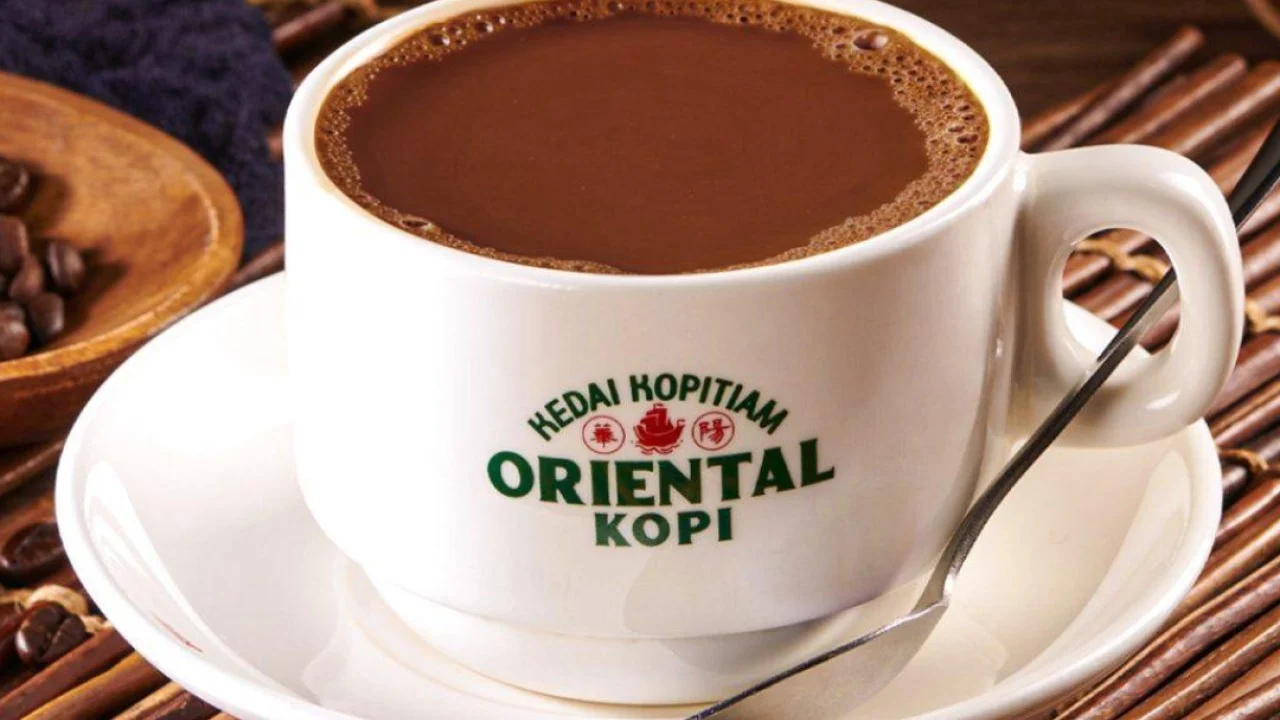
针对一家马来西亚华人拥有的咖啡店连锁店因菜单上未包含马来文而被呼吁抵制的事件,有关种族与国家身份的争论再次被点燃,各政党正争相在即将到来的全国大选前争取该国最大民族群体的支持。
Calls to boycott a Malaysian Chinese-owned coffee-shop chain over its omission of Malay text from its menu have reignited arguments over race and national identity, as political parties jostle to court the country’s majority ethnic group ahead of the next general election.
对东方咖啡(Oriental Kopi)的抵制行动标志着最新一轮因民族不满而被政客视为可利用的事件,他们通过将自己塑造成马来身份的捍卫者来获取政治资本。
The Oriental Kopi boycott marks the latest saga fuelling ethnic grievances that politicians have been seen to capitalise on by portraying themselves as defenders of Malay identity.
此事发生在马六甲州11月14日州选之前,届时首相安瓦尔·伊布拉欣领导的多元种族联盟希望联盟(Pakatan Harapan,PH)将与联邦盟友国阵(Barisan Nasional,BN)展开对决。
It comes ahead of the November 14 election in Melaka, where Prime Minister Anwar Ibrahim’s multiracial alliance Pakatan Harapan (PH) will face off federal partner Barisan Nasional (BN) coalition.
由巫统领导的国阵今年早些时候在柔佛和森美兰取得压倒性胜利,在柔佛州独自参选,而在森美兰州则与伊斯兰党全马伊斯兰党(Pan-Malaysian Islamic Party,PAS)及其盟友合作。国阵原则上同意再次与PAS合作参加马六甲州选举。
The Umno-led coalition won sweeping victories in Johor and Negeri Sembilan earlier this year, contesting alone in the former and cooperating with the Islamist party, Pan-Malaysian Islamic Party (PAS), and its allies in the latter. BN has agreed in principle to cooperate again with PAS for the Melaka state poll.
全国大选须在2028年2月前举行,尽管安瓦尔上个月表示,若有提前举行大选的呼声,将予以考虑。
The national election is due by February 2028, although Anwar said last month that calls for an earlier vote would be considered.
东方咖啡是一家以蛋挞、咖啡及传统华人咖啡馆风格的本地菜肴闻名的马来西亚连锁店,其英文和中文菜单的照片上周在社交媒体上流传后,引发批评。
Oriental Kopi, a Malaysian chain known for egg tarts, coffee and local dishes served in the tradition of Chinese coffee shops known as , came under criticism after photographs of its English and Chinese menu circulated on social media last week.
该公司去年1月23日在马来西亚交易所ACE市场上市,当时它正在国内外寻求扩张,并通过合资企业在新加坡开设了首家咖啡馆。
The company listed on Bursa Malaysia’s ACE Market on January 23 last year, as it pursued expansion at home and overseas, having opened its first Singapore cafe through a joint venture.
一名网民质疑:一家宣扬自身马来西亚身份的企业为何在菜单上省略了国家语言,另一些人则呼吁抵制,直至其加入马来文。有人写道:“这是马来西亚,不是中国。”
One online user questioned why a business celebrating its Malaysian identity had omitted the national language while others called for a boycott until it was included. “This is Malaysia, not China,” one wrote.
该咖啡店的支持者则以自己的讽刺作出回应。“所有[马来人],请抵制东方咖啡,这样下次我就不用排队了,”一人说道。一些人质疑为何其他地方类似的菜单未受到审查。
The cafe’s defenders responded with their own taunts. “All [Malays], please boycott Oriental Kopi so next time I don’t have to queue,” one said. Some questioned why comparable menus elsewhere had escaped scrutiny.
创始人陈南海(音)于周三道歉,并表示包含马来语在内的重新设计菜单已在筹备中。
Founder Calvin Chan apologised on Wednesday and said a redesigned menu including Malay was already being prepared.
“作为在马来西亚诞生的品牌,我们始终尊重马来语作为我国国语的地位。对于这一疏忽,我们深表歉意,”他在社交媒体Threads上用马来语写道。“我们已经在着手推出包含马来语的新菜单设计。我们虚心请求大家给予一点时间来完成这些改进。”
“As a brand born in Malaysia, we have always respected Malay as our country’s national language. We apologise for this shortcoming,” he wrote in Malay on Threads. “We are already in the process of introducing a new menu design that also includes Malay. We humbly ask for a little time to make these improvements.”
陈南海表示,该连锁餐厅欢迎来自所有社群的顾客。“华阳(Oriental Kopi)属于所有马来西亚人,不论其种族和背景。”根据官方数据,在马来西亚约3,440万的人口中,马来人占58.4%,华人占22%,印度人占6.5%。其余人口大部分由其他原住社群组成。
Chan said the chain welcomed customers from all communities. “Oriental Kopi is for all Malaysians, regardless of race and background.”Malays account for 58.4 per cent of Malaysia’s estimated population of 34.4 million, with ethnic Chinese making up 22 per cent and Indians 6.5 per cent, according to official figures. Other indigenous communities make up most of the remainder.
安华此前曾表示,支持马来人不能以牺牲其他社群为代价。上个月下旬,他承诺在推进马来人利益的同时,拒绝那些贬低他人或剥夺他人权利的观点。
Anwar has previously said supporting Malays should not come at the expense of other communities. Late last month, he pledged to advance Malay interests while rejecting views that belittled others or denied their rights.
据当地媒体援引,安华表示:“我想帮助马来人,因为他们是我的人民。我为他们的文化、他们的传统感到骄傲。”
“I want to help the Malays because they are my people. I’m proud of their culture, their heritage,” he said, as quoted by local media.
马来西亚国际伊斯兰大学政治学副教授西扎·法哈娜·穆罕默德·舒克里(Syaza Farhana Mohamad Shukri)表示,政客们通常能从拖延此类争端中获益,而不是解决它们。继续使用种族言论最容易维系马来政治想象力政治学教授Syaza Farhana Mohamad Shukri“在缺乏清晰政策辩论、政治围绕成熟辩论展开的情况下,继续使用种族言论最容易维系马来政治想象力,”她说。
Politicians usually stood to gain from prolonging such disputes rather than settling them, said Syaza Farhana Mohamad Shukri, an associate professor of political science at the International Islamic University Malaysia. It is easiest to continue with racial rhetoric to hold on to the Malay political imaginationSyaza Farhana Mohamad Shukri, a political science professor“In the absence of clear policy debates and having politics be about mature debates, it is easiest to continue with racial rhetoric to hold on to the Malay political imagination,” she said.
“说到底,马来人会说他们期望[该]政府和政治家捍卫他们的身份,因此这是一个政治问题。”但她补充说,安瓦尔应抵制追求那些坚决反对他或其联盟的选民。相反,他应以能吸引犹豫不决选民的务实方案来回应这一诉求。
“At the end of the day, the Malays would say they expect [the] government and politicians to defend their identity, so it is a political issue.”But Anwar should resist chasing voters firmly opposed to him or his coalition, she added. Instead, he should address the complaint with a practical solution that could appeal to undecided voters.
“安瓦尔应专注于中间立场的选民,即那些仍保持理性且不偏向党派的人,”她补充道。
“Anwar should focus on the middle ground voters, those who are still rational and not partisan,” she added.
政治学家黄钦发表示,这场争议反映了“民族保护主义”,将其描述为2019年“优先购买穆斯林产品”运动的延续或复兴。“当清真属性不可被质疑时,语言便成为点燃更大文化战争一部分的便利工具,”他说。
Political scientist Wong Chin Huat said the controversy reflected “ethnic protectionism”, describing it as a continuation or revival of the Buy Muslim First campaign of 2019. “When halalness cannot be questioned, language becomes a convenient tool to ignite what is part of a larger culture war,” he said.
马来政党之间的竞争鼓励民族主义者利用文化争议制造不安全感,并围绕马来团结的号召聚拢选民,这位阳光大学教授说道。
Competition among Malay parties encouraged nationalists to use cultural disputes to stir insecurity and rally voters behind calls for Malay unity, the Sunway University professor said.
但他质疑此次抵制是否能带来显著的选举收益。“东方的马来客户群很可能是双语或以英语为主的群体,”他说,暗示民族和宗教诉求可能已经在城市中产阶级之外达到其上限。
But he questioned whether this particular boycott would deliver much electoral benefit. “Oriental’s Malay clientele is likely bilingual or Anglophone,” he said, suggesting that ethnic and religious appeals might already have reached their limit beyond the urban middle class.